The fatberg and my part in its downfall
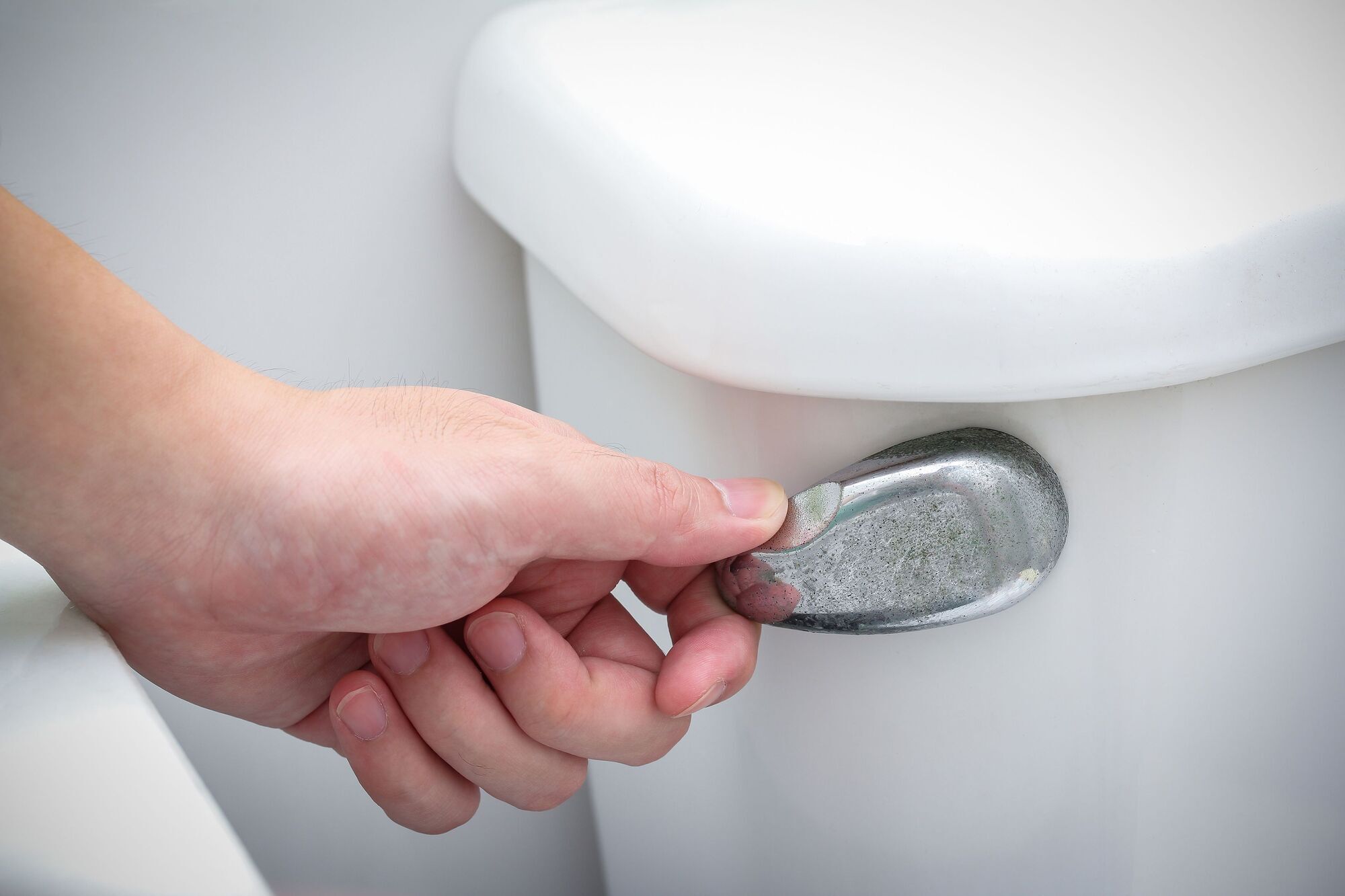
In the main toilet in our house and in most toilets, there is no Saniflo. There are generally no consequences to what we flush down. None that we see. But Tom Cuddy and his staff see it.
It makes a growling noise when everything is ok. The teeth happily grinding away. But when something’s wrong, it whines, it screams. There is a slight burning smell. And then awful silence.
The Saniflo wastewater pump, macerator and whatever-else goes-on-there in our small en suite toilet is the reason I think before I flush. Because if I send anything into the Saniflo, other than what I made myself, and some toilet paper, I’ll have to call A Man out. And he will look at me with kind, but disappointed eyes and ask “what are you after doing?” And there’s no point in lying to him. All will be revealed soon.
And it will cost somewhere between €100 and €400 to fix my mistake.
But in the main toilet in our house and in most toilets, there is no Saniflo. There are generally no consequences to what we flush down. None that we see.
But Tom Cuddy and his staff see it. Tom is the head asset operations for Irish Water. The assets, in this case, are the pipes of the network and all the grills and filters that the grey water passes through to get to the treatment plants.
Tom has statistics. Every month his team clears 2,000 blockages from the network. About 75% of blockages are due to what people put down the sink and down the toilet. A load of money and time wasted on the sum total of all our tiny little decisions.
And it’s not even the full story. There are multiples of these blockages happening further up the network. In drains shared between people where one unlucky person — under the principle of he who smelt it dealt it - has to rod their drain because of the actions of a neighbour a few doors up, Or get some people with a van and a strong hose and pump to come out for a couple of hundred quid.
And a lot of the time it’s not all carelessness or bad behaviour or not knowing. Most people are sound. But we are sold stuff that tells us what to do with it.
Mention the phase ‘flushable wipe’ to Tom Cuddy and you can see almost see him twitch. As he explains, the criterion they use for calling something flushable is ‘will it flush’, not should it be flushed.
Spoiler alert: It shouldn’t. It’s still intact miles and days down the network. It ‘rags’ against the grills or becomes entwined in the giant macerators that they use. It’s not just the toilet. We do the same with sinks. If it goes down the sink and we don’t see any pooling then we assume everything’s grand.
But a fatberg at the next big bend in the pipe says it’s not grand. And someone has to go and clear it.
Returning to flushable wipes, Tom repeats the phrase 3Ps — Pee Poo and Paper — with the air of someone who has had to explain this many times.
He doesn’t need to tell me any more. A flushable wipe from a baby-changing situation broke our Saniflo so it’s already on my hit list.
The thing is — it’s not just Irish Water’s problem. It could be yours too the next time you go to the beach. Because Ireland’s wastewater network is struggling to deal with capacity, in a number of places, during heavy rain the storm drain network is used for overflow. So you might well have a beach reunion with the flushable wipe you said goodbye to in the jacks a few days previously.
A recent report on RTÉ Countrywide from Galway featured volunteers who are tired of picking up wipes and recently masks from the beach. These symbols of virtue in one area are a problem in another. It seems unfair.
With so many of us doing our best to deal with the known knowns of pandemic and lockdown, it would be very understandable for you to read this and just get enraged. To say
I hear you. But if it’s any consolation, I have been a sinner too. I still am. The first time I heard about Think Before You Flush was when they mentioned cooking oil. I realised I’d been pouring frying pan juice down the drain like some sort of Captain Planet villain. And I’d sent wipes down there before. So I stopped the oil and the wipes and thought I was a great fella altogether. But I’m not. Turns out I was still leaving all sorts in the dishwasher. Tom points out that the old dishwashers would punish you for putting manky plates into them. They’d get blocked. The new ones don’t. They just scour it off with heat and power and send it on its merry way. There is no magic in the wastewater system.
And chatting with Tom and Annabel Fitzgerald who is IW’s Regional communications lead, it turns out I’m still acting the maggot toilet-wise. Is there anything that people mightn’t be aware of I asked her. “Hair” said Annabel. HAIR?! Good old fashioned keratin?! How could that be a problem? Apparently, if there’s enough of it — and there’s more hair over this lockdown- it can act like thread and bind together all the other sanitary products and break pumps.
So after hearing that, the household hair goes in the bin or maybe in future sellotaped to the top of my head to an area worn thin by all the thinking before flushing. It seems trite but that little bit of thinking does work.
Even last night an old impulse took over and I nearly threw the dental floss in. Until I remembered the phrase. Think Before You Flush.
And the thing is, most of us are sound. We do our bit when we know why. Sinead McCoy of Clean Coasts who is running the Think Before You Flush Campaign confirms that simply providing information does change behaviour. Take chewing gum for example. As a youngster, I’d volley it all over the place but not consider it rubbish. Recent surveys indicate that now, 92% of us think of it as litter.
We can easily change our behaviour when we know. We’ve done it before. And all we have to do is direct the throwing of something about a foot to the left or right of the bowl into the bathroom bin.
Now, it’s not just us who has work to do. If we do our bit, Irish Water have a lot to do. The wastewater network needs upgrading, in some areas, the first real upgrade since Independence.
Basically, they have had to build sewage plants where there were none before and fix or replace the ones that were there. And there’s a few years left in the job. The EPA has been fairly critical of the progress to fix the system.
Only 44% of wastewater from large urban areas is treated to EU standards. You will have seen the brown plumes heading out into Dublin Bay because the Ringsend plant is overcapacity. But hopefully, the end is in sight. Or the beginning of the end. They upgraded 12 plants last year alone.
The revamping of Ringsend will be complete by 2024 when it’ll be able to handle 2.4million people’s er … shhii..grey water. And there will be a world-class future-proofed treatment plant there that will improve the quality for all those who use Dublin Bay. And across the rest of the country Tom says they hope to have stopped the majority of raw sewage discharges by 2025 if things go as planned. It’s about €650million worth of investment. But there’ll be a few more brown flumes after heavy rain for a while yet. So as consumers and taxpayers, we need to keep an eye on progress.
But waste isn’t some sort of abstract thing that just gets done. Sorry to bring this up over breakfast but we are also among the producers. In the meantime, as these network improvements take time and money, we could be wasting both — every time we send an it’s-not-really-flushable-wipe down the toilet or the fat from a full Irish breakfast down the sink.
I’ve learned — the expensive way — to think before I flush. You can do it for free.