Harnessing more of Ireland’s wind can help lower costs and strengthen energy security
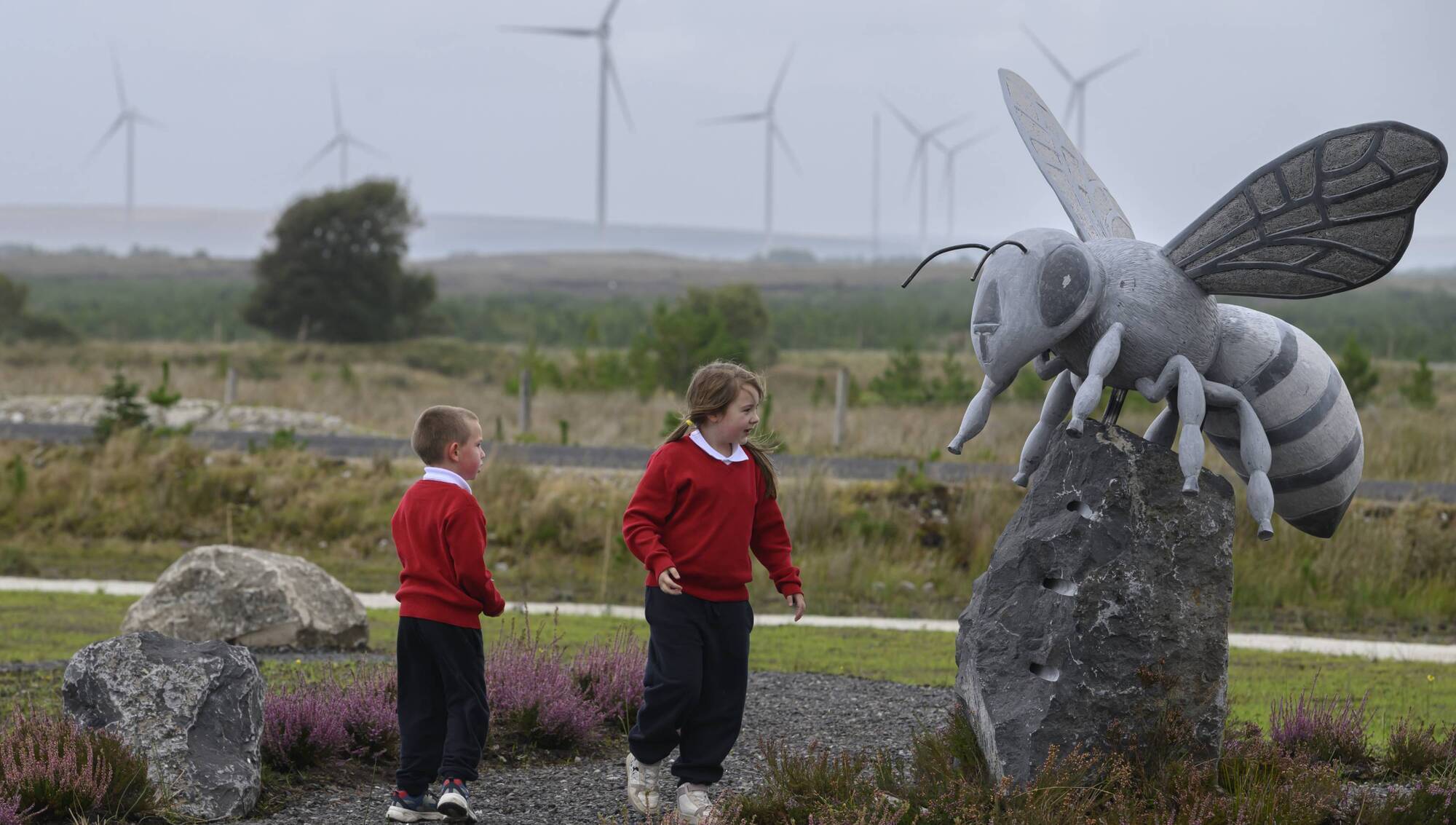
A school tour of Oweninny Wind Farm in Mayo. The facility is a wider pipeline of BnM's wind, solar and storage projects across the country. Pic: Michael McLaughlin
Ireland has one of Europe’s strongest renewable energy resources on its doorstep. Wind is abundant, homegrown and already playing an important role in how we power homes, businesses and communities across the country.
The case for developing more wind energy is often discussed in the context of climate targets. But its value goes much further than that. Increasing the amount of renewable electricity on the system can reduce Ireland’s exposure to imported fossil fuels, help put downward pressure on wholesale electricity prices and strengthen the security of our energy supply.
That matters for consumers, businesses and the wider economy.
The relationship between wind generation and wholesale electricity prices is becoming increasingly clear. On the highest-wind days in May 2026, average wholesale electricity prices were approximately €117/MWh, compared with around €178/MWh on days when the electricity system was more heavily reliant on imported fossil fuels.
Wholesale electricity prices do not translate directly into household bills, and many different factors ultimately determine what consumers pay. However, the principle is simple. When more low-cost renewable electricity is available, Ireland has less need for electricity generated using imported fuels.
Over time, increasing the proportion of renewable electricity on the system can therefore help reduce Ireland’s exposure to volatile international energy markets and support a more affordable energy system.
For BnM, this transition is already well underway. BnM has been part of Ireland’s energy story for generations. Today, the business is building on that legacy as a renewable energy leader, focused on helping to power Ireland’s net-zero future and supporting the development of a more secure, resilient and independent energy system.
The scale of that transition is significant. BnM now has a sustainable energy portfolio of approximately 1GW and is advancing a 6.5GW renewable energy pipeline across wind, solar, battery storage, biomass and flexible back-up capacity.
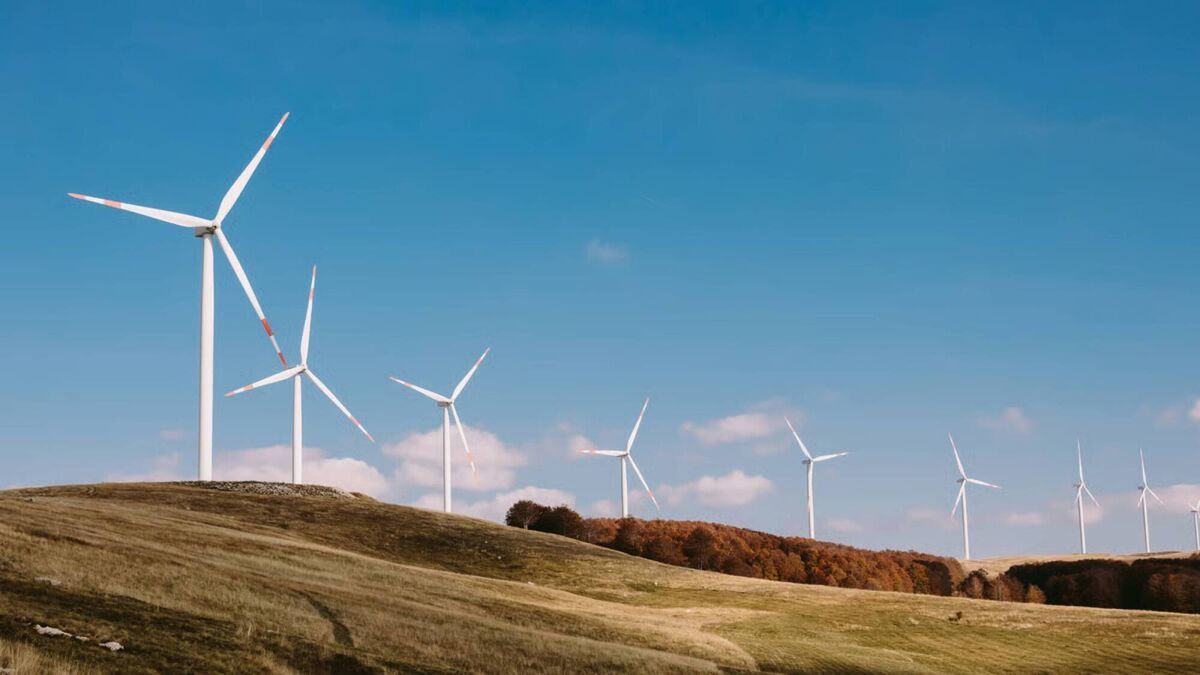
That ambition is already being translated into delivery across BnM’s renewable portfolio. The 126MW Derrinlough Wind Farm in Co. Offaly is one recent example, alongside the continued development of Oweninny Wind Farm in Mayo and a wider pipeline of wind, solar and storage projects across the country.
These projects are important not only because they add renewable electricity to the system, but because they help reduce Ireland’s reliance on imported energy. Ireland cannot control the international price of gas, nor can it fully insulate itself from geopolitical events that affect global energy markets. What it can do is reduce its exposure to those risks.
Every additional unit of electricity generated from Irish wind is electricity that does not have to rely on an imported fuel. That makes renewable investment an important part of Ireland’s energy security as well as its climate response. However, generating more renewable electricity is only one part of the challenge.
Ireland must also ensure that the electricity grid and supporting infrastructure can make full use of the renewable power being produced. Wind Energy Ireland estimated that around 15% of available wind power was lost during the first half of 2026 because the electricity system could not accommodate it.
That highlights the importance of investment not only in renewable generation, but also in grid capacity, battery storage and other flexible technologies. This is reflected in BnM’s wider Energy Park strategy, which is focused on bringing renewable generation, storage, grid infrastructure and major energy demand together in an integrated way.
The next phase of Ireland’s energy transition must therefore focus on both sides of the equation: producing more renewable electricity and building the infrastructure needed to connect, store and use it effectively.
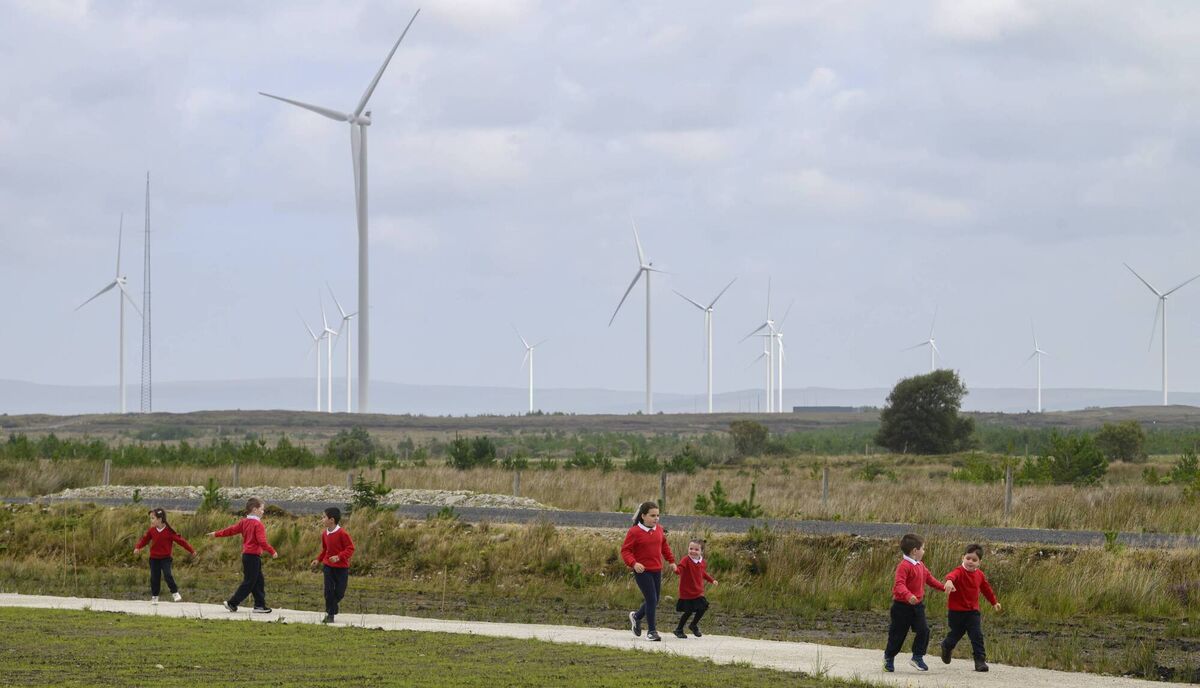
Ireland cannot control global gas prices. But it can control how dependent its energy system is on them. The wind that crosses Ireland every day is a resource we do not have to import and one whose cost is not determined by events thousands of kilometres away.
By continuing to invest in renewable generation and the infrastructure needed to support it, Ireland can turn that natural advantage into a lasting economic one, delivering cleaner electricity, strengthening energy security and helping to put sustained downward pressure on energy costs over time.
For BnM, the focus is on turning renewable ambition into practical delivery and creating long-term value for Ireland.