EU pauses climate directive, giving firms time to prepare
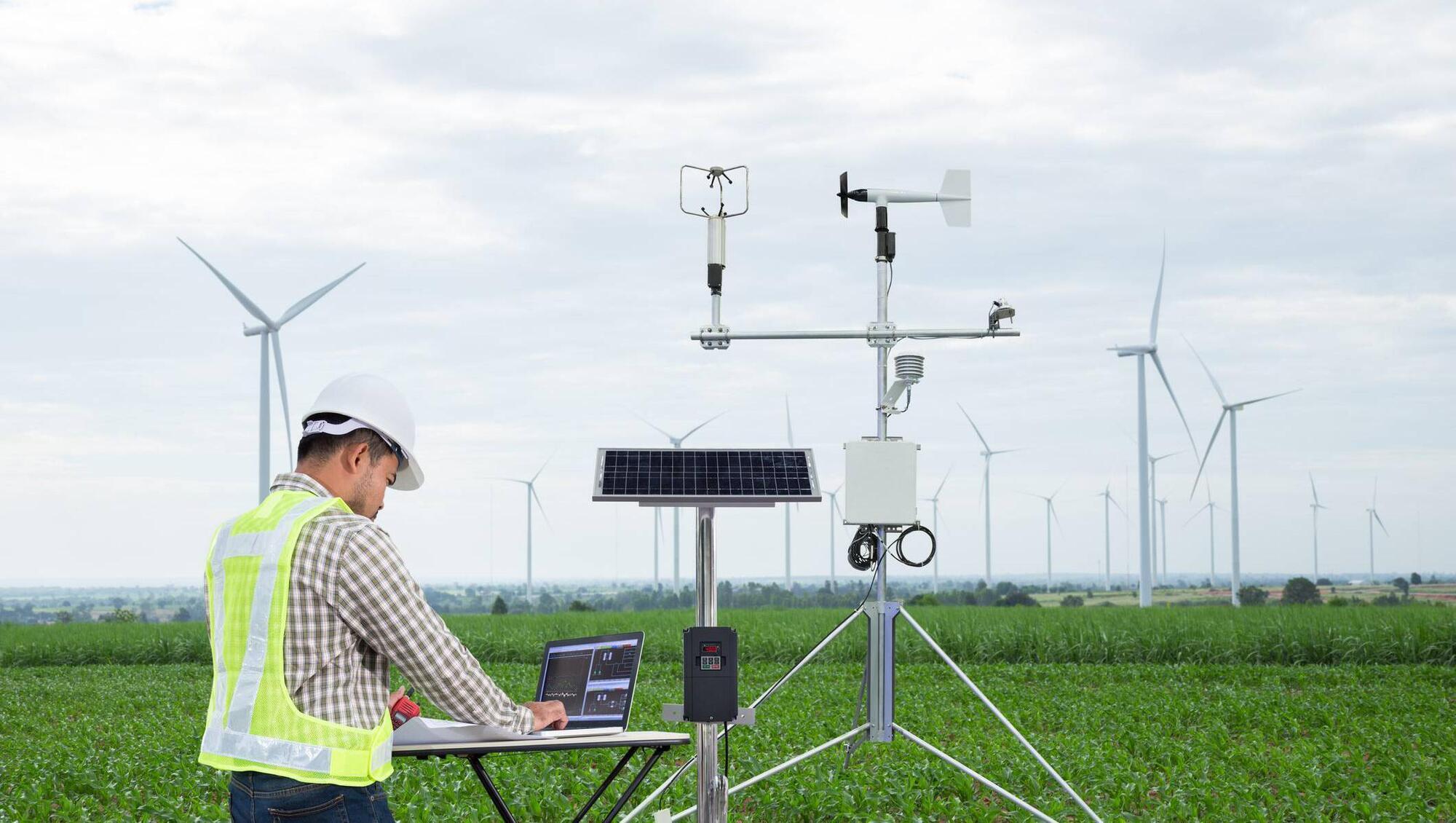
The European Commission has eased pressure on small companies by postponing by two years the effective dates of the existing reporting requirements under the Corporate Sustainability Reporting Directive (CSRD).
Relief may have washed over some firms as the European Commission delayed a key directive under the EU's Green Deal, as costs mount for sustainability reporting and due diligence requirements for smaller companies.
At the end of February, the European Commission decided to postpone by two years the effective dates of the existing reporting requirements under the Corporate Sustainability Reporting Directive (CSRD).
“What was a real worry for us was that while the CSRD’s intended target was large companies, the fact that large companies have dived through their supply chain to identify where their emissions were coming from all of their inputs, meant that small businesses were getting dragged into that whole regulation requirement,” said Ian Talbot, chief executive of business representative group Chambers Ireland.
Mr Talbot cautioned that companies were spending more time and money on reporting what they were doing, but this cost “may actually take away from the money available to progress matters.”
The directive was created to make it compulsory for large firms to report their environmental, social and governance standards to show proof of viability to investors and customers.
The Commission also reduced the number of companies on the hook to comply with the CSRD. Initially, a firm would have to employ at least 250 staff to be subject to the compliance, however, under the recent changes, a firm must now have at least 1,000 employees on average on their balance sheets.
Small and medium-sized companies that fit within the supply chain operations of larger companies will have to get their house in order, in terms of emissions reporting to comply with EU mandatory sustainability regulations as well.

In an effort to make their operations more sustainable, many firms have opted to install solar panels or take other green measures. However, this may require planning permission in some cases and the planning system has long been a thorn in the side of Ireland’s sustainability industry.
“Once they need planning permission for something, the danger is that they’re going to need to spend a significant amount of capital upfront just to go through the planning process and then there is a waiting game,” Mr Talbot said, echoing concerns shared by many that chronic delays in the planning system is delaying climate action progress.
“The smaller the business, the harder it becomes to achieve these things if planning is required,” he said.
Economic volatility may also increase hesitation among firms to invest in sustainable measures, warned Mr Talbot.
“There is a concern that the threat of a tariff war could increase the cost of renewable solutions such as solar panels. So it’s a very strange time,” he said.
Mr Talbot is aware some firms are using grants and capital available from The Sustainable Energy Authority of Ireland and banks to implement greener practices.
“I think most businesses see the opportunities to save costs, be more efficient and do the right thing,” he said.
Meanwhile, professional services firm PwC’s 2025 CEO survey found that 29% of Irish business leaders admitted to not having made climate-friendly investments in the last 12 months.
“Challenges remain around initiating climate-related investments,” said Rob Costello, partner at PwC Ireland, The survey also showed regulatory complexity was a leading obstacle to using investments for climate action among Irish chief executives. This was followed by lower returns for climate-friendly investments, lack of finance and a lack of buy-in from the management team.
However, there is a commitment to the carbon transition among company bosses as 30% who participated in the survey accepted a lower rate of return for climate-friendly investments in the last 12 months compared to other investments. In addition, 40% confirmed that a proportion of their personal incentive compensation is determined by sustainability metrics.
“The data suggests that the more CEO compensation is linked to sustainability, the more revenue is likely to come from climate-friendly investments,” said Mr Costello.
In general, Mr Costello said there is an increasing focus on accelerating investment in decarbonisation measures and into the development and commercialisation of new clean technologies, both at EU level and in Ireland.
“This is needed to boost competitiveness, create new green jobs in Ireland, improve energy security and independence and establish Ireland as an attractive hub for foreign direct investment,” he said.
Tax incentives have been used to achieve this aim and Mr Costello said that while there is evidence in the market that Irish companies availing of tax incentives and accessing grant funding to support investment in the clean transition, “more can be done”.
“Going forward, it will be important for Ireland to access its fair share of EU funding opportunities and to proactively consider strategic tax policy changes to encourage faster decarbonisation of the Irish economy and position Ireland as a clean tech innovation leader,” he said.
Mr Costello said PwC is experiencing an increase in inbound calls from multinantionals and renewable energy generators in relation to Corporate Power Purchase Agreements (cPPAs). These agreements are often used by tech firms including Google, which allows it to use a renewable energy source such as a wind farm in Ireland to power its huge electricity consumption.
“Despite the challenges, Ireland possesses significant advantages that can be leveraged to accelerate its energy transition,” said Mr Costello.
“The country’s exceptional wind resources, particularly offshore, position it favourably for renewable energy development once planning and grid barriers are addressed,” he added.
Elsewhere, the Irish transport industry, which is one of the largest emitters of greenhouse gases has made inroads on climate action.
Earlier this year, FTA Ireland (FTAI), the organisation which represents the interests of logistics businesses responsible for moving goods across the country and overseas, was approved as an HGV Eco Driving Training Provider.
“For fleet operators, the training programme offers so many benefits, from improved road safety and reduced maintenance costs, but most important are the environmental benefits it will bring to operators and their customers,” said Aidan Flynn, when he was still the FTAI's chief executive; he recently changed jobs and is now director of advocacy and public affairs at Insurance Ireland.
“While the industry’s ultimate aim is to transition smoothly to zero emissions via alternative fuels and new vehicles, this new programme will enable operators to take the first step in changing behaviours, while reducing costs and increasing operational efficiencies,” he added.