Why wildlife guardian Jim Wilson is hooked on nature
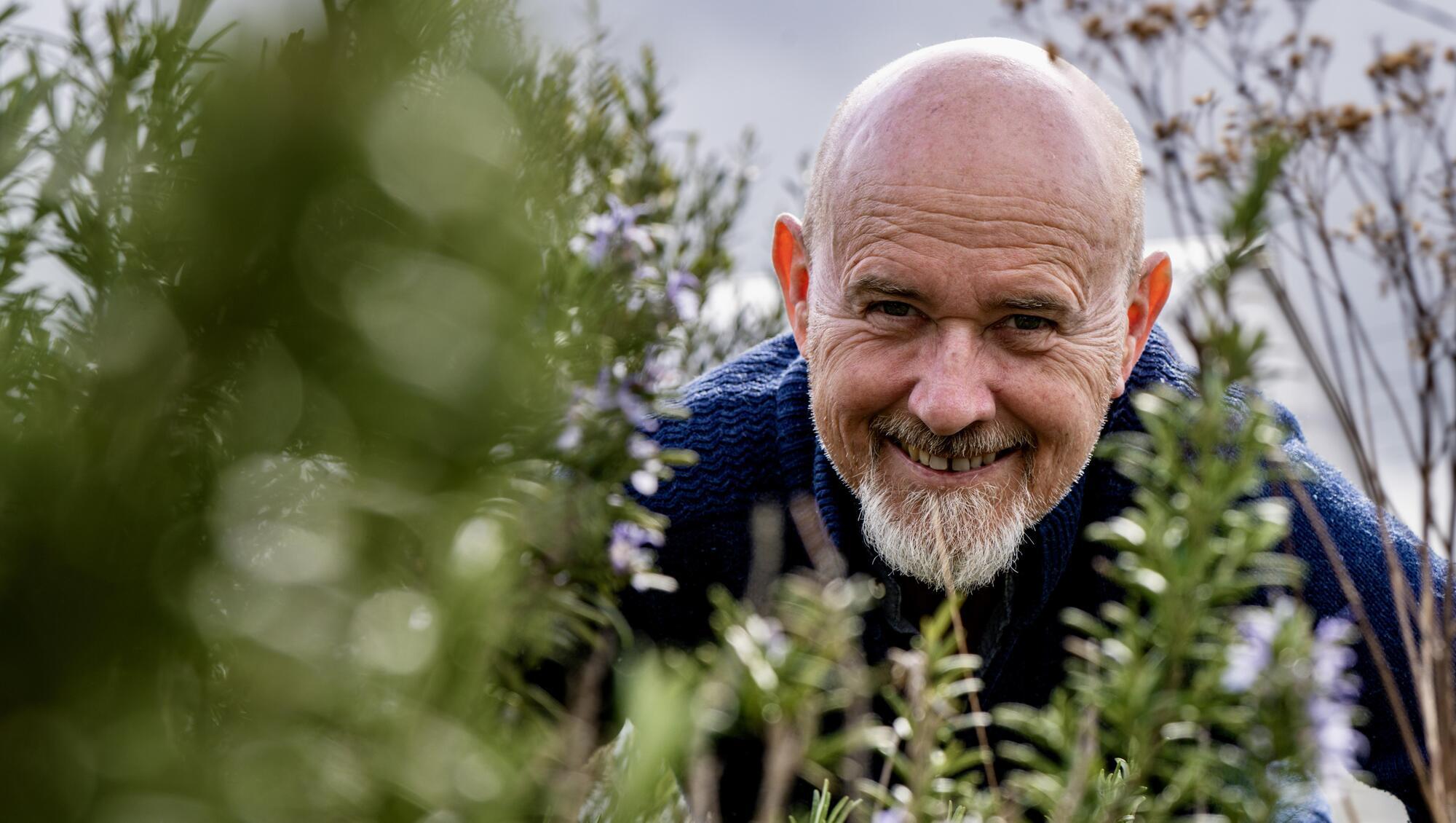
Jim Wilson peers through the blooming lavender in his Cobh garden at Blathan, where bees are already busy making the most of the late spring bounty. His garden is a carefully nurtured microhabitat for both pollinators and native species. Picture Chani Anderson
As the natural world threatens to fade into the background of modernity, Jim Wilson says we all need to “just stop and listen”.
Having spent decades studying wildlife, Jim Wilson, a local ornithologist, author, and educator, shares how growing up in Cobh in the east of Cork helped spawn his love of all things nature, how we can all bring more of it into our lives, and the increasing importance of conservation.
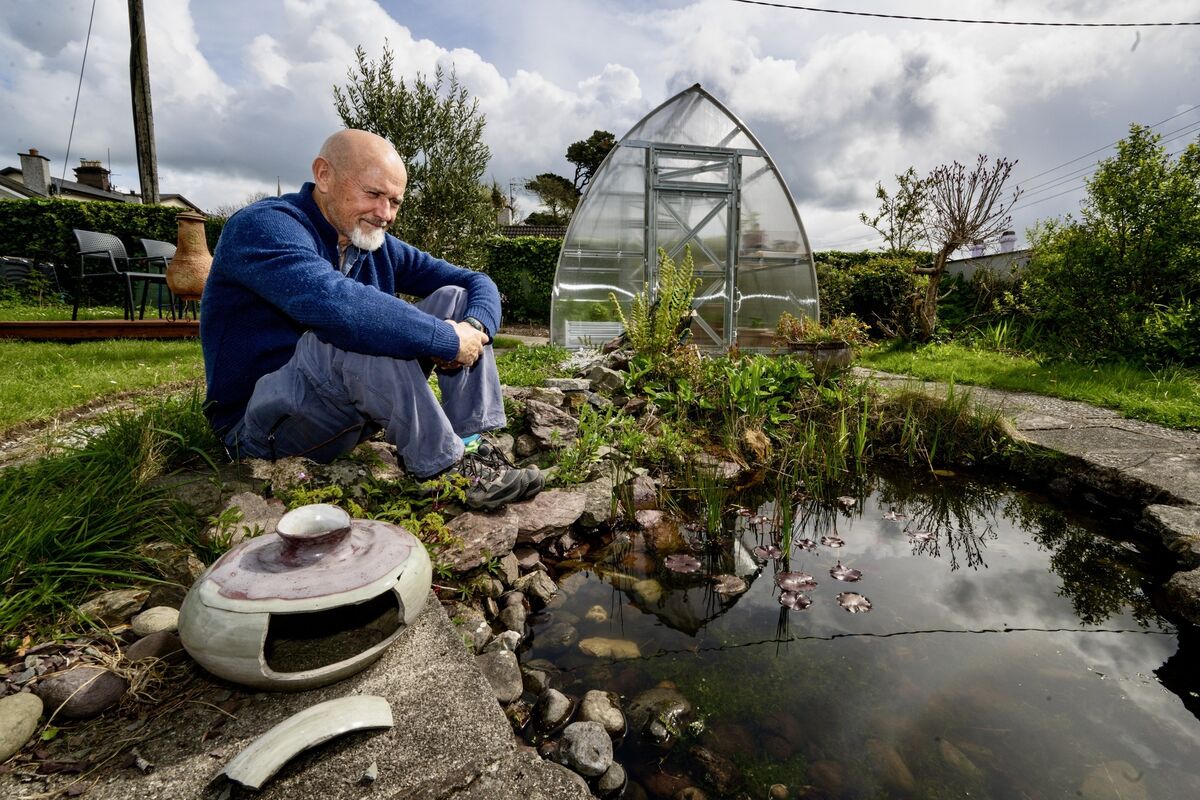
“You’re influenced by what you see. Where I grew up my bedroom overlooked the harbour. I grew up in the centre of the town, so that was a natural draw.
“Being in a relatively small town, you’re out in the countryside very quickly. I would have spent my weekends when I was in school out and about across the island, looking at various places. There’s a lovely mosaic of habitats on the island. It allowed me to gain really good experience with birds and wildlife as I grew up.”
Although not every home in the country has a garden, he is living proof that that is no excuse. Just like the nature he describes, he found a way despite the odds.
“Growing up, we didn’t have a garden in our house, the only grass grew out of the gutter on the roof! But that didn’t stop me, I put up a bird feeder in trees over 100 metres away, and I used binoculars and a telescope to watch my garden birds.”
Spending so much time inside or in urban areas, it can be easy to feel like there is a barrier between us and nature. Keeping a keen eye to your surroundings will tell you otherwise, as Jim reminds us that there is wildlife everywhere.
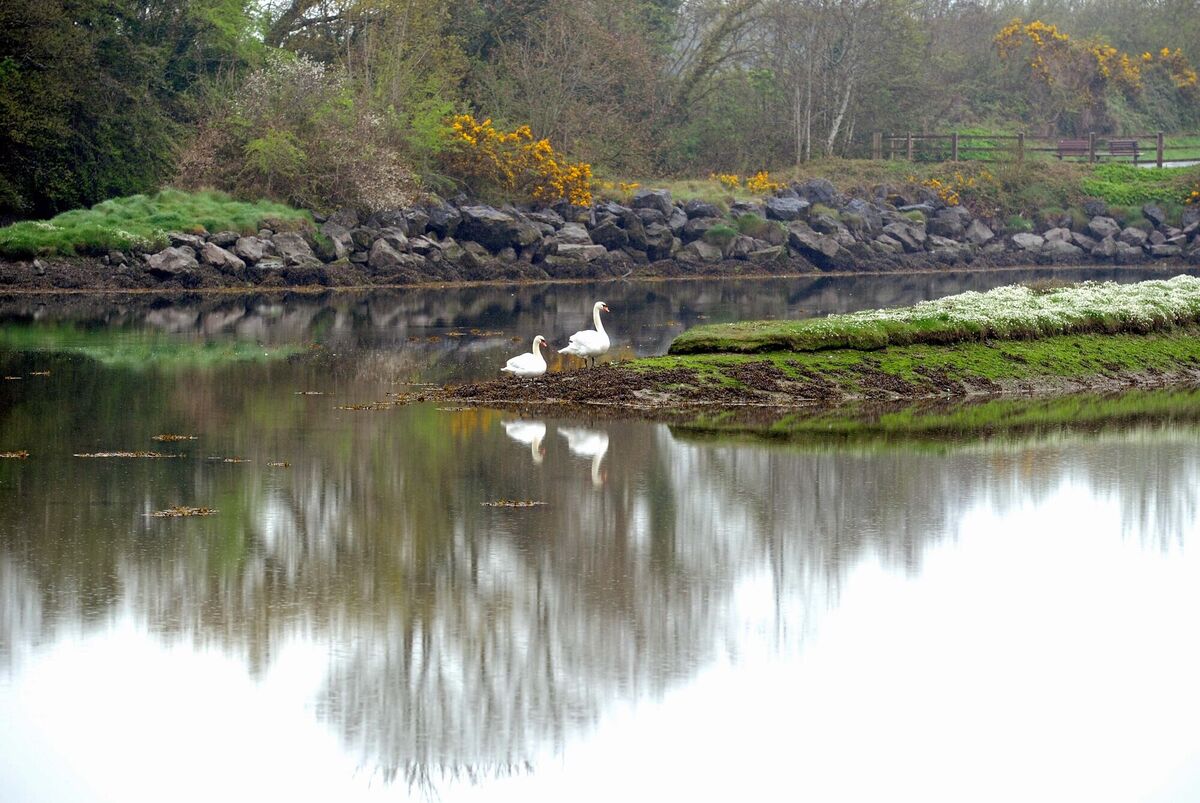
“Everything from lichens growing on the limestone of bridges and the otters in the River Lee — sometimes there are common seals! There’s plenty of birds, herons and gulls. Even walking down Patrick’s Street you get wagtails, rooks, and jackdaws and on the rooves, you might get lesser black-backed gulls.
“I started looking at macro-photography here in my garden and I started seeing stuff and thought 'wow! This must be rare!' and by the end of the summer, I was kicking them out of the way! They were always there; I just never took the time to look for them.”
Throughout our talk, Jim continuously highlighted the importance of wildlife education. When Jim isn’t working on the Harper’s Island Nature Reserve or writing books on the many birds of Ireland, he is prompting people to learn about wildlife in whatever way they can.
“That’s what I would encourage people to do, get a little book on flowers or something like that, because, unlike the birds they don’t fly away! The more you learn nature the more you appreciate it.
“I think a lot of the damage we have done to the environment is just through lack of appreciation. It is an ignorance through lack of education.”
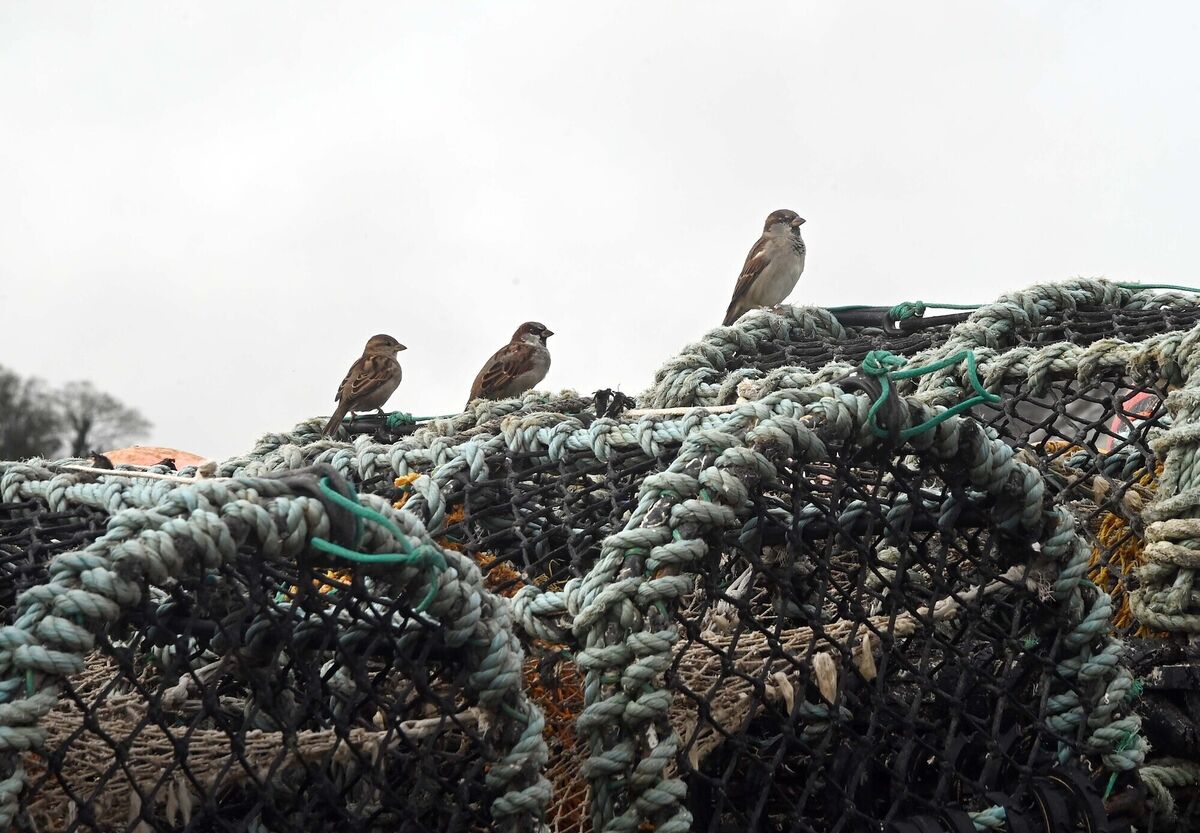
We’re entering one of the best parts of the year for enjoying nature. It's spring migration time, and he has some suggestions to share for would-be birdwatchers.
“You don’t have to do it at dawn! Although it is amazing if you get out there at four o clock just as it is getting bright. There is an evening chorus as well as a dawn chorus everyone would be glad to know.
“Definitely go to a woodland. Most people know of a little woodland close by, but if they don’t there is Currabinny Woods down near Crosshaven, Ballyannan Woods near Midleton or Glenbower Woods at Killeagh, just off the top of my head. If you go there in the middle of the day, there are usually done their singing, so you do have to make the effort to get up, even if it is just seven or eight o'clock in the morning.
“I think the estuaries and the wetland areas would be the ones I would show someone if I wanted to show them a spectacle. A high tide roost of shorebirds, either in the harbour or any of the estuaries from here to the border up in Youghal.”
Where we grow up has a huge impact on our lives, more than just our exposure to nature, a few things stood out to him about growing up in Cobh.
“I think growing up in East Cork what was special to me was the compactness of it. I live in Cobh, the railway station is five minutes away, in a half hour I can be at an airport, or I can be on a beach and be the only one there. I can have the town, I can have the country and all without major effort, it’s all there.
“Come July or August a lot of the birds will be coming back from their breeding season further north and the numbers we get in East Cork, the sheer volume and variety of wetland birds or shorebirds is phenomenal.”
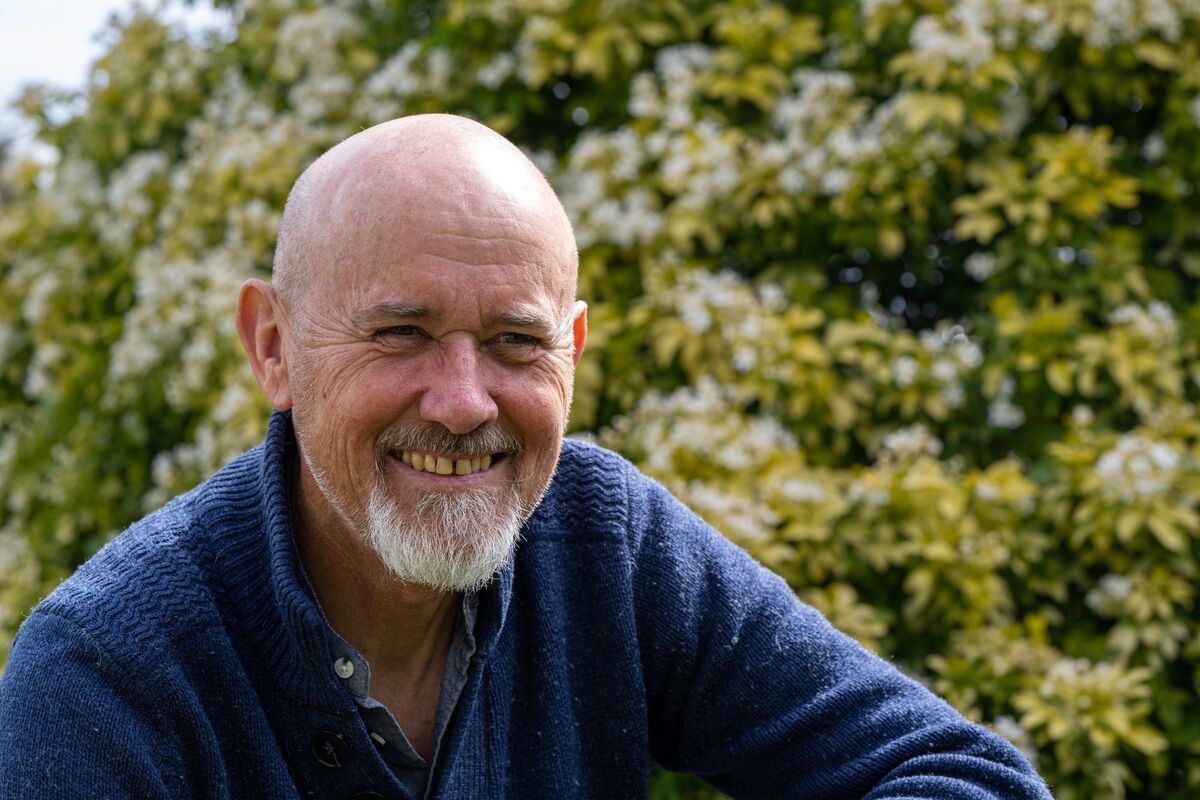
People like Jim make you see just how much growing up surrounded by nature can shape someone’s life. His wide-ranging efforts and stewardship to the natural environment shows clearly that his passion knows no bounds.
“Unlike other parts of Europe and the world, we still have a lot of nice wildlife habitat left. Let’s hope we can hold onto that into the future.”