New Homes: Housing is up, as are prices and rents
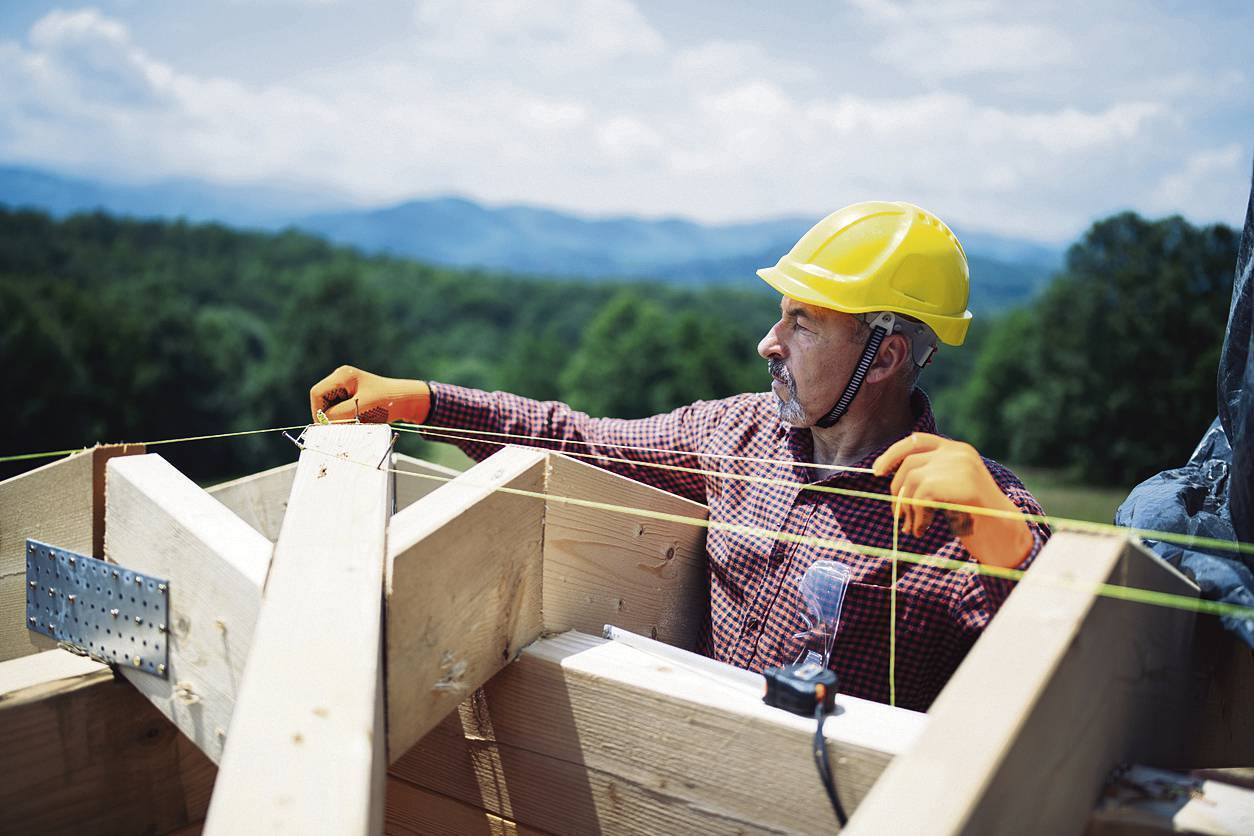
The Irish workforce is on the up, but the country needs to import labour on a considerable scale, people with skills in the construction of new homes.
Hitting targets for housing is like chasing after a moving target, or as it seems at times, a runaway bus, full to the brim, full of fuel yet not knowing where the stops are.
On so many fronts (and, this is not a political slogan) things are on the up, and up.
For all of its faults, Ireland has a robust economy, and unusually for a big change, there is no shortage of money; quite the opposite in fact, notwithstanding Apple’s €13bn tax revenue: thanks, Hollyhill.
Housing output is up, up to 40,000 units across all tenure types are due for completion this year.
But, prices and rents too are also up, up and away.
Just before the start of covid, it appeared prices for property here were starting to level off, and possibly at a quite sane and sustainable level too. Then, instead of collapsing as initial forecasts had suggested might happen, instead they took off with fresh wind in sales, not just in Ireland, but also internationally.
Interest rates are up, but at least have stopped their upward trajectory and the first tentative decreases are starting to trickle out from a very cautious ECB.
The population is on the increase too, having gone over 5 million in the past year or so, and going up, upwards, thanks to returning emigrants (marginally ahead of the numbers leaving, many ironically because of housing issues, and rents,) and immigration.
Population-wise, we grew in numbers by 9% between 2016 and 2022 according to the Central Statistics Office (CSO), or an annual rate of 1.5% per annum, and in following year. 2023, possibly at an even higher rate of c 1.9%.
A report in mid-summer from international property agency Savills showed that for every new housing unit being provided since 2015 the population had risen by a factor of almost four, at 3.8.
Savills surveyed nine countries, of which Ireland was the outlier, with the worst/biggest gap emerging, over 80% greater than the UK’s (where there’s also a housing crisis:) the figure across the water is 2.1 per unit, and ours at 3.8 is exactly double that of Australia’s 1.9.
While acknowledging that Ireland is not alone in facing shortages of homes for its population “the severity of Ireland’s housing shortage is on a different level to others,” they noted.
The Irish workforce is on the up and up too — we need to import labour on a considerable scale to fill vital jobs, be it in health care, nursing homes, tech, finance, hospitality, and the broader service sector and, as urgently, for construction/home buildings.
Thankfully, the post-Covid slowdown in office construction has allowed skilled workers be deployed to apartment and house building, as well as to the retrofit sector with which it competes, with the sector currently employing c 165,000 persons.
Once again, we are importing people to build houses who have their own housing need while here, and even attracting skills from overseas is problematic thanks to the widely-acknowledge housing shortage, the cost of living and rents here, and the wage competitiveness of other thriving countries, eg Poland.
Labour force surveys show employment up 2.3 in the first half of 2024 over the same period in 2023 and while there are some sectoral shocks and headline-making jobs losses and layoffs, e.g. in tech, there are other compensating new arrivals and company expansions, both in tech and in pharma.
While the economy booms at a rate of 5% growth in 2023, and overall workforce growth has been 3.3% with some 90,000 new jobs created (predominantly to third-level graduates) of which 50,000 was filled by new arrivals, there are obvious stresses and growing pain strains on the wider society, in terms of services such as health/GPs, schools and, or course, housing provision.
Economist John FitzGerald has argued that if the housing supply issue isn’t successfully addressed “then the only alternative is to slow down the pace of economic growth”.
Ever-escalating house prices will ultimately curtal economic growth, if workers can’t come here because there aren’t enough roofs to put over heads.
FitzGerald has argued for Budget 2025 caution rather than giveaways and counsels investment should be made in long-term infrastructure, with several creaking points, including energy supply and provenance.
In advance of the budget, Finance Minister Jack Chambers within in the past week has indicated he’s setting an additional €3bn aside for infrastructure spending in areas like housing , water and energy. The money will come in the main from the sale of AIB, the Minister indicated in a pre-budget announcement.
Ah, the banks? Sure, we’re only getting some of our own money back so?