Council sharpens its focus on County Cork climate change plan
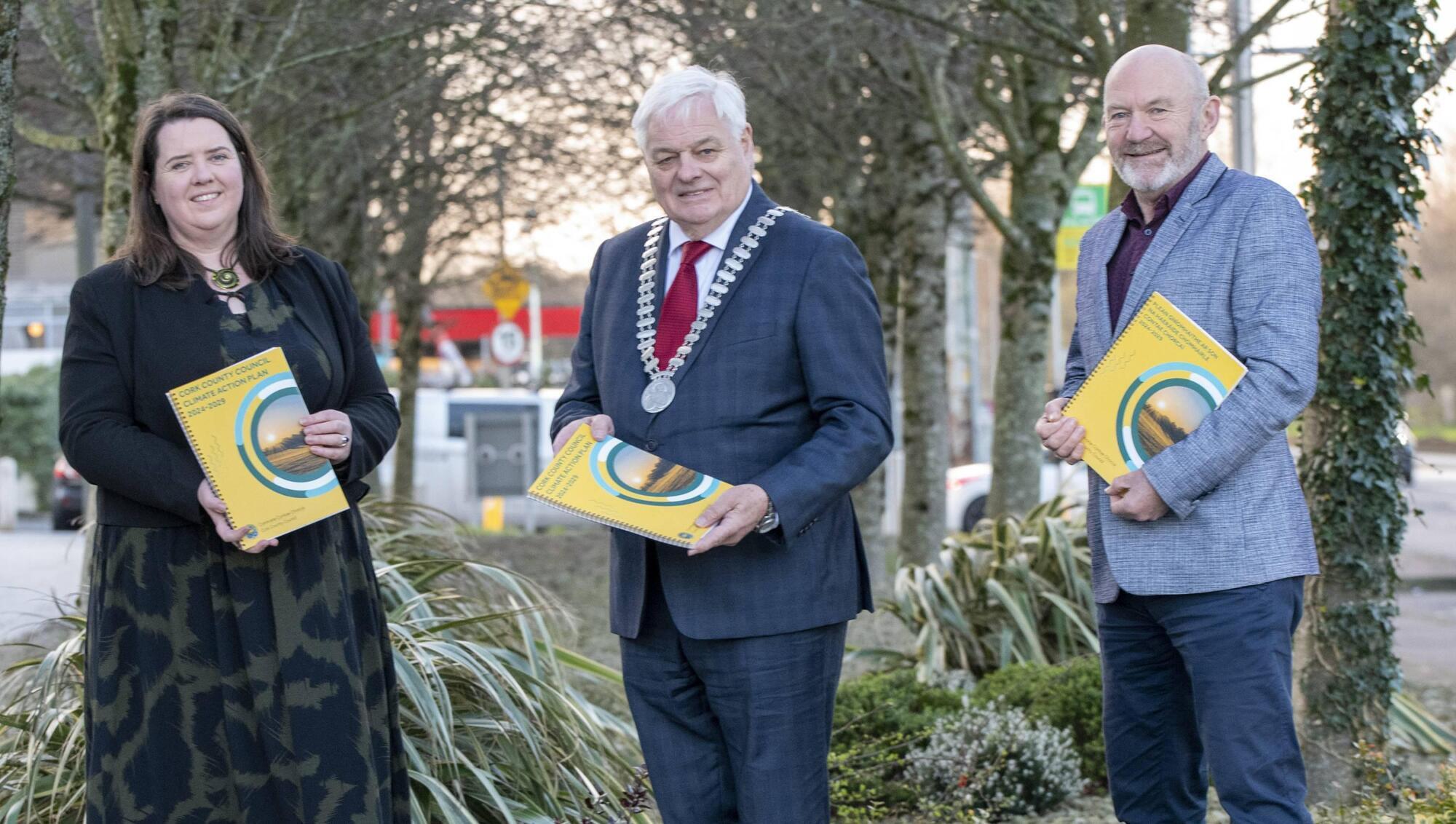
Loraine Lynch, divisional manager, Cork County Council; Cllr Frank O’Flynn, Mayor of the County of Cork; Louis Duffy, director of services for Environment, Cork County Council, launching the Council’s Climate Action Plan 2024-29, detailing how it will work with communities and agencies to advocate for meaningful climate action at a local level. To view the plan, see: www.corkcoco.ie.
A major plan is being enacted by the county council to get the youngest to the oldest in the region onboard with even the smallest of actions to help reduce the damage caused by Climate Change, which has already had a huge impact on the region.
Hundreds of millions of euro have already been spent in the county on flood defences and as climatologists and council engineers predict increasing deluges and resultant damage to more communities, so addressing the issue has become even more urgent.
Costly flood defence systems have already been completed along the River Blackwater to protect the towns of Mallow and Fermoy and they have proved very effective.
They were the first major projects of their kind to be undertaken in the county, followed by similar flood prevention schemes in Bandon, Skibbereen and Clonakilty.
Bantry is in the process of getting one, especially as it has been repeatedly battered by coastal flooding and the €20m scheme to protect the Glanmire is currently ongoing.
Meanwhile, Midleton, which was almost swamped during last October’s Storm Babet, may be some time waiting for similar defences, especially when it took 12 years for them to get underway in Glanmire.
Projected increased rainfall is only going to make matters worse, along with more storms causing additional damage with high winds. This is also contributing to noticeable coastal erosion.
The combination will cause damage to areas never been impacted before in the county, including vital infrastructure such as roads and bridges.
Every little helps in reducing this by incorporating Climate Action into everything we do. Large capital projects are great, but slow to deliver.
Louis Duffy, who is in charge of the council’s Environment Directorate, said if we can we must avoid building in areas that are prone to flooding and find ways of slowing down the water in our rivers that ‘overtop’ their banks in our towns and onto roads.
“Natural flood relief schemes are being used in many countries to ensure that when intense rain falls in upland areas it can be directed into forests and poor quality lands to reduce the risk of inundation in our developed areas. New housing estates are being designed to hold high-intensity rainfall ensuring that even in storm conditions the amount of water leaving the site is no greater than it was before the development. Road drain-age must also incorporate ways of slowing flood waters down,” Mr Duffy said.
He said that every step taken by individuals and communities will also make a difference.
“By incorporating flood water storage in our public realm and by ensuring that all of our new projects take into account climate change, we will all move along the path to resilience,” he said.
Mr Duffy said local authority’s reaction to increased likelihood of ‘weather damage’ is a risk-based approach which will endeavour to protect and prepare our communities, business and our infrastructure.
“We will look at where the greatest threats lie and deal with these through best practice in ongoing maintenance, such as keeping rivers and drains clear of blockages that would increase the risk to persons and property. The critical infrastructure that services our communities and business will be assessed and capital projects prepared for government funding that will protect it against the impact of storm events,” he said.
This will include improving drainage, strengthening our roads and bridges along with major flood barrier projects.
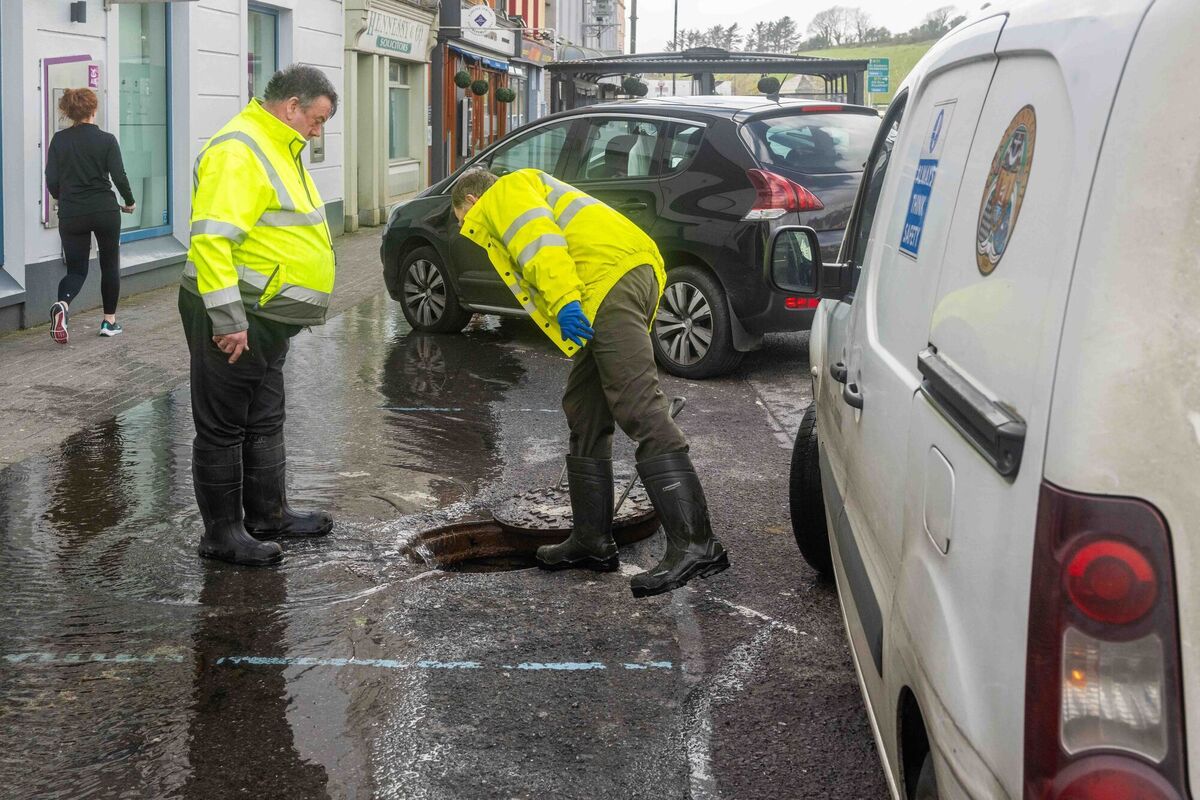
“The impact of climate change is accelerating, and we will not be able to protect everything. We will prioritise and with sufficient government funding to resource and implement required measures, we can deliver an appropriate response to major events,” Mr Duffy said.
He added that we will only slow down the rate of climate change if we reduce our carbon footprint.
“We must look for ways of taking carbon consumption out of our daily lives. Insulating our houses and buildings, reducing our fossil-fueled transport and reducing our general consumption and waste. The Local Government Sector has recently launched its plan for a circular economy which encourages people to avoid over-consumption and waste and aims to increase reuse and repair so that we leave our throwaway society behind us,” Mr Duffy said.
However, it would be remiss of the local authority to ask the public to get its act together if it didn’t move to get its own house in order first.
Updates on the council’s own measures to reduce carbon footprint energy reductions have been postered regularly on the walls and lifts in its headquarters at County Hall in the past couple of years. These go from replacing public lighting with LED to cut one-sixth of our energy use, to retrofitting its building stock to reduce heat loss and lighting energy consumption.
Mr Duffy said the council’s climate action plan deals with a number of different topics.
“Climate Change Mitigation relates to changing how we live, move, consume and manufacture, so as to reduce and, or eliminate the production of harmful greenhouse gases, it also includes how we best use our land. Climate Change Adaptation deals with the impacts of climate change and involves taking practical actions to manage risks, protect communities and strengthen the resili-ence of the economy from flooding, sea level rise etc,” Mr Duffy said.
Meanwhile, the council recently launched a new scheme to minimise single-use plastics in a drive towards a more circular economy.
It will provide schools, community groups, sports clubs and festival organisers with grant-aid, through its Circular Economy Fund, for projects which reduce single-use plastics which pose a significant threat to our environment, contributing to pollution in our oceans and harming wildlife.
By taking proactive steps to eliminate these plastics, the local authority is committed to supporting a cleaner, greener future for the region. The fund aims to support communities to move away from the traditional linear ‘take-make-use-dispose’ model towards more circular living where resources are reused or recycled, reducing wastage.
The fund builds on the successful engagement between the council and communities in recent years, which has seen 35 water refill stations installed in schools and community buildings across the county, as well as mobile hydration stations piloted at events.
With an increasing demand from the public to reduce single use plastics and a desire from communities to act, this fund will support the installation of temporary or permanent water refill stations in schools, community buildings, sports clubs and at festivals, reducing the environmental impacts of single-use plastics.
The council has already received several enquiries about this and is reminding people that they have until 5pm on Thursday, April 25 to apply for funding.
Applications will be accepted online at Circular Economy Fund | Cork County Council ( corkcoco.ie). Only applications addressing the single-use plastics theme will be assessed in the 2024 Fund, but it is the council’s ambition is to focus on a wider range of circular themes in future years.
Council chief executive Valerie O’Sullivan said fostering a culture of reuse can have a significant impact on reducing carbon emissions and positively impacting climate.
“This fund's a good example of practical action we're taking to support communities, while achieving the objectives set out in our recently launched Climate Action Plan,” she said.