Inside Cork’s Hill family architecture legacy: Landmark buildings finally get proper credit
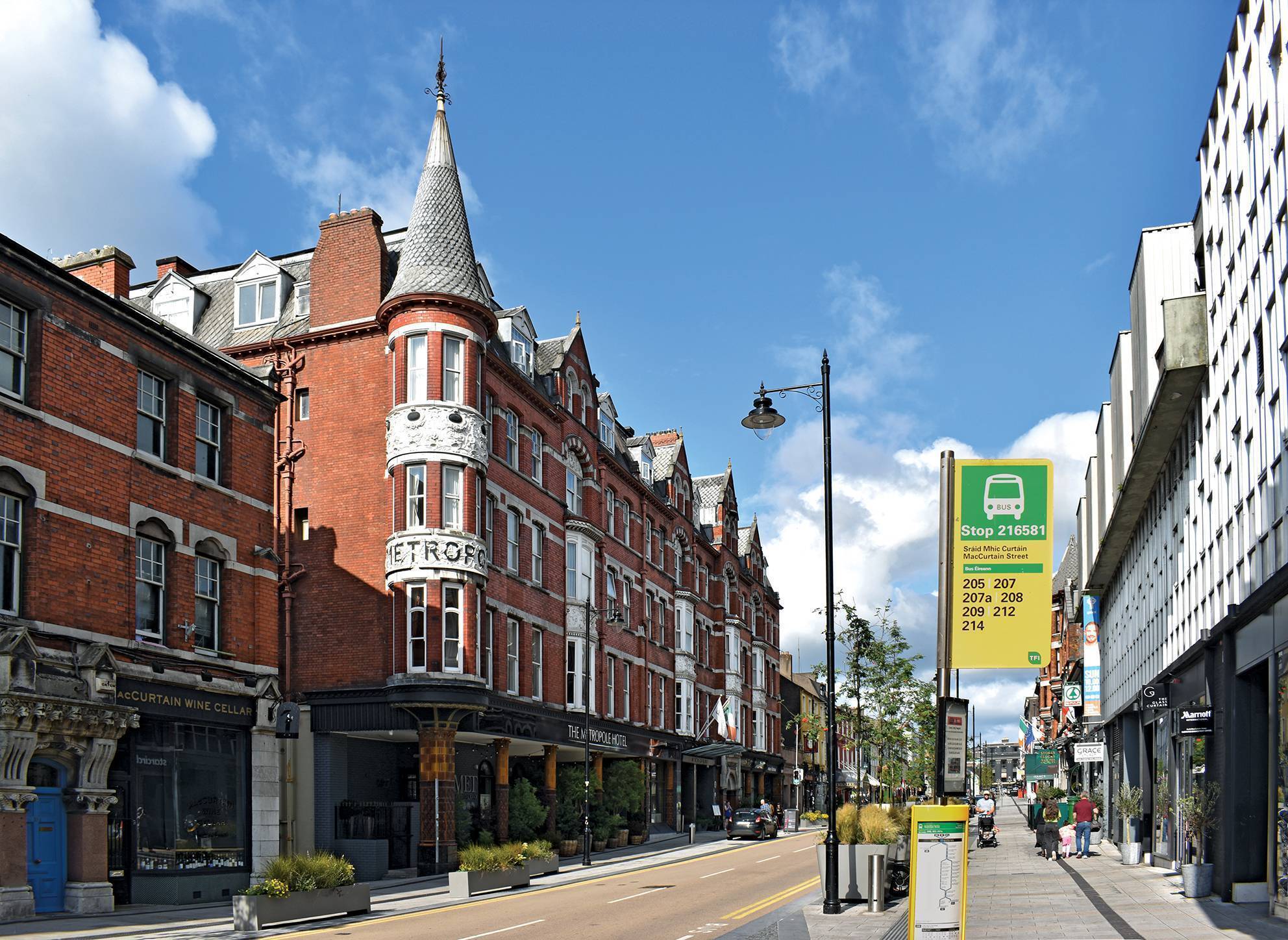
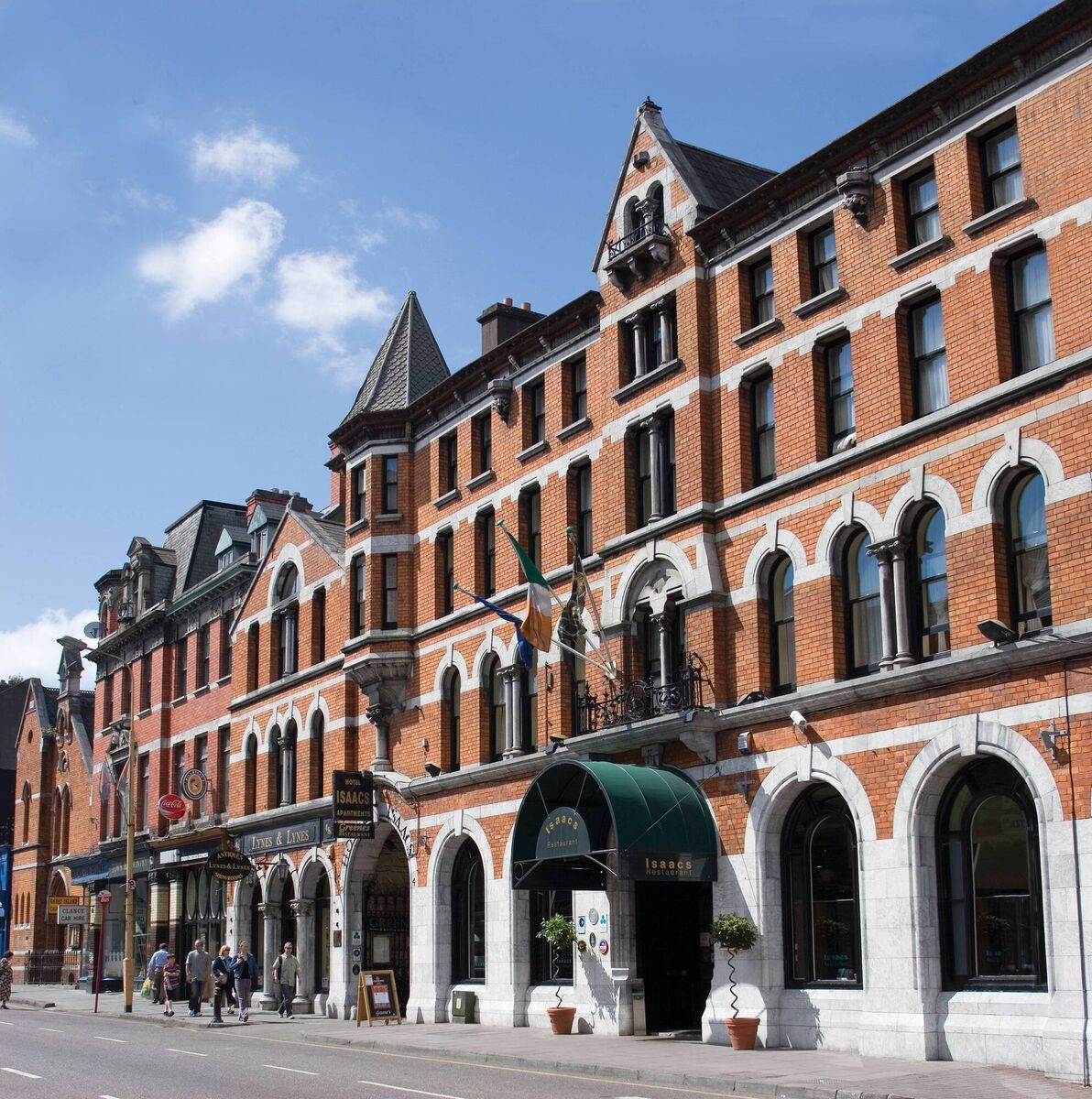
Metropole Hotel by Arthur Hill, who in 1893 noted Cork's new Electric Tramway was to run past its doors. Now, it's on the line of the proposed Cork LUAS
Among the great and the good are Cork’s Hill architectural dynasty. The family’s creative construction output spans three generations and 130 years, but while their buildings are generally admired, they often largely go unattributed, or incorrectly attributed.
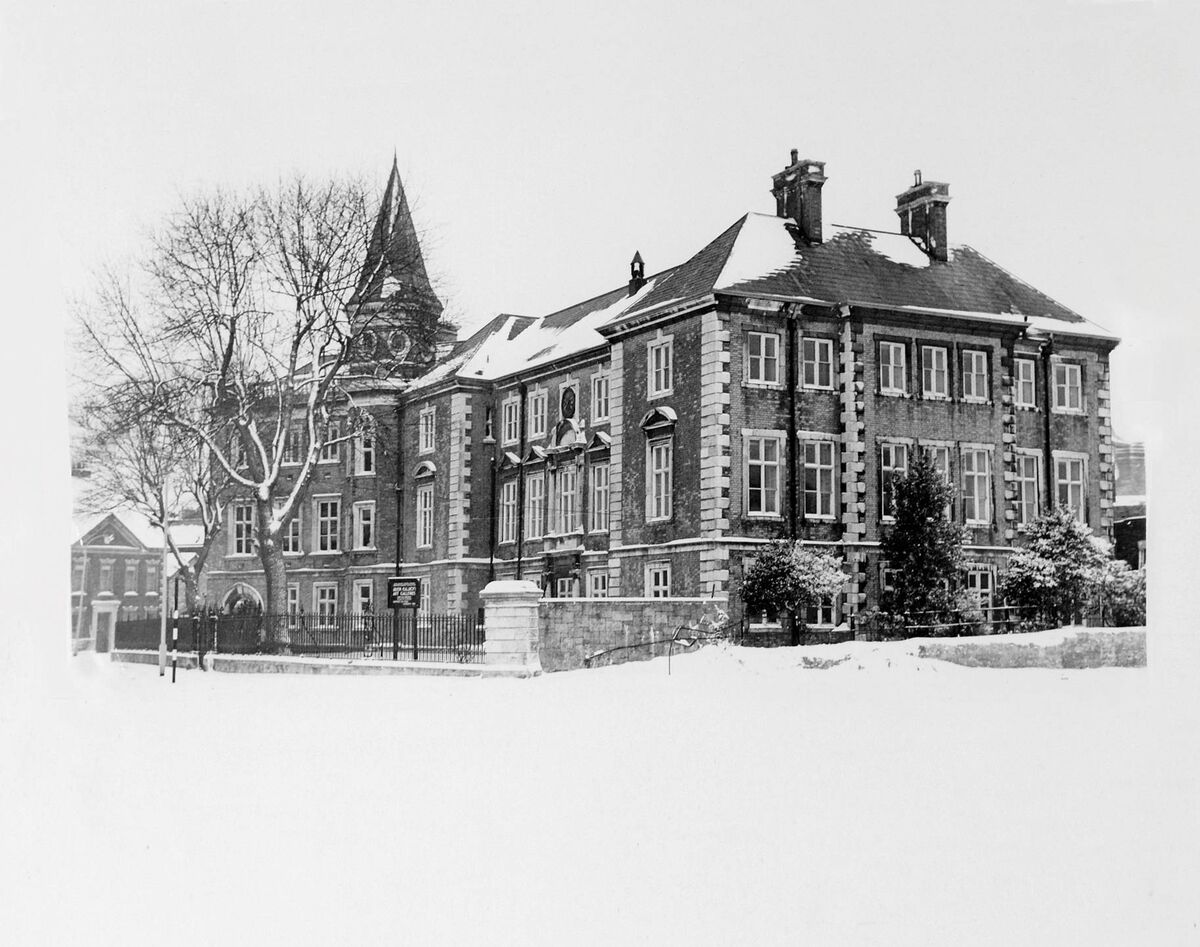
Several times over the years, when the Irish Examiner pages referred to a building’s Hill genesis — be it a bank, a hotel, or a home — a hand-written note would arrive in the Examiner office from Myrtle’s beloved Ballymaloe House, expressing her personal thanks for the acknowledgement and for keeping the HHH name in print.
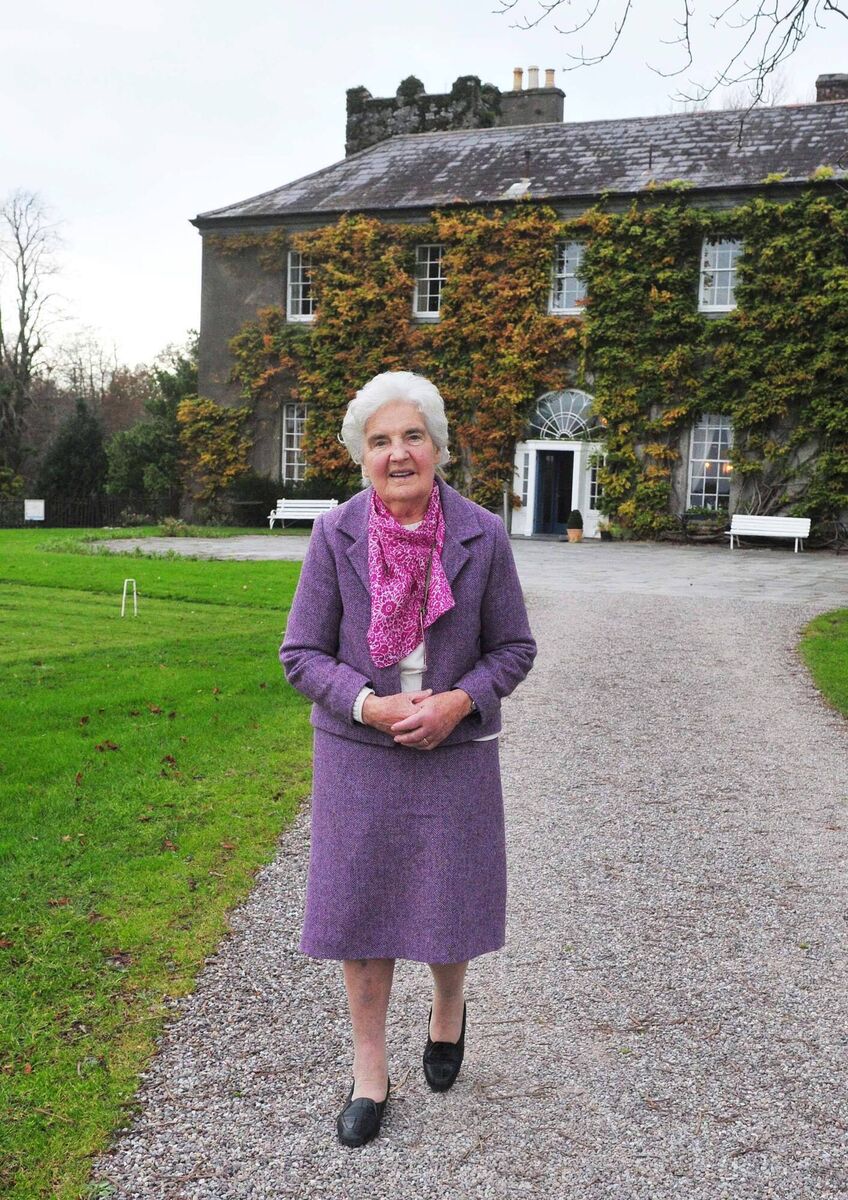
The good news was valuable rebuild commissions for Cork’s architects, including his own practice.
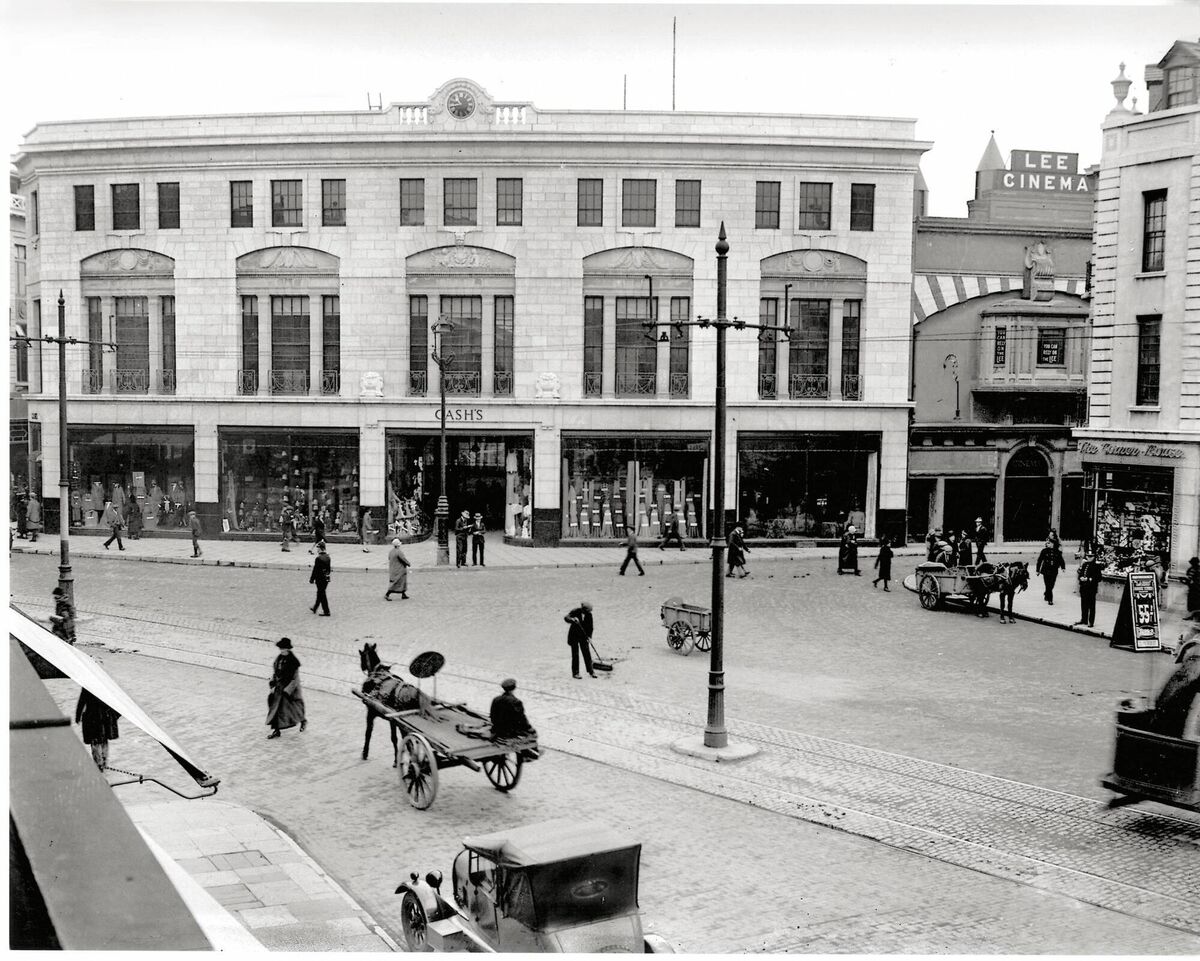
Turns out, HHH got the commission to design Cash’s, now Brown Thomas, and, ironically, it was news to this reporter to discover that Hill also designed the façade of 95 Patrick St, the former offices of the Cork Examiner, with three generations of my own family having worked inside the same Patrick St/Academy St building. Didn’t ever know who to thank for its peculiar cocoon. I do now, albeit a bit late in the day.
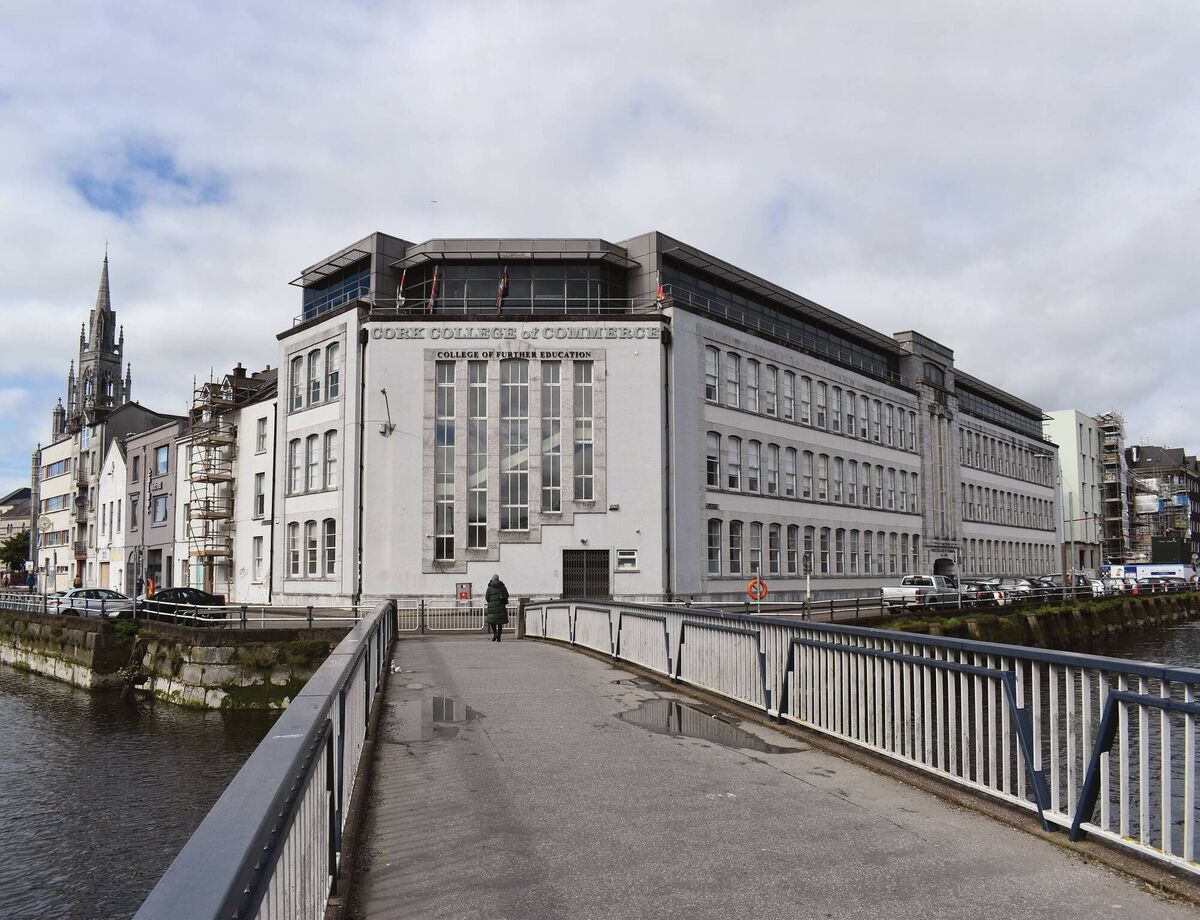
Other buildings of HHH’s output include the Coliseum, the Arcadia, the School of Commerce, and AIB at 63-66 South Mall, that neo-classical bastion of banking, which he had worked on with his father, Arthur Hill, and with its vast central banking hall dome.
On the other, a Henry Hill; an Arthur Hill, and his son, Henry Houghton Hill.
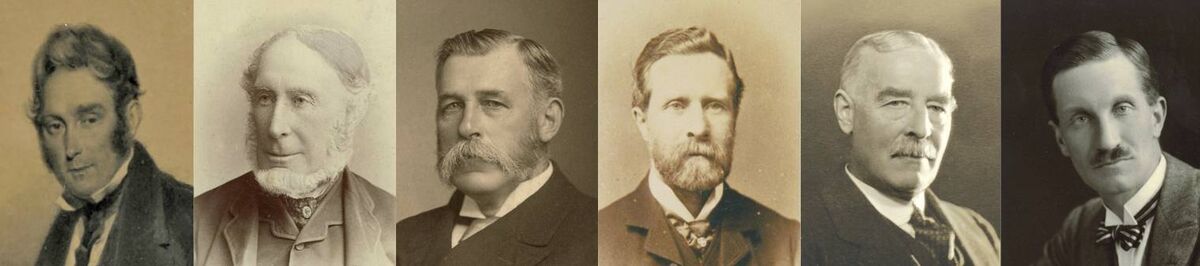
Interestingly, HHH was the only one of six architects in the clan to receive formal training in the profession, getting a RIBA Silver Medal for a paper referring to ’a tidal wave of progress’… just before the First World War.
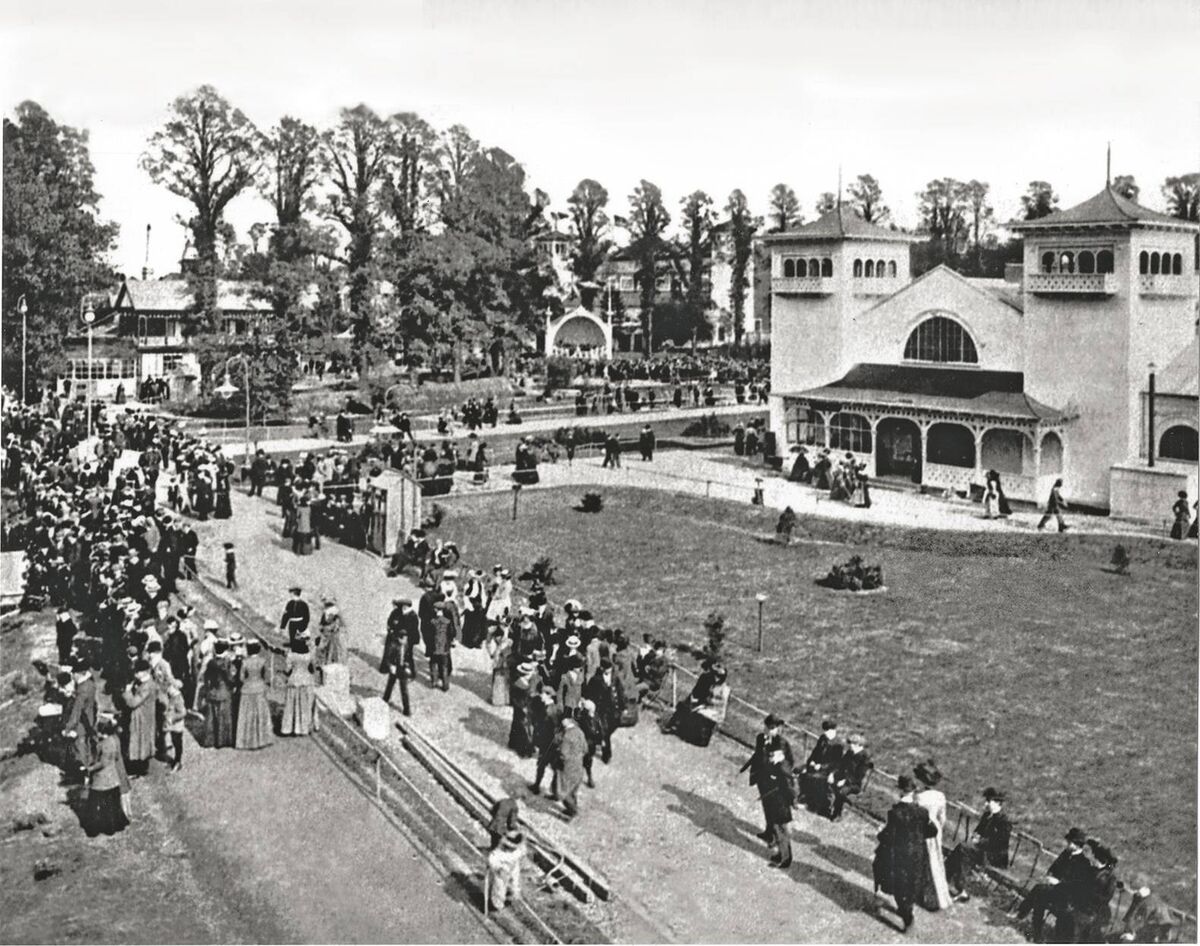
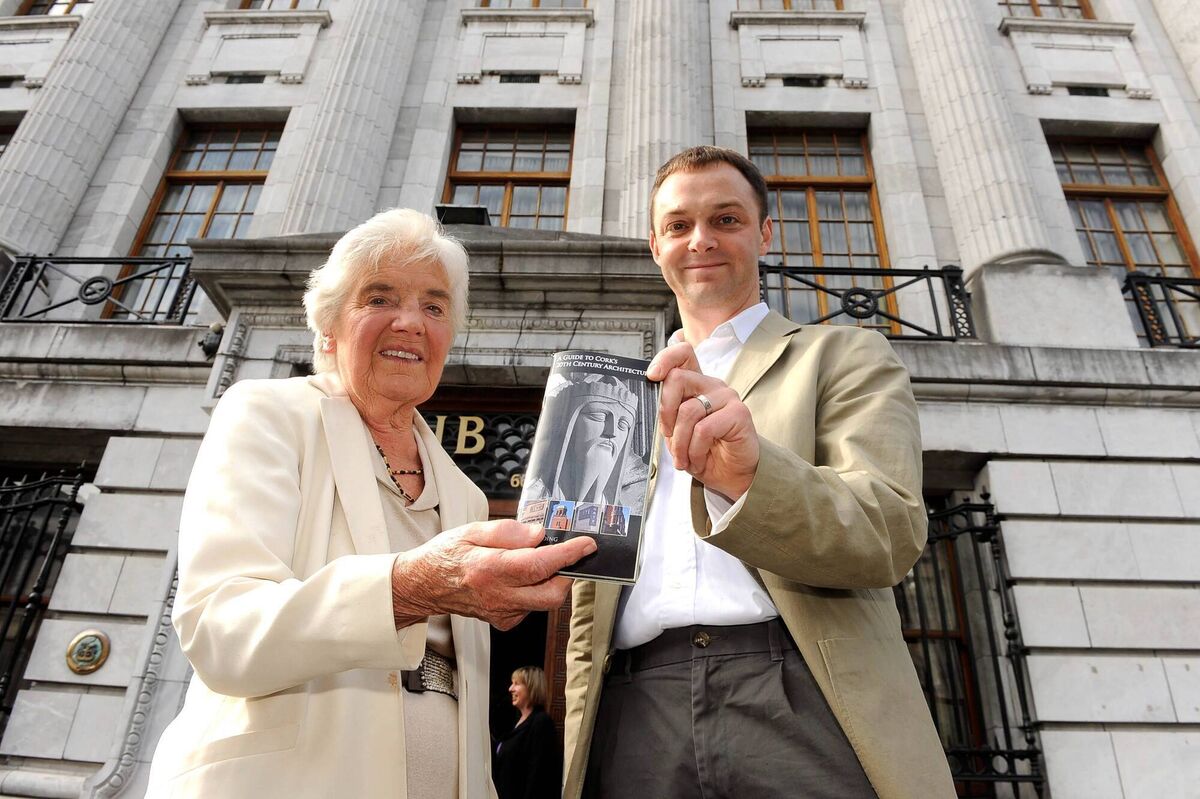
In a foreword to this labour-of-love book, Colin Hill, a grandson of William Henry Hill, relates walking/research tours of Cork city with historian/author Dagmar Ó Riain-Raedel and his cousin, the redoubtable Myrtle. She acknowledged “the gentle rivalry’ between the family’s two design firms and, as she swung a stick at various sides of Cork’s streets and buildings, would assert, “That’s a Willie,” “That’s an Arthur.”
Even admirers of hilly city Cork’s fairly small trove of decent design and build heritage (other families with enormous contributions to classical design included, of course, the Pain brothers, and the Deanes, who got some of the grandest commissions) will struggle to keep up with which Hill to correctly credit for a favourite building, little or large.
The first 150 pages, Changing the Face of Cork: The Legacy of the Hill Family, are authored by Dagmar Ó Riain-Raedel, with Richard Wood highlighting the Hill architectural archive, with sketches, drawings, floor plans, and elevations of buildings. Many are familiar, some were never built, with coloured images/water colours, some so lovely you’d want to cut them out and frame them (don’t).
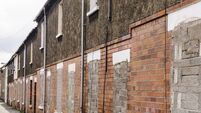
This book arrived, unbidden, to this writer just a week ago, prompting the recall of Myrtle Allen’s several kind notes (we never met) and inspiring all sorts of walks down memory lane and into so many buildings that I’ve visited (including Arthur Hill’s own remarkable former home, Redgarth, on the Douglas Road), or along streetscapes like MacCurtain Street, which is chock-full of red brick Hills.
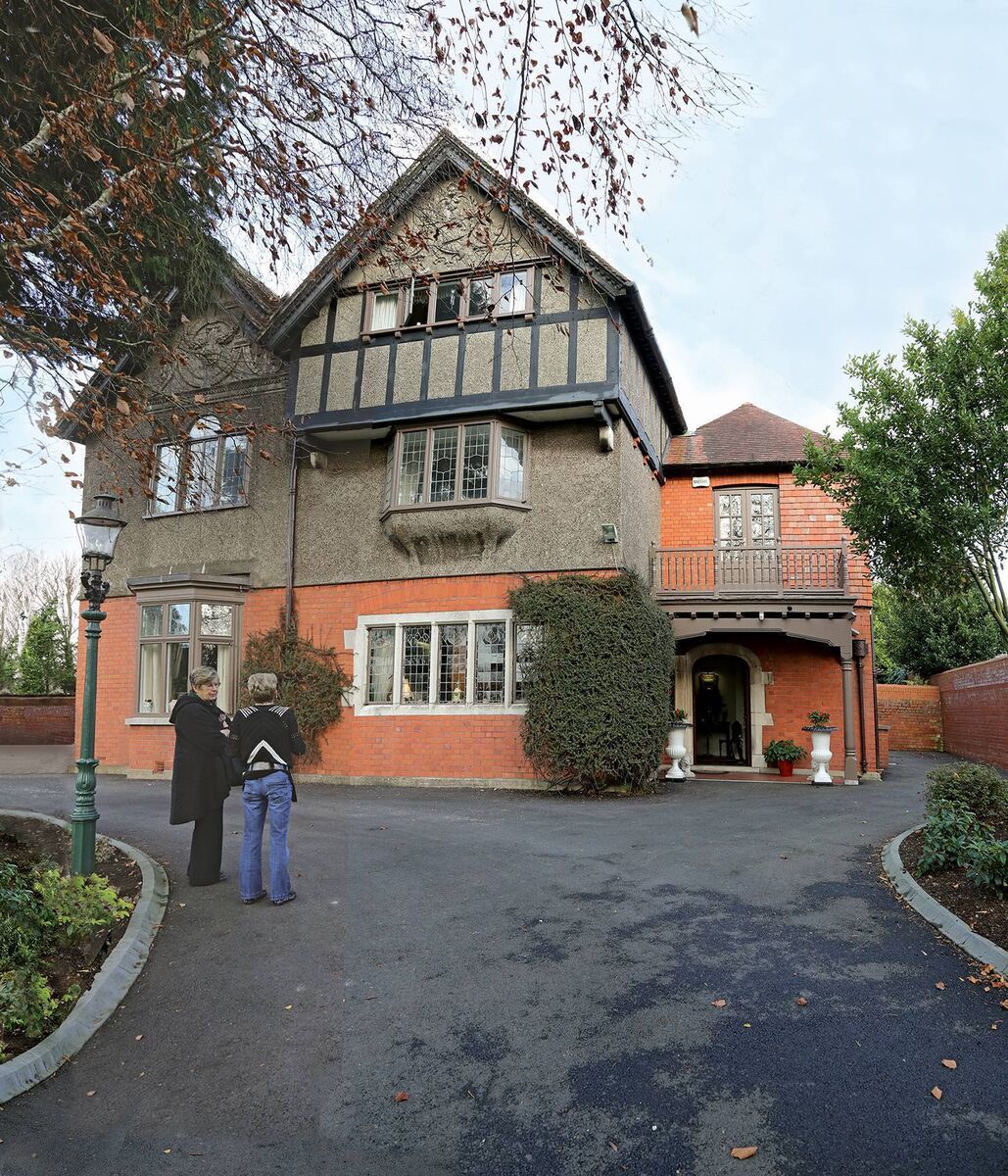
Yes, you guessed it:, MacCurtain Street is a stop on the proposed route of the Cork LUAS.
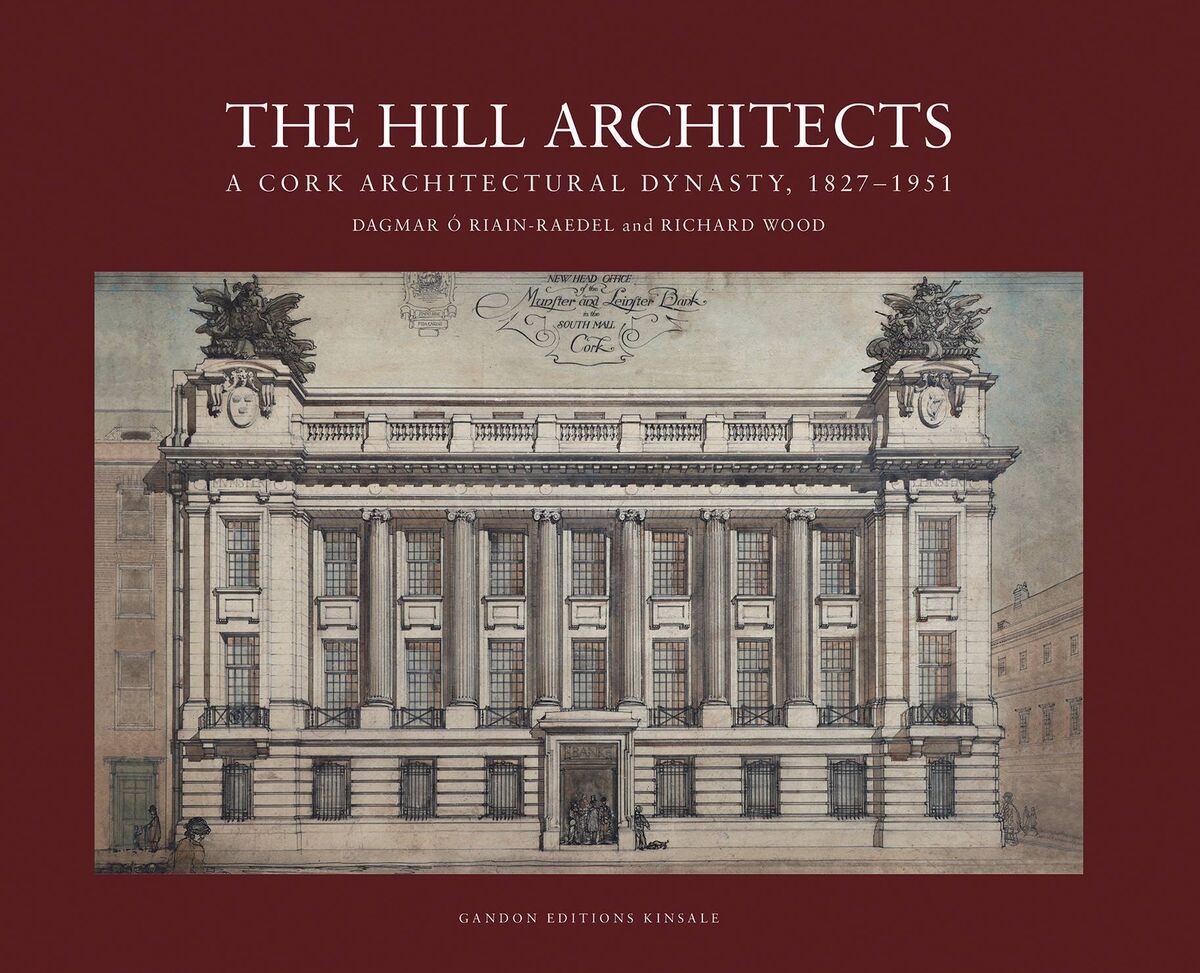
- a Cork Architectural Dynasty, 1827 – 1951 is sumptuously illustrated and is published by architecture and art specialist Kinsale-based Gandon Editions, who have produced 400 titles since the 1980s; 320pp, €39, available via bookshops or from gandoneditions.com

CONNECT WITH US TODAY



Be the first to know the latest news and updates