Why US buyers are flocking to premium Irish estates
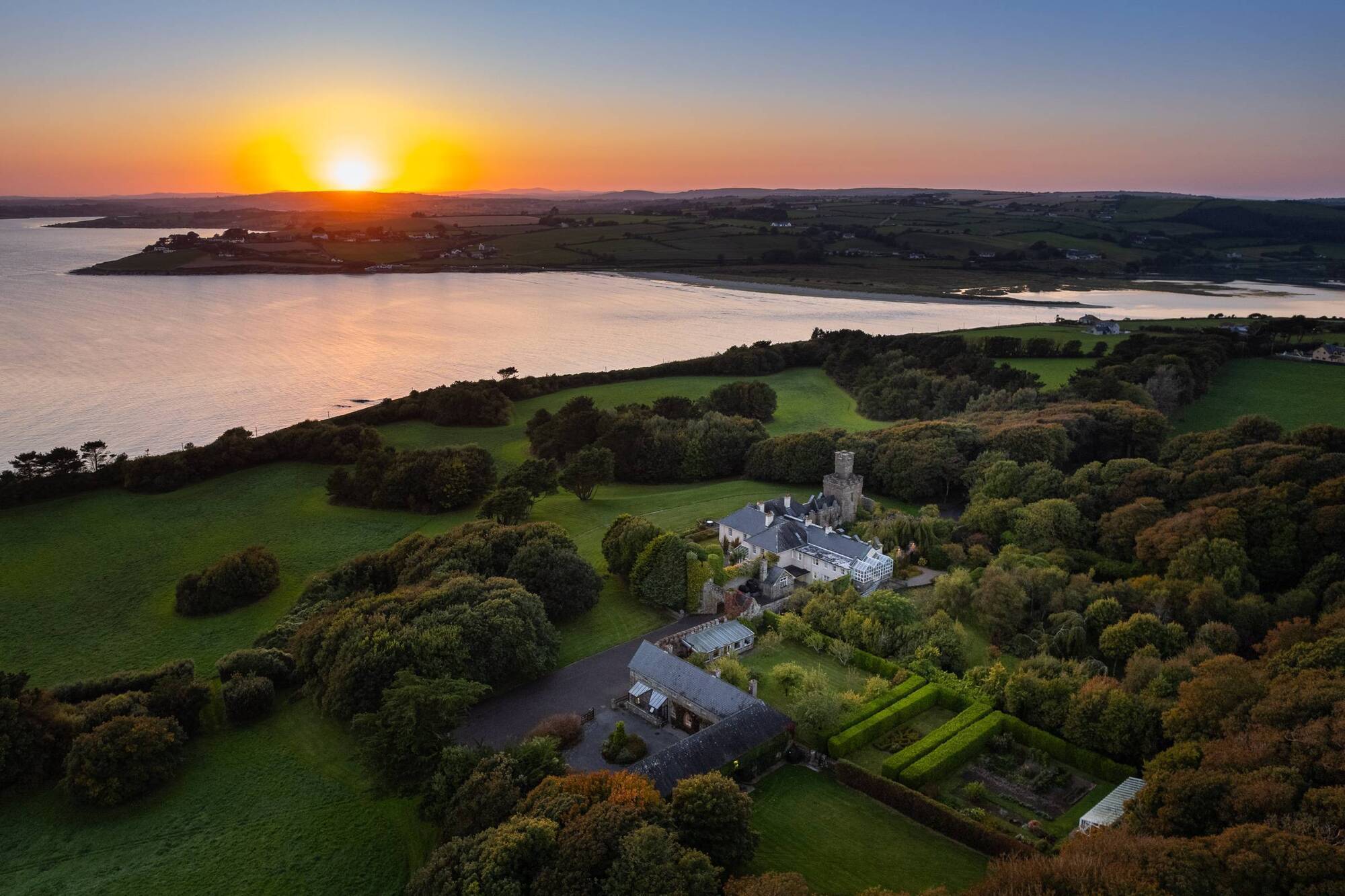
Sale in train: The beautiful Coolmain Castle in Kilbrittain, Co Cork, had an asking price of €7.5m.
AFTER a sluggish start to the year, Ireland’s country homes, farms, and estates market staged an impressive comeback in 2025, proving its resilience and enduring appeal. Severe winter storms and snow in the first quarter kept buyers and sellers on hold, but the market roared back to life after Easter, setting the stage for one of the most active second halves in recent memory.
By autumn, pent-up demand collided with renewed international interest — particularly from US buyers — creating a surge in transactions that extended well into the winter months. Traditionally a quieter season, this year’s winter defied expectations, with heightened activity driven by robust buyer confidence and a scarcity of premium properties.
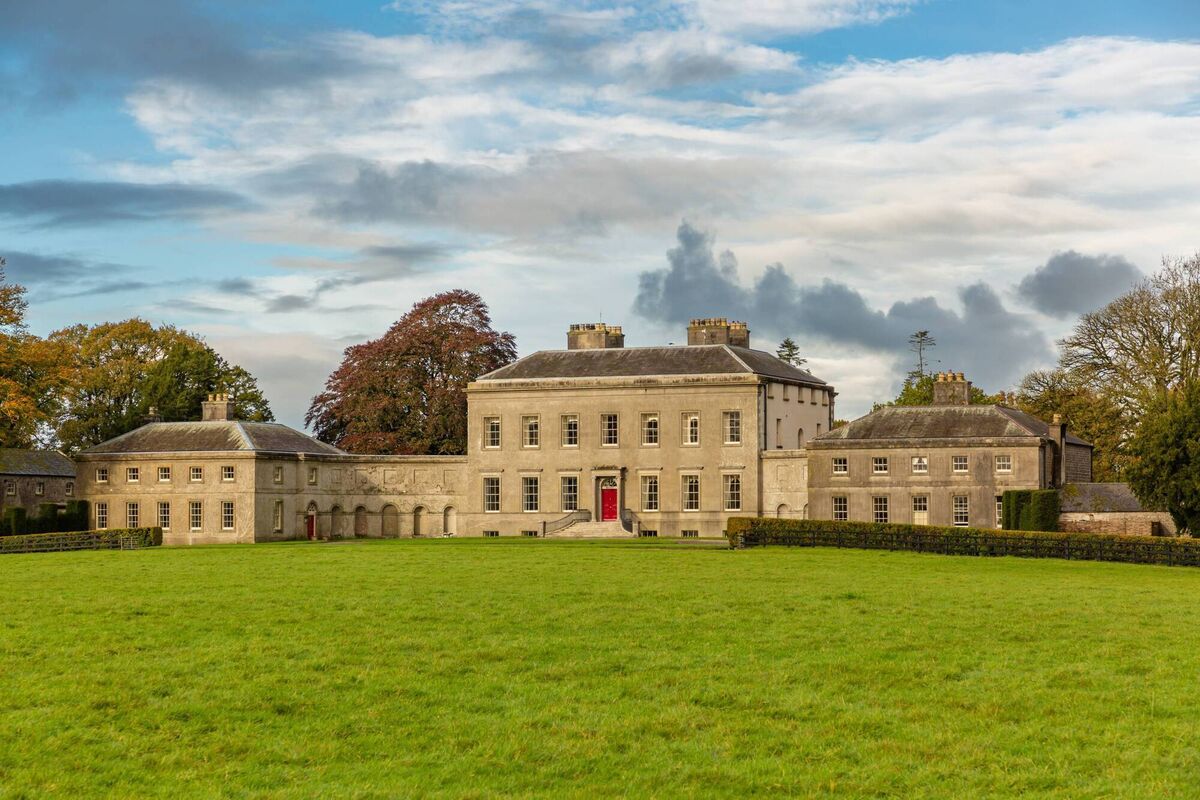
This year has been one of resilience and opportunity. The return of US buyers and the listing of several landmark properties have reinforced Ireland’s position as a destination for premium country homes and estates.
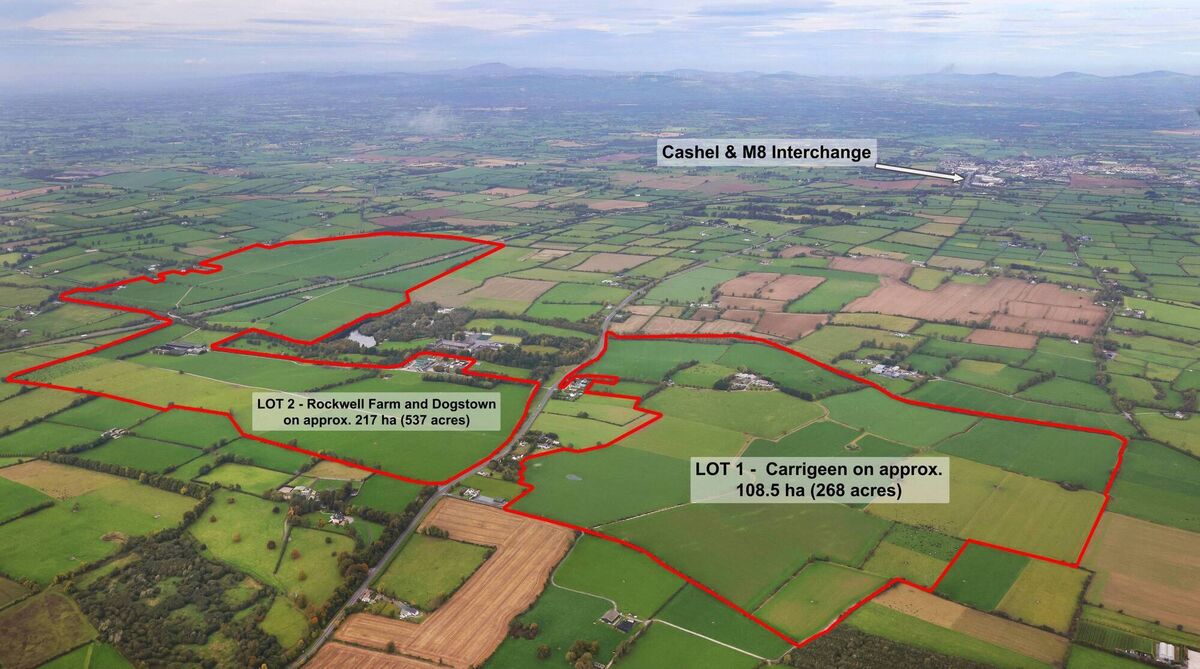
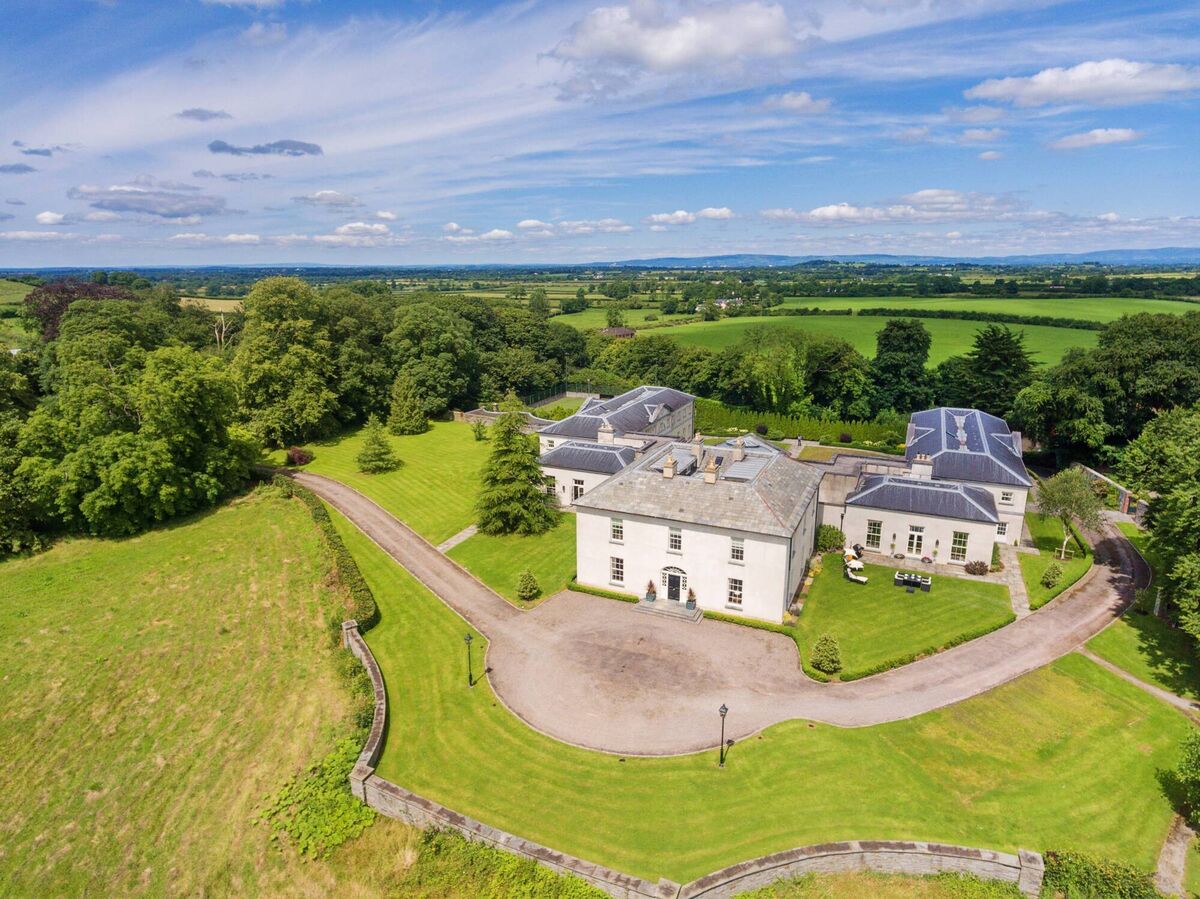
In 2025, 204 country homes came to the market at over €800,000. Among the standout listings were Ardbraccan Estate in Co Meath, an historic property on 250 acres with an asking price of €10 million, and Rockwell Farm, Cashel, Co Tipperary, one of Ireland’s finest agricultural holdings, spanning some 813 acres and guiding in excess of €21 million.
Other notable offerings included Clonhugh Lodge, Clonhugh, Multyfarnham, Westmeath asking €8m; Coolmain Castle, Kilbrittain, West Cork asking €7.5m; Bridlewood House, Forenaughts Little, Naas, Kildare, asking €4.95m; Ladycastle House, Ladycastle Lower, Straffan, Kildare asking €4m; Springfield House in Celbridge, Co Kildare asking €3.25m; Bachelors Lodge, Navan, Co Meath on some 154 acres asking €3.25m; Fedamore House in Co. Limerick, asking €2.95m, Rathclaren House, Kilbrittain, Co Cork asking €2.95m, which underscores the diversity of properties attracting high-net-worth buyers.
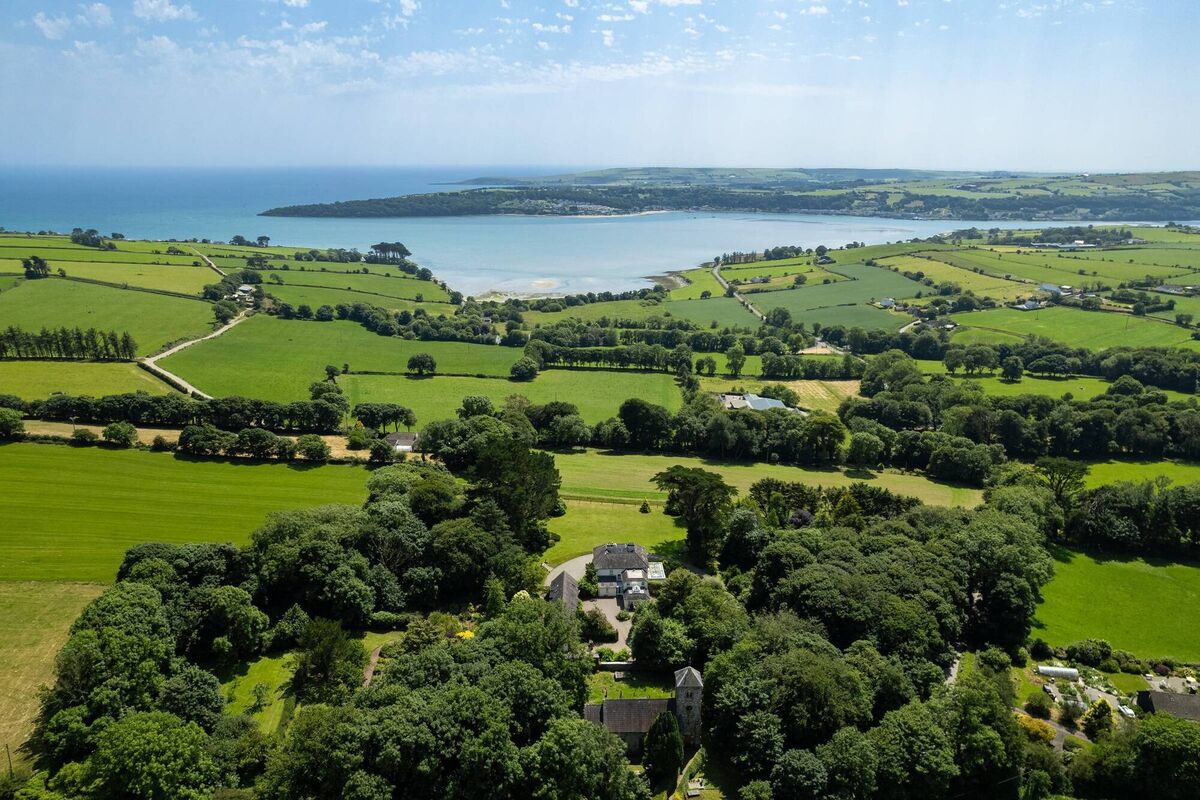
Of the above listings that came to the market this year, the following have reported to have found buyers: - Ardbraccan Estate in Co. Meath, Rockwell Farm, Cashel, Co Tipperary, Springfield House in Celbridge, Co Kildare, West Cork’s Rathclaren House, and Fedamore House in Co Limerick.
The year’s performance was shaped by several key factors: severe early weather delays, a resurgence of international buyers, and a continued appetite for space and privacy — a lifestyle trend that has endured since the pandemic. Favourable economic conditions and currency exchange rates further bolstered overseas investment.
Looking ahead, the outlook for 2026 is optimistic. Market momentum is expected to carry into spring and summer, with strong buyer demand and limited supply creating a unique window for vendors. I’d advise sellers to act early, prepare for international interest, and highlight distinctive features such as heritage, acreage, and amenities.
2025 reaffirmed the resilience and appeal of Ireland’s country homes and estates market.
With significant transactions and renewed international interest, the sector is well-positioned for continued growth in 2026.
The weighted average value of all farmland at the end of Q3 2025 stood at €13,035 per acre according to our Sherry FitzGerald Agricultural Land Barometer.
This was a significant 9.2% ahead of the same period in 2024. Grassland saw the largest increases during the period. In particular, the weighted average value of marginal grassland rose by an annual rate of 12.7% in Q3 2025, to reach €8,916 per acre. Prime grassland was more expensive at a weighted average of €14,685 per acre. This followed year on year growth of 8.9%.
The weighted average price of prime arable land stood at €15,504 per acre at the end of Q3 2025, approximately 6.9% greater than a year earlier.
Strong demand for agricultural land, low borrowing rates and limited supply in many regions has led to robust growth in average land values over the past 12 months. This was supported by strong growth in output prices relative to input prices, positively impacting farming income levels.
The CSO predicts that output prices will increase by 15% overall in 2025 compared to the previous year, driven by particularly strong growth of 41% in cattle prices. Both milk and sheep prices are expected to rise by an annual rate of 5%. These increases will be counteracted somewhat by declines in potato prices (-15%), cereal prices (-3%) and pig prices (-3%).
Input prices for 2025 are projected to rise at a much lower pace of 1%, with the strongest increases in fertiliser prices (+8.5%) and veterinary prices (+4.7%). The stronger pace of growth in output prices should continue to positively impact farming incomes in the year ahead.
The future of the nitrate derogation is another factor concerning Irish farmers. A decision has yet to be made on whether the derogation would be extended beyond 2025.
A reduction in the nitrates allowance could result in reduced dairy cattle numbers and lower dairy output, with implications for farmers’ incomes.
Roseanne De Vere Hunt is Director and Head of Country Homes, Farms & Estates with Sherry FitzGerald

CONNECT WITH US TODAY



Be the first to know the latest news and updates