Brigid Browne: Flood defences can keep Mother Nature at bay
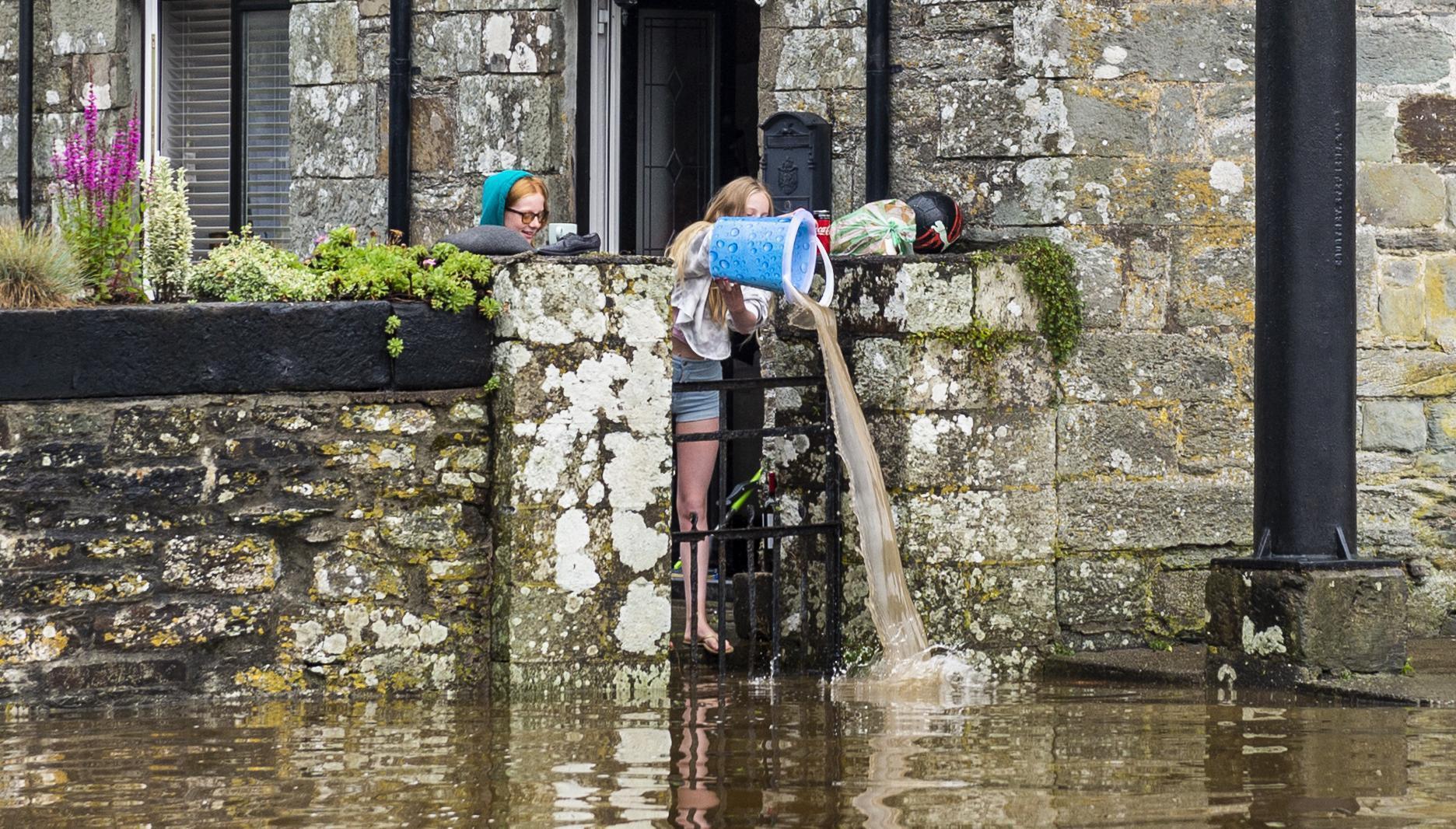
Picture: Andy Gibson
Hi Louis and Karen, congratulations on your house purchase.
I love to hear people living and using the older building stock. But getting to your concerns…
Let’s face it, Mother Nature can be quite the trickster. One day she’s bestowing upon us the gift of a sunny afternoon, perfect for a barbecue with family and friends, and the next she’s unleashing a torrential downpour of biblical proportions. We are in her hands but there are ways to mitigate.
I have written on the general subject of flooding in a previous article and one of the things I encouraged people to do was to draw up a ‘Flood Plan’. One of the most important things once you’ve done this is to ensure everyone is aware of it and that its within easy reach for you and your family members.
I also encouraged readers to do a little drill, so all family members know where it is and can follow its instructions when and as required. When flooding does occur the speed with which it happens can often take people by surprise and in that situation its quite easy for people to panic. So, staying calm and following the instructions in the plan is really important.
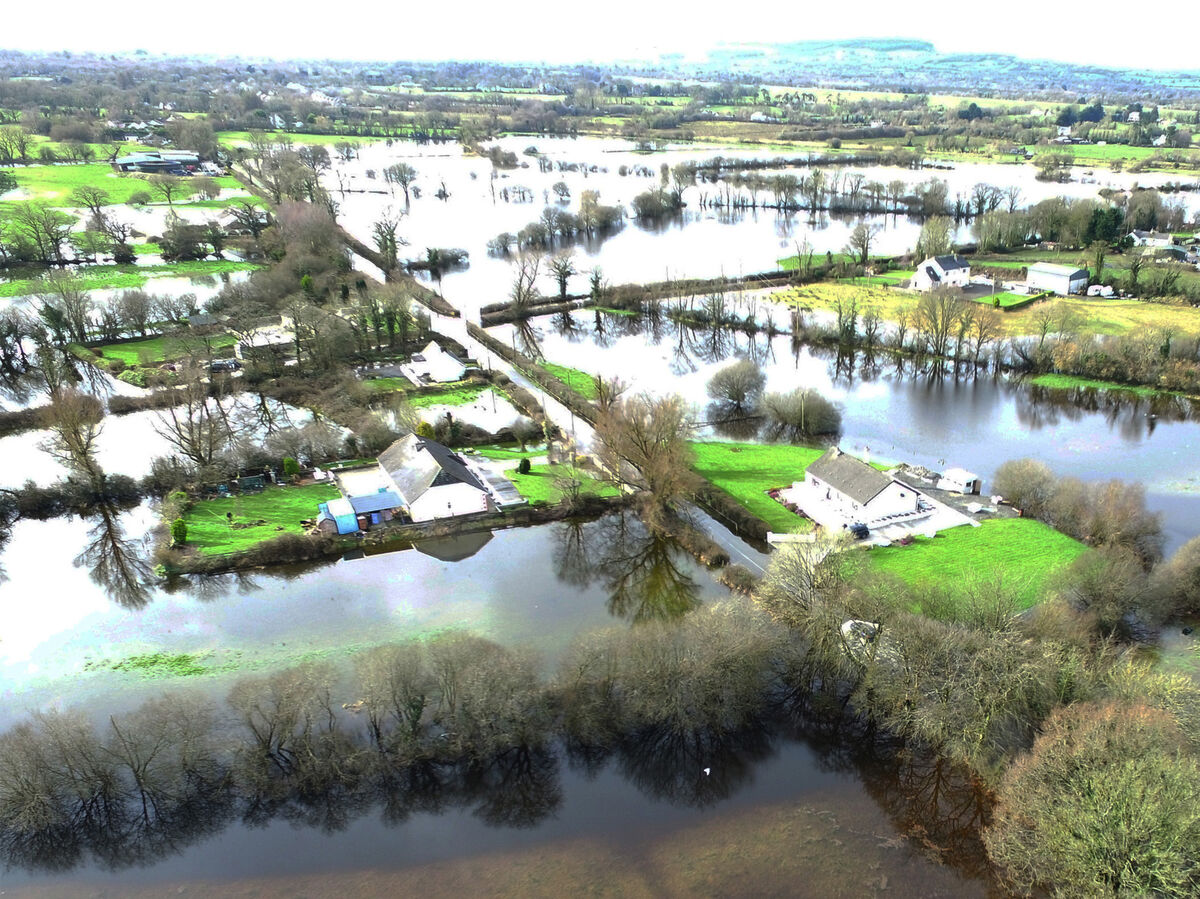
The Flood Plan should list emergency services numbers, local authority representatives, arrangements for evacuation of occupants, safe and secure locations for valuables, tips on how to turn off electricity etc. Guidance on making a flood plan and a lot of useful information can be found at the OPW website http://www.flooding.ie
I would encourage anyone in an area prone to flooding to keep an eye out for Met Eireann yellow, orange and red weather warnings and an ear to the ground locally for any changes in water levels. There will be flood watch groups locally and they should be able to give you warnings.
Physically you could consider stocking up on sandbags to place against weak points and even along the base of the external walls to keep water back. Remember to follow through on acquiring and familiarising yourself with flood protection barriers and guards. These are easily operated and beneficial in that they will shore up the most vulnerable parts of your building, the doorway.
Let’s consider drainage. Even a well-designed drainage system is unlikely to fully protect your house in times of unprecedented water impact but, it will surely aid in speeding up recovery. With a stone house you may already have a French Drain or similar around the perimeter of your dwelling. This would reduce backsplash to the external walls and/or water sitting on the surface of your yard and against the external wall. Ultimately it prevents degradation of fabric.
If indeed you have such a drainage system, ensure that it has a perforated pipe within. If you are unsure, do a little confined trial dig but by shovel, not by digger. A digger might crush or split the pipe, but more importantly stone buildings don’t like vibrations.
A perforated drainage pipe allows water to enter to the top and to a lesser degree, the sides. The very bottom (invert) of the pipe is not perforated, but solid, so water gets caught and with the correct falls, is directed to the soakaway, attenuation tank or public drain.
As you have a septic tank, I might assume that your water is taken off to a soakaway or an attenuation tank. Just to explain, a soakaway is a hole filled with rubble or plastic crates which lets water slowly drain into the ground instead of building up on the surface. So, trace your soakaway and ensure it is adequate to take some additional loading of water. If the soakaway is not adequate you will need to get one designed. Consult a building professional about this.

Instead of a soakaway you might have an attenuation tank. This is an underground tank that takes a high volume of water, holds it and then drip feeds it to the lawn to prevent supersaturation. This will help to get water away from your dwelling fast. It is most important however to ensure that any area of lawn where water drains to is well away from the septic tank’s percolation area so that it does not interfere with the grounds ability to take the load to which it was intended.
You make a very good point about preventing water coming up drains or shores. What you need here are non-return valves. These are inserted on the line that flows into the septic tank or public manhole, and closes down when flow is reversed, preventing back siphonage. Do not place these on the outflow line between the septic tank and the percolation pipes/distribution box you may cause a blockage. Non-return valves may also be placed on the line into the attenuation tank. This might seem over the top for surface/rainwater but in the case of a flood it may be very relevant.

If you do not have a French Drain at the perimeter of the house and have a concrete footpath or yard, tarmacadam or paving, ensure that this is so angled as to throw away from the external walls. It is also advisable to have gullies in the yard so that water can flow to these and be taken away to aforesaid soakaway, attenuation tank or public mains. If the level of your yard is higher than that of the internal floor level the building may take extra-long to dry out as concrete, tar and paving are impervious and may serve to lock water in.
In construction, it is best practice to have the external ground level 150mm below the internal ground floor level. Again, consult a chartered building surveyor for advice. Have a look at my previous article for practical tips How to flood-proof your property in the face of extreme weather events (irishexaminer.com) But the key element of effective flood protection is to close off all easy paths of access.
- Brigid Browne is a chartered building surveyor and Chair of the Building Surveying Professional Group in the Society of Chartered Surveyors Ireland.
- She is the owner/ managing director of Cashel-based Fortress Planning which offers a range of services including assigned certifier, design certifier, building surveyor and conservation consultancy to clients all over the country. (www.fortressplanning.ie)
- If you have a property related query or issue you would like to raise with Brigid, please email irishexaminerpropertyqueries@scsi.ie
CONNECT WITH US TODAY



Be the first to know the latest news and updates