First time buyers will go loco for €265,000 home near Kent Station
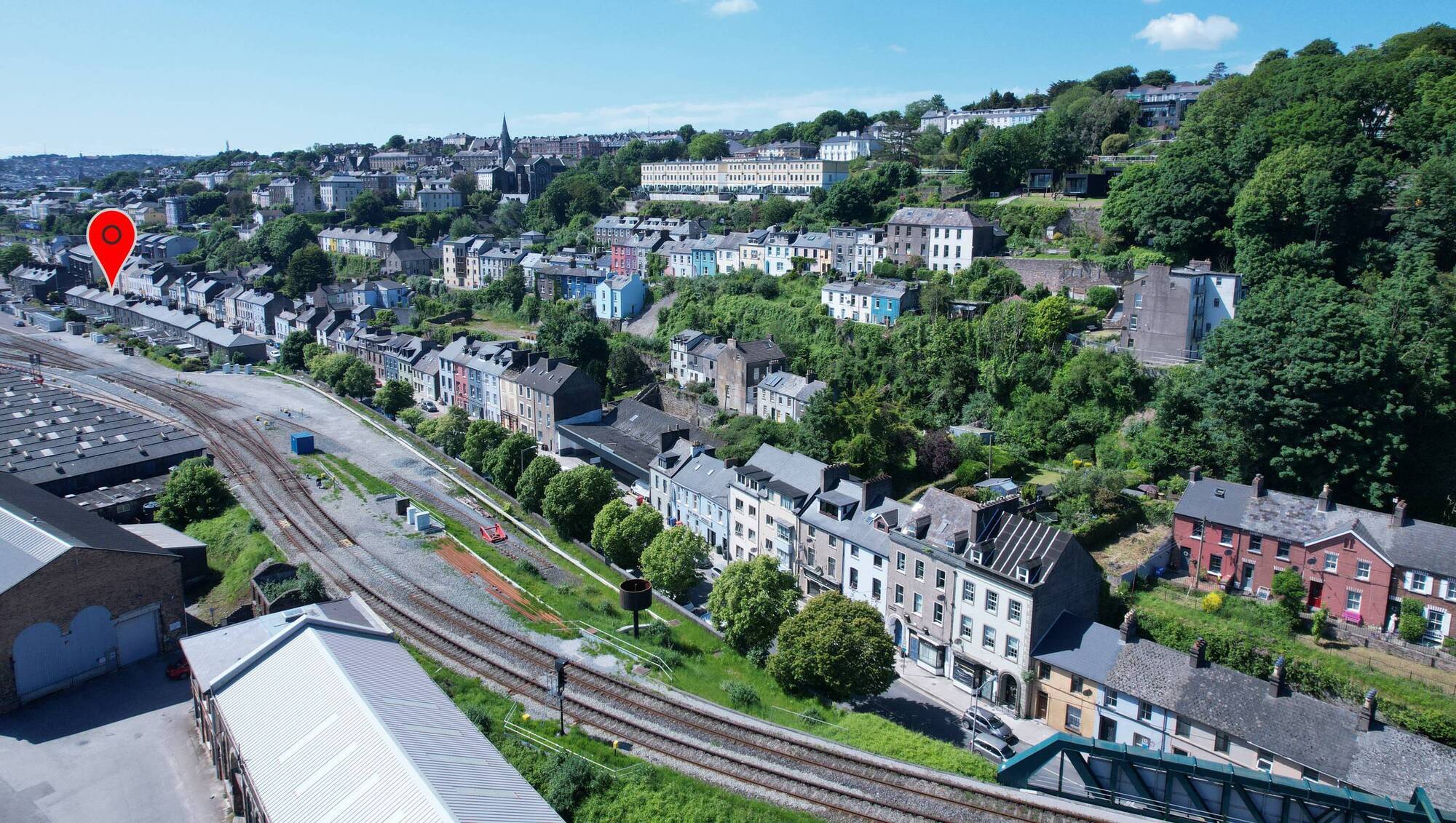
44 Lower Glanmire Road
|
Lower Glanmire Road, Cork city |
|
|---|---|
|
€265,000 |
|
|
Size |
96 sq m (1033 sq ft) |
|
Bedrooms |
3 |
|
Bathrooms |
1 |
|
BER |
E1 |
YOU don’t need to be a student of history – common sense should do – to understand how powerful an engine the railroad has been in driving economic growth. For starters, it was the catalyst for the success of the Industrial Revolution. To paraphrase the nursery rhyme, everywhere the railway went, success was sure to flow.
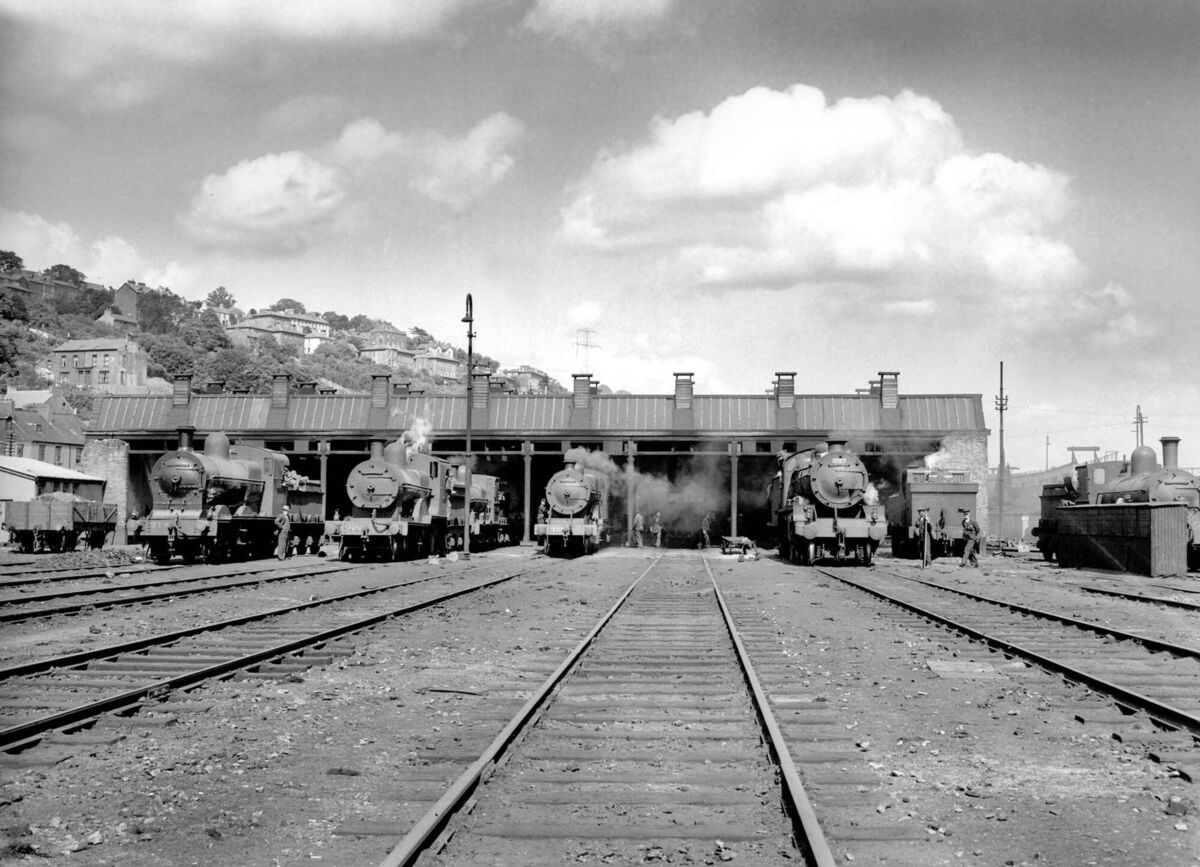
Things were no different in Cork city where the rail network underwent massive expansion throughout the 19th century. Aside from expediting the flow of goods, opening up markets and transporting passengers, it created a great deal of employment – and a concomitant housing need. Rail company employers provided some of this housing eg Kilbarry Cottages on Dublin Hill, where a temporary terminus was built in the late 1840s to accommodate the Dublin-Cork service. The railway also built workers’ homes on the Lower Glanmire Road, where Kent Station took over from the original Penrose Quay terminus in 1893.
One of those Lower Glanmire Road homes was No 44, featured here, and its first occupant is believed to have been a Scottish civil engineer, whose work was linked to the Kent Station complex.
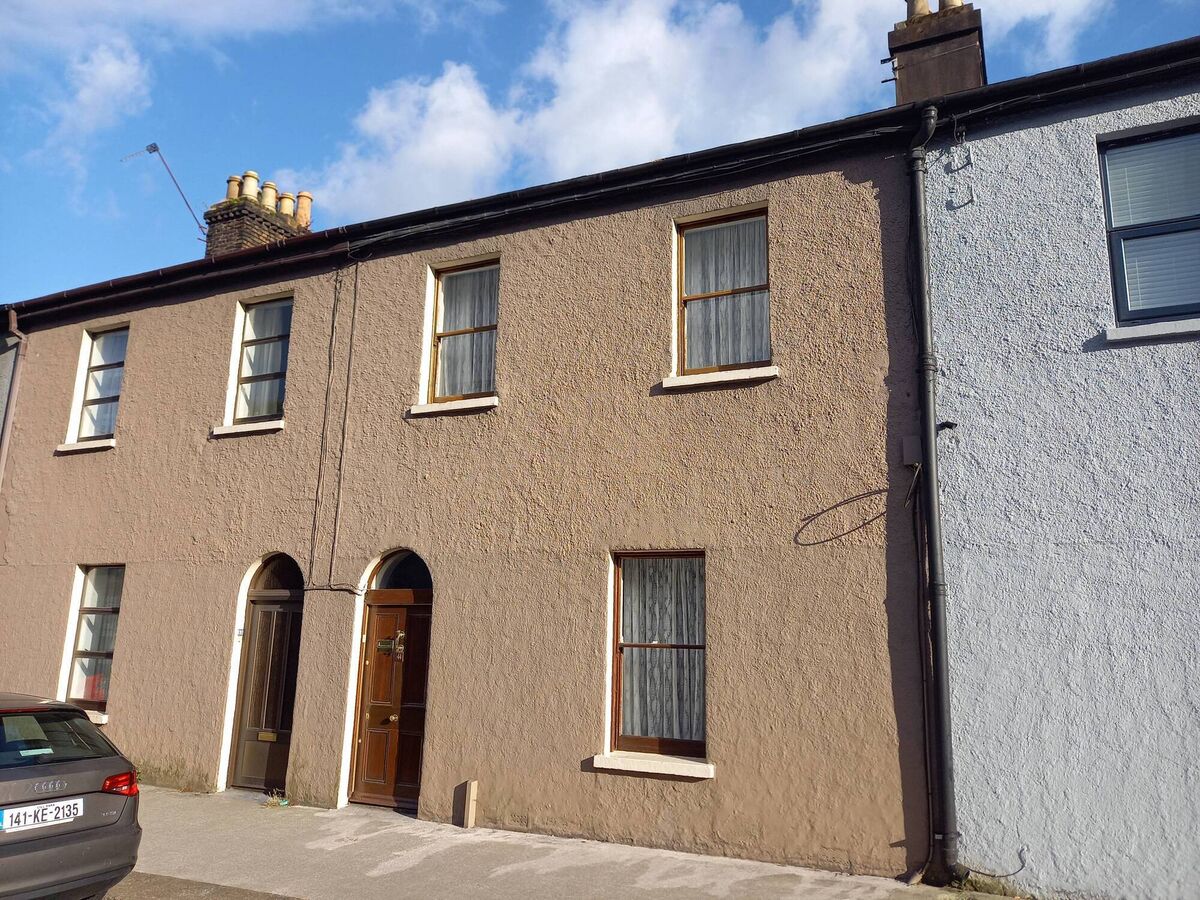
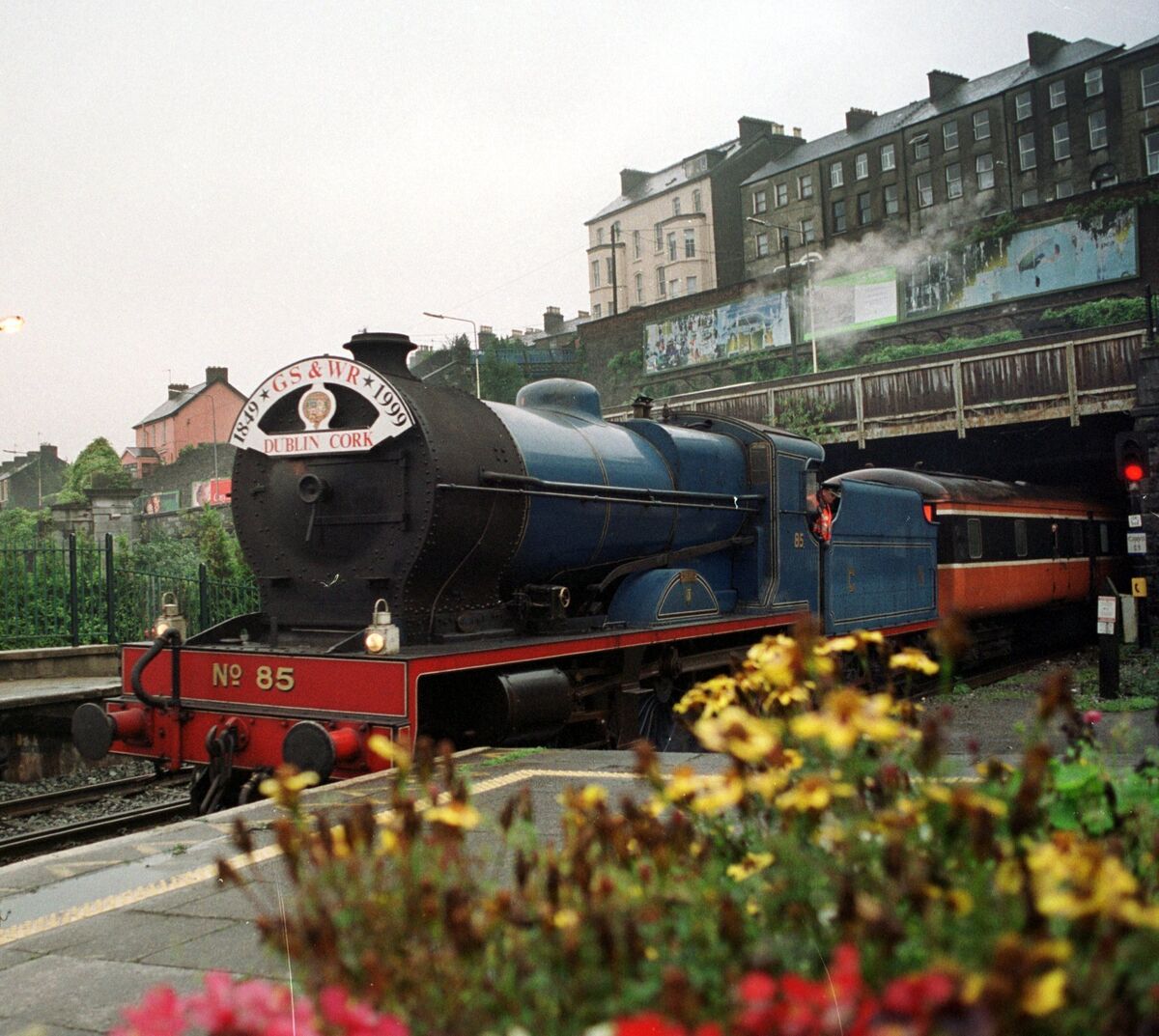
He stayed at No 44 until 1921, whereupon train driver Michael O’Halloran, grandfather of the current owner, Kevin O’Halloran, was given the house by his employer, to whom he paid rent. Kevin says a newspaper found behind the walls of the neighbouring home dates the terrace to 1883.
His grandfather had the honour of driving the Maedhbh, one of just three Class 800 engines, the biggest and most powerful steam locomotives ever to run in Ireland.
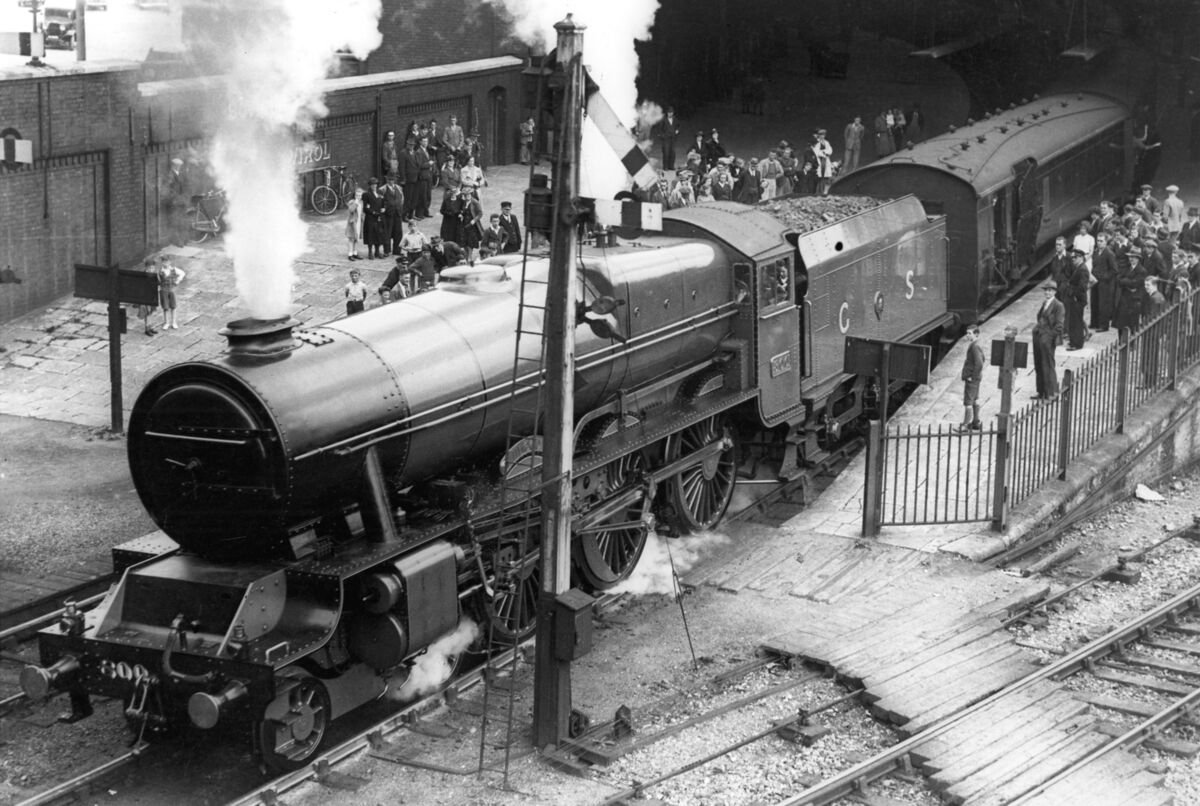
“He was a mail driver and that was the top driving spot,” Kevin says.
The Lower Glanmire Road homes were earmarked for train-drivers, who had a high standing within the company. Railworkers who rose to the rank of train driver could graduate down from Kilbarry Cottages to the Lower Glanmire Road. Once the home was in the family, it stayed, so long as the eldest son continued to work for the railway. Kevin’s own father, also Michael, started out as a carpenter and worked his way up to the role of coach-maker “what we call carriages these days”, Kevin says, adding that “he was gifted”.
He says the whole terrace consisted of rail workers. “It was a tradition on the road. You were a railway family and you worked your way in and up,” he says.
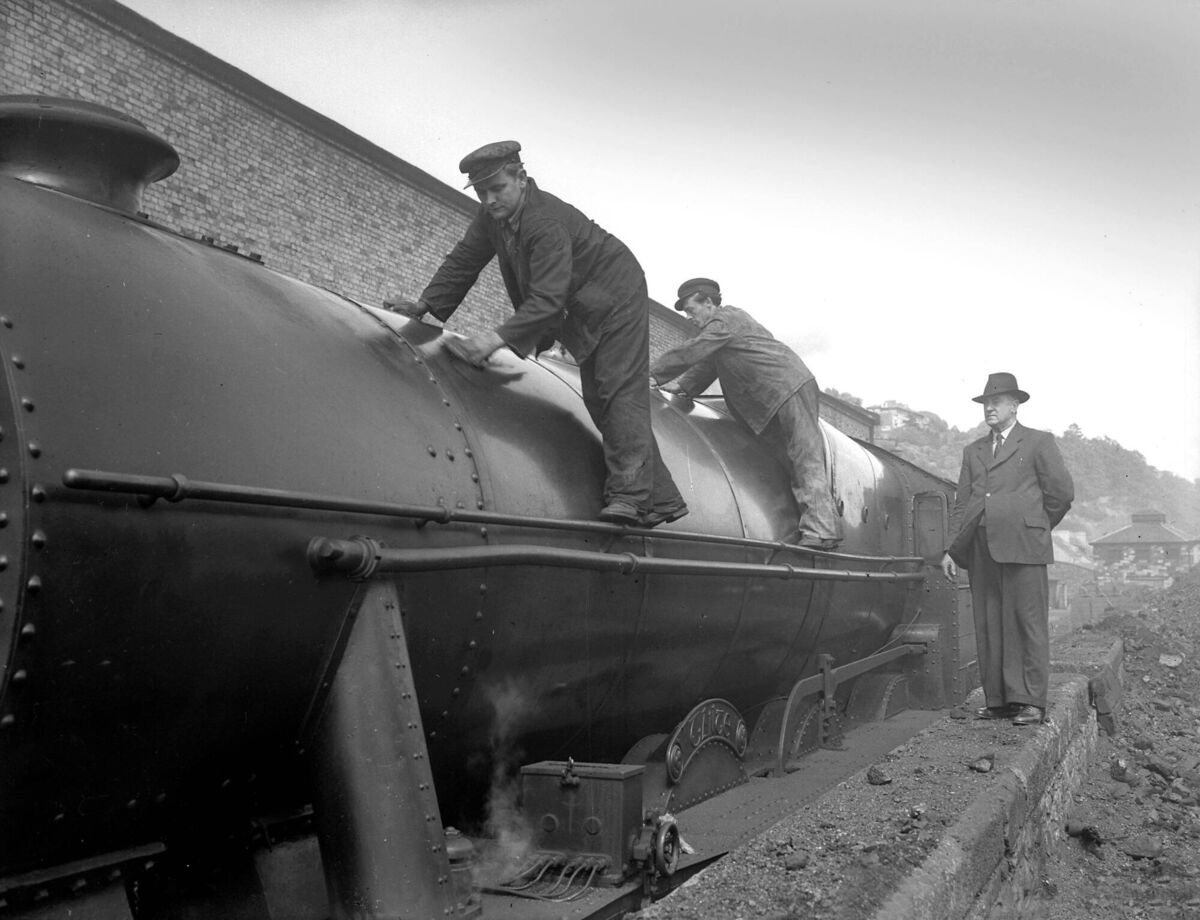
Everything changed in the 1970s when CIE began selling land. Kevin’s parents bought their home. “It was their freehold and as I’m an only child, they passed it to me,” he says. Both his parents are now deceased, more recently his mum Mairéad. As his own home is in Carrigaline, he’s selling up.
Tim Sullivan of Timothy Sullivan & Associates is selling the 96 sq m. three-bedroom terraced townhouse and says it “couldn’t be more convenient to the city”. In an area undergoing considerable rejuvenation, it could attract investors, but also first time buyers as the guide price is €265,000. It might also suit a buyer in search of a lock-and-leave pad as there’s no garden maintenance and it’s near both the city’s main bus and rail termini.
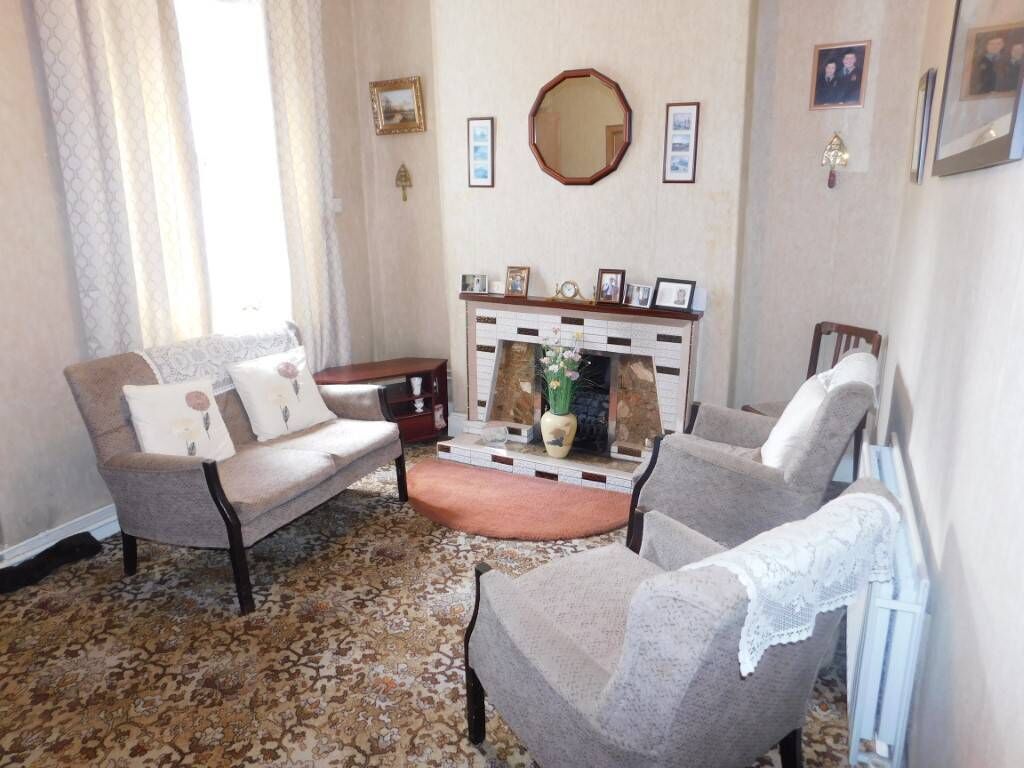
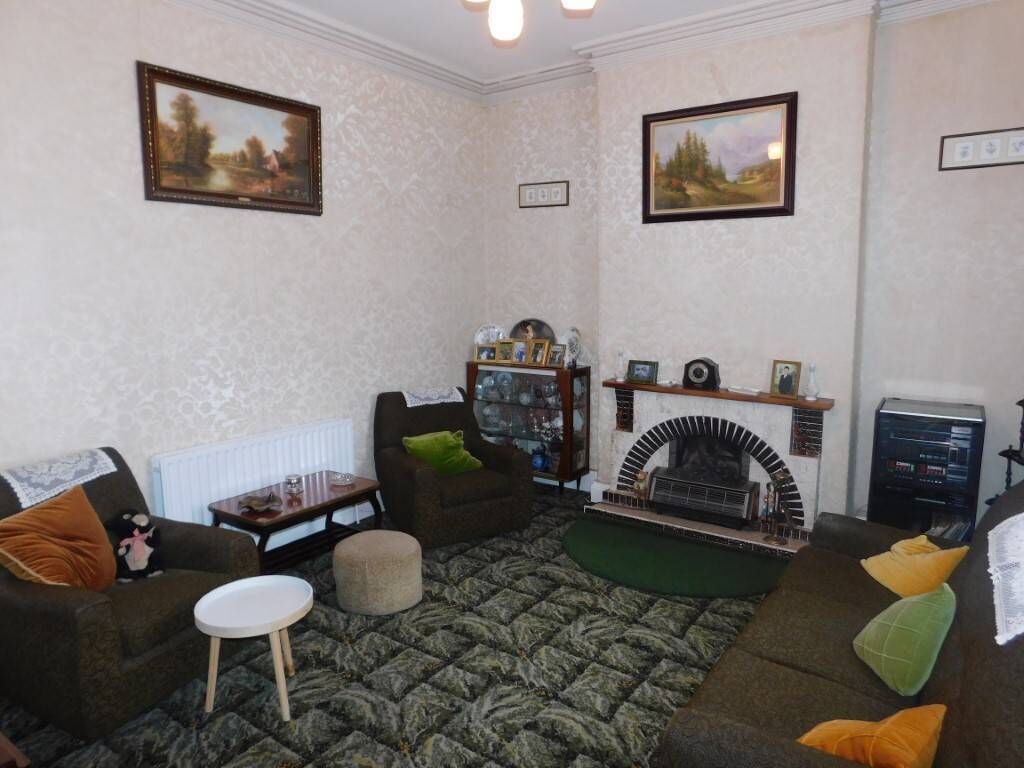
While the kitchen was extended in the 1980s, the house would benefit from modernisation. There’s separate rear access to the property
Anyone with a passion for railways will appreciate the history of this house which is about to move out of railworker hands for the first time. If you’re a trainspotter, you’ll love the fact that the East Cork line runs to the rear. Location is extremely convenient to town.


CONNECT WITH US TODAY



Be the first to know the latest news and updates