Ringside seat to docklands' development at elegant €895k Summerhill home
19 Summerhill North, Cork City
|
Summerhill North, Cork City |
|
|---|---|
|
€895,000 |
|
|
Size |
286sq m (3,078sq ft) |
|
Bedrooms |
4 |
|
Bathrooms |
3 |
|
BER |
E2 |
Montenotte and Tivoli were among the favoured spots for the prosperous toffs that drove Cork city’s improving fortunes in the 18th and 19th centuries.
Like any merchant princes worth their salt, they contributed in style to the city’s housing stock, building substantial manors along its upper ridges.
Here, at a safe remove from the overcrowded tenements of the city centre, they could enjoy the trappings of prosperity, while simultaneously training their sights on the port below and on the movements of the cargo that had enriched them in the first place.
Summerhill North, on the climb up to Montenotte via St Lukes Cross, is liberally littered with heavyweight homes built in the 1800s. Right next door to the home featured here — No 19, Summerhill North — is Fitzgerald House, a Georgian residence where a merchant prince resided 200 years ago. The property’s connection to the mercantile life of the city continues — these days, it’s home to Cork Chamber of Commerce.
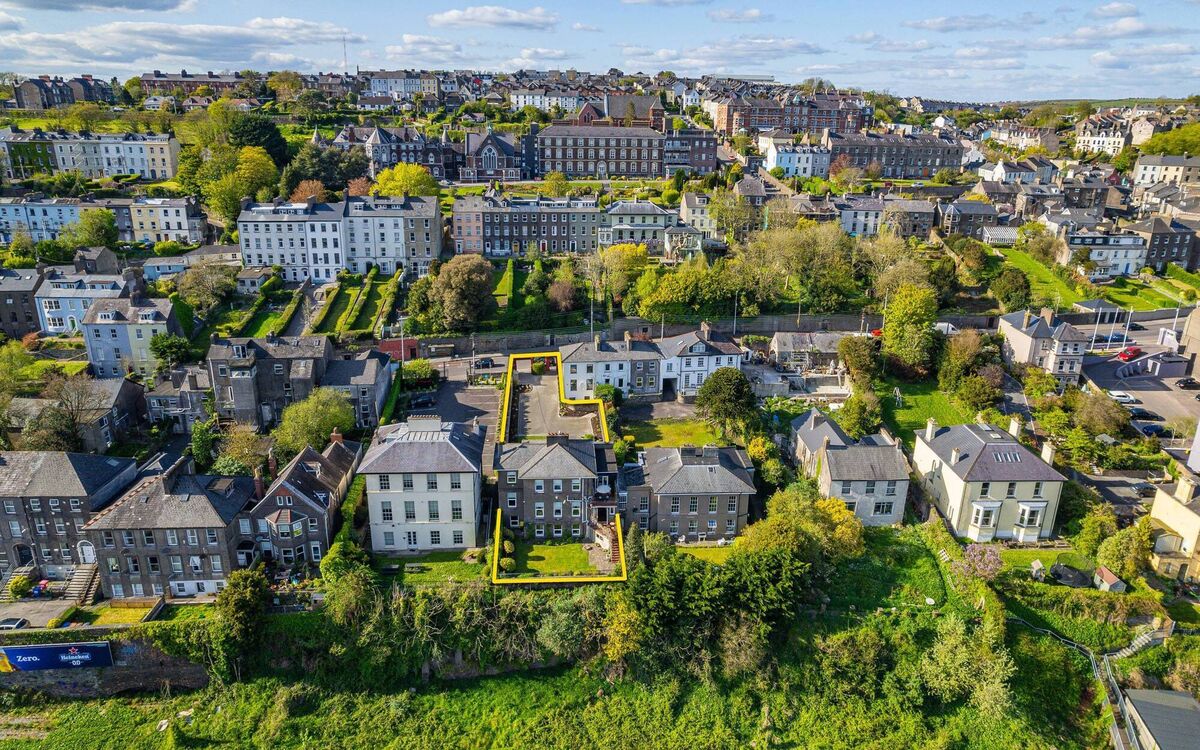
Some of the grand mansions on Summerhill North fell into disrepair over the years, turned into bedsits by careless landlords, with little obvious investment. More recently, the area has undergone something of a renaissance and a number of these period homes have returned to their former glory, under appreciative owners.
Many are absolute gems in a setting befitting a latter-day merchant prince, guaranteeing a ringside seat to the ongoing transformation of the city’s docklands, at a level not seen since marshlands were reclaimed in the early 1800s to build Penrose Quay.
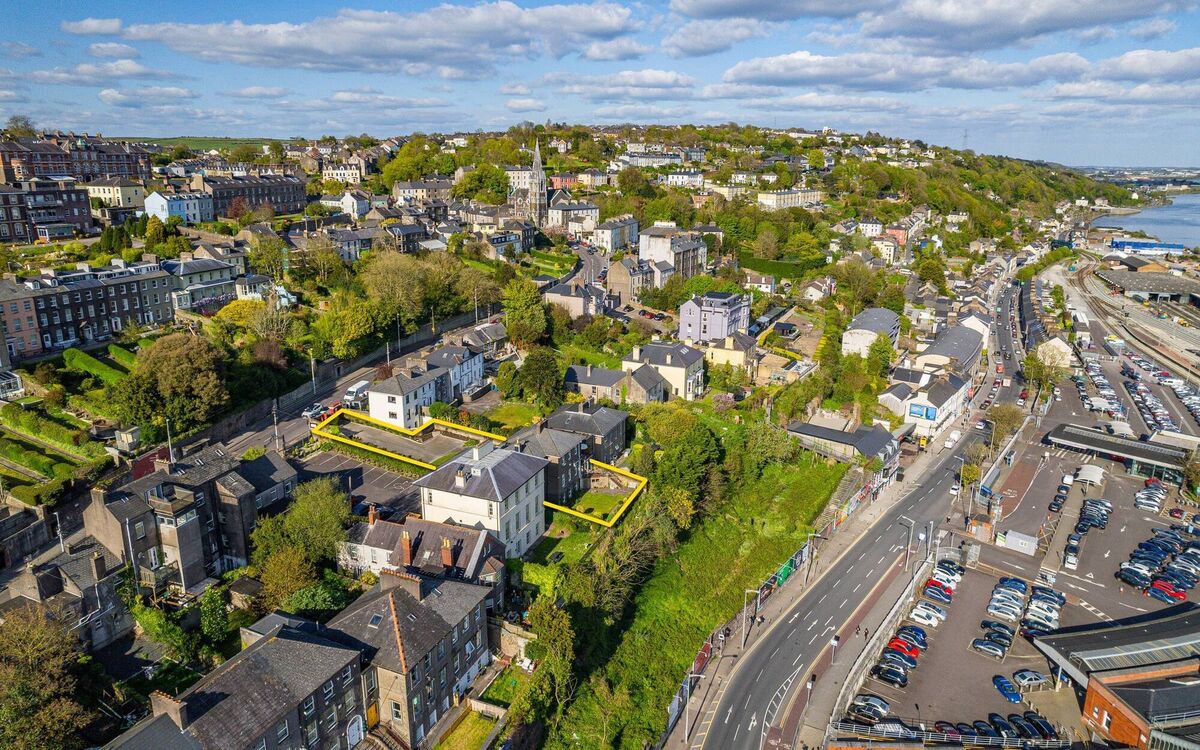
Of the history of the house featured here, its owners, Eileen and Maurice Horgan, say it was built by a John Maguire who bought the plot from the nearby estate of Mount Verdon in 1830.
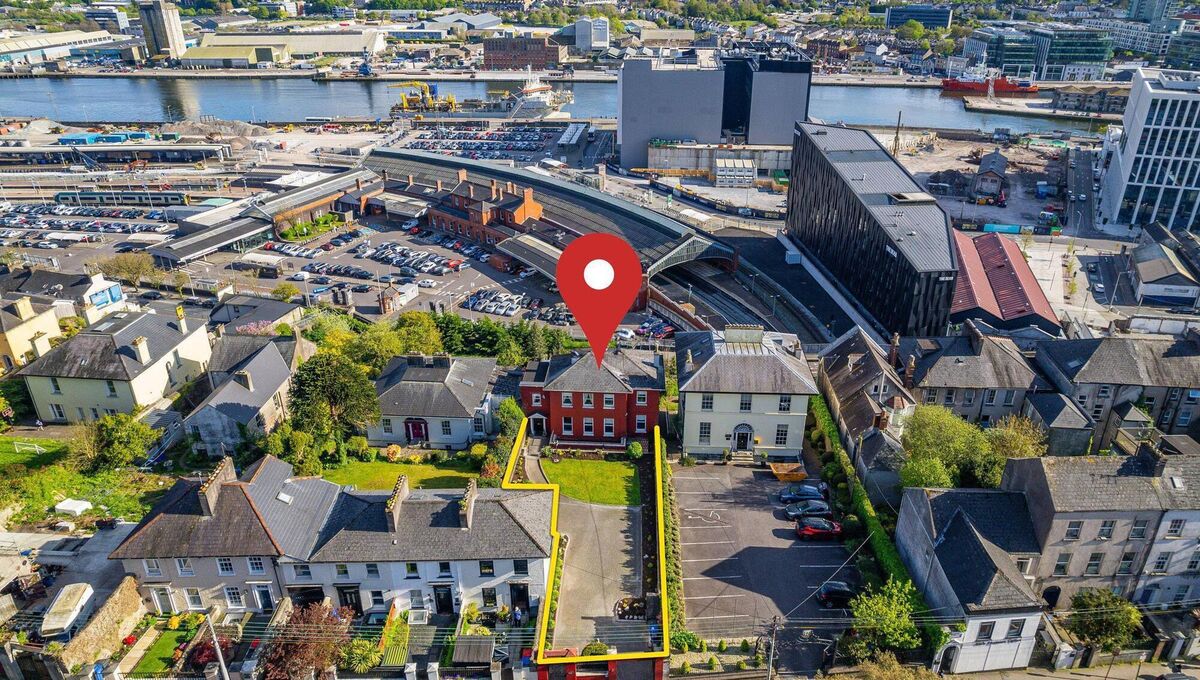
Could it be that John Maguire was the father of John Francis Maguire, who founded the Cork Examiner in 1841? As a member of the city’s mercantile class, it’s not inconceivable. John Maguire would have relished the opportunity to live close to the city’s quays, in a period home, with a bird’s eye view of all the comings and goings on the water below.
Whoever buys No 19 (also known as Marina) will be up close-and-personal to everything that happens on the evolving quays, where glorious Victorian redbrick Kent Station is cheek-by-jowl with the contemporaneous Dean Hotel right across the road from the rear of this house.
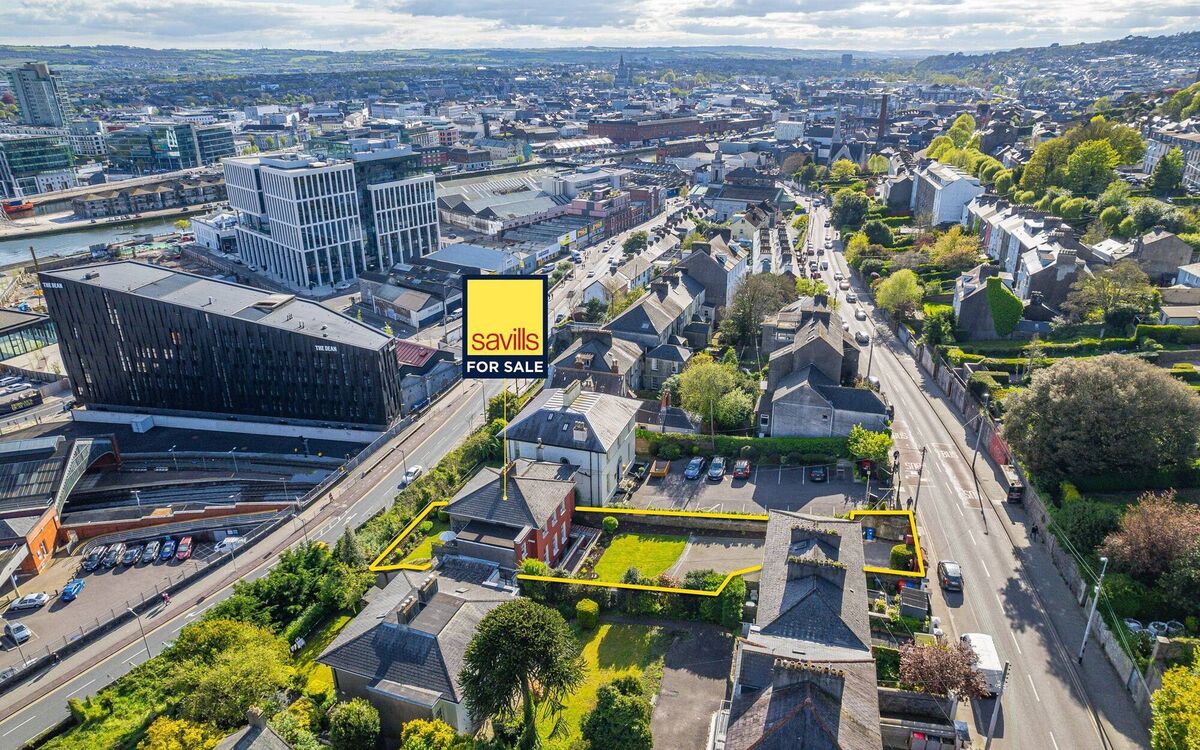
Across the river is the iconic Odlums building, which will play a starring role in a €350m mixed use development of the South Docks, planned by O’Callaghan Properties. Like Wordworth’s famous sonnet, Cork city’s mighty heart is laid out before No 19: ships, towers, domes, theatres — you name it, it’s all there, in the crosshairs, from its windows.
Anyone with even half an interest in where this city is headed will be impressed with the vantage point at No 19, not to mention the house itself, a detached 3,078 sq ft beauty that the Horgans have been careful not to compromise.
As both their home and their business base — it was home to the Cork office of their professional security firm, ETL Security — they made a number of alterations after buying it, but were careful not to make irreversible changes.
“We purchased in 1987 as we needed more space for family and our business. We had commercial planning for two offices, stores, and a workshop,” the couple say.
When they retired and sold the business, they converted it back to residential, with planning, in 2023.
Other, more significant changes had been implemented by previous owners, including an extension to the western side of the detached house, which the Horgans think was done in the early 1900s. A flat-roofed extension was added to the east in the 1960s, when the house was owned by a Dr Lenihan, who bought it in 1958 and reared his family there and is also thought to have run a surgery at the premises.
The main roof had been replaced when the Horgans bought No 19, and while the interior was “dated” the property was “in good structural order”, Eileen says.
They made a series of changes to the three-storey house, including opening up the basement area, which had been been closed off at hall level “with a door to a dark stairs and a cloakroom”. They opened it up by removing the cloakroom.
They made better use of the basement itself and created a modern kitchen/ dining room where exposed original stone forms a beautiful feature wall.
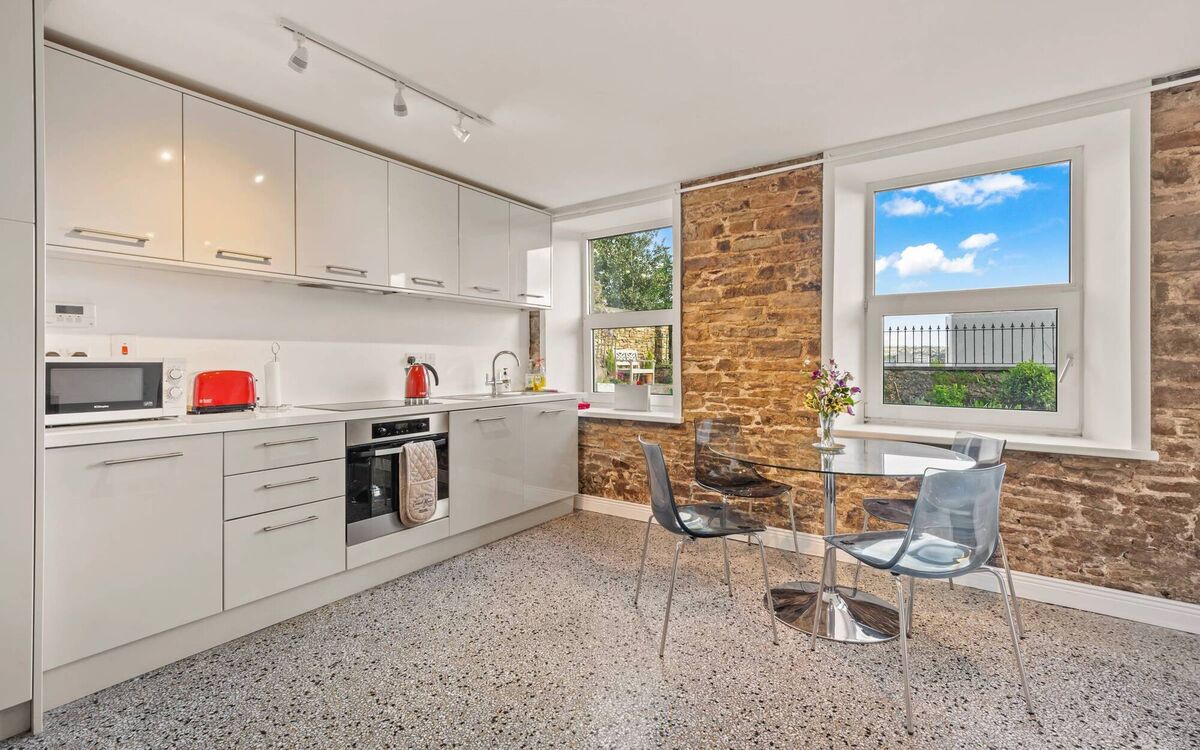
Off one side of the kitchen/dining room is a walk-in pantry and storage area. Another room at basement level has been used as an office; there’s a laundry room too with a utility off it, and beyond that, a garden shed tucked in under a small patio.
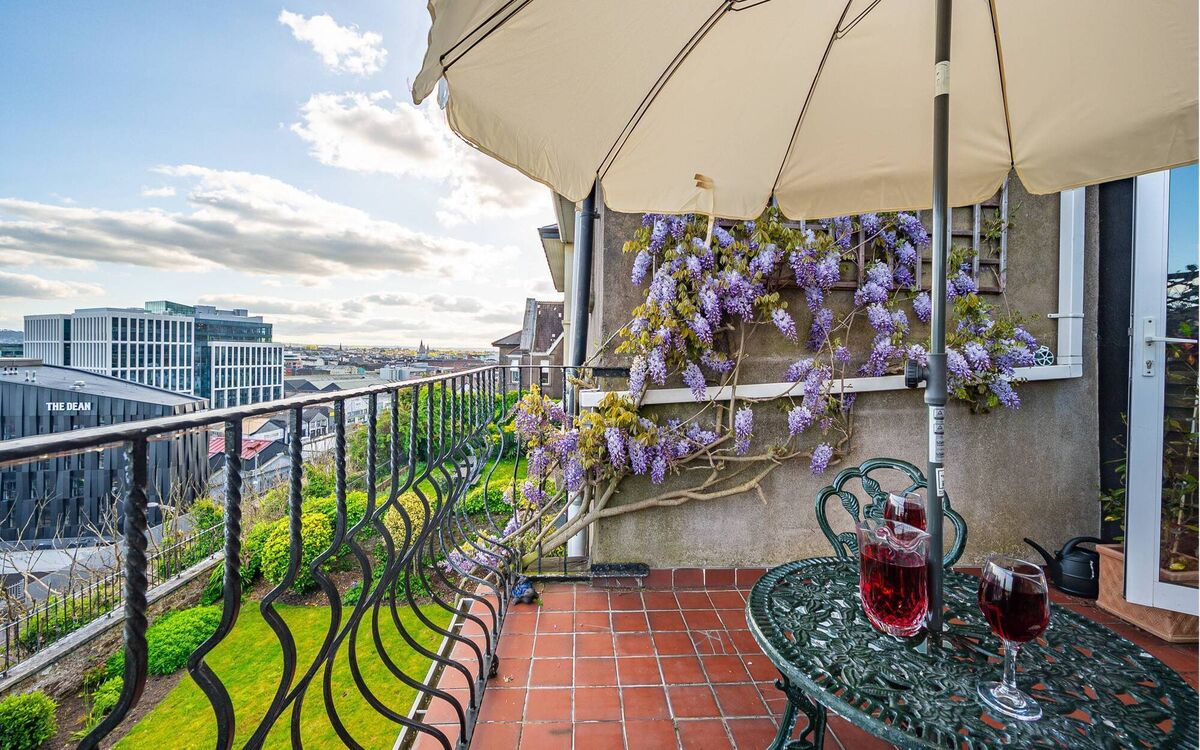
At a level above the patio, the Horgans added a terrific balcony, accessible via French doors on a half landing, with a bird’s eye view of the city, facing south, and prettied-up by a lush, forceful wisteria, that inveigled its way from the basement-level garden, up steps to the patio, and up again to the balcony, throwing off its floral notes along the way.
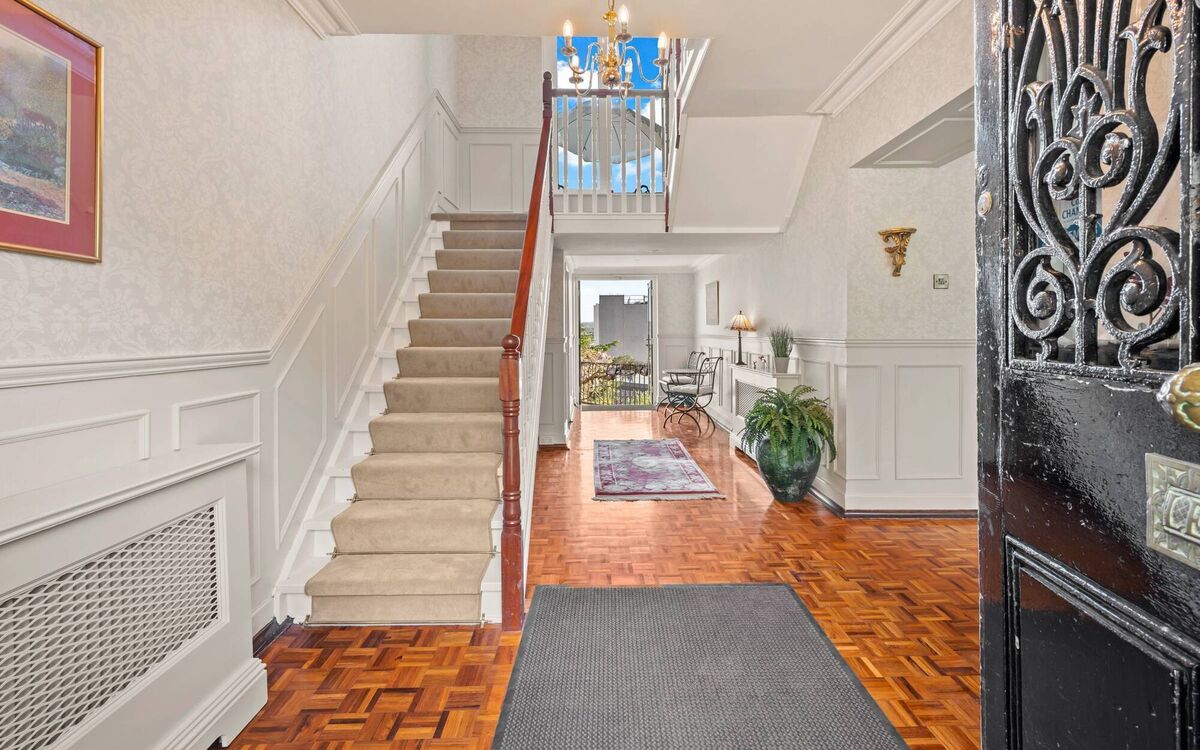
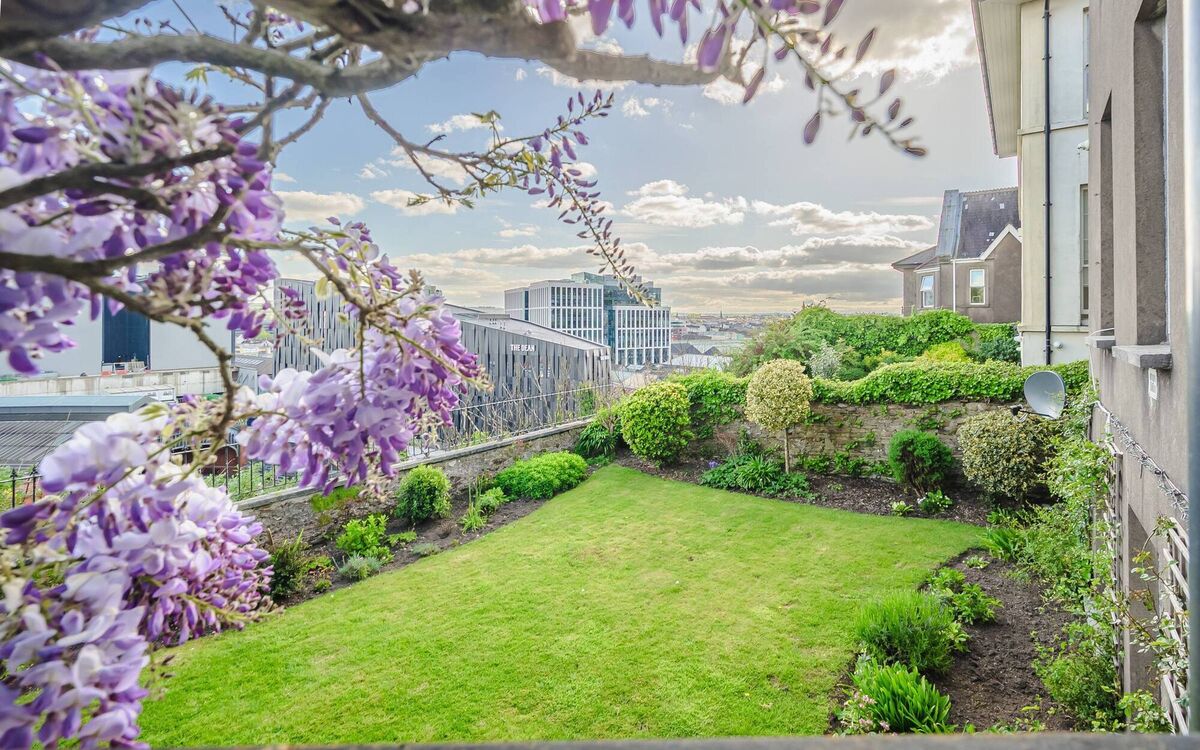
Strangely, there was no access from the house to the rear garden steps when the Horgans bought No 19, but they rectified the matter, adding French doors at the back of the entrance hall, which also allow visitors to see straight through to the city view from the front door. At the bottom of the steps, a small manicured lawn, surrounded by shrubbery, overlooks the Lower Glanmire Road.
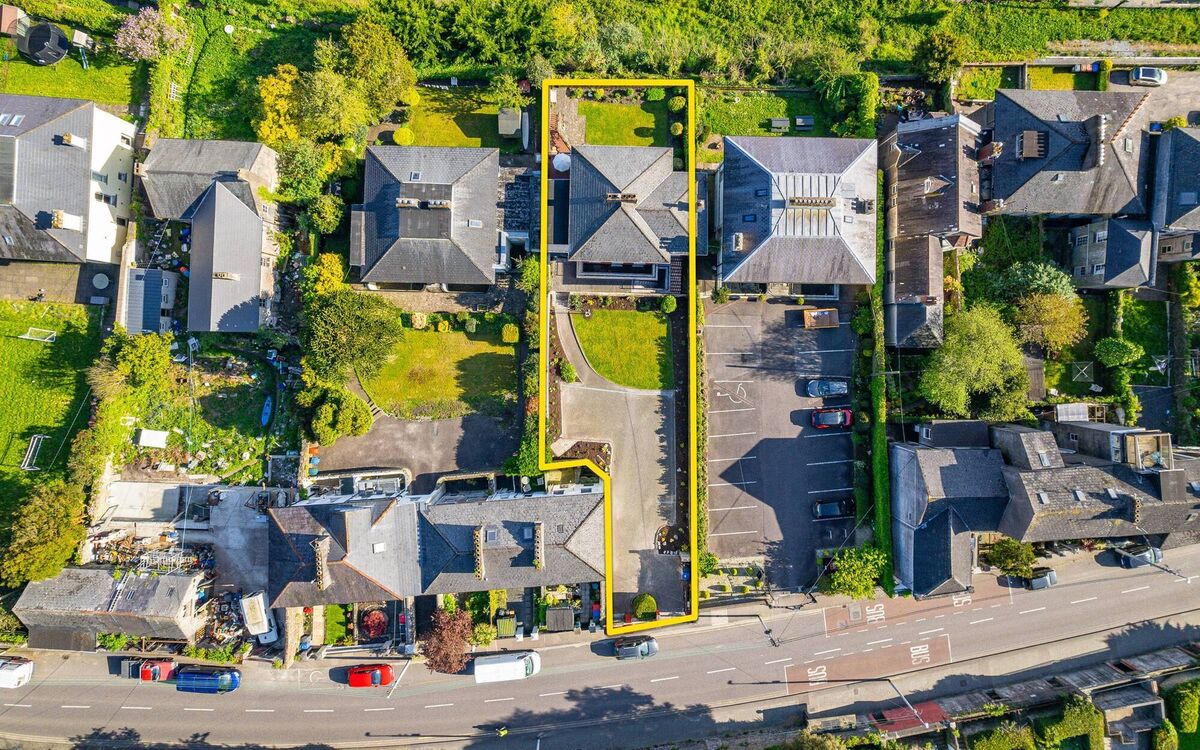
Most of the outdoor space at No 19 is to the front of the house, sloping down from the busy road that leads up from vibrant MacCurtain Street to St Lukes Cross. In a neighbourhood where traffic/carparking can be busy at certain times of the day, the Horgans made the sensible decision to create a vehicular entrance by knocking a garage. It opened up access for three or so cars to park on the cobble lock drive.
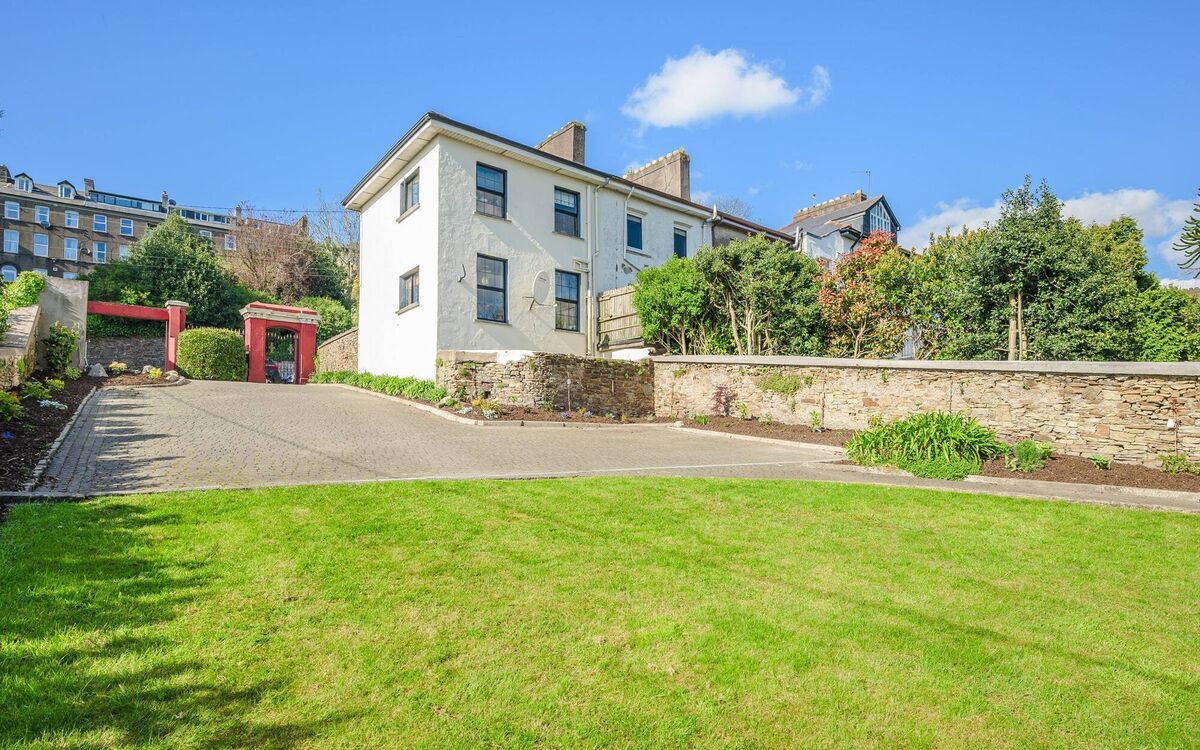
No 19 is in a very attractive setting, large and private, with lawn and low maintenance shrubbery inside lovely old stone boundary walls. While Noel Berkeley of Olympic Landscaping undertook some recent planting, Maurice did a lot of the gardening over the years.
The couple fell in love with the house when they viewed it in the late 1980s and felt the central location was ideal for their business. Even when altering the layout for commercial purposes, they were “careful not to make any changes that could not be reversed”, Eileen says.
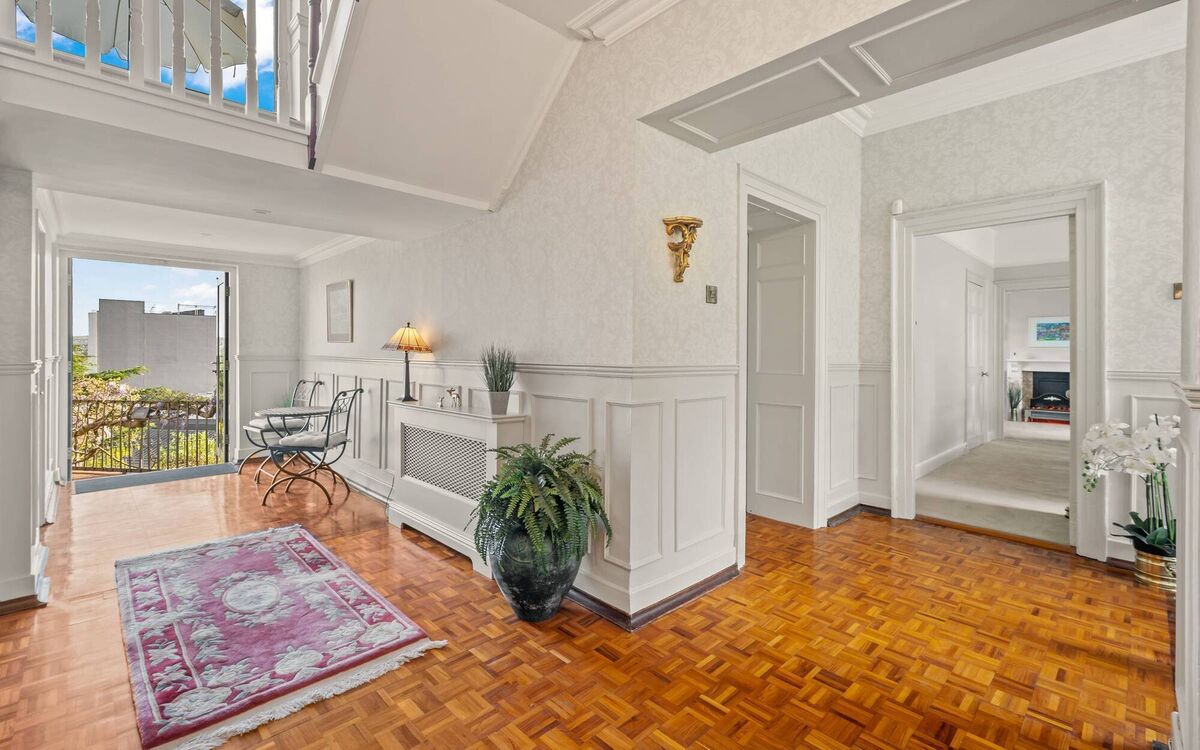
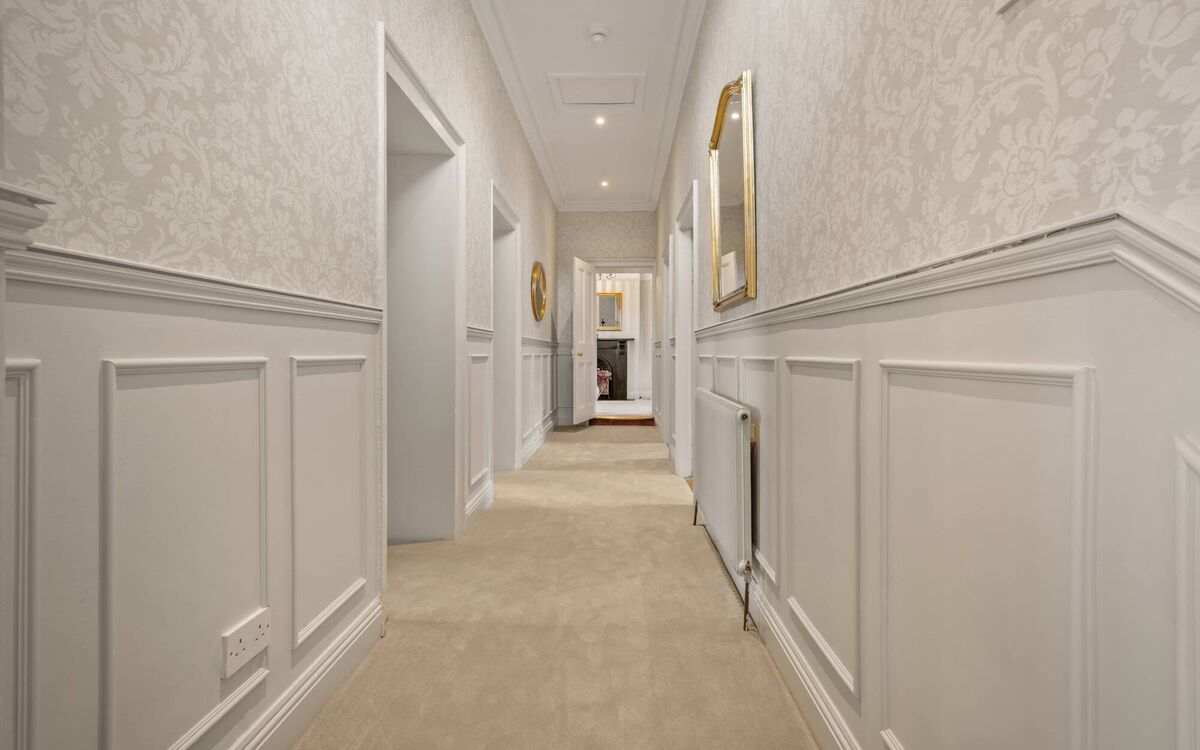
Changes that were made included replacing an open tread staircase installed in the 1960s when the house was extended to the east; the addition of panelling and coving to the hallway in keeping with the house’s heritage; the conversion of an old bathroom in the basement to a utility room; the opening up of space at the back of the main hallway by reducing the size of a large bathroom and installing a guest WC under the stairs instead; the addition of a balcony; the division of a large first floor bathroom to create an en suite for the main bedroom and the replacement of old storage heaters with gas central heating.
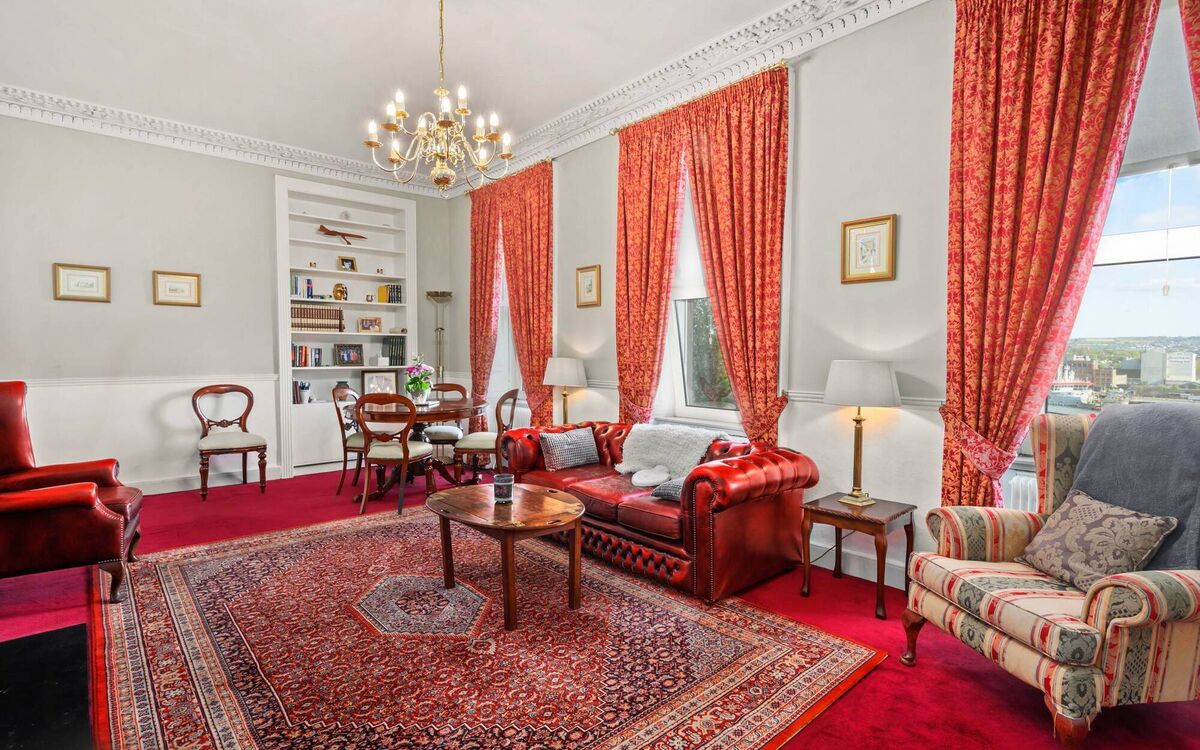
The house as it is now is light-filled and spacious with gracefully-proportioned rooms. An elegant drawing room with city views takes centre stage at entry level.
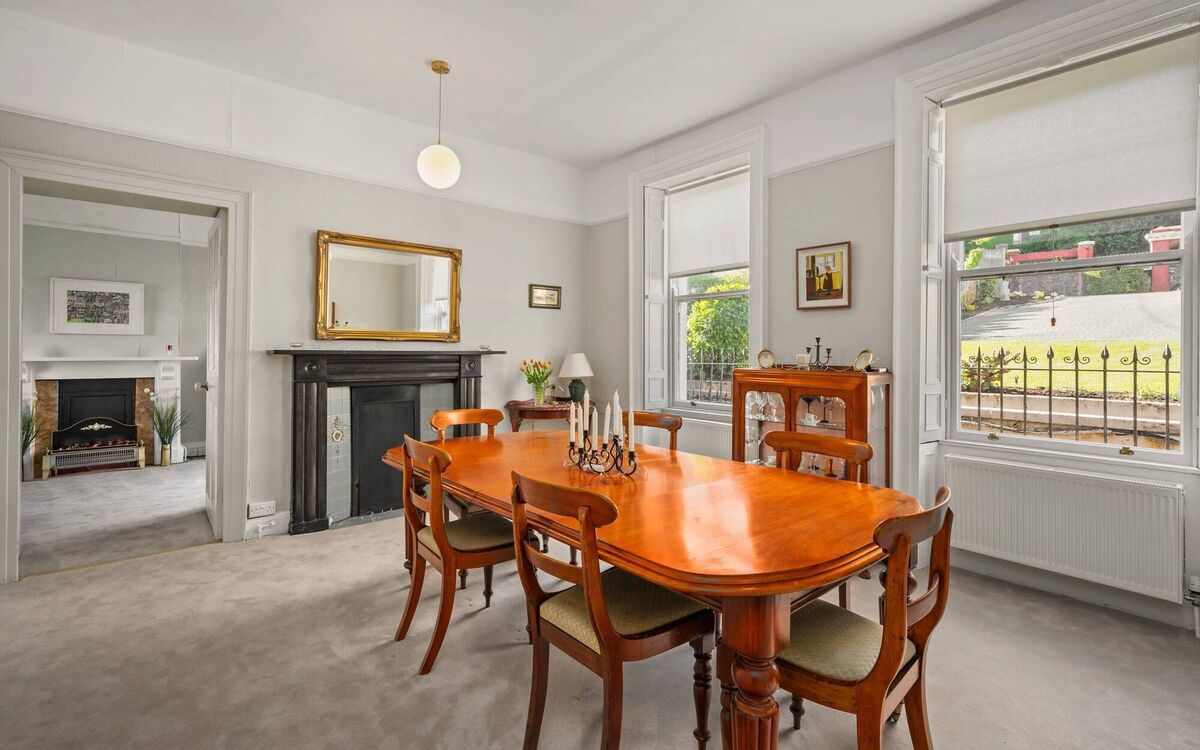
There’s also a lofty dining room, an office, and a guest WC.
Bedrooms are spread across the top floor — one was fitted with a kitchen for the convenience of a family member — so where there are now four bedrooms, there could be five.
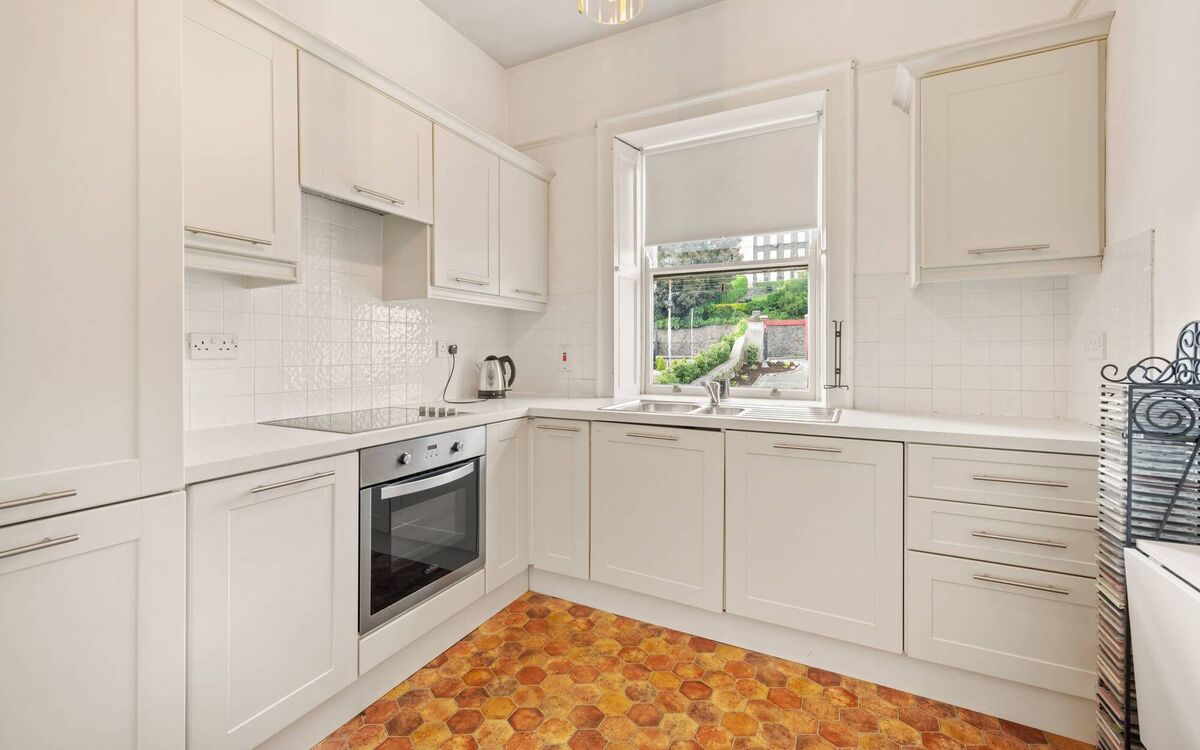
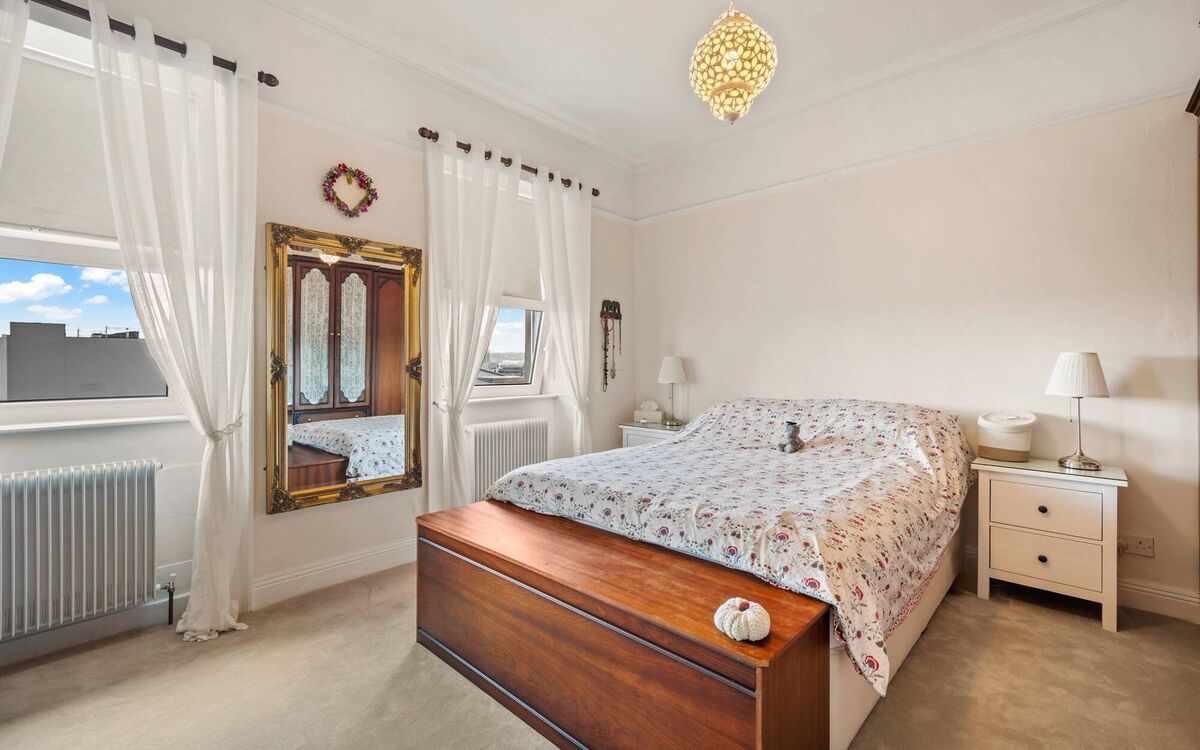
Marina/No 19 is a house of possibilities — the basement level could be a self-contained rental unit as it has its own access steps down from the driveway.
The entire property could also be a tremendous family home.
“My instinct is that it will be someone relocating back to Cork who sees the opportunity to live in a lovely period home, without the usual compromise of having to get the builders in.
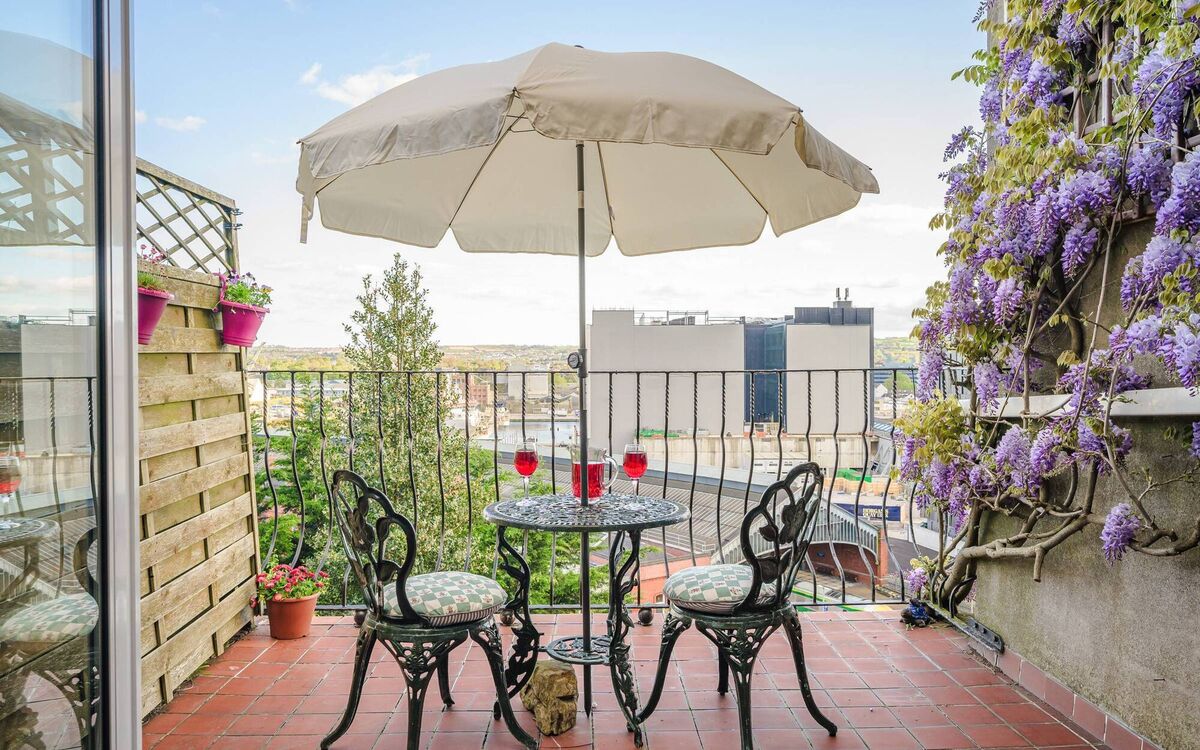
“What’s more it’s a city centre property with parking and convenient to several schools, to the train station and to the city centre itself,” says selling agent Michael O’Donovan of Savills.
“There’s a good market for this type of property and very little of it around,” he adds.
Mr O’Donovan feels it will appeal to owner/occupiers “who might take the opportunity to rent out the basement”. His guide price for Marina/No 19 is €895,000.
As for the Horgans, they would love if a family bought it. “There’s a lovely feeling to it,” Eileen says, adding that although they are emotional about selling, it’s time to downsize.
: For fans of city living, it doesn’t get much better than a period home, with off-street parking, in a truly central location.
CONNECT WITH US TODAY



Be the first to know the latest news and updates