Cork's fully fledged Eagle Lodge is historic city eyrie
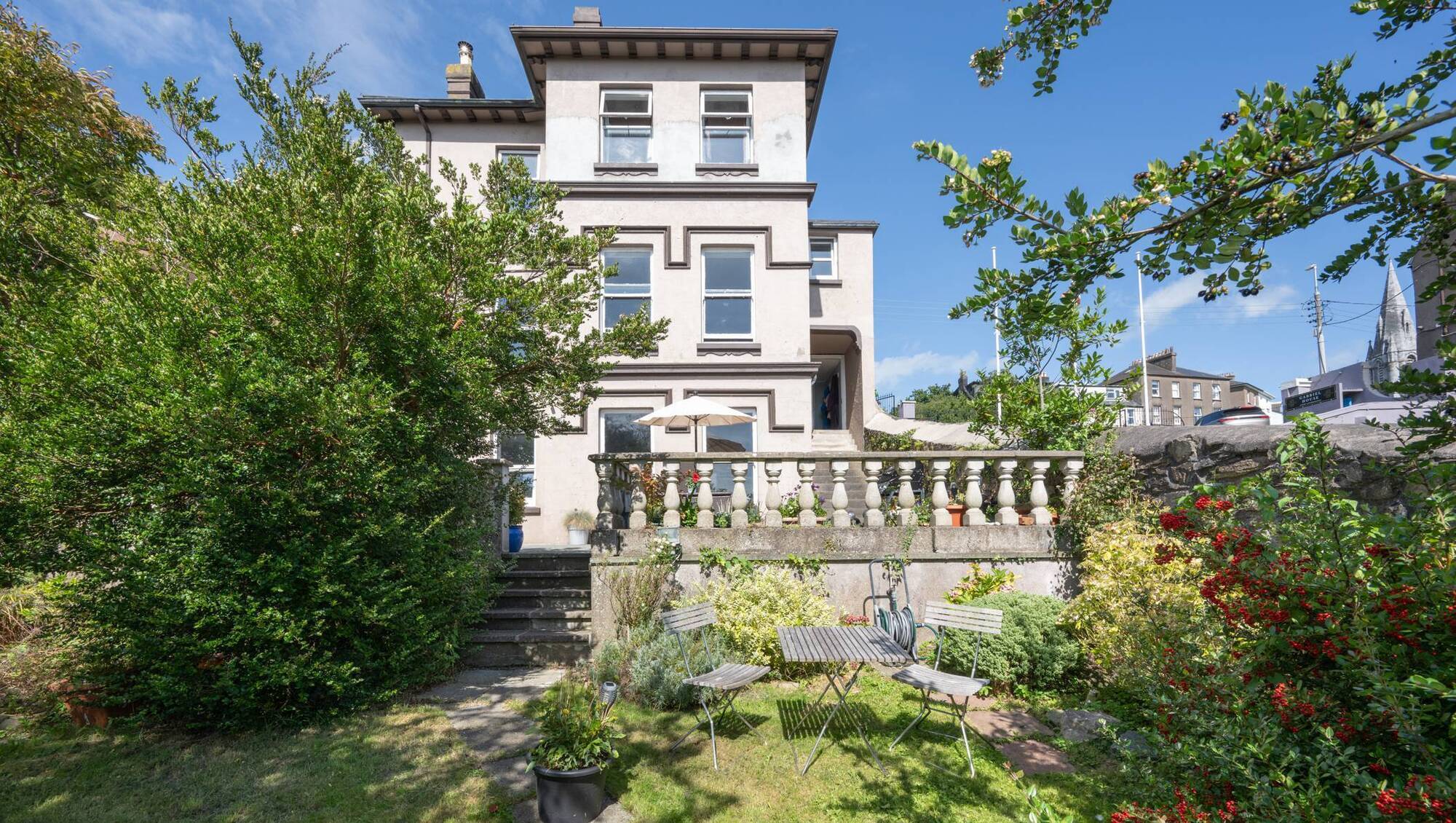
All-seeing Eagle Lodge at Summerhill North dates to the 1830s, decades before Cork's rail station opened at Lower Glanmire Road, with the old Youghal line going from the foot of Summerhill in the mid-1800s
|
Summerhill North, Cork City |
|
|---|---|
|
€850,000 |
|
|
Size |
224 sq m (2,400 sq ft) |
|
Bedrooms |
4 |
|
Bathrooms |
2 |
|
BER |
F |
Steeped in the early days of the emergence of Cork City’s St Luke’s Cross area is Eagle Lodge, a detached “villa” home, private behind a high wall, with an ever-changing city and quays panorama at its feet.
St Luke’s emerged in the first few decades of the 19th century, along with the likes of Montenotte to the east and Summerhill to the south, linking it to the low-lying city below, bookended with churches, institutional buildings, and has a barracks on the hill’s crown, dating to around the time of the Act of Union in 1801.
Much of the nomenclature of the area retains military links, such as Wellington Road recalling the Georgian era; at the city end is the now-branded Victorian Quarter, while altogether cheerier to modern ears is the likes of Summerhill, holding the promise of sun-warmed homes from its setting both on a hill looking south, and graced by the sun to boot.
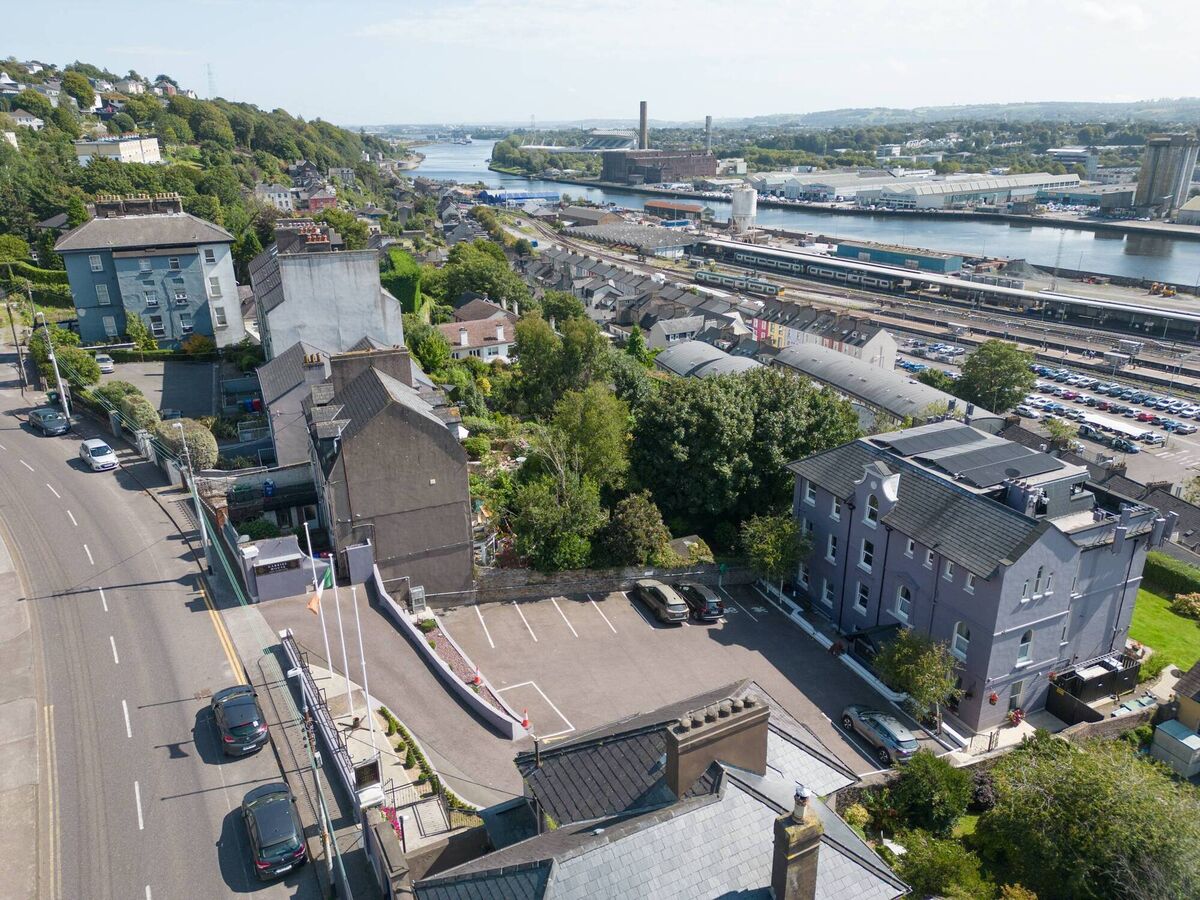
This is where Eagle Lodge has its private eyrie, where Summerhill North turns a corner just before St Luke’s Cross, and the detached family home is one of the road’s handful of detached houses, with terraces more typically the norm along its slopes.
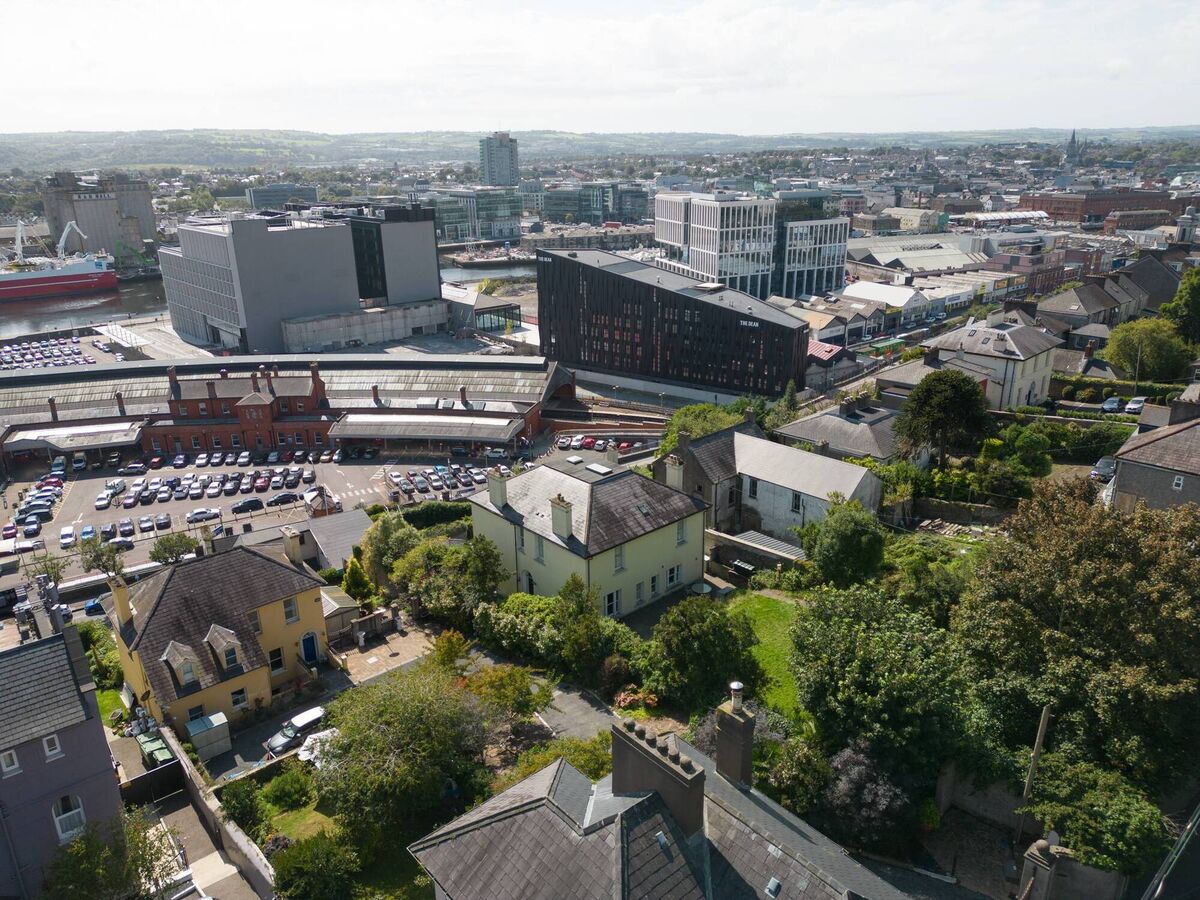
Gabriel House (its gable is glimpsed pic here) is just uphill of Eagle Lodge, which comes to market now for the first time in decades, as a trade-down move by owners, the McCarthy family who have strong family links over generations to the hinterland, at Clarence Terrace 100 metres away, and over at Hardwicke Street, 1km away to the west just on the other side of St Patrick’s Hill.
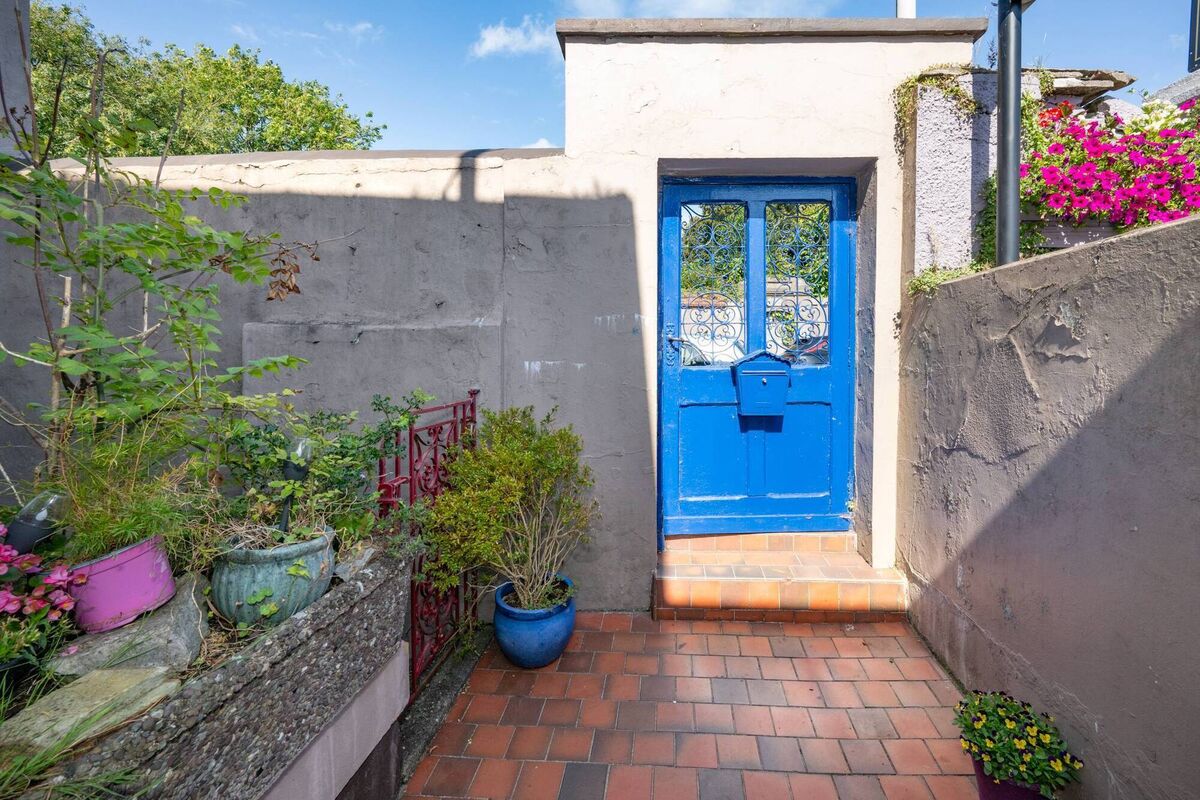
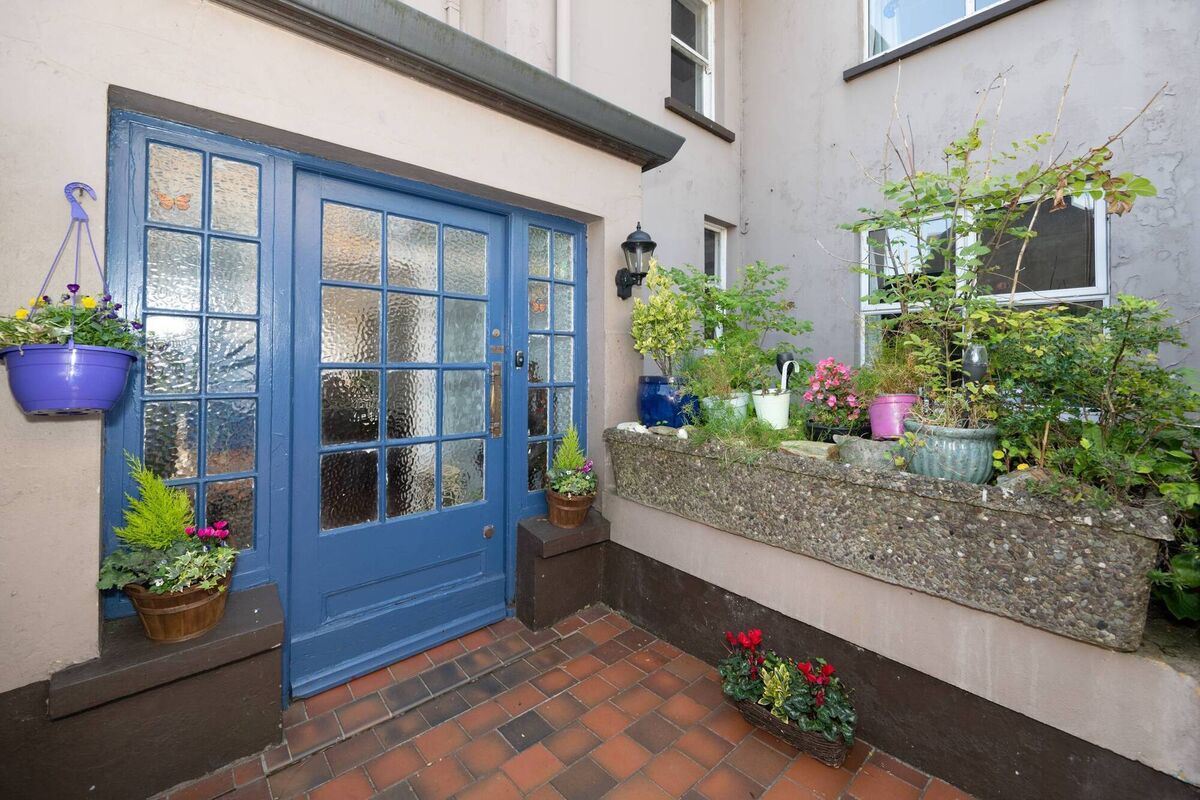
Once through the entry portal (an original old timber door with wrought iron tracery giving only glimpses of the house’s entrance), there’s a first clue as to interests of the family with three now-adult children reared here and since departed the eagles’ nest, with some revisiting now with grandchildren in tow. There’s a view of a mid-level room entirely lined in bookshelves, testament to vendor Marian McCarthy’s long tenure at UCC, as a former governor, and vice president of the Department of Education in UCC after an early career start in secondary school teaching, with interests as diverse as drama, teaching and learning.
The family home is fresh to market with Megan Forde of Sherry Fitzgerald who guides the detached three-storey, four-bed at €850,000 and who can expect a good cross section of interest in the place with nigh on two centuries — and counting — of Cork history in its DNA.
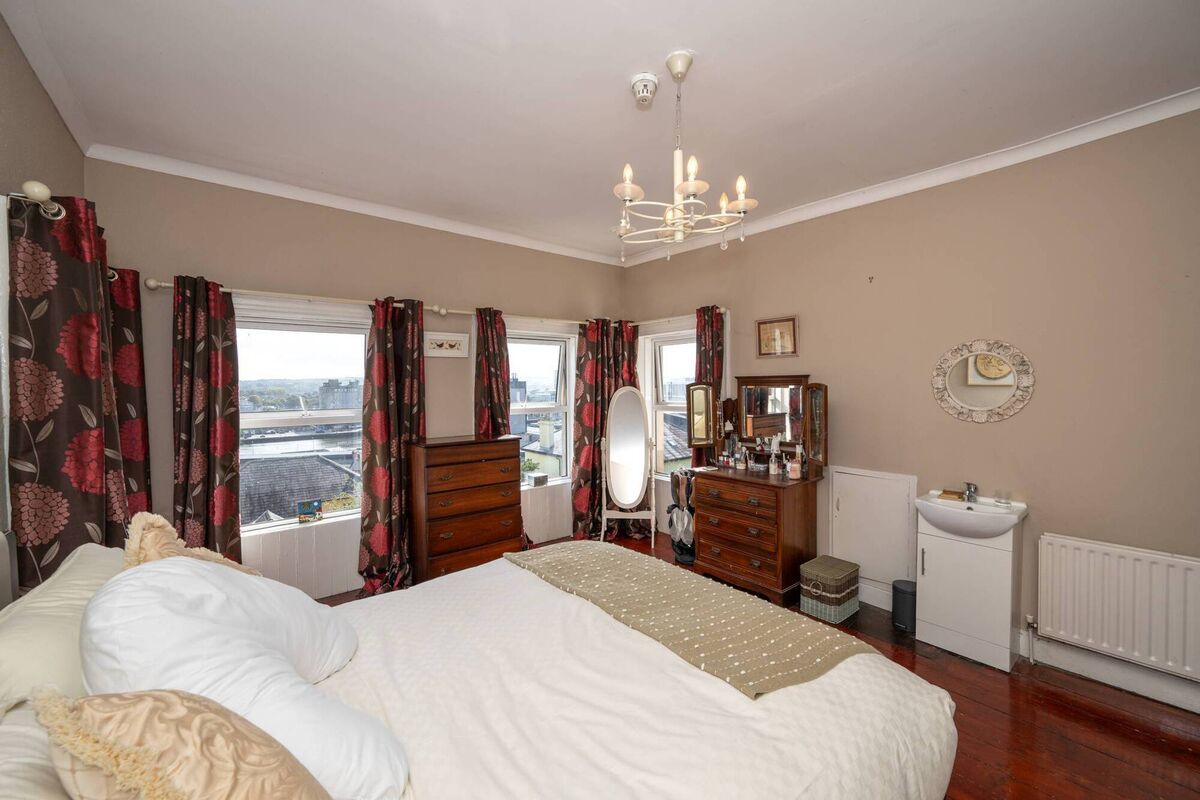
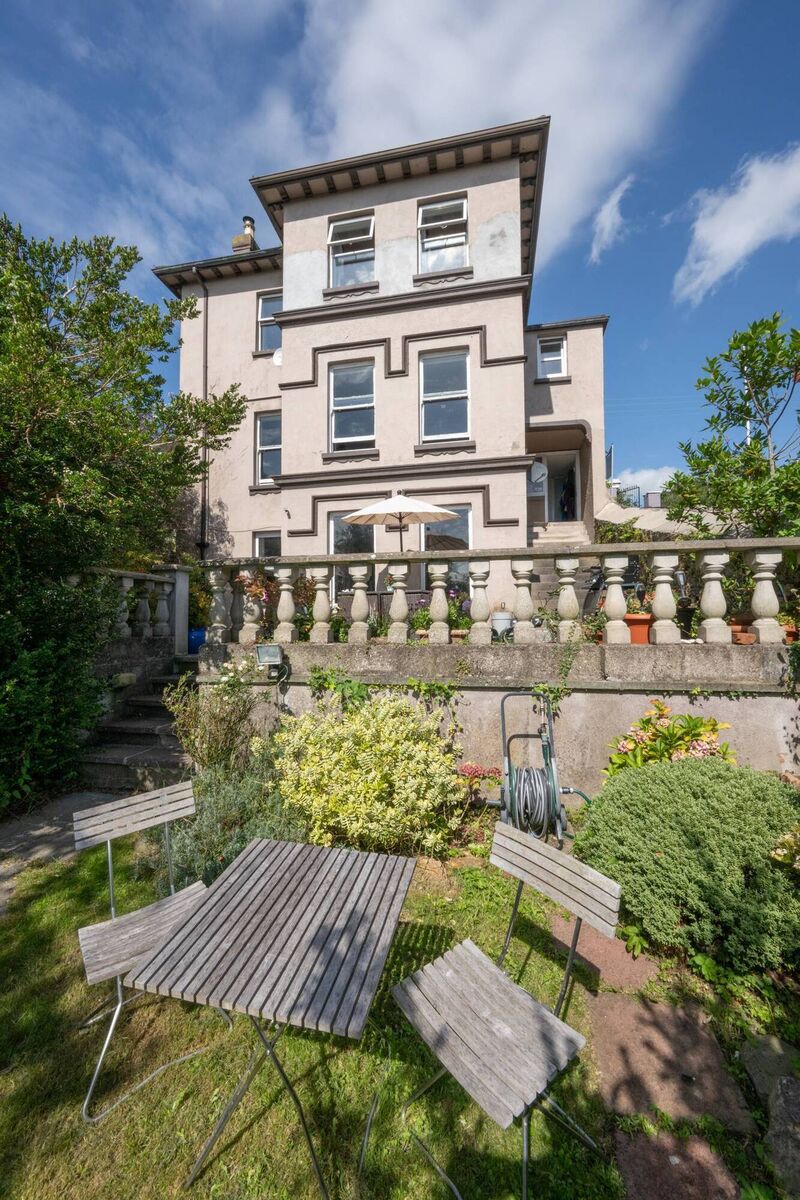
It feels straight and upright, with tall ceilings and interesting-shaped rooms on the two upper levels, including the L-shaped living room, with no fewer than five sash windows, thanks to a two-bay box window protrusion which runs over all three levels.
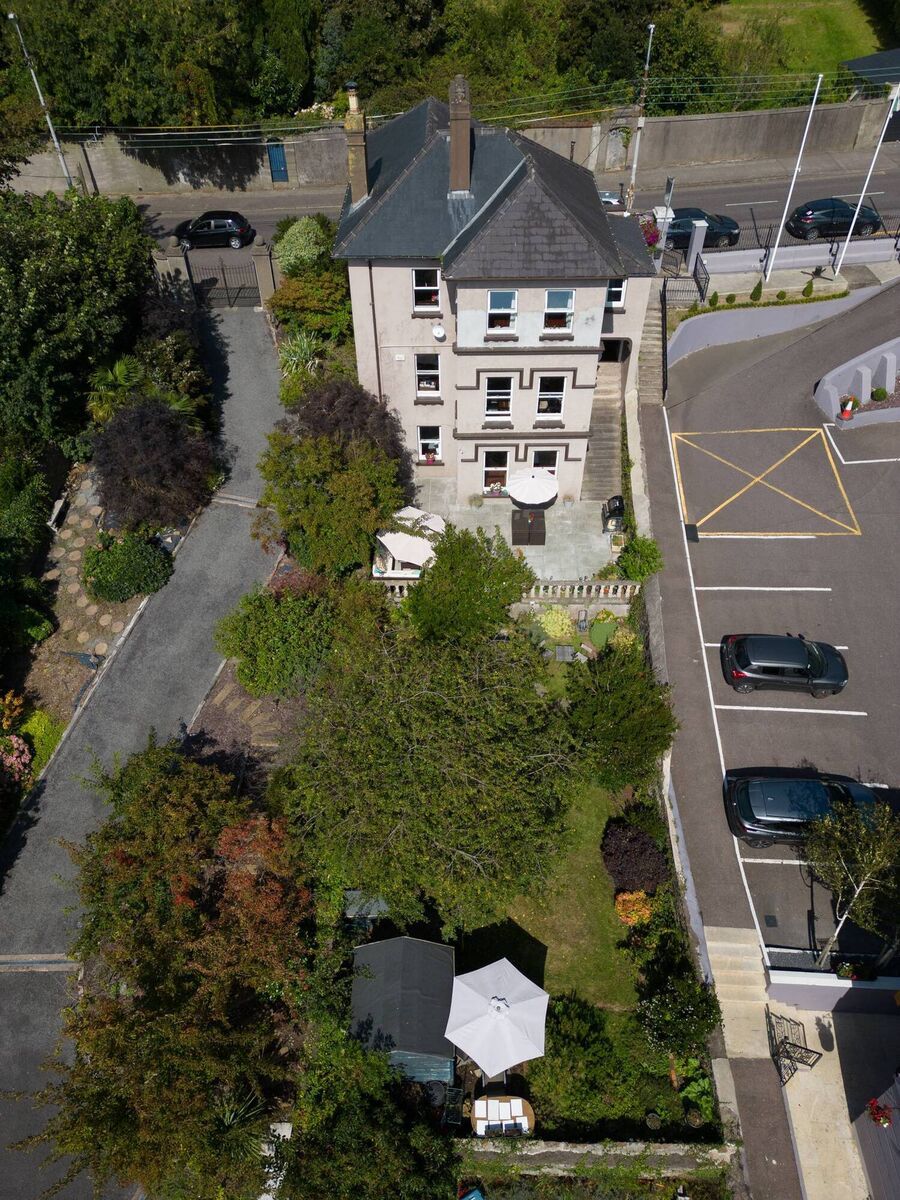
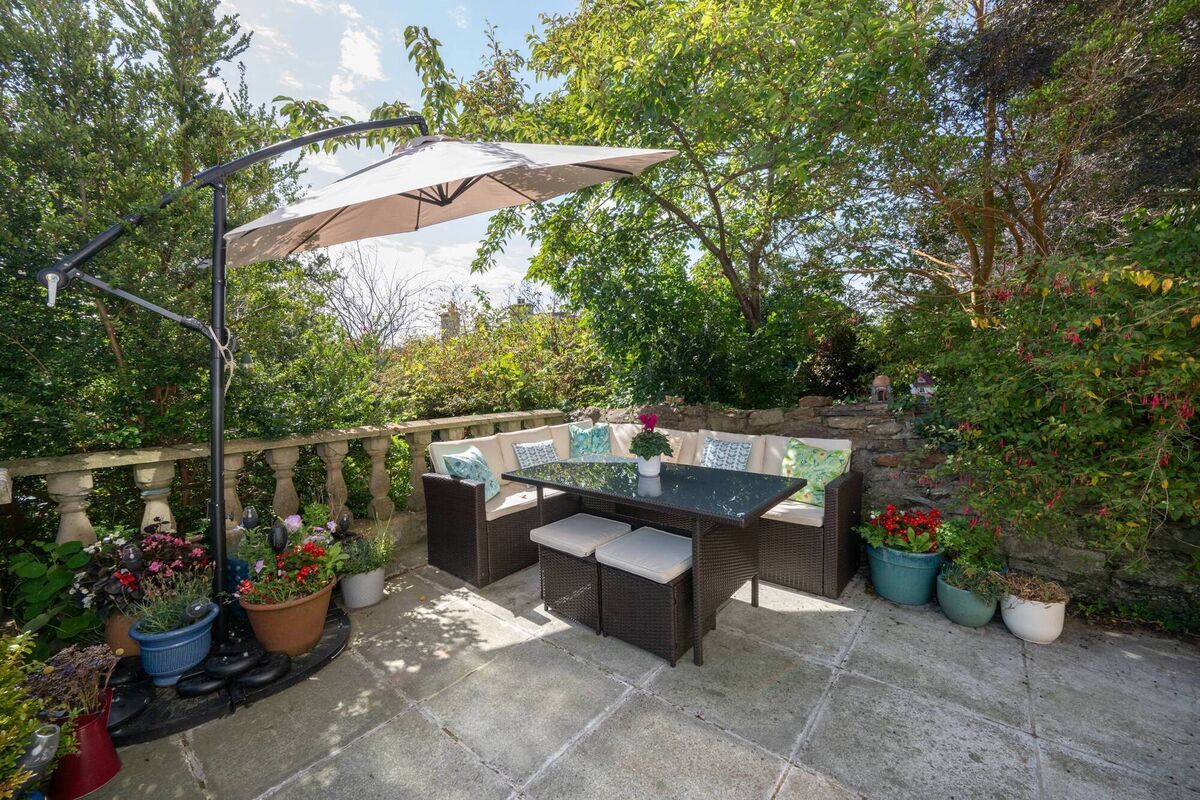
It’s likely whoever buys now will enhance this outdoor space even more: A sun room, conservatory, or orangerie would be the cherry on top or, more correctly, on Eagle Lodge’s well-feathered nether regions.
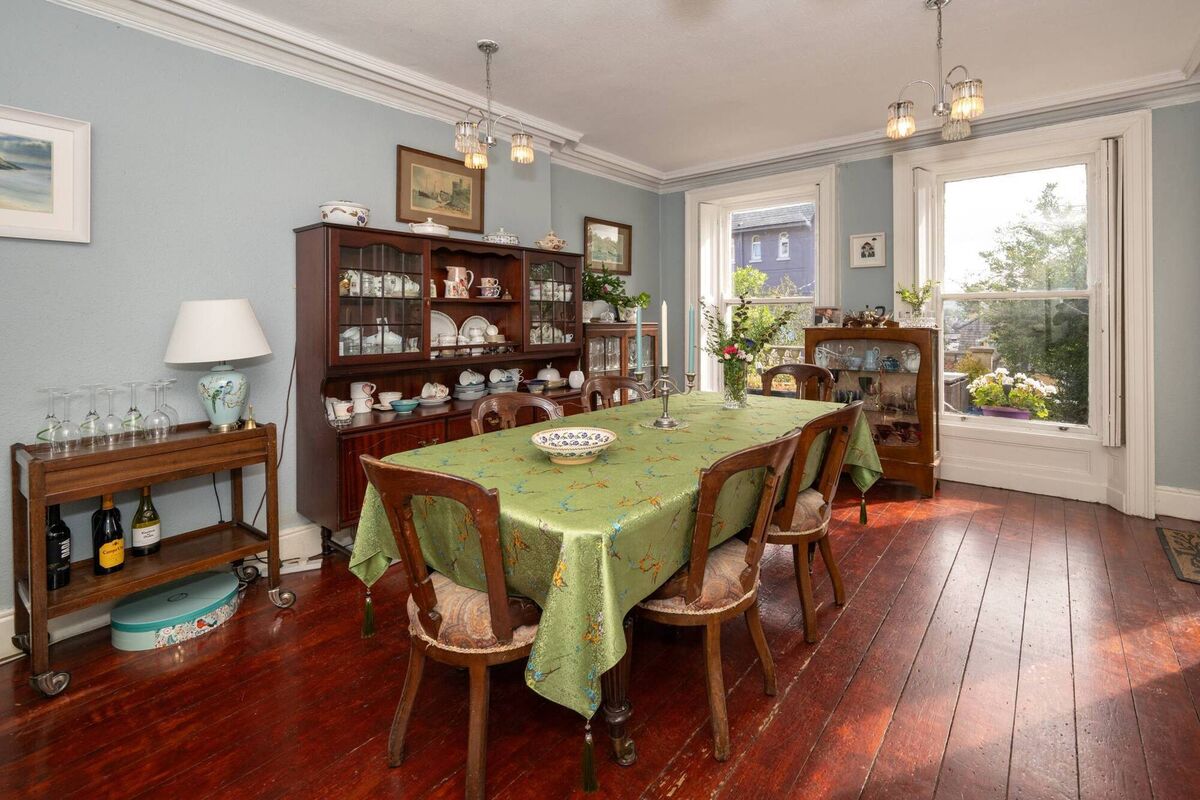
This 2,400 sq ft detached has three top-floor bedrooms — one a scene stealer with the window bay, but it has a rival which also has real appeal, looking back up the bend in Summerhill to the former St Luke’s Church.
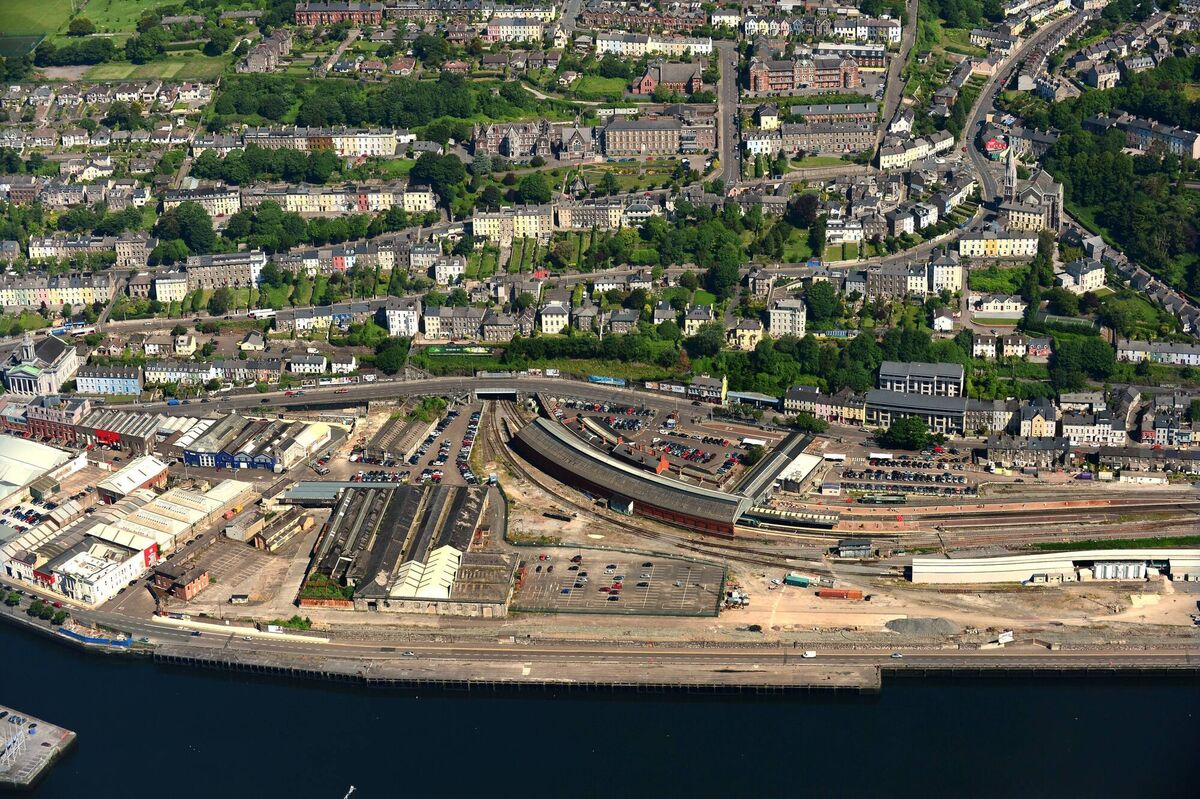
Originally built in the 1830s as a chapel of ease to St Anne’s Shandon — simultaneous with Eagle Lodge’s origins — it was replaced with a larger church in the 1870s, after land was also ceded for rail station building at Summerhill’s cliff edge, the old Youghal line.
The church is a popular performance/concert venue, part of St Luke’s Cross steady evolution in the 21st century as a residential location with the city at its feet.
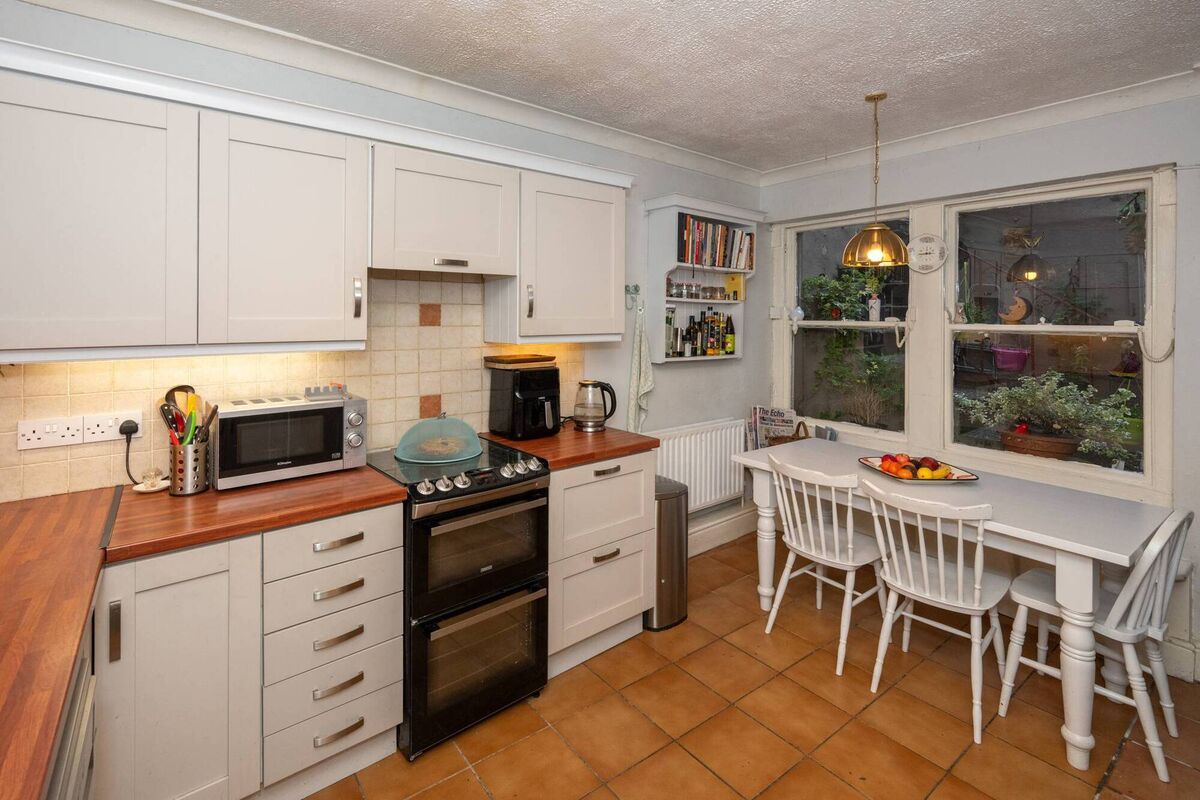
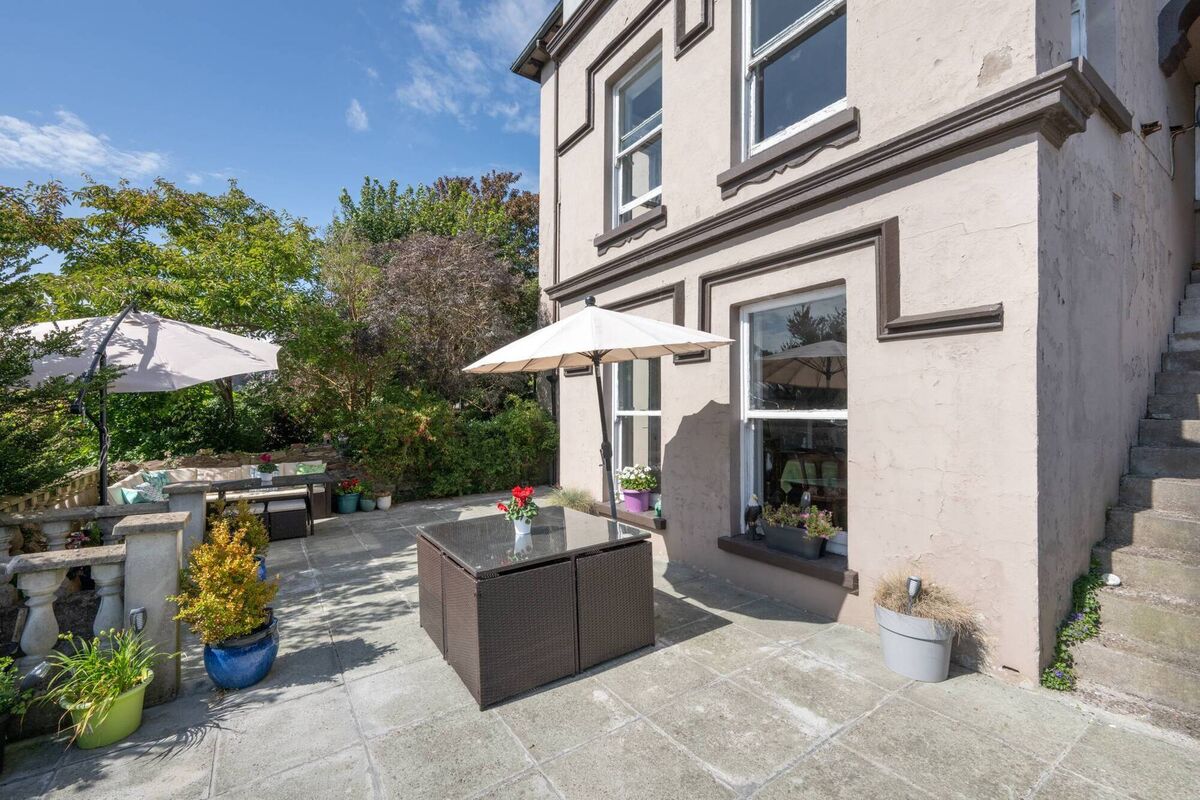
Inside Eagle Lodge’s private world, attractive features include the herringbone wood floor in the hall and library, old niches and floors, working window shutters, niche cabinets such as the built-in one in the lower ground floor’s dining rooms, and the utter usefulness of the laundry/utility room in the old arched space by the lower courtyard and where an old access point to the rear garden is closed up, but may be easily reinstated.
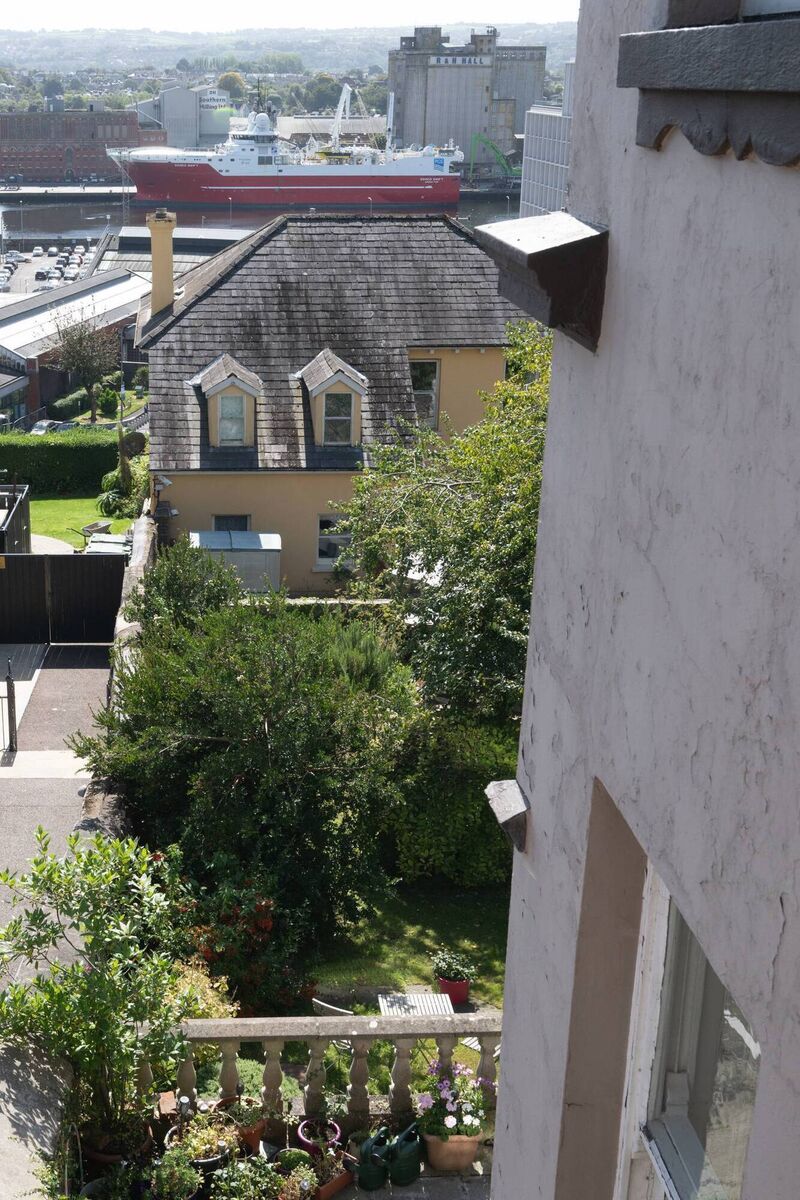
In any case, there’s access down steps off the mid-level’s hallway, and from the dining room. Yet another option is to replace the lower floor’s bedroom window with a glazed door, as much of urban(e) Eagle Lodge’s appeal is the joy of having that private terrace and garden in its walled embrace.

CONNECT WITH US TODAY



Be the first to know the latest news and updates