Hidden treasure in West Cork for €595,000

An Edwardian home, Maryville, on four of its very own higher ground acres, is set in one the prettiest seaside villages on the Wild Atlantic Way
Hidden treasure in West Cork for €595,000

Union Hall, West Cork

€595,000

Size

207 sq m (2,215 sq ft)

Bedrooms

4

Bathrooms

2

BER

Exempt

Fancy living in the Irish countryside, with land, and a glorious meadow? Only in a village? Beside the sea? And in a place set to have its glories shown to the world next year via Netflix?
Look no further than the lovely, lovely, Maryville, in the Listarkin townland of West Cork’s Union Hall, where all the action right now is interspliced by the visits of Netflix crews and actors filming Bodkin, for Barack and Michelle Obama’s production company, Higher Ground (There was so much sun for the first filming in June that the crew had to douse the village with hoses to recreate Halloween and winter weather for the scene!.)

An Edwardian home, Maryville, on four of its very own higher ground acres, is set in one the prettiest seaside villages on the Wild Atlantic Way, and also near beaches and moody headland walks.

It’s a very reluctant sale this fine summer month, arriving via estate agent Niall Cahalane of Cahalane Skuse from the nearby parish of Castlehaven, and he guides it at €595,000, while the vendors’ chagrin at selling up will be to some lucky buyer’s good fortune. The buyers will only need a modest small fortune to make even more magic of it, because it needs further spending.

“My seven-year old granddaughter said to me "do you have to sell it? If I give you all of my money, can you keep it,” admits reluctant vendor, Esther Burke ruefully, on a privileged walk around the house and its gardens, an absolute delight for one and all, and not just children playing hide-and-seek, climbing trees, camping out, or keeping ponies.

Maryville is exactly the sum of its parts, more to its credit. It’s been a family home for generations of the Burke family, for 69 years, and most recently for Esther and her husband Padraig, the local vet and a community lynchpin. He passed away two years ago, and was aged just one year old when he came here, one of seven children reared in Maryville in the mid-20th century.

The home was shared and enjoyed by extended family, and visitors, even since, including dozens of children, plus grandchildren, and now great-grandchildren of the Burkes who first bought here.

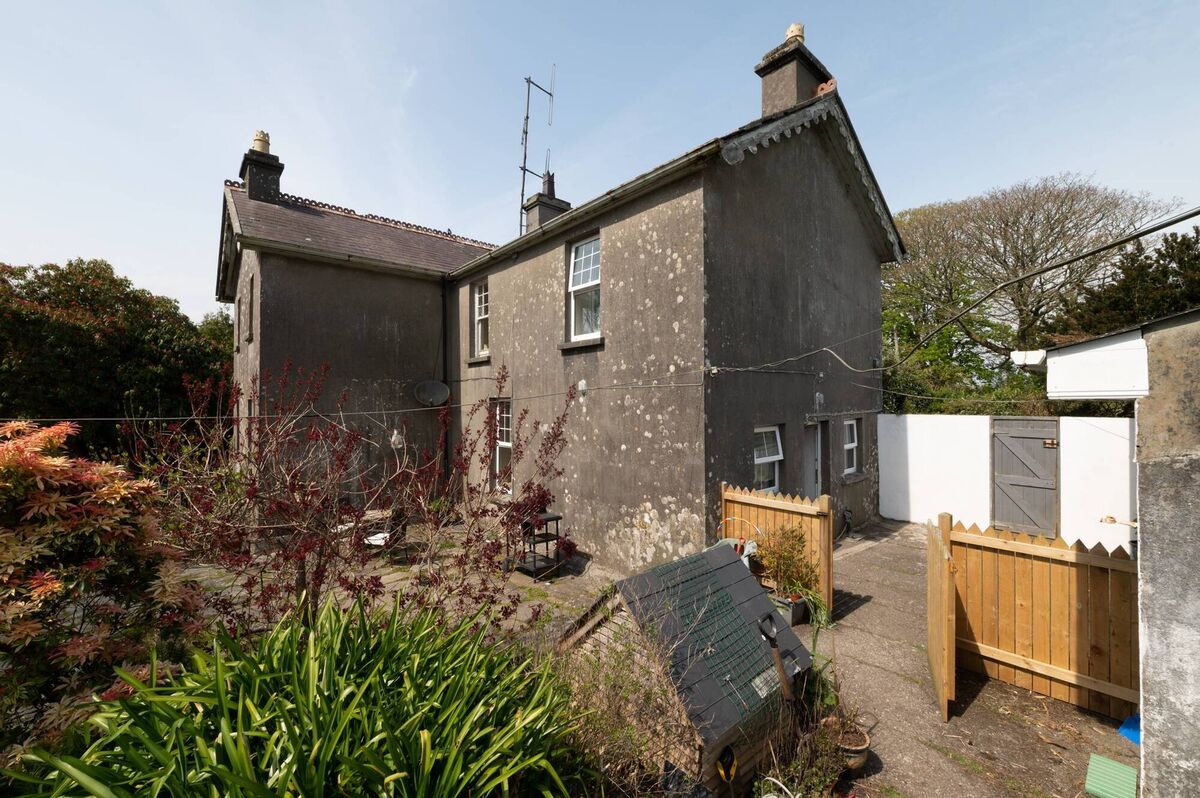
The robust 1911-built detached home of stature (but, curiously not that large, despite appearances from the front) was built by a local shop-owning family the O’Donovans for themselves but they never moved into it and it was rented to various others down the intervening years, before the Burkes’ long, long tenure.

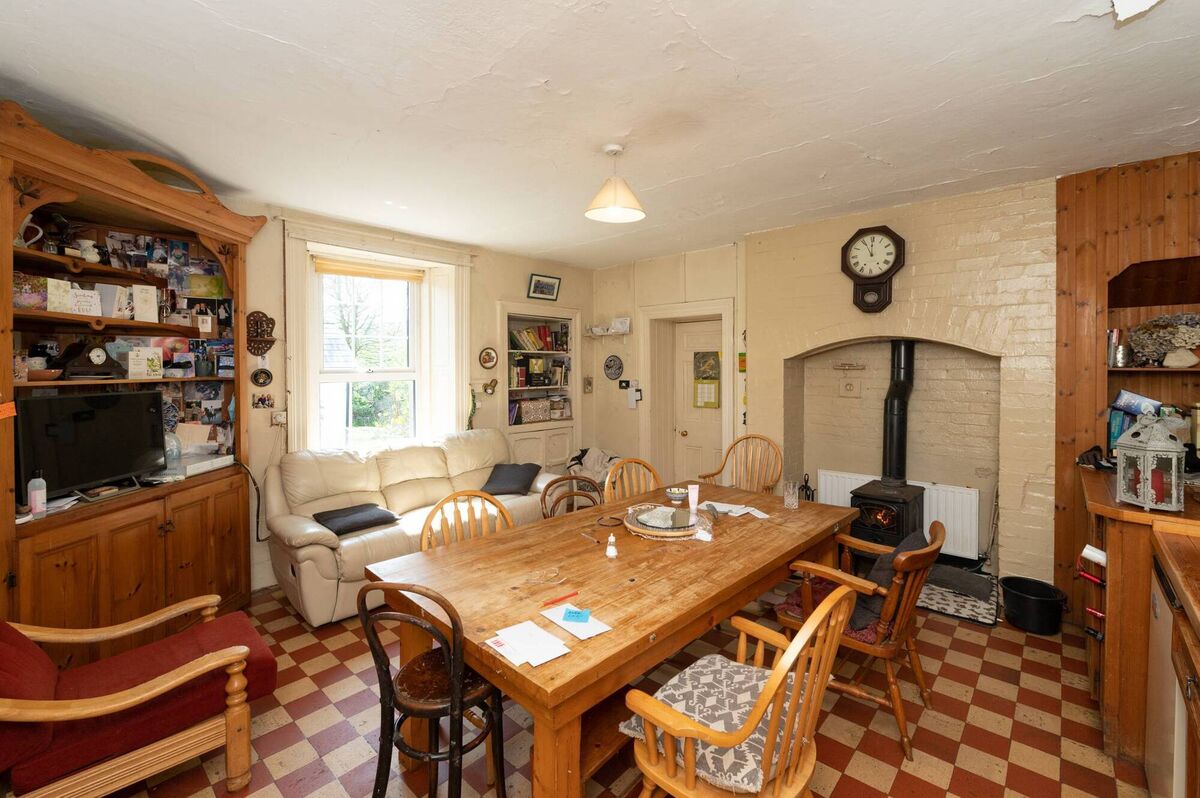
It’s entirely original still though money wasn’t thrown at it and everyone just rubbed along with it.

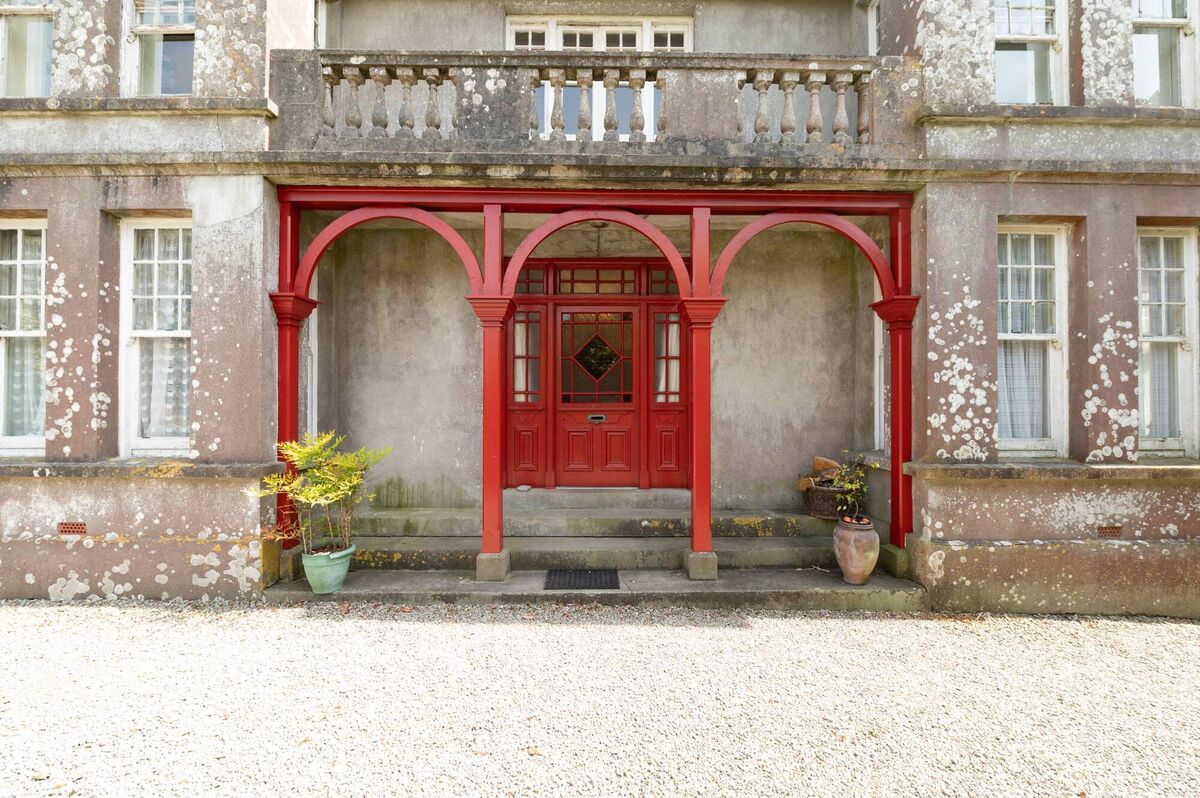
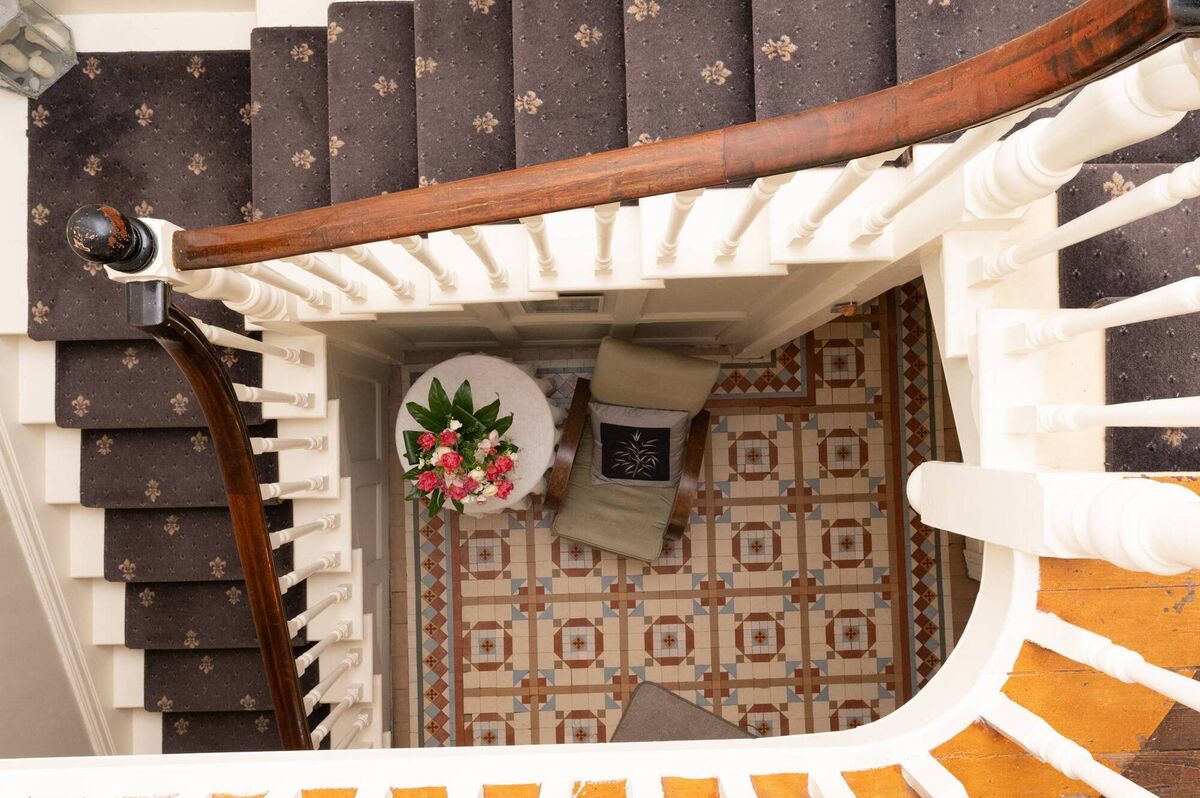
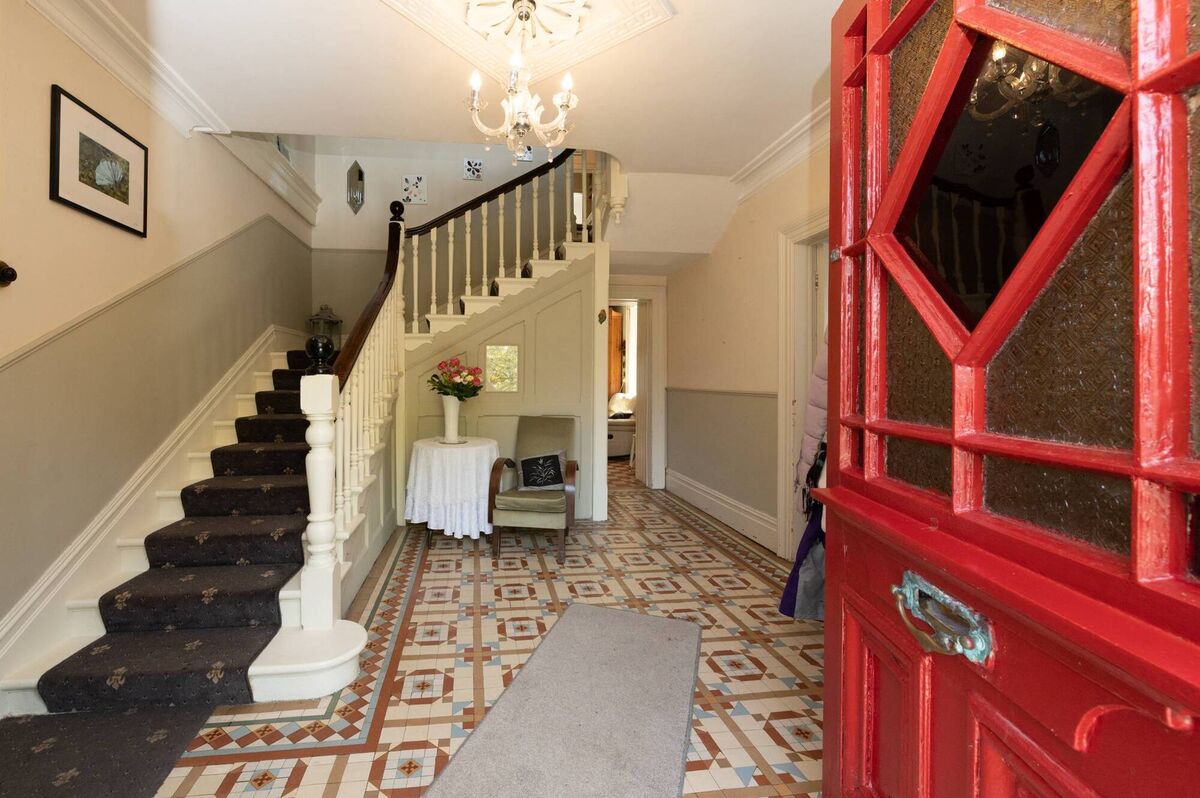
It’s got its beautiful original burgundy painted framed, triple arch porch and detailed multi-paned front door, with balcony/veranda over; its original nine-pane over one pane sash windows are all here, but a bit shook. It has unusual, pale encaustic Victorian hall floor tiles and window bays, with some elaborate plasterwork arching over the insides. Both main reception rooms and all four bedrooms have original fireplaces.

The front rooms, top and bottom, are double-aspect and bright (but most likely cold in winters, to date) and Maryville has one of the kindest staircases one can imagine, with the lowest of low rises between the steps, easy for the aged, or the very young. Fitter folk, and those in a hurry, will take these steps two at a time.

These are the sort of details Maryville encourages a caller to notice — and that’s only on a cursory walk-through. There’s so much more. It is reached up a verdant green avenue from the road into Union Hall by the GAA pitch and playground, fringed on both sides by mature trees and with an enormous Scots pine on the right, surely older than the house itself.

Elsewhere are beeches and maples in kind canopies, as well as a front lawn, sloping and with the remains of apple and other fruit trees from an old orchard, now needing fresh graft and maybe some heritage fruit trees too. There’s a fruiting fig on the sunny west wall, and some magnificent, full-scented roses, currant bushes, as well as a shed and lean-tos, plus old stone stables.

There’s also a long glasshouse, made decades ago in galvanised steel and still able to be productive.

A couple of old kayaks are scattered about in various states of repair: The family love canoeing, and many of them have done the Liffey Descent. Whoever buys here may also love the sea, and it’s only a mile away, less of a distance even to the lagoon in the village centre.

Also within a walk is the pier, the village, and the Dockside bar and restaurant (you can hear the sounds of children at the playground and the GAA pitch from the gardens) as well as a lily pond on the road to Carrigillihy beach, and the spit at Reen, facing Castletownshend.

Behind the house, and rising up and away from its courtyard and outbuildings (one was Padraig’s veterinary surgery, another was Esther’s — she works as a pain relief therapist) is Maryville’s hidden treasure. It’s three acres of meadow, bounded by mature trees, and with great views down to the water and the bridge, used by the family for picnics on a grand scale (the theme from Black Beauty may or may not be audible, depending on one’s imagination).

If fields can be special then this meadow is one of the sweetest of them all. In a village. By the sea. With a home to match.

VERDICT: Every penny spent here will be worth it — it’s been a privileged place for generations

More in this section

Revoiced

Newsletter

Sign up to the best reads of the week from irishexaminer.com selected just for you.

Cookie Policy Privacy Policy Brand Safety FAQ Help Contact Us Terms and Conditions

© Examiner Echo Group Limited