Should I use blocks or timber to build my new home?
Planners are not concerned with the external fabric of your home so typically this choice takes place post-planning permission.
Hello Michael,
Thank you for this wonderful and topical question. It is true that once you have signed off on your new home design with your architect that you understandably begin to look at what is the best frame type for your external envelope. Planners are not concerned with the external fabric of your home so typically this choice takes place post-planning permission.
There are, however, many factors at play here so let's look at the various frame types in detail and how they may affect your decision in a new home build.
In pure terms, I have found blockwork walls and a trussed roof to be the more cost-effective frame solution for a straightforward house but there are additional complexities in dealing with blockwork. It is a more difficult project to run and blockwork is a wet trade so you need to ensure that the masons have an adequate supply of blocks at all times and you need to ensure that the other accessories (ties, mortar, insulation, lead, damp proof courses etc) are sourced in advance and kept in adequate supply on-site.
In addition, you may need a boom forklift or load-all to lift bales of blocks to upper levels on-site and you may need to modify the scaffolding as the masonry progresses. Concrete products, (blocks, mortar) have increased in cost lately and, unfortunately, mason labour rates are still rising.
In a complex building with large spans you may also need to introduce some steel beams. Steel too has risen in cost in the past year. A benefit of blockwork, however, is that it is somewhat straightforward if you are considering an extension at a later stage.
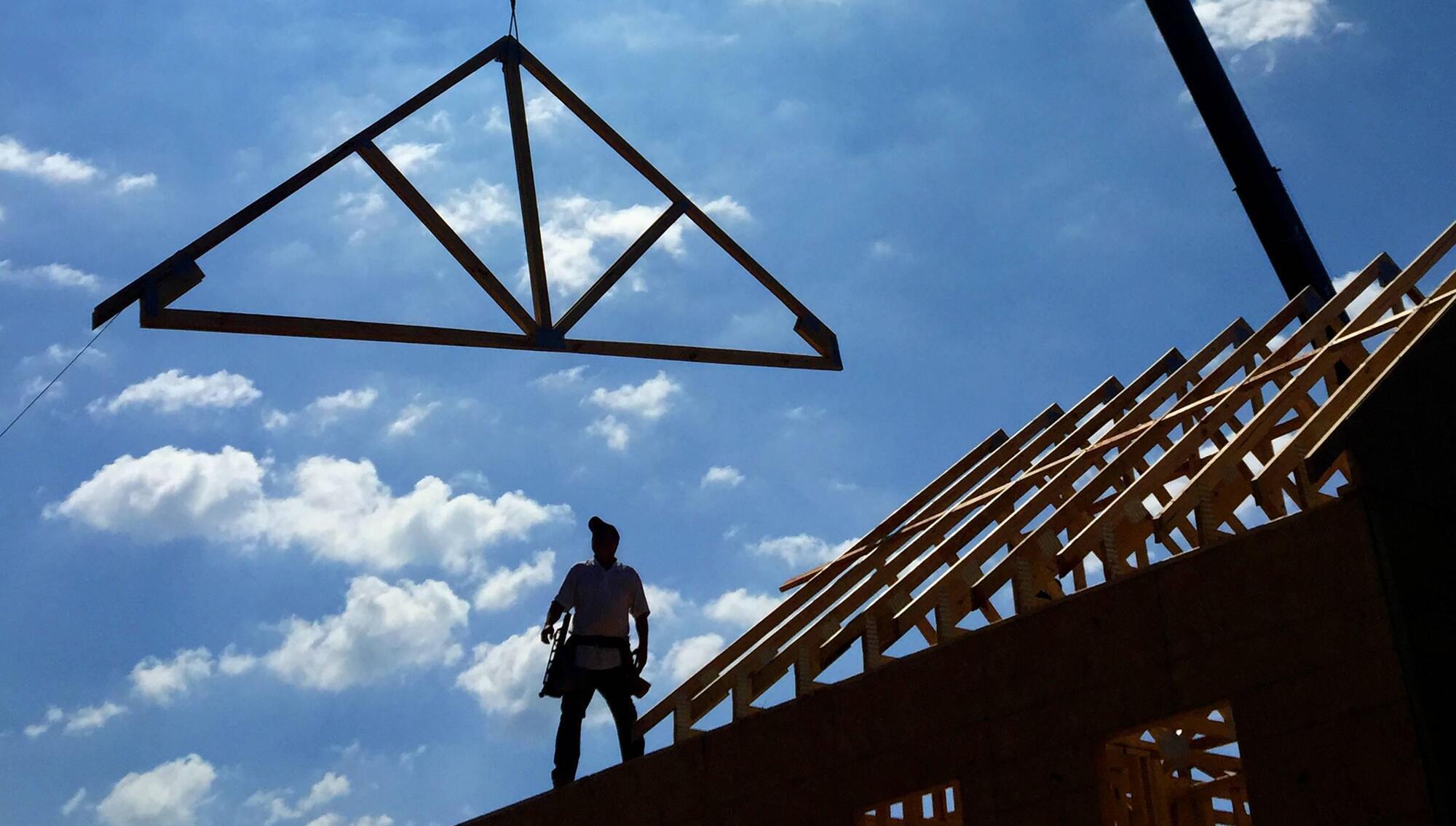
Whereas I have found timber frame to be slightly more expensive to build it does come with many advantages, particularly for the direct labour self-builder. The timber frame is built off-site and merely assembled on your land. Once you have your foundations (up to and including floor slab) and scaffolding in place you are ready to go and in 1-2 weeks you will have your frame stood and roof felted.
A tip here is to order your windows at the same time as your frame so you can agree window sizes with your frame supplier and these can be fitted once your frame is in place so you are protected from the elements within weeks of having completed your foundations.
The timber frame company will work independently on-site leaving you time to get ahead and start lining up the follow-on trades. Many timber frame companies will lift sheets of plasterboard into place before they install the roof structure greatly reducing labour on site. The features above can prove invaluable for a busy self-builder.
A timber frame house can be a little bit trickier when it comes to adding an extension later as you need to have carpenters involved who have experience in and are familiar with timber frame buildings.
Knowing what I know and having used both frame types numerous times I would find it much easier and likely quicker to use a timber frame unless you are engaging a full building contractor to build your home who has the plant and experience in dealing with masonry.
The certainty and efficiency of a timber frame structure is well worth the investment. Timber prices rose considerably last year and have stabilised lately but, in truth, we all await the outcome of the war in Ukraine to see what effect the economic sanctions and further disruption to global supply chains will have on timber and other related construction inputs.
Timber was one of the first materials to rise in value last year but we have a vastly different year ahead. Perhaps rising interest rates in America will dampen demand for timber there (as timber is a global commodity) and this may help us as America competes for European timber.
In truth, as Steve Jobs said ‘you can't connect the dots looking forward, you can only connect them looking backward’.
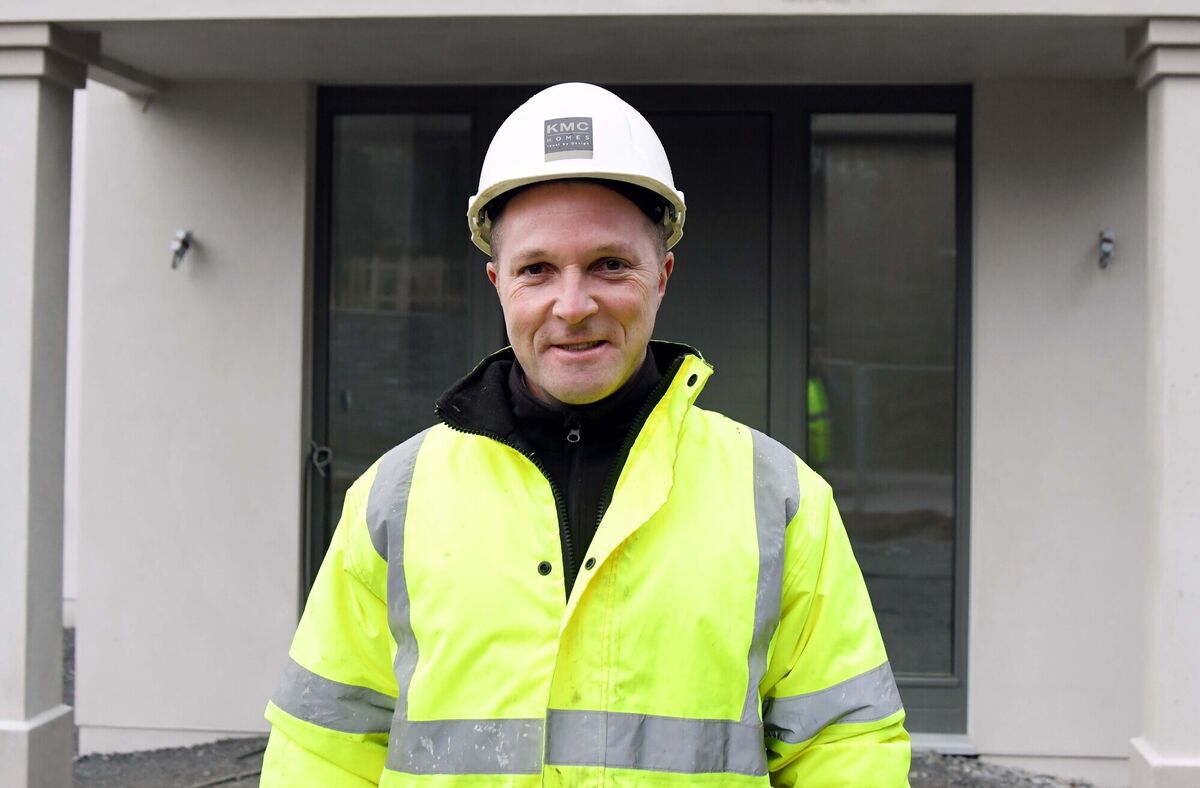
- Civil engineer Kieran McCarthy is founder, and design and build director with KMC Homes. He is a co-presenter of the RTÉ show Cheap Irish Houses.
CONNECT WITH US TODAY



Be the first to know the latest news and updates