Move over, man caves, it's time to make way for the 'she sheds'
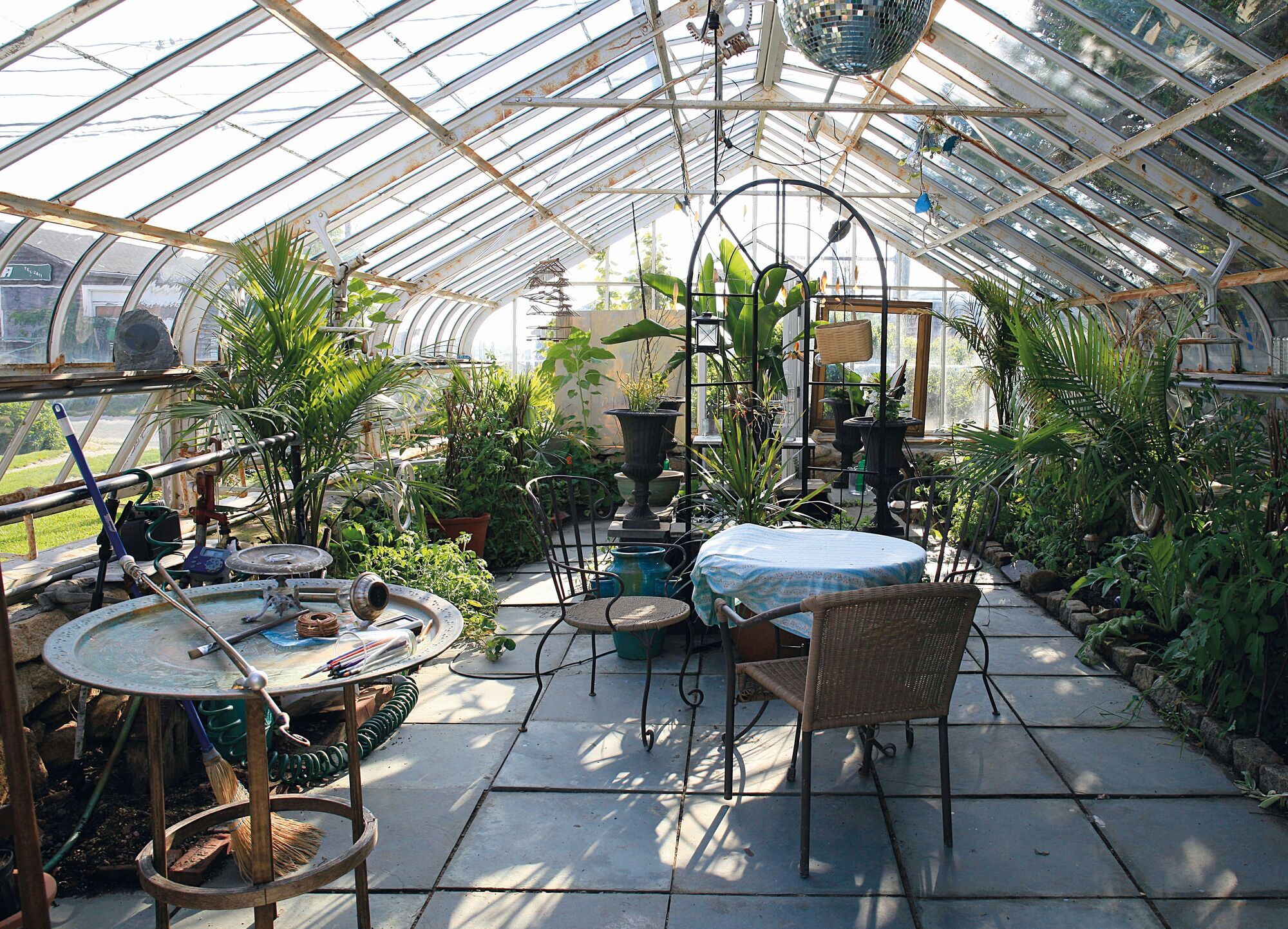
A 100-year-old glasshouse owned by Brenda in Massachusetts, USA, is made from cypress and metal and filled with second-hand furniture to make a relaxing space lit only by candles.
Artist, writer and ex-interior designer Gill Heriz has a love of small spaces. Living in Suffolk, her fascination with the subject and seeing so many shed-like structures designed by women in her locality, prompted an exploration of who’s doing it, where and how, and which she’s detailed in her book , she sheds for women to create, write, make, grow, think, and escape.
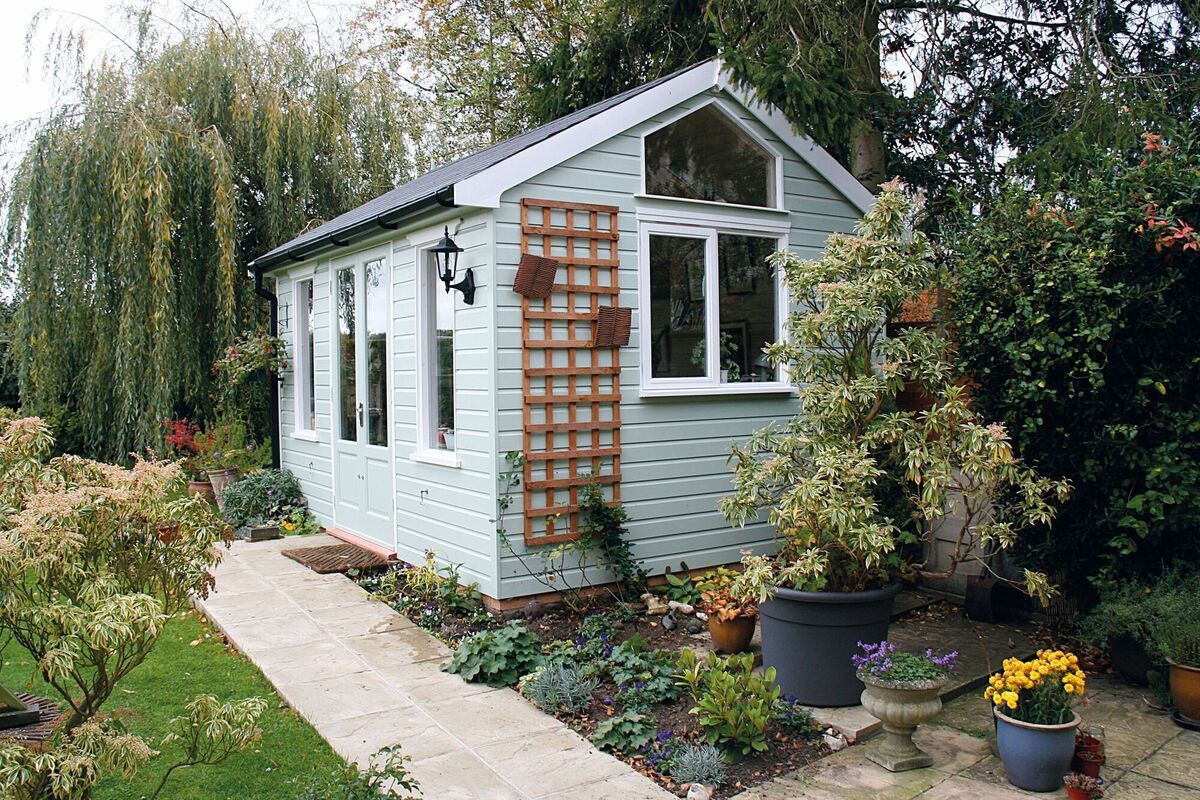
Interviewing over 80 women from the UK, USA, Australia and France, she explores each of their she sheds ranging in size from grandiose American spaces which really qualify as barns, to the typical little wooden structures we might see lurking at the bottom of Irish gardens.
To say anything other than the latter bears a resemblance to the traditionally male-dominated shed, where himself is prone to escape to keep the lawnmower company and plan projects with an electric drill, would be an overpitch.
These she sheds are typically the more self-indulgent spaces we now refer to as a sanctuary, and may well become something to long for after being cooped up indoors with the family over three lockdowns and a particularly long, wet winter.

Admittedly, several continue to be practical spaces, evolving into artists’ studios and the must-have space of the moment — the pandemic home office.
Others are absolutely not sheds. One standout example being a covetable one hundred-year-old glasshouse made of metal and cypress wood which the owner acquired from her father and has filled with large palms echoing a look from the Victorian or early Edwardian period. Vintage chairs, a table and urns fill out the space which is delightfully free of 21st-century trickery.
Lit by candles, the light bounces off the one nod to modernity, a glitterball. But despite the peeling paint and rusting metal, it has a charm I’d choose any day over a shed, and I could see myself aspiring to something similar.
Several she sheds are set up with electricity, however, and what amounts to mini-kitchens. Some are built to perform a specific function rather than being existent structures repurposed, and others have heating systems making them all-weather spaces.
Lovely and comfortable though it all sounds, it leads me to ask the question, if you turn your garden shed into a she shed where do you put the mower, power tools and the stuff you moved from the house into the shed for storage?
Whichever way you look at these sheds, if they exist as anything beyond the practical space they were invented for, to work as storage for the garden and DIY, or as a necessary workspace, then the she shed is a luxury item.

What’s interesting to note is that most, except those used as workspaces appear to have been converted or have evolved as she sheds when the owners arrived at a certain stage of their lives and had enough time and financial resources to expedite their shed projects.
But as someone for whom practicality always trumps aesthetics, my favourites, apart from the Victorian glasshouse non-shed, are the more traditional ones set on allotments, crammed with gardening equipment, stools, a few mugs and a flask of tea.
As owner Claire from Suffolk puts it, “You won’t see my shed featured in a magazine but its workspace, its storage, and its organisation are important to me because they support good maintenance.”
Bravo, Claire.

Artist Kathy from Norfolk who works from her shed sums up her relationship with the space, saying, “My workshop is like a best mate —always there for you when things get too much and life starts throwing things at you.”
Practical, messy, romantic and idyllic, I can’t help thinking there’s a quality about she sheds which offers a grown-up version of indulging in the escapism we enjoyed as children and our love of playing house in cardboard boxes, or relocating with dolls and teddies in tow to take up residence in a pretend cave behind the sofa.
Maybe, too, a she shed and the mental and physical space it provides is an essential for these women. After all, the value of the traditionally male-dominated shed has been transposed in naming the community-based support organisation the Men's Sheds where men meet socially and engage in community projects together, while offering companionship and mitigating isolation.

CONNECT WITH US TODAY



Be the first to know the latest news and updates