How to conserve water while caring for your summer garden
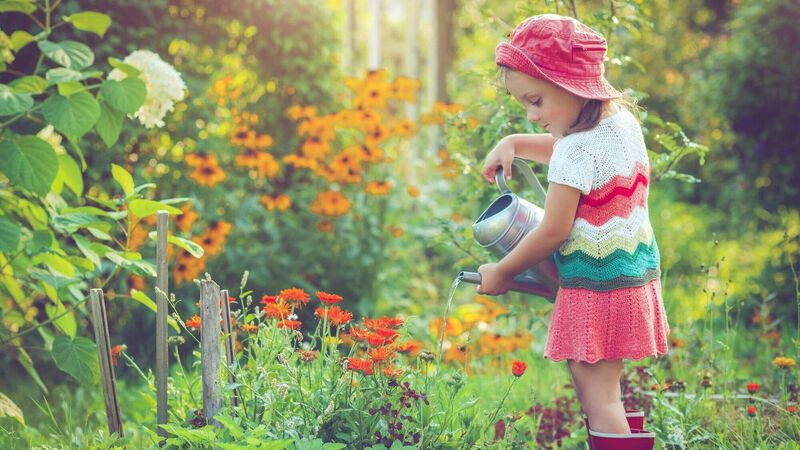
Swap hoses for a watering can. Using a garden hose for an hour is the equivalent to the average supply for a family of four for two days under normal circumstances. Picture: iStock
Summer proper has arrived and with it, surely the talk of hosepipe bans won’t be far behind. Plants and the garden are forever the poster boys of water wastage when it comes to periods of low rainfall and water restrictions.
In reality, there are many other reasons that Irish reservoirs run low. However, making small changes can not only help save water but these changes will also reduce surface runoff and flood risk, promote healthier soils that store more carbon, and create stronger, more climate-resilient gardens.
The greatest saving is thought to come from not irrigating lawns during dry spells. According to the Royal Horticultural Society in the UK, if just one in ten households with average-sized gardens pledged not to use a hosepipe or sprinkler system on their lawns the amount of water saved would fill as many as 383 million baths.

But even simple ideas like deploying drip trays to catch drainage water from pots and tubs could make a difference with a saving of more than 3.3 million baths of water each year.
These figures are based on the UK population, but the benefits are clear.
This shouldn’t mean that we allow our gardens to suffer, but that we should look at more sustainable methods of collecting water along with choosing drought resilient plants and improving our soil so that stress is lessened during periods of drought.
While installing water butts are an obvious way to replace mains water, swapping hard landscaping for permeable surfaces can also help reduce run-off meaning that the soil is better able to absorb and store water.
Likewise, mulching new plants can limit evaporation resulting in them needing to be watered less often.
When mulching, it is important to apply the correct depth.
A one or two-inch layer of mulch won’t do much to reduce water loss and nor will it help much to prevent weed germination, but a three or four-inch layer of mulch will do both.
Janet Manning, RHS water scientist, says: “Water is not often talked about as part of the climate and biodiversity crisis, but it’s where we will begin to feel the effects first and where we as gardeners can make a difference.
"We know that plants need water to survive but it’s often not as much as thought, as wasted water often disappears underground. By helping your soil to better capture and retain rainfall for your plants to use during dry periods you can reduce your overall use and benefit from a garden that will better withstand more frequent dry spells.”
Using plants more resilient to drought conditions is part of the solution, especially in soils that are naturally dry or very free draining.
Plants with silver/grey foliage are also less susceptible to damage from drought and exposure.
This is probably because the silver colour allows them to transpire and lose water at a slower rate than green-leaved plants. Also, plants with needle-like foliage such as conifers and those with tiny leaves such as Lonicera nitida tend to be more forgiving as the leaves have less surface area through which they can lose water.
Along with using plants suited to dry conditions, fitting a water butt and other rainwater saving techniques, there are other small changes that can make a big difference.
Switch to watering in the morning, as domestic water use tends to peak in the early evening, so start watering early in the morning to ease the demand later in the day.
This will also help provide the water that plants will draw on through the day, and will avoid it just draining away at night.
Watering in the evening will also lead to foliage and soil remaining damp as the temperatures drop during the night, leading to conditions suited to the development of many fungal diseases, whereas if you water during the morning, the plants will get the opportunity to use all that water during the day ahead and any left on the foliage will soon dry off.
You will be surprised at how quickly they bounce back once they get even a drop of rain after a period of drought.
Newly sown and laid lawns will need watering for the first few weeks but these are projects which should only be done during spring and autumn.
Using a garden hose for an hour is equivalent to the average supply for a family of four for two days under normal circumstances. Using a watering can slows the flow when watering containers, meaning more water stays in the pot rather than running out the bottom.


CONNECT WITH US TODAY



Be the first to know the latest news and updates