We show you how to use rattan in your home interiors
We're in a happy twist over the revival of rattan and to celebrate here are our top choices from the spring/summer collections 
We show you how to use rattan in your home interiors

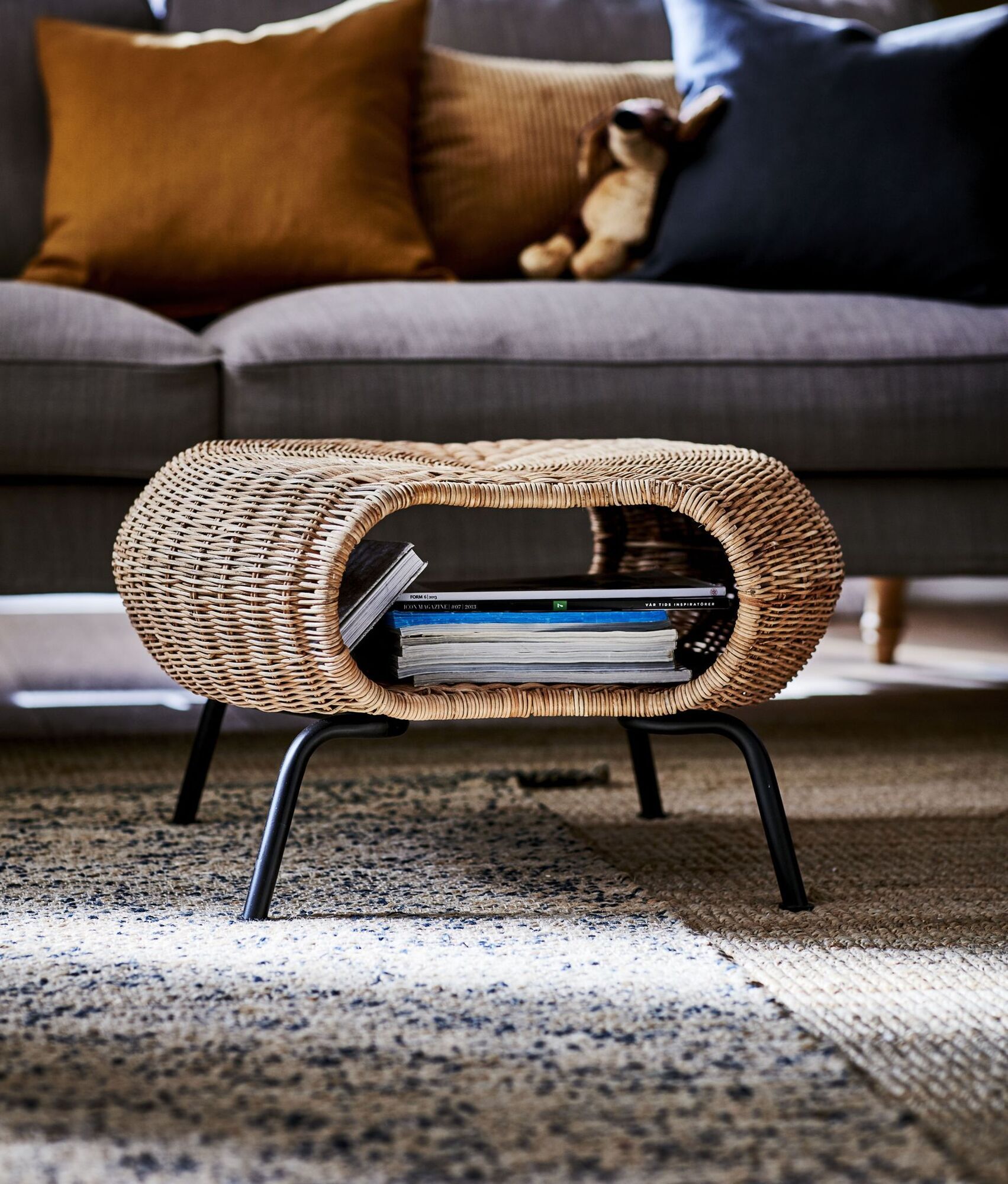
The Gamlehult footstool/coffee table can ingest a few magazines, new for spring/summer at Ikea, €70, ikea.ie

Real rattan is made from a vine found in South-Eastern Asia, and the word comes from the Malay word — ratan. 

It’s a form or wicker, but just to keep you on your toes, not all wicker is rattan. 

Civilisations including the ancient Egyptians realised that stout, leather plant materials could be woven into any number of forms for ornaments, baskets, chariots, millinery, furniture and household goods. It had the potential for real elegance as it could make a curve, be bound around a wider diameter wood or stalk. It had a pleasing golden glow and once set under a protective lacquer could last decades of wear.
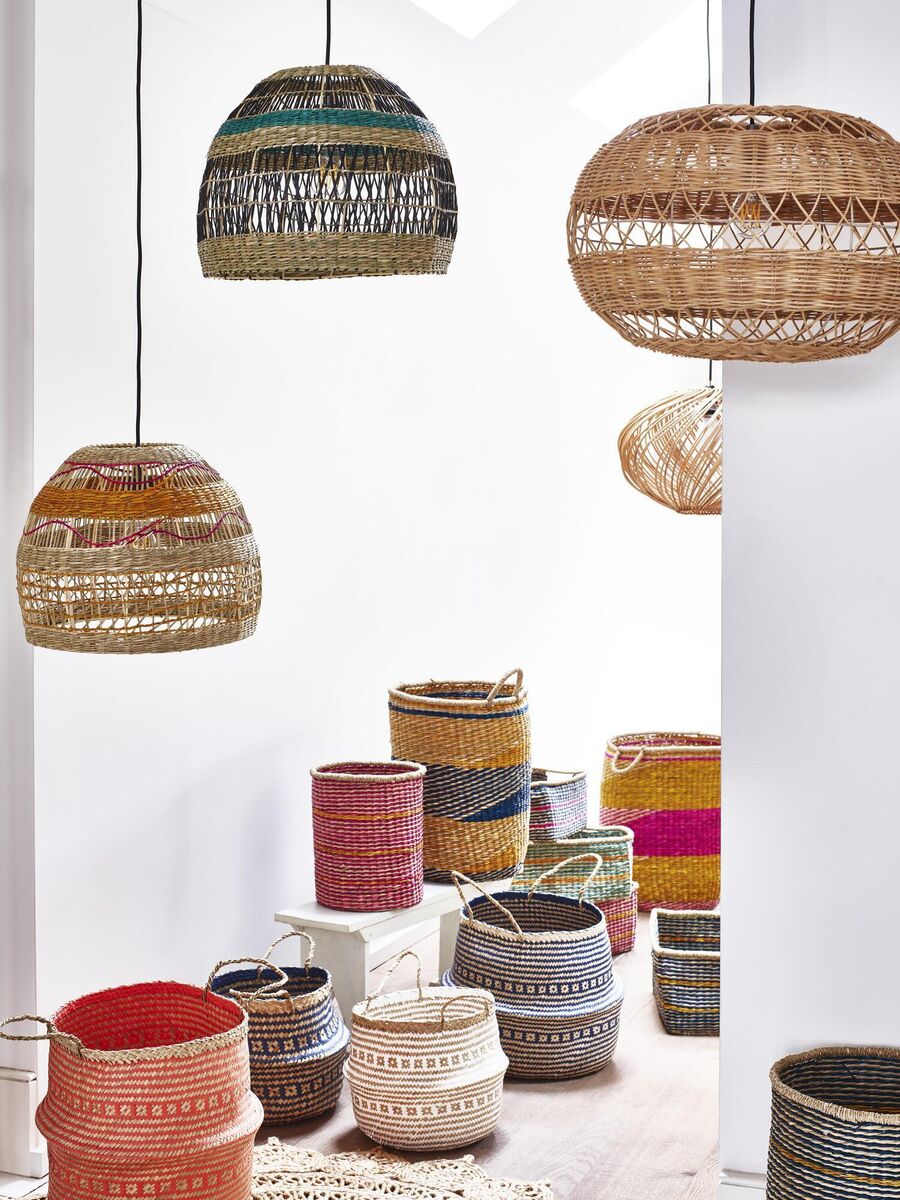
Oliver Bonas bent-woods, seagrass, jute, rattan and split grasses. Basket pendants (€72), shelves (€145) and colourful storage baskets ( from €35.50) oliverbonas.com

Ever since rattan and other strong grasses, bamboo and vines have been used to express the tastes of the day, including 19th-century Arts & Crafts (rabid with raw materials from the woods and wilds) and even art deco, where a smartly caned club chair could sit out for watching cricket or sipping afternoon tea in high style.
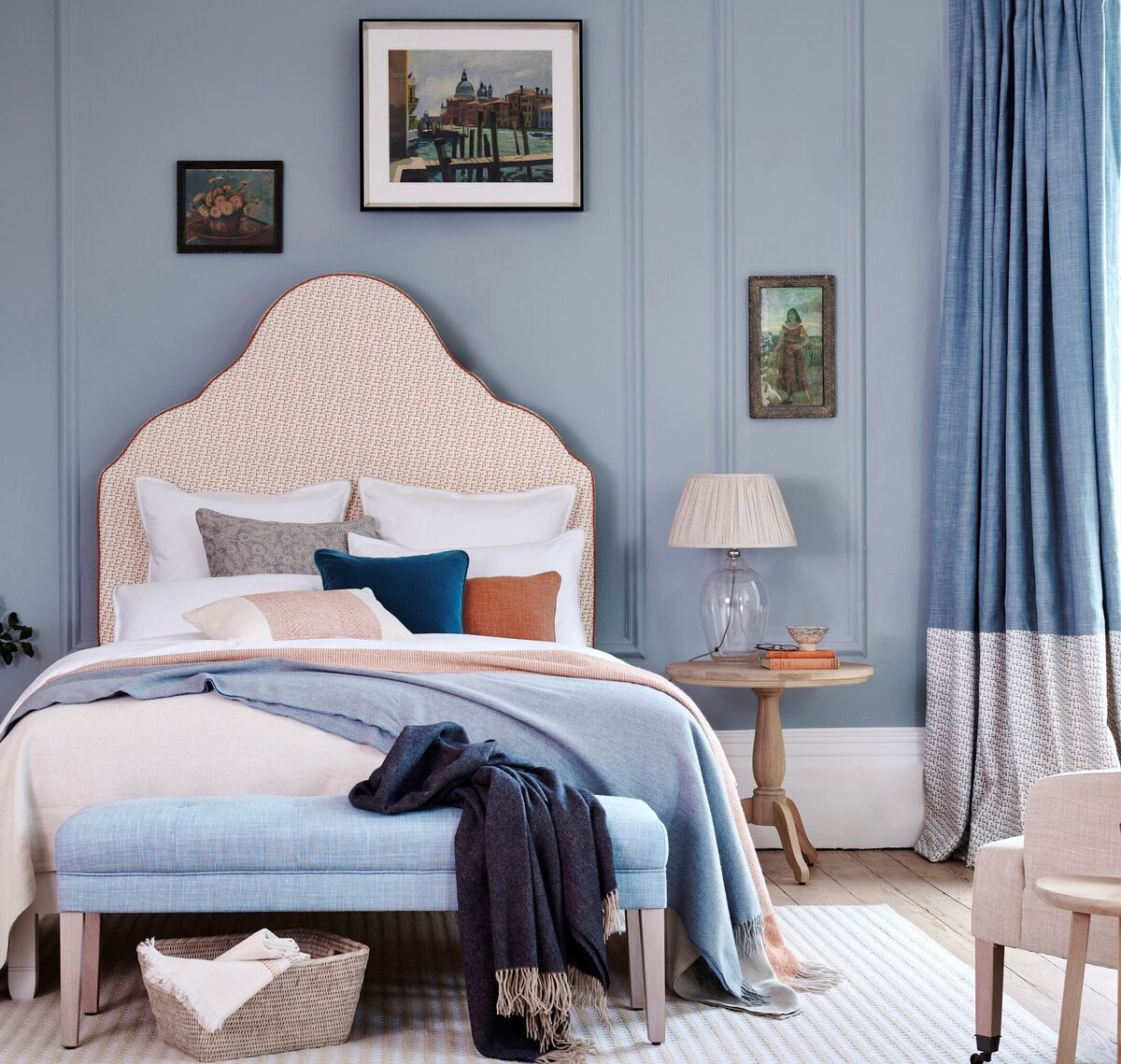
Lloyd Loom, Clemmie Headboard by Neptune, King, priced from €705. See Neptune.com for Irish stockists.

Vernacular materials of the colonies were repatriated and commonplace in domestic Edwardian garden rooms, where rattan and steamed grasses, nestled among the fronds and palm leaves of any hothouse. In the 1970s, rattan rose again, included in the backs and seat of startling cantilevered tubular dining chairs, not least as it gave a nice bit of yield under the backside while having a flush, shiny, non-upholstered surface.

One of the leading names in mid-century rattan forms is Franco Albini (1905-1977) an Italian rationalist architect, who produced several highly organic, quirky and oddly urban designs now featured in many design museums including MoMA in New York — the Margherita, the Gala and his Radar (peacock-style) chair. A new lightly Oriental Belladonna by Sika Design comes in around €2,665 even in a plastic rattan for outdoor use — crazy, in my opinion, with Manau & Tohiti rattan sofas from €2215. His plump little ottomans can be used as a side table or pouffe and start at €419 (or over €1,000 vintage) in the real, raw material.

If you do buy an older large piece where rattan forms the majority of the structure, ensure it is set on a good iron or aluminium frame and check for serious punctures to the weave which can prove costly to put right.

You can find French, Dutch and Italian pieces online, but there are very difficult to nail down to a maker or even a period.

Shallow basket seats from the 1960s and 70s are a superb charity shop find in good condition, and so easy to move from inside to out when the weather gets sunshiny.
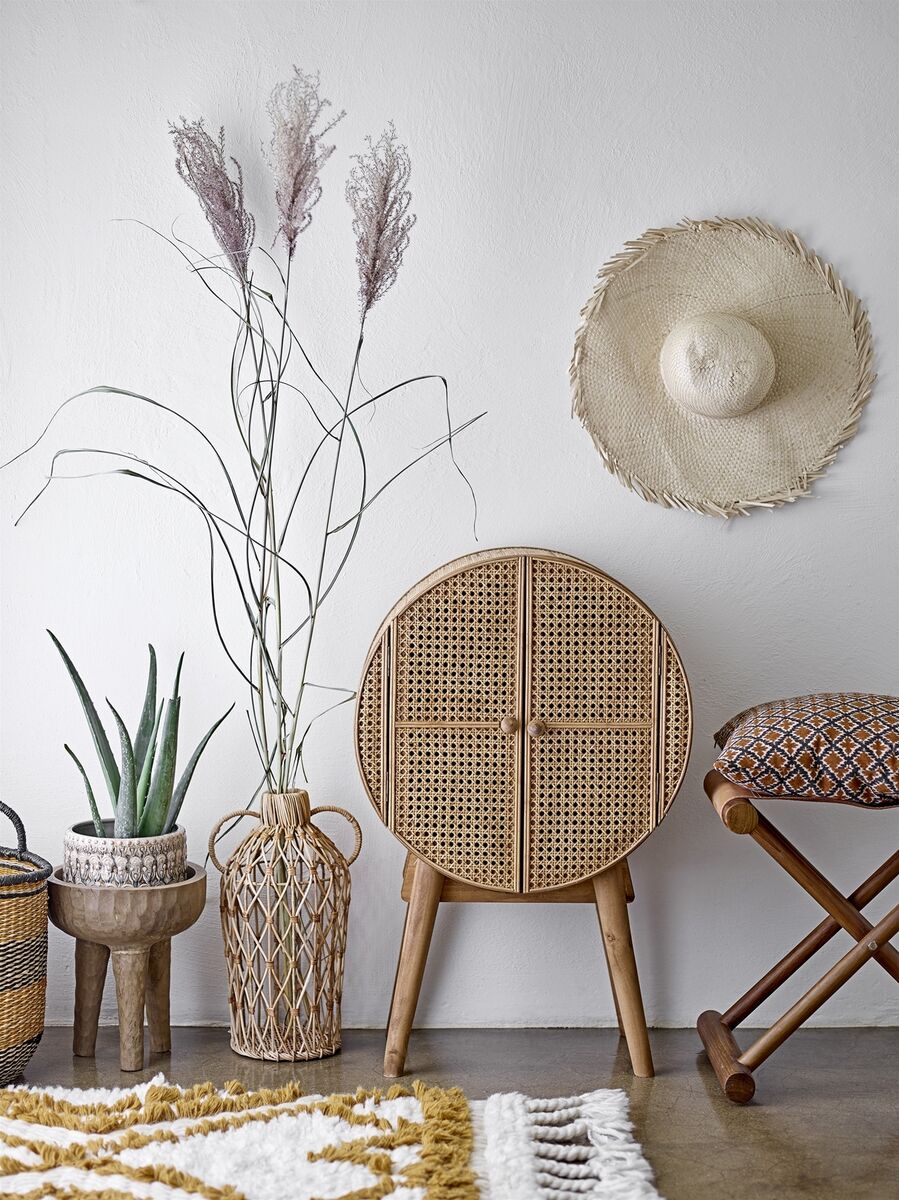
Otto 1970s architectural hip taken to a woven rattan and cane cabinet from Audenza, €250, audenza.com

In rattan revivalists, Oliver Bonas has gone all out on steam bent-woods, seagrass, jute, rattan and split grasses in his spring/summer collection including some highly desirable basket pendants (€72), shelves (€145) and colourful storage baskets ( from €35.50), intended to sit well with our renewed love affair with statement houseplants).
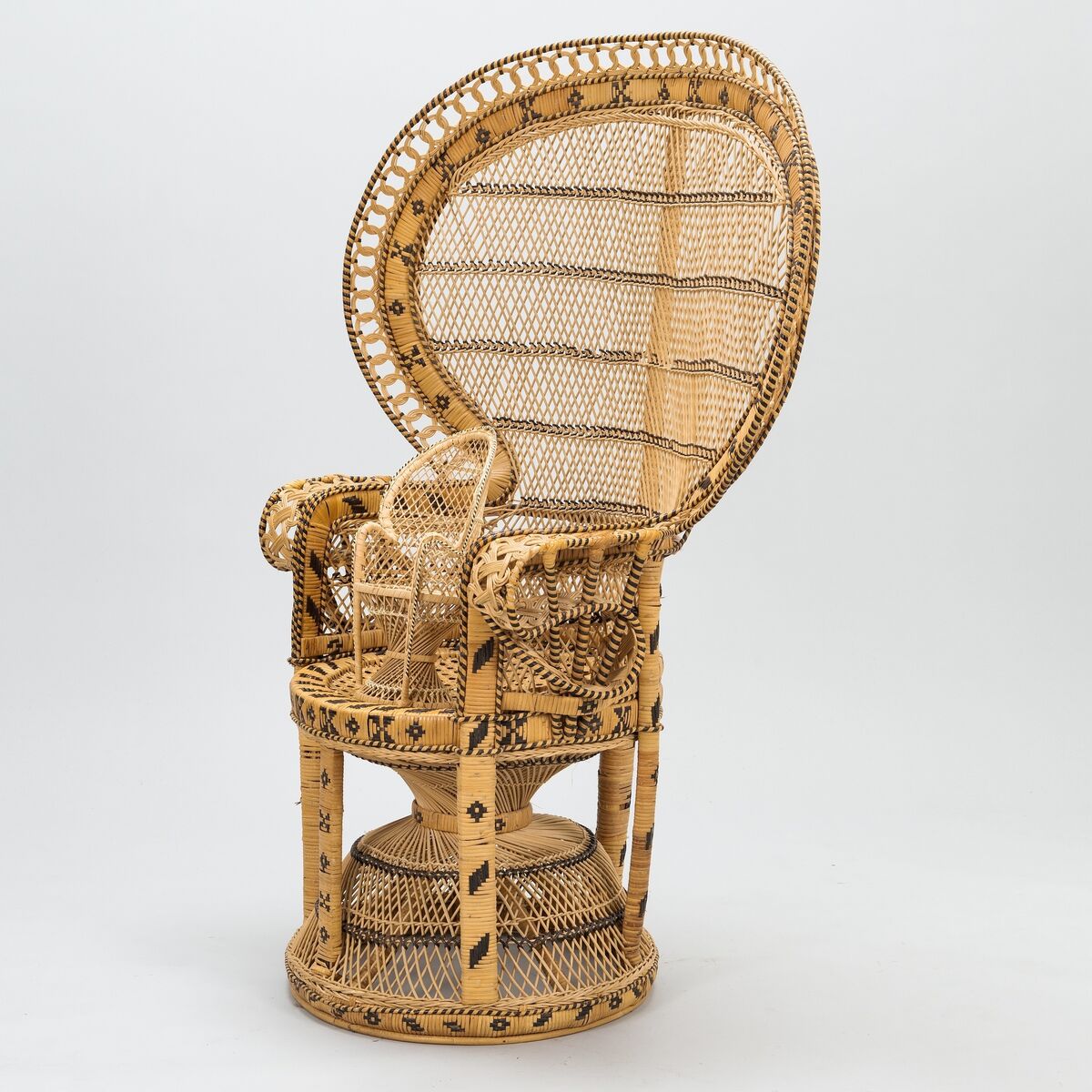
A typical late 19th-century peacock chair, made in Malaysia. Picture: Bukowskis

For a hanging chair (fly it to an indoor beam if you can) we found a really groovy swinging basket egg chair, straight out of the 1970s at just €219, woodesign.ie. Rattan unless woven over metal or other wood, though relatively strong, is more suited to occasional use rather than everyday heavy wear — think dining-room over the breakfast bar, or the conservatory over the living room.

Also showing off some late Victorian whip-lash curves, Habitat’s fabulous Merak black rattan headboard which just shakes the look down a bit with that darker colour while revealing an interesting paint colour or wall covering. €235 — check stock at Argos, or habitat.co.uk. I suspect the high street will respond in the coming months – so look out for darker painted weaves alongside the expected golden raw glow.

The Finnish Design Shop also has included the feted woven collection by Sika Design of Copenhagen (pricy but covering iconic and highly architectural offerings by Arne Jacobsen, Franco Albini, Viggo Boesen and Nanna & Jørgen Ditzel). There are also more affordable choices such as the Braided Belly Lamp, opaque enough to focus light down in a ready nook, €135, finnishdesignshop.com.

Keep in mind that any highly textural finish to a pendant will get very dusty, sorry, but it had to be said.

In garden furnishings in real rattan rather than resin pretenders (don’t be sniffy — they slough off rain like a happy duck) — fancy the rather maharishi Peacock chair without so much frothy, intricate detail? 

Oliver Bonas offers a sparer take in bamboo and authentic rattan at €235 with his Bali chair — not always in stock — be warned. Donedeal might turn up an elderly peacock or two. Just ensure the piece is stiff, well made and in perfect condition.

Sklum, always worth checking for the uplifting and unusual thing — carry well-priced rattan dining chairs — mid-century led caned shells and metal frames that can be used indoors or out when the weather allows.

These are a gentling, casual inclusion for that trend to natural materials we’re seeing all over the 2021 look-books. 

My favourite Sklum weaves (and it was a struggle) are Lida and Nesse chairs from €129, and I would be tempted to throw in a Ytse woven wall sconces €32.95, one of their eccentric shaggy rattan wall mirrors from just €28, and a leafy like Picuk stool to fill up the box from an inviting €105. Their undulating Zenta Sofa — an upholstered two-seater is a perfect anchoring style statement rooted in the Tropic chic of the 1960s, at €726, sklum.ie.

If you’re interested in the various woven seat patterns in antique chairs from anywhere in the World, there’s a wonderful guide here by Cathryn, The (American) Wicker Woman, wickerwoman.com/articles/identify-woven-seat-patterns. 

Cleaning any wicker — start with a feather duster or a synthetic equivalent style of wand. For truly filthy rattan use the suds from an organic, solvent-free washing up liquid — don’t really wet the piece. Use a soft toothbrush flick out any dirt and dry in dabs with a soft towel. Don’t pull the weave around. Once it’s dry, you can buff the rattan up with a minute blot of lemon oil, worked into a lint-free cloth before application.

Fancy a course to restore something you already have? God and the pandemic willing, consider returning to life with a residential spring/summer course, available with Pepie O’Sullivan and Nigel Barnes in West Clare, oldchairs.ie

x

More in this section

Revoiced

Newsletter

Sign up to the best reads of the week from irishexaminer.com selected just for you.

Cookie Policy Privacy Policy Brand Safety FAQ Help Contact Us Terms and Conditions

© Examiner Echo Group Limited