Gardening: How to compost using a wormery or worm bin
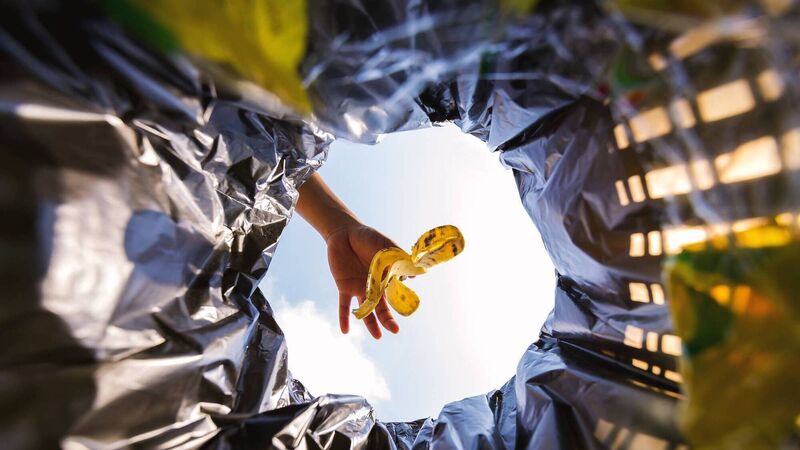
Earthworms will make short work of kitchen scraps, turning them into nutrient-rich compost. Picture: iStock
I've received many queries recently regarding ash from fires and stoves and whether or not it can be used in that garden. Only ash from burning wood or charcoal, never coal ash, can be used in the garden. It does make a great addition to the soil as it is rich in potash, an important ingredient to promote the development of flower buds, berries and fruits.
It’s probably best to add it to the compost bin where it will be mixed in amongst other ingredients.
If you simply tip the contents of the ash bucket onto the soil (which this errant gardener has been known to do!) it can just lead to a slippery and slimy mass which can take some time to work into the soil, even with the worms worming at full tilt!

Wormeries or worm bins are a great way to work with nature to ensure your soil is perfect. Worms are the unsung heroes of our gardens, they do our composting by eating kitchen peelings and scraps, as well as the bacteria and moulds that have formed.
Once they have finished feasting, the worms produce worm casts that are perfect for enriching the soil. It is quite simple to make a home-made box for the earthworms that can be filled with organic matter such as damp brown leaves, sawdust, clean wood shavings or shredded paper.
Also, there are many ready-made wormeries on the market.
The worms themselves are also available to buy by the kilo. The worms will turn your compost and the bedding you have provided them with into high-quality compost suitable for use in your garden or on your houseplants.
When you are putting your scraps into you worm bin make sure to bury the food waste in the bedding, to prevent flies and odours.
After 9 to 12 months, your compost will be partially finished and it is time to move it to one side of your wormery or into a separate bin where it can be left to age. You can add new bedding to the empty half of the bin to use for your new kitchen scraps. In approx 6 weeks the worms will move to the new bedding and leave the aged compost ready for you to use on your garden.
Most of the purpose-built worm bins work on the principle of trays. Starting with the base tray this is where the worms start and where you put in your kitchen waste. When this tray is full, you simply place the next tray on top of it and the worms will make their way up into this when they have finished regurgitating the waste in the base tray.
When the second tray is full you place a third tray on top. The principle being that by the time the third tray is full, the base tray should be ready to use and then this tray becomes the top tray and from then on it is simple rotation. The compost or worm casts that are produced is one of the richest and most beneficial composts that you can use.
The worms will eat nearly all types of kitchen waste, just be careful to keep an eye on the pH — onions, garlic and peppers, for instance, are all quite acidic and should only be added in moderation. You can test the pH with a pH meter; however, it is often quite apparent if it is too acidic as you won’t see much worm activity if you lift the lid.
We are all trying to do our bit for the environment, to cut down on our carbon emissions and stop overfilling landfills. With so many different composts available and the big debate about whether or not to use peat, creating our own compost at home is becoming ever more critical.
I am a huge believer in all of us trying to do our best to work with nature and complete the nitrogen cycle.

The more we take from the soil then the more we should be putting back into it. You will be amazed when you start working with the soil and improving the soil how much better your results in the garden will be.
An added benefit of using a worm composter is that the liquid that is created during the composting process, referred to as “worm tea” also makes a fantastic liquid feed for the garden, very high in nutrients and also high in anti-fungal properties.
"It may be doubted whether there are many other animals which have played so important a part in the history of the world, as have these lowly organized creatures,” as Charles Darwin said.
- Got a gardening question for Peter Dowdall? Email gardenquestions@examiner.ie