Peter Dowdall: Winter-flowering heather adds life to every garden
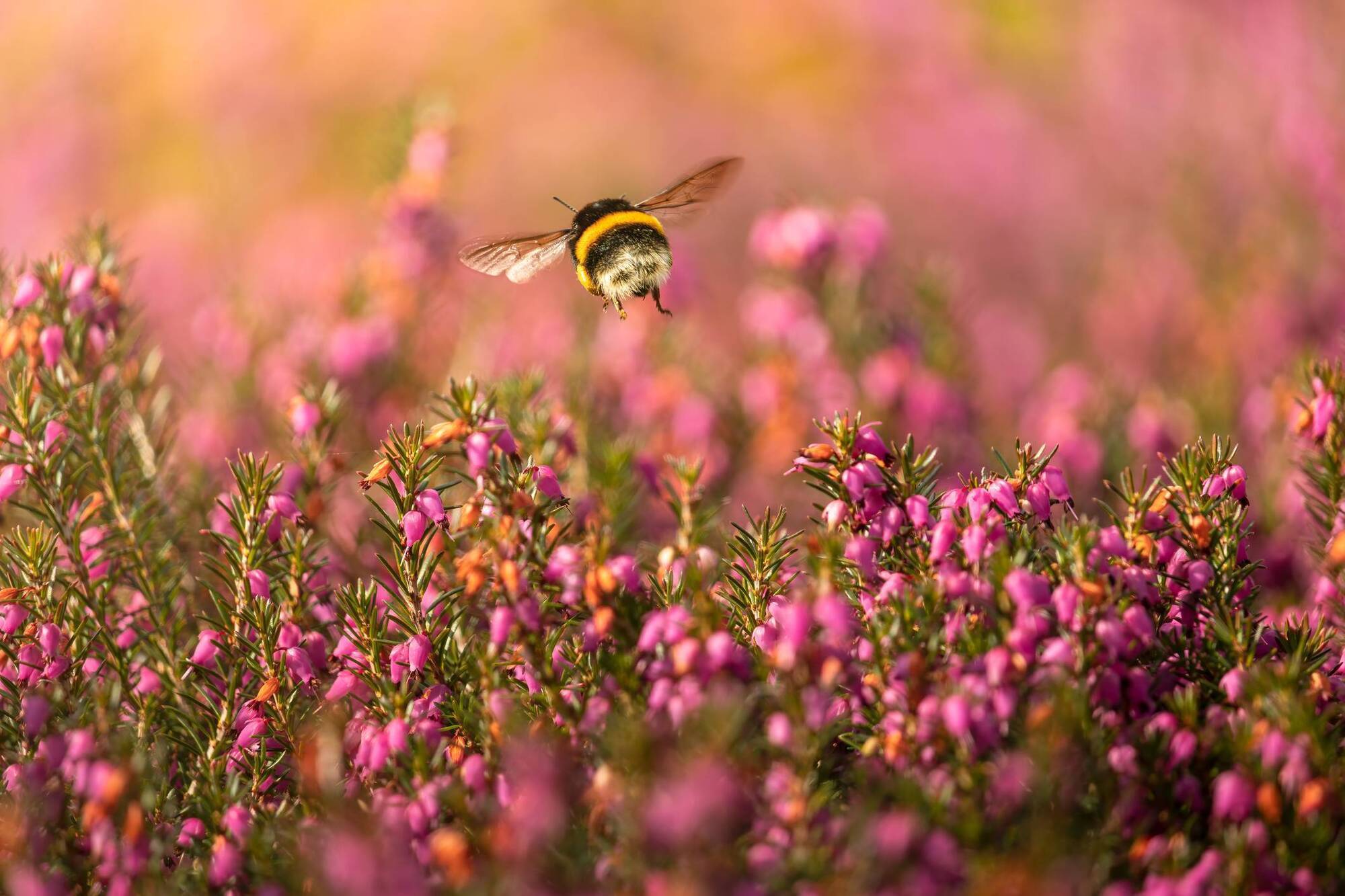
Year after year, this plant earns its keep. Right now, it's in full colour, glowing against the dark, wet soil and bark, asking for nothing more than to be left alone
Peter Dowdall: Winter-flowering heather adds life to every garden

Heathers earn their keep in the garden, according to Peter Dowdall, and right now are in full colour. File pictures

It's been so wet for so long that it’s been hard to even think about gardens and gardening, never mind head out into one. Days have blurred into one another under a grey sky which seems to me to have been more oppressive than ever before, this year.

Even the most committed gardeners among us have probably found themselves admiring plants from indoors, looking out through a rain-spattered window rather than pulling on the boots again.

And yet, one plant has been consistently cheering me up and lifting my mood through all of this, the winter-flowering heather. There are a few clumps in my garden that were there long before I arrived to tend the space, and year after year, they earn their keep.

Right now, they are in full colour, glowing against the dark, wet soil and bark, asking for nothing more than to be left alone. Even enjoyed at a distance, they bring colour and a sense of life at a time of year when the garden can otherwise feel a bit unwelcoming.

They flower when little else is brave enough, they cover ground, keeping weeds at bay and feeding pollinators at the very edges of the season.

They are almost effortless, and one of the most persistent myths I hear is that “heathers won't grow in my garden”. In reality, there is no such thing as a garden where heathers won’t grow. If you’ve tried them before and failed, it’s almost always because the wrong type was planted in the wrong soil. Get that one detail right, and everything else tends to fall into place.

Broadly speaking, garden heathers fall into two camps. The first are the lime-tolerant, or alkaline-loving, heathers. These include the species Erica carnea, E. x darleyensis and E. vagans. These are the species that have been brightening my own garden for months, and according to Mary Doran of Doran Nurseries in Kildare, generally speaking, the winter and early spring-flowering types are perfectly happy in neutral to slightly alkaline soils and will grow well in much of Ireland without any soil modification at all. "Keep an eye out for Erica Kramer's Red if you want a real star performer at this time of year," she advises.

The second camp is the acid-loving heathers, the ones most people associate with wild uplands and peat soils. Forms such as Daboecia cantabrica, Calluna vulgaris and Erica cinerea will struggle on lime or chalk and need genuinely acidic ground to thrive. They are not difficult plants, but if the soil isn’t right, they simply won’t pretend otherwise; in the right soils, they are easy to grow, give a spectacular flower display and are long-lived.

Even enjoyed at a distance, heather shrubs bring colour and a sense of life at a time of year when the garden can otherwise feel a bit unwelcoming, says Peter Dowdall. 

Problems arise when these two groups are mixed up. Planting an acid-loving heather into a lime-rich soil is a recipe for disappointment, no matter how much care you give it afterwards. Likewise, assuming all heathers need acid soil leads people to avoid them unnecessarily when, in fact, many would thrive in their garden with no fuss at all.

Not only is there a heather for each soil type, but there is a heather for each month. Choose varieties wisely and plant a good mixture of winter, spring and summer forms, and it's possible to have some heather in flower during all seasons of the year.

At a time when we are increasingly aware of the importance of supporting insects beyond the obvious summer months, this is no small thing. 

On mild winter days, it’s not unusual to see bees working heather flowers when almost everything else is still dormant. For early pollinators, these plants can be a lifeline as winter-flowering forms in particular provide certain amino acids for bees, which help hives to survive.

This ecological value doesn’t come at the expense of good looks. Heather flowers may be small individually, but en masse they create broad sweeps of colour in whites, soft pinks, deeper purples, even hints of green and bronze as foliage tones shift through the seasons.

Heathers do not need feeding in any meaningful way, and over-rich soil can actually encourage soft growth at the expense of flowers. What they do need is a light prune once flowering has finished. Without pruning, plants can become woody and open in the centre over time. Now you can look through the textbooks and see exactly how to prune them, or you can follow my lead, which is simply to take a hedge pruner to them after flowering, removing the spent blooms and a small amount of growth beneath them. Never cut into hard, old wood that has no green growth showing, as heathers won’t reliably reshoot from that.

They are my type of plant as they are not demanding, no need for mollycoddling, they don’t mind being ignored for months on end while the weather does its worst. They don’t scream for fleece when temperatures drop or pant for water during a dry summer; they just do their thing with very little need for care.

All I’ve been doing for the last few weeks is admiring from indoors, through streaks of rain on the glass, and still they have a way of lifting the spirits and quietly promising that brighter days will come again.

x

More in this section

Revoiced

Newsletter

Sign up to the best reads of the week from irishexaminer.com selected just for you.

Cookie Policy Privacy Policy Brand Safety FAQ Help Contact Us Terms and Conditions

© Examiner Echo Group Limited