Jennifer Sheahan: How invisible tech works its magic without cluttering up our homes
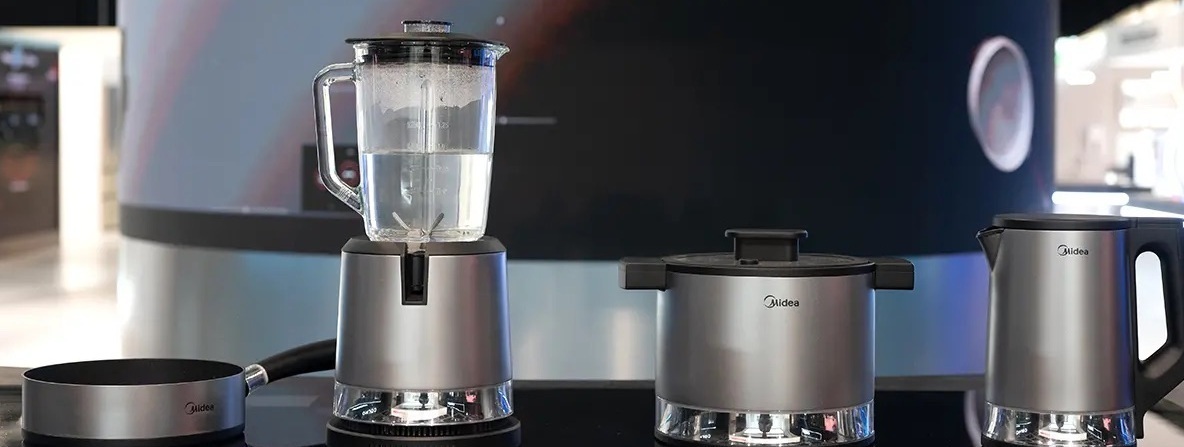
Cordless kitchen appliances from Midea Celestial Flex.
I am not a minimalist in the interior design sense, but I am definitely a minimalist when it comes to tech. I recently put a beautiful Le Feu fireplace in the corner of my living room, and I’m obsessed with it, but the wires plugged in behind it from my WiFi router are driving me nuts. There are clever ways to hide wires, of course — plants and panelling and baskets and what have you — but I’m dreaming of a future with no wires at all. I want tech to seamlessly integrate into my home, hidden, invisible, working like magic without cluttering up my space. That future is, hopefully, not too distant, and there have been some really great innovations recently that are pushing us towards that reality.
We’ve gotten used to downdraft extractors, which I love for having replaced bulky overhead units. Now there are companies that have visually eradicated the hob altogether, and I am so here for it. Systems like the Invisacook and TPB Tech allow induction cooking to happen beneath a porcelain, stone, or composite worktop.

There are no rings, no visible controls, nothing at all to see — just a continuous countertop that gives you additional worktop space when not in use as a hob. When turned on, the induction element functions perfectly as a hob, heating pots and pans just as any regular induction hob would. “How do I clean this?” was one of my first thoughts, as my current quartz countertops can stain with heavy use. Some users recommend using induction mats under pots and pans to catch any splashes. But the reality is that if you choose a durable material such as porcelain, stains just won’t be an issue.
From a design perspective, this is transformative. Islands can become true multi-use surfaces — prep space, dining table, home office station — without looking like a kitchen appliance zone. In smaller homes, where every surface has to work hard, this flexibility is invaluable. Aesthetically, it’s a minimalist’s dream.
It’s not for everyone. It requires planning, specific materials, and a higher budget. But conceptually, it represents a shift toward kitchens that feel more like furniture and less like machinery.
Many of us now have phones that can be charged wirelessly, no trailing cables required. This is thanks to Qi. “Qi” is not only a great word to have up your sleeve when playing Scrabble; it is also an open inductive charging standard, open meaning it is not proprietary to one manufacturer. Appliance manufacturers have been experimenting with ways to bring this technology to kitchen gadgets for years now, and at CES 2026 (the Consumer Electronics Show), the Wireless Power Consortium presented the answer: Ki.
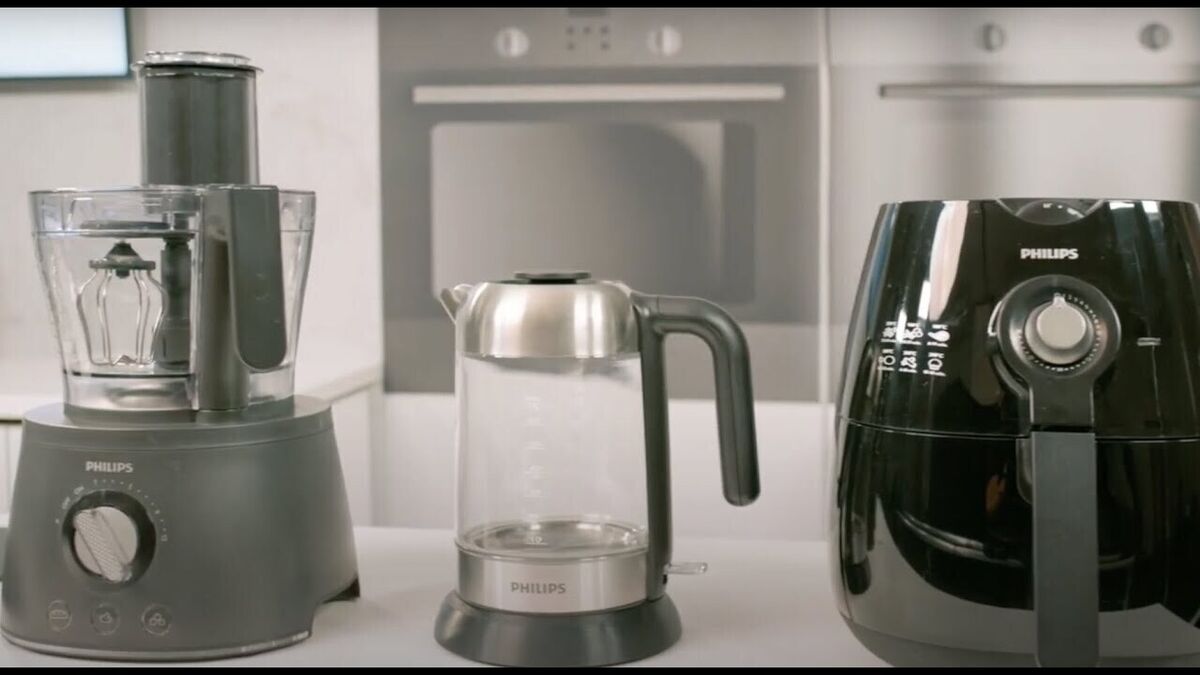
Where Qi works for low-power devices like our phones and earbuds, Ki is the latest high-power standard designed for kitchen appliances. The idea is simple: instead of plugging in your kettle, blender or coffee machine, you place it on a dedicated charging zone integrated into your worktop, and it powers up automatically. New “cordless kitchen” platforms are being rolled out that can deliver far higher power levels safely. This will mean uncluttered countertops with no visible wires snaking around, and appliances that can live anywhere rather than being tethered to a wall. We’re still in the early days, and you won’t be ripping out your plug sockets just yet, but it’s a glimpse into a near future where the technology in our homes becomes, if not quite invisible, certainly much less obtrusive.
You’ve probably heard of the Samsung Frame TV. It’s a TV that, when switched off, looks just like framed artwork rather than a television. It sits flush to the wall, you can customise the bezel frame, and the high-resolution screen really does make the TV look like a static piece of wall art. I’ve seen many of these in other people’s homes, and if I were ever to switch from a projector to a TV, this is what I would go for.
Samsung have leaned into the success of the Frame TV by adding the Music Frame to their range. The Samsung Music Frame is essentially a wireless speaker disguised as a picture frame. It looks like regular framed artwork that you can hang on the wall or place on a shelf, and you can personalise the front with your own image or print, so it blends seamlessly into your décor rather than standing out like a speaker. It delivers immersive sound that’s designed to spread evenly rather than feeling like it’s coming from one direction. You play music wirelessly from your phone, tablet or laptop using Bluetooth or Wi-Fi, and it can also integrate with Samsung TVs so audio comes from both the TV and the frame for a surround-sound effect.
Samsung isn't the only company that has integrated speakers into everyday objects — Ikea has long done a decent job of adding speakers to lamps, side tables, and decorative items. The sound quality has
always seemed just fine to be, but you should know I’m not much of an audiophile.
There’s a growing trend of the faceplates of electrical sockets being made from the same material as the wall cladding or the kitchen backsplash, and I love it so much. Sockets and wires are a necessary evil, although presumably some genius will invent fully wireless charging in the future. While we live with them for now, the next best thing we can do is to try to make the sockets as invisible as possible.
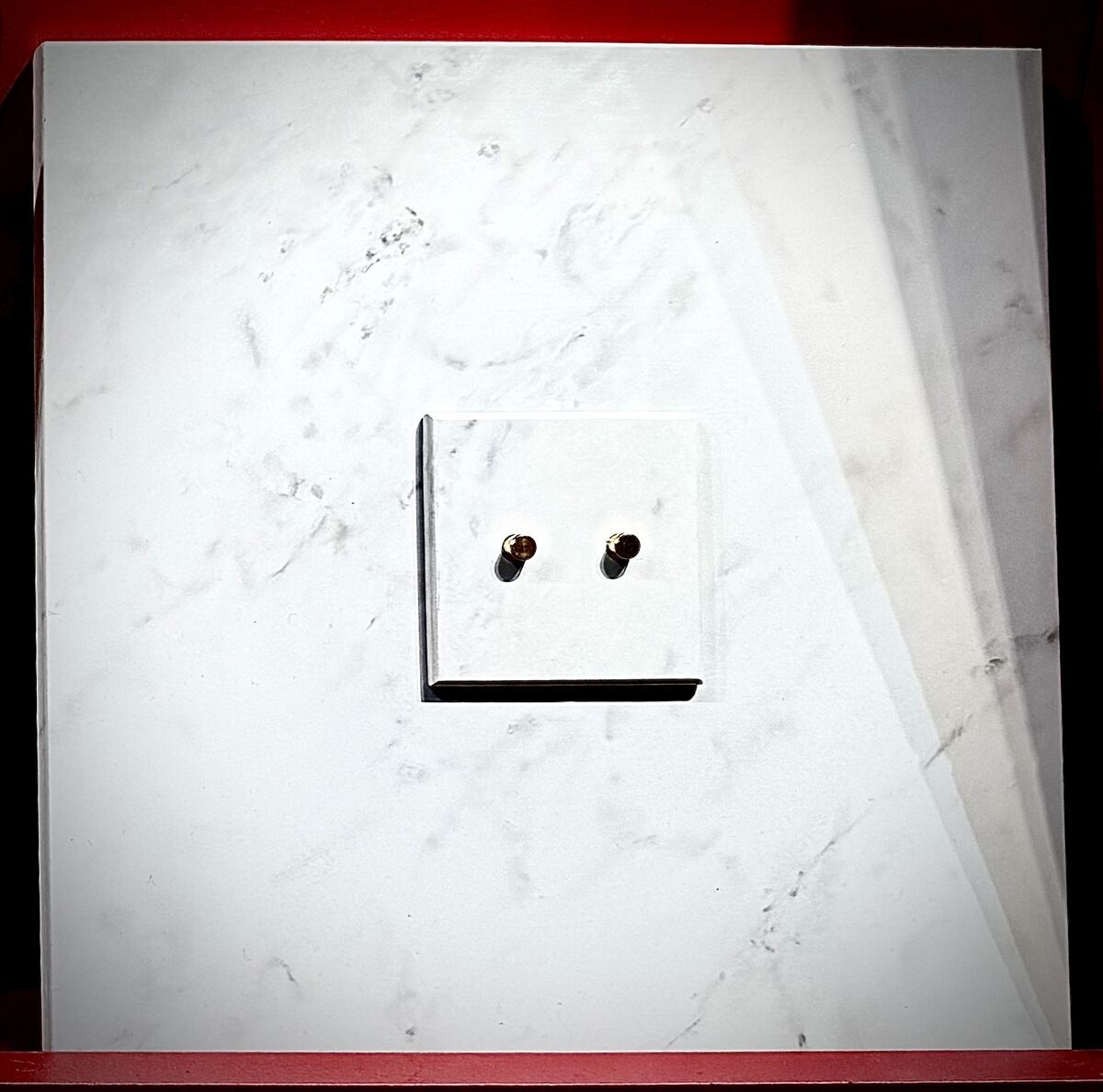
Nice face plates have been a thing for a while, and I love them too. Brushed brass, pops of colour, even almost-invisible clear acrylic. They can all be a statement and a design element in and of themselves. But I’m striving for invisible here, and what I’m talking about are companies such as 6ixtes Paris who have created a line of customisable and invisible face plates, meaning all you see in your wall or backsplash is the holes of the socket or the slim switch for the light. It’s so chic.
If I’m honest, though, I find it less impactful in Ireland — our three-prong plugs are huge compared to the sleek pair of round prongs in EU appliances. I still think it looks nicer than a white plastic face plate, but I long for that fully wireless future!
CONNECT WITH US TODAY



Be the first to know the latest news and updates