How to reduce our exposure to microplastics in the home
Kya deLongchamps shares advice on how to minimise the presence of minuscule fragments of plastic in our living spaces
How to reduce our exposure to microplastics in the home

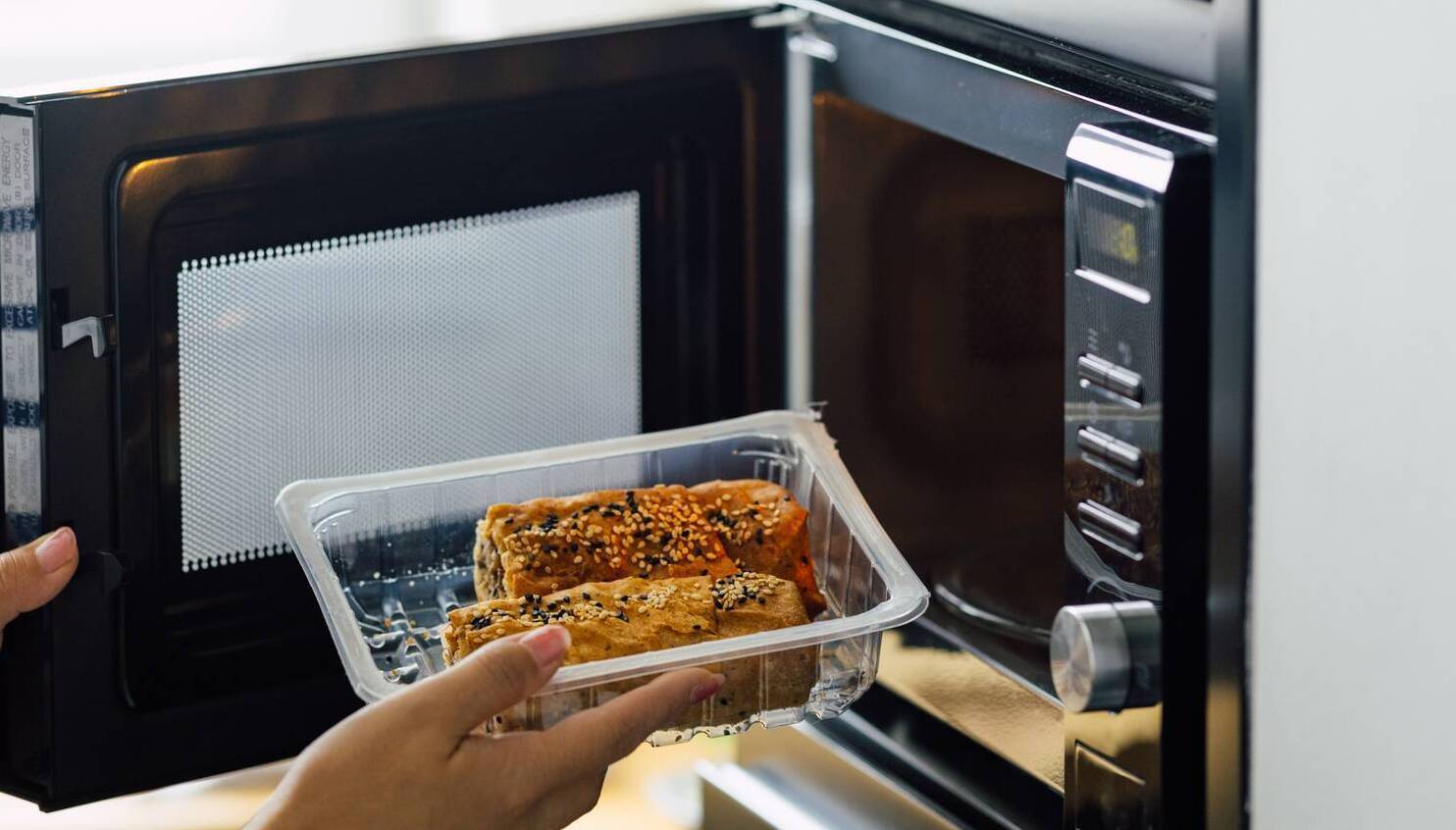
To reduce the chance of microplastics entering your food, don’t heat or reheat foods or ingredients in plastic containers. Decant them to a microwave-safe glass or ceramic dish. File picture

We've all noticed a spike in the number of news features regarding particle exposure, and the troubling reports on the ingress of microplastics in every part of the human body. With particles of plastic less than 5mm, our milk and food cartons, our drinking water, fruit, sea salt, vegetables, our cooking utensils and many of the everyday products deployed for washing, toileting, grooming, dressing and making-up — contain and release microplastics during use. The culprits are the smallest traces of plastic under 5mm (fine as a tiny grain of sand) that can be ingested or breathed in, getting into our bloodstream and lodging in various areas of our bodies.

Research on the impact of micro and nano-plastics on the human body is producing new findings every day, and with a history reaching back well over a century, plastics and their impact have long been part of the fabric of our lives.

Scientists have suggested that the presence of microplastics in the human body may have an influence on our health, including oxidative stress, various kinds of dementia and cardiovascular disease. It’s just not clear as yet just what the dangers are or if much of these microplastics become inert in our bodies. Even with inconclusive results, it doesn’t read well.

We have so much more to learn regarding means of potentially expelling traces of plastic from our blood, muscles, organs and even our brains. We used to be hysterical about the health concerns around plastics and chemicals implicated in PFAs, or per- and polyfluoroalkyl substances, in cookware, but microplastics are also now front and centre in the scientific community.

The results from emerging studies are nuanced, but what we do know is that with microplastics present even in the yolks of eggs, on plastic-lined cans and arriving on just about every factory-made thing, every one of us is carrying a microplastic burden.

Our systems can excrete some of it away, but not all of it. Commercial products are what they are until regulations possibly change. All we can do is protect ourselves with a little vigilance around our own family spaces and behaviours. There are some trusted ways that have been shown to significantly reduce the burden of microplastics we’re bringing into the home. Now we’re more aware of the issue, let’s get to it.

Starting in the kitchen, which appears to be the major source of our everyday microplastic intrusion, become more vigilant about plastic-packaged, processed food and how you handle it. Even plastic containers marked in the instructions as safe to be heated in the microwave or oven are likely to be shedding plastic directly onto the food.

There appears to be a strong correlation between the degree of microplastic shedding of minuscule particles 1-1000 nanometres, and heat. For instance, if you buy a carton of soup in a plastic tub or a tray of steaming rice, and heat it in the microwave, the plastic shed from the packaging becomes far greater. Plastic bottles will produce more microplastics as you rough them around and unscrew the lid with repeated uses. Vouch for steel or glass bottles, and the purest water you can.

Obviously, wash your fruits and vegetables well before cooking them to remove some of the contamination picked up during a typical commercial farming season. Include more unprocessed foods in the New Year.

Decant foodstuffs packed in plastic materials into safe materials like glass before re-heating in the oven or microwave. When cooking, we often bring materials into contact with heat without thinking about it. Stirrers, grabs, and spatulas in plastic can break down when they touch the hot bottom of the pan. Vouch for wood, silicone and or stainless steel instead, and don’t grind anything against the surfacing of even a modern non-stick pan (this can also start to flake and get into your meals).

When packing sandwiches, try foil or unbleached paper over plastic bags and cling-film. Many suppliers of coffee filters and tea bags claim to use only plastic-free, natural materials — but moving to loose tea and ground coffee will reduce the amount of plastic debris leaking out into the cup.

Remember, it’s the heat that can cause the plastics to shed, and it appears that roughing plastic containers and bottles around during open also contributes to the shedding. An Australian study in 2021 found microplastics in both pre-cooked and home-cooked rice. When you cook rice, give it a good rinse before serving to reduce this burden by as much as 40%.
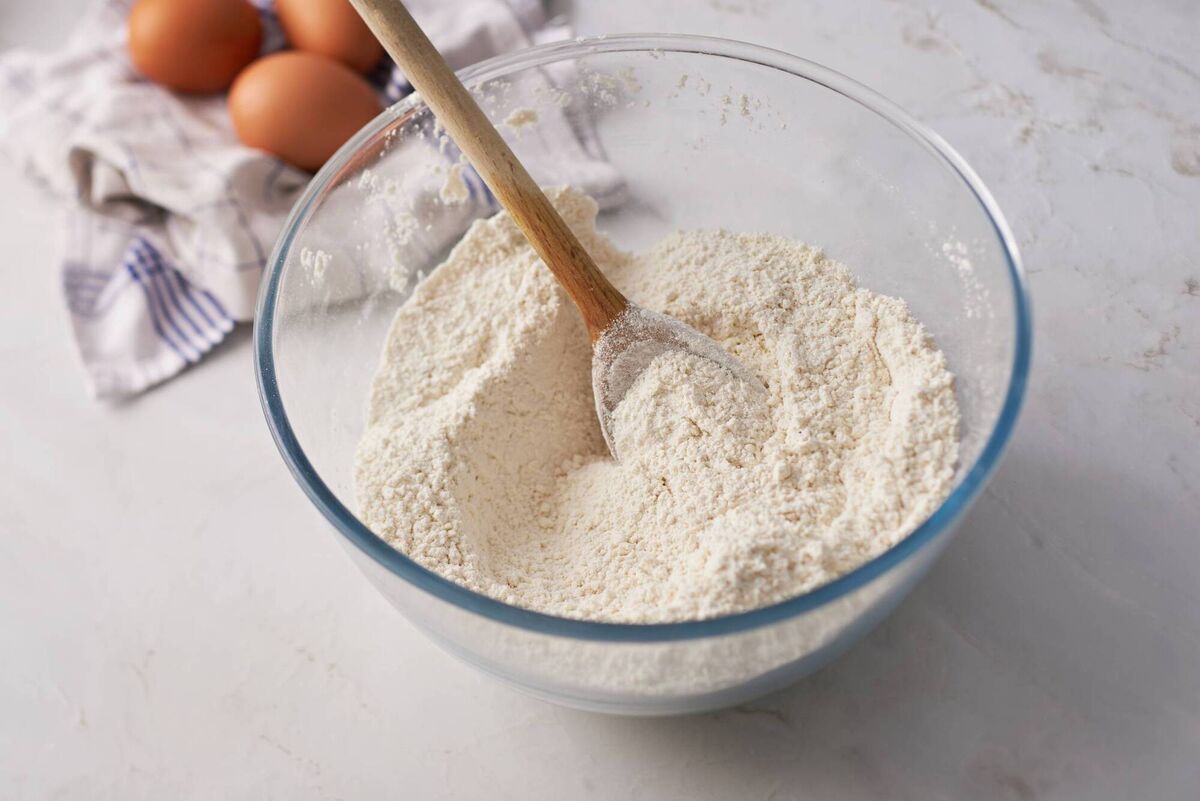

Wood, stainless steel and glass offer a useful alternative when you replace those plastic cooking pieces. Battering, cutting down on or agitating any plastic can increase shedding and flaking. File picture

Finally, think about getting rid of your plastic chopping boards (often polypropylene) and replacing them with an (unglued) wooden board. We make wonderful, solid timber chopping boards all over the country here in Ireland. If you’re truly determined, consider swapping out any heavily used plastic mixing bowls that you’re using with a whisk or battering with a spoon. Glass, stoneware and stainless steel are all great alternatives. Don’t just dump every plastic piece in your kitchen. Examine it for damage and treat it with respect.

Now, clothing and fabrics. Obviously, natural fibres that don’t contain plastics will not break down and shed in the wash or take to the air, creating a burden we may breathe in. Polyester, acrylic, elastane, “pleather”, faux fur and nylon are all plastic-based materials. Just be aware that laundering them roughly will increase the potential for shedding that might get into you and will certainly get into the wastewater when you wash and dry them.

Do your best to include more 100% cotton, linen, wool and other natural fabrics around the home. Although there may be layering of the materials or detailing in plastic-based textiles, viscose, rayon and silk are also safer choices. When you’re picking up a throw for the living room or bedroom, see if there’s a natural alternative like cotton rather than reaching straight for the divinely fluffy synthetic. If you examine the lint collector in your dryer, it’s clear just how heavy the shed we can even see is with these fabrics. That breakdown into pieces you can see and you cannot see is in the air every time you throw the throw.

In the bathroom, it’s impossible to avoid using toilet paper and wipes (which virgin or recycled carry some levels of microplastics and forever chemicals), but if you have any concerns here, think about introducing a French-style bidet routine to your day. As we learn more about the issues surrounding microplastics, just take a reasonable and measured approach to protect your health.

x

More in this section

Revoiced

Newsletter

Sign up to the best reads of the week from irishexaminer.com selected just for you.

Cookie Policy Privacy Policy Brand Safety FAQ Help Contact Us Terms and Conditions

© Examiner Echo Group Limited