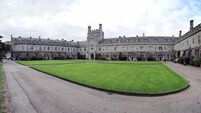
Peter Dowdall: 'Cork showed real imagination in 1985 when it turned a derelict site into a public park'
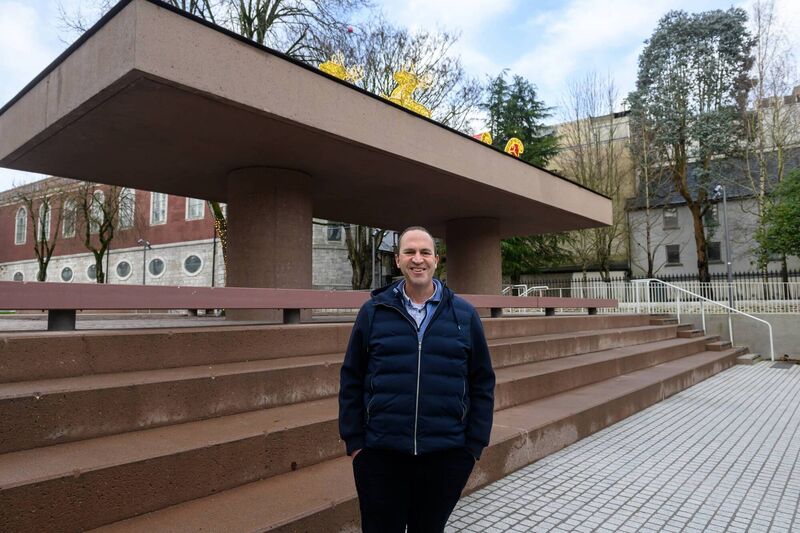
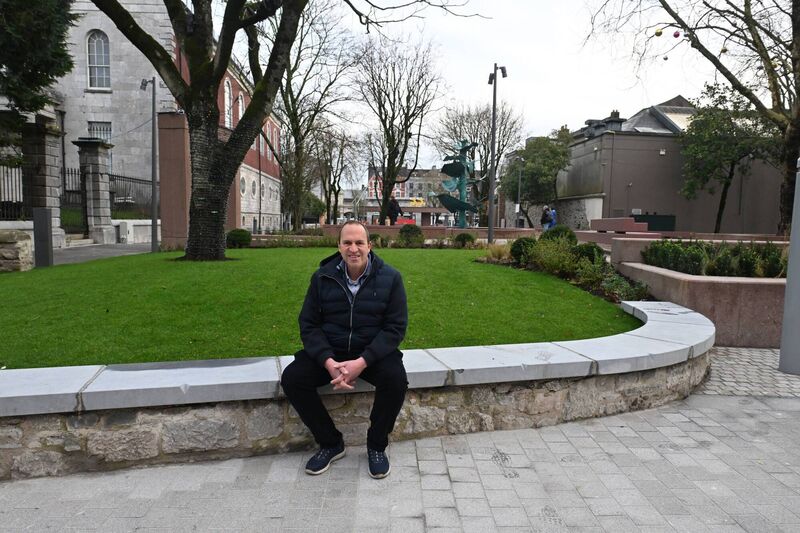
Peter Dowdall at Bishop Lucey Park, Cork. Pictures: Dan Linehan
In the garden, January is never about action for action’s sake. It’s about looking, noticing, and asking what worked, what didn’t, and what kind of space you want to be in by the time spring comes around. Cork city, I think, deserves the same pause for thought.
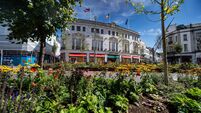
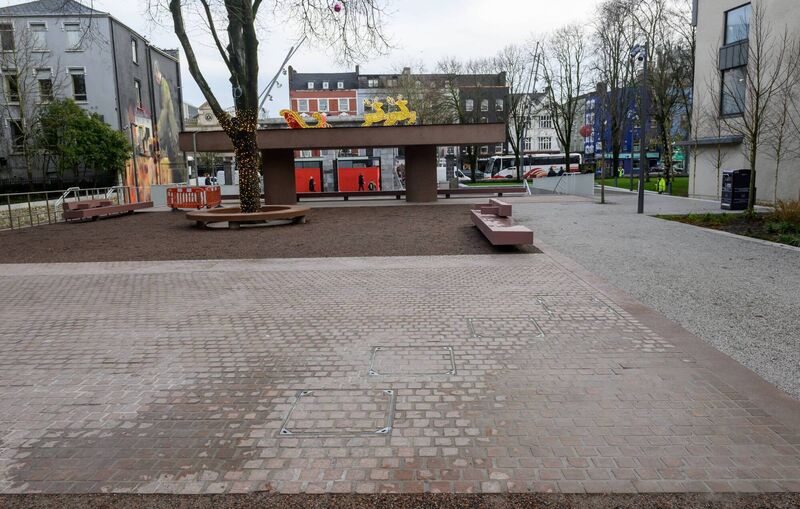
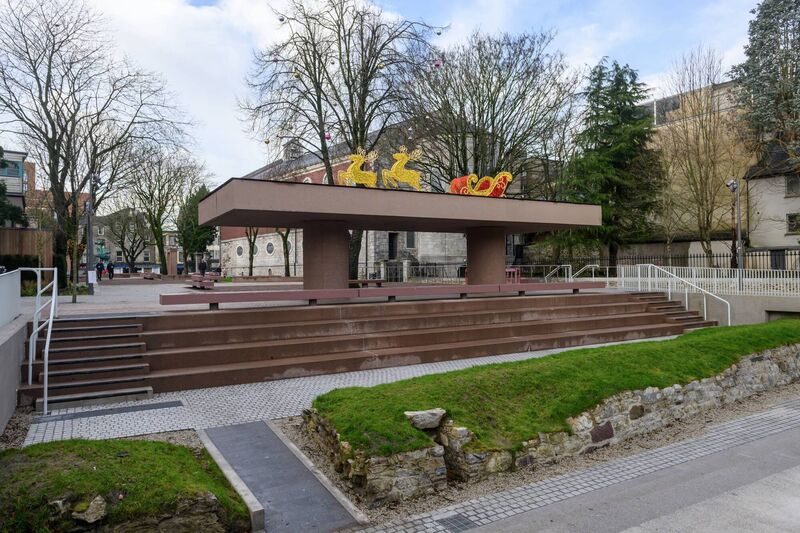
That pause has arrived in the shape of Bishop Lucey Park, or the Peace Park as many of us still prefer to call it, freshly redeveloped and reopened in 2025. A lot of public money has gone into the project, and much of the public reaction has been critical.
But before we decide whether this redevelopment is a success or a failure, it’s worth stepping back and asking a bigger question: Do we actually understand what a small urban park is for?
Because a park isn’t just an outdoor sitting room. It isn’t just somewhere to pass through or perch with a coffee. It certainly isn’t just landscaping, and it should not simply be an overflow or outdoor waiting area for the forever-imminent Cork event centre, though it will need to facilitate that too. Even the smallest park in a city is doing quiet, important work, whether we notice it or not.
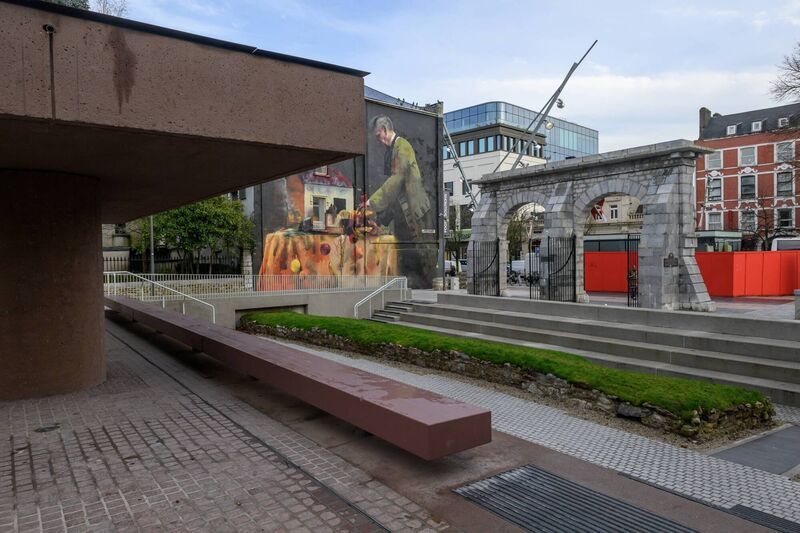
This particular patch of ground has always mattered, as, for centuries, it has been part of the dense commercial heart of Cork. In more recent times, it was occupied by shops and warehouses along Grand Parade, including the Jennings department store, which was destroyed by fire in 1970. For years afterwards, the site lay empty and derelict, a gap in the city fabric that felt unresolved.
Its transformation into a park came in the mid-1980s, as part of Cork 800, marking 800 years since the city was granted its charter. The park was officially opened in December 1985, and I was there on the day. It felt significant then, and it still does now.
At the time, Cork was still reeling from major commercial closures and the knock-on effects of recession. The now-historic Celtic Tiger felt a long way off in a city that was only just beginning to get back on its feet after a run of hard blows. But Cork was being shaped by people with vision, and that energy marked the beginning of real improvement and renewed development in the city centre.
At a time when city-centre land was under huge pressure, Cork made a conscious decision to give that space back to the public.
Under the guidance of Cork Corporation and city architect Neil Hegarty, the project also revealed and protected a stretch of the medieval city wall, allowing history and everyday life to sit side by side.
That was a quietly visionary move in 1985. Nearly 40 years later, the 2025 redevelopment raises an awkward but important question: Have we deepened that vision, have we simply updated the surface, or have we completely lost sight of it?
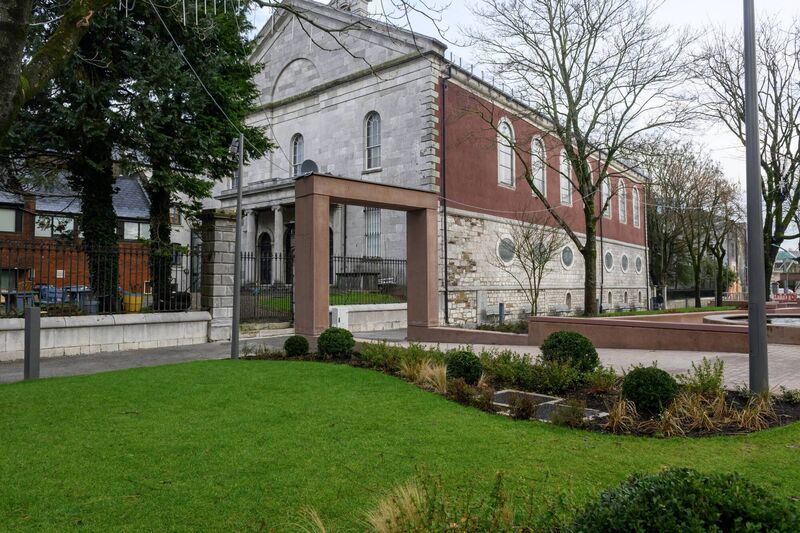
What has changed over those four decades is not just the city around the park, but the nature of the challenges it faces.
In 1980s Cork, the pressures were jobs and commercial survival. Today, they are very different: climate change, social isolation, flooding, and a growing recognition that concrete alone cannot sustain urban life.
As a gardener, I’m always wary of judging a space too quickly. Plants take time to settle.
Soil takes time to respond, and places, like gardens, only really reveal themselves once people begin to use them. But there’s a deeper conversation bubbling away here, one that goes far beyond one park.
We talk a lot about urban greening, but we don’t always mean the same thing by it. Urban greening isn’t just about planting a tree or adding a few beds. It’s a way of thinking about how nature can do real work in a city. It is a strategy, one that blends ecology, public health, economics and placemaking.
Done properly, it delivers flood alleviation because green infrastructure absorbs, slows and filters water in ways hard surfaces simply cannot. Given Ireland’s and, in particular, Cork’s increasingly frequent flooding events, this alone should make urban greening a national priority.
It improves mental health, too. Countless studies show that proximity to green space reduces stress, anxiety and depression. A bench under a tree should not be seen as a luxury but rather as a form of preventative healthcare. Anyone who has ever sat under a tree after a hard day knows this instinctively.
It supports physical health by encouraging people to walk more, move more and spend time outdoors. It reconnects generations and communities, offering safe, shared spaces for children to explore and older people to rest, meet, talk and watch the world go by. Plants and trees create these spaces naturally, without signage or instruction.
There’s a strong economic argument, too. Streets and squares with greenery consistently outperform those without it, as green spaces support local business rather than competing with it. Cities with attractive green streets consistently see higher footfall, people spend more time there, and local businesses benefit.
From a horticultural point of view, urban green spaces are often the last refuge for pollinators, birds and soil life in heavily built-up areas.
Which brings us back to Bishop Lucey Park. The intensity of feeling around its redevelopment shows us that people care deeply about this space, even if they can’t always articulate why. That’s not a bad thing. In fact, it’s a good place to start.
What concerns me more is that we often reduce these conversations to questions of taste — do we like it, or don’t we? Because gardens and cities aren’t just about aesthetics, they’re about function, feeling and long-term health.
Perhaps the more important question is why this understanding is still not shared more widely among our elected representatives, local authorities, business leaders and decision-makers. Why are trees and plants so often regarded as a welcome addition rather than essential infrastructure? Is this a matter of limited understanding, or simply a gap in how value is assessed? Why, in the 21st century, is it still such a struggle to get people to recognise the true value of the natural world to our towns and cities?
As we step into a new year, perhaps this is the moment to widen the lens. What do we want our cities to feel like in 10 or 20 years’ time? What should a modern Irish city look like, and what role should nature play in it?
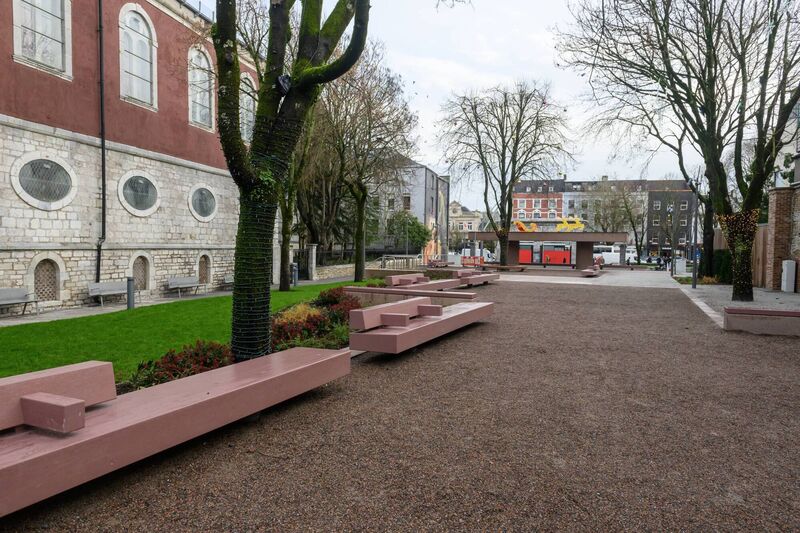
How much space are we willing to give to nature, not as decoration, but as essential infrastructure? How do we design green spaces that are robust, welcoming and allowed to mature rather than being endlessly uprooted and reset?
These are not questions for planners alone. They belong to all of us who live in these places, who walk these streets every day.
Cork showed real imagination in 1985 when it chose to turn a derelict site into a public park at the heart of the city. The challenge now is to build on that instinct, not lose it.
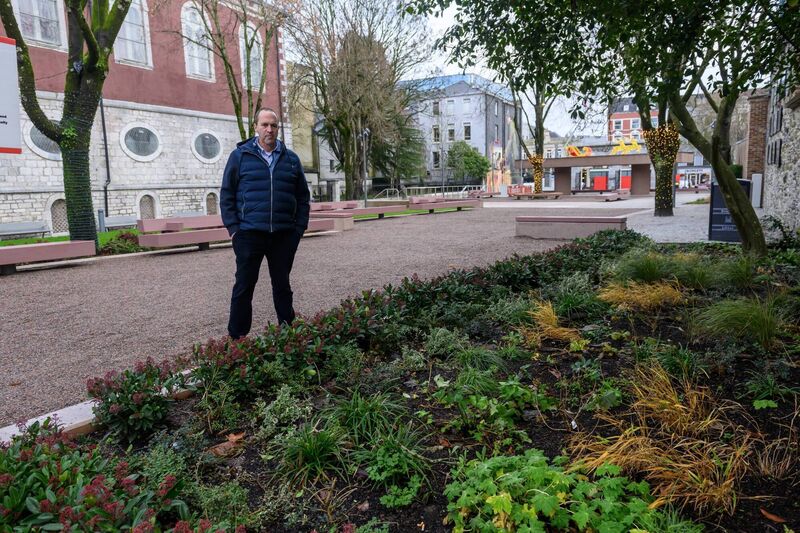
We are facing pressures that were barely on the radar forty years ago: a changing climate, more frequent flooding, declining biodiversity, and cities under growing strain.
But we also understand far more about the value of green space than we once did. If we choose to lead with that knowledge, to see parks and planted spaces as living infrastructure rather than decoration, and if we use this moment not just to argue about one park, but to fundamentally rethink our relationship with green space in our towns and cities, then Bishop Lucey Park may yet prove to be a beginning rather than a battleground.
- Got a gardening question for Peter Dowdall? Email gardenquestions@examiner.ie
After all, any gardener will tell you, the most important work often happens quietly, beneath the surface.

CONNECT WITH US TODAY



Be the first to know the latest news and updates