Peter Dowdall: Walk on the wild side and seek out sustainable winter garden bling
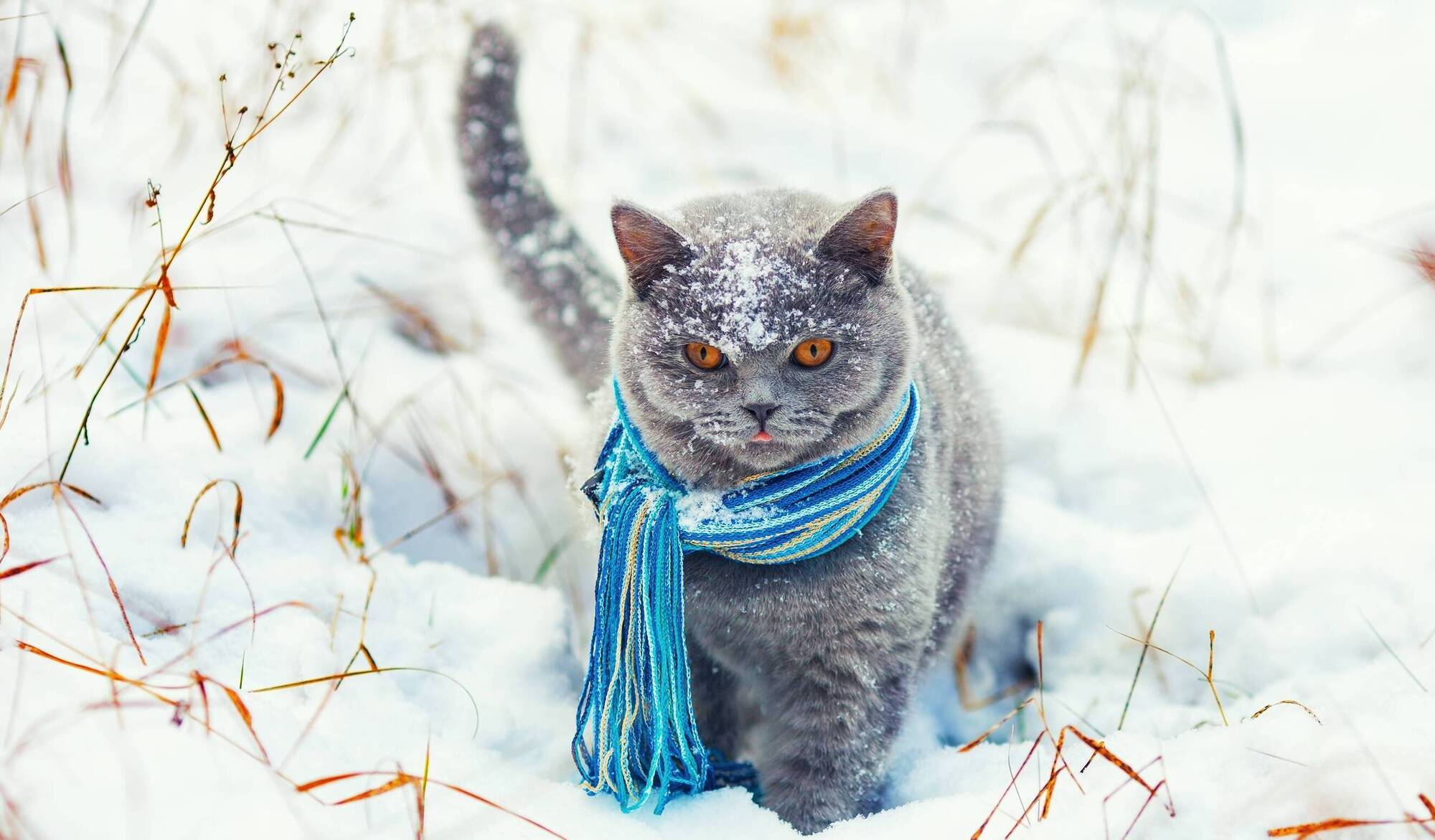
This year, when you go in search of some winter bling for the garden, instead of filling trolleys with plants that act like disposable decorations, perhaps you could think a little differently about winter beauty, writes Peter Dowdall. File picture
Stroll into any garden centre or even supermarkets now, and you will be met by shelves exploding with racks of cyclamen, primulas and other heavily bred bedding plants, every one of them shouting in neon pinks, whites and reds. They look great on the shelf, briefly, but they’re as fleeting as a Christmas bauble, and about as useful to the wider garden.
This year, when you go in search of some winter bling for the garden, instead of filling trolleys with plants that act like disposable decorations, perhaps you could think a little differently about seasonal beauty.
Real garden sparkle doesn’t come from plants that have been hybridised to within an inch of their lives. It comes from those tough, generous, wildlife-friendly beauties that actually belong outdoors in our climate, that will stick around for years instead of a fortnight, and that quietly sustain life while they’re at it.
Skimmias and hollies are two plants that you barely notice for most of the year, but in winter, they suddenly step forward as the stars. Holly is obviously synonymous with Christmas for its red berries brightening up, not just the garden but also decorations and tables inside, and skimmias are seemingly omnipresent now in winter planting displays. It's not the berries of skimmia that make it so noticeable now, but rather it is their flower buds. Densely packed sprays of buds which shine like horticultural jewels in the dark and damp winter weather.
Unlike the ornamental bedding we’re talked into every December, skimmias and hollies don’t just work for us. They’re a great food source for birds and for early pollinators.

Heathers fell out of fashion for a while, banished to the gardening trends of the 80s along with avocado bathroom suites, but they’ve been quietly waiting to be rediscovered, and winter is absolutely their moment. When everything else is sleeping or, at best, struggling to survive the winter, heathers are getting on with the business of blooming.Â
The winter-flowering varieties flower for months, shrug off frost, and don’t behave like prima donnas with the sort of fussiness you get from temporary bedding plants. They also offer nectar to any insect brave enough to venture out on a mild day.
For me, heathers bring a colour that feels natural in winter and is more suited to our landscape than many of the bedding plants. With their flowers of soft pinks, warm purples, and creamy whites, there’s a calmness to them. They don’t shout, they glow, and if you choose one of the golden-leaved varieties, you get foliage that lights up the garden on the darkest days.
Hollies aren’t the only plants giving berries at the moment; cotoneasters, callicarpa, and crataegus, plants that have been around for centuries, suddenly look glamorous once the leaves drop and the berries take centre stage. A cotoneaster heavy with red fruit can rival any Christmas display, and it will still be doing its job in 10 or 20 years, quietly feeding birds and asking for almost nothing in return.
I planted a pyracantha along a fence years ago and every winter it becomes a living advent calendar, dotted with glowing orange berries. The blackbirds strip it bare by mid-January, and honestly, that’s as satisfying as the colour itself.
Compare that to the poor cyclamen and primulas that we pop into window boxes at this time of year. They’ve been bred for huge flowers and impact, which sounds great until you realise a few things: firstly, most of them have been grown in artificial conditions, half a continent away; they really don’t like our wet Irish winters, and they’re of no interest to insects.
A garden, even in winter, should feel part of the natural world. When you fill it with plants that have been pumped up like bodybuilders to produce big flowers and zero nectar, you break that connection.Â
They become props, not participants in the life of the garden, and truthfully, they just don’t last. You’ll see them melting into mush after a few days of rain, while the skimmias, the heathers, the berry-laden shrubs are standing proud, looking as if they were made for this season, because they were.
I think part of the problem is that we’ve been conditioned to look for colour in the wrong places. We look for blooms when winter’s greatest gifts are found in structure, foliage, berries, and fragrance.Â
The quiet kind of beauty, the kind you notice when you’re walking out to the bin in your dressing gown and suddenly stop because something caught the light in a way you weren’t expecting. A burst of red berries against a grey sky. A skimmia shining like it’s been polished. A heather edging a path with its delicate flowers, bringing a smile to the face on a cold morning.
Garden bling doesn’t have to be loud. It just has to be real.

- Got a gardening question for Peter Dowdall? Email gardenquestions@examiner.ie
Â