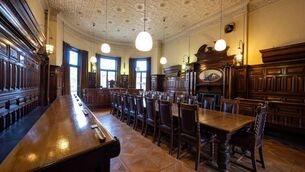
Out with Celtic-Tiger-era stark whites: Warm neutrals and espresso browns are making a comeback in Irish homes
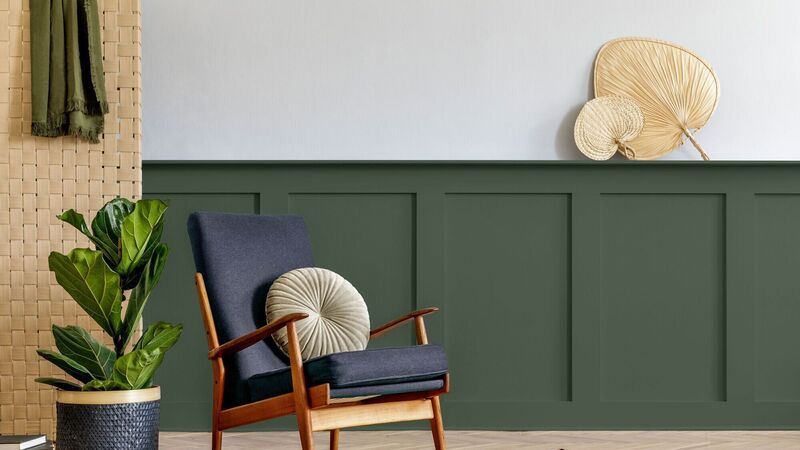
Greens are always a favourite, with 2026 shades including calming olive, like Forest Floor by Colourtrend.
‘Tis the season for pronouncements on colour of the year from everyone with a paint company or opinion.
So far, it’s generally been green leading the way from the more aquatic turquoise and teal to gentler olive and sage.
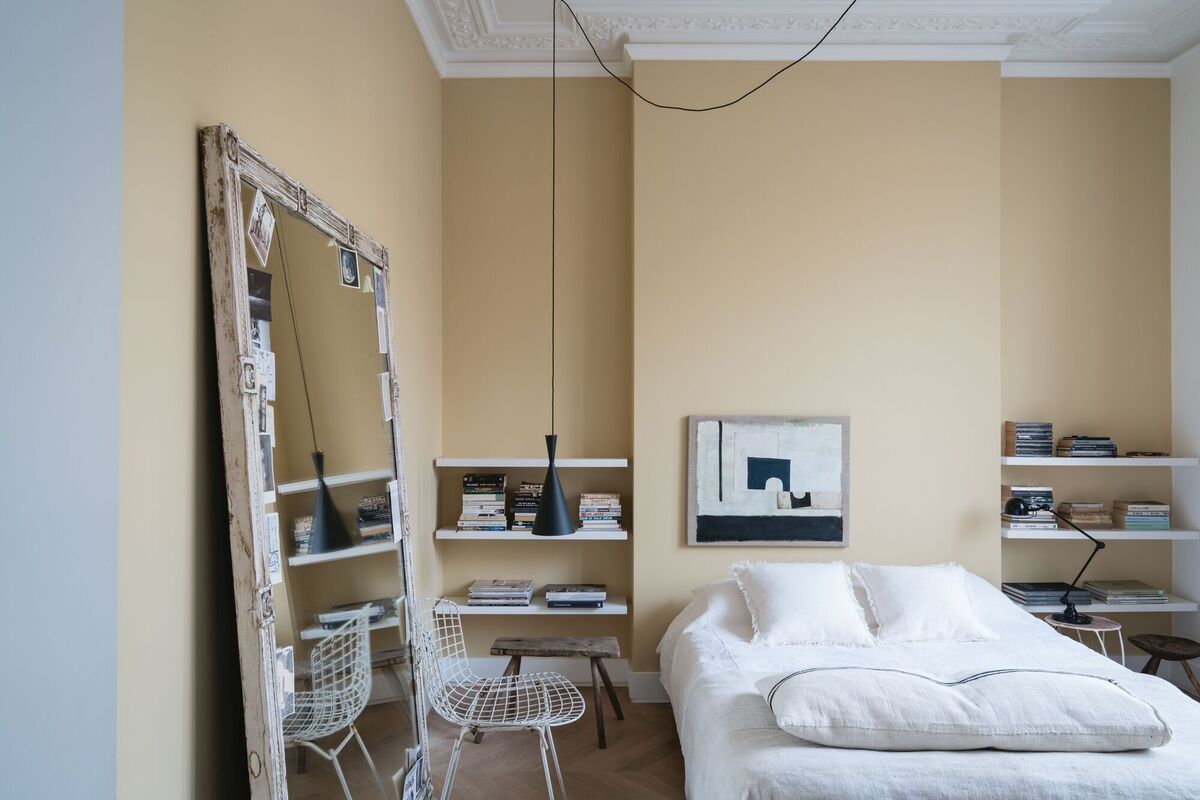
By and large, though, colour for the last two years has been decidedly warm with browns having made a comeback, shifting away from cold, searing whites and chilly blues towards the comfort of creams and tones we might find in the garden and woodlands.
Decorator Lorraine O’Leary, one half of LM Décor, a mother and daughter partnership decorating walls across Cork, says, “Neutrals will always be a staple, but we are seeing a change coming in. Warm neutrals and softer pallets have made a comeback. Many people are swapping out the whites and cool beiges for creamier, warm shades. We’re seeing deeper fawns and golden shades also coming back in the neutral world where the space can take some depth.”
Celtic-Tiger-era stark white, which never really suited the cooler Irish light, is making way for something more atmospheric that suits our climate. It helps, too, that we’ve become more discerning thanks to home improvement shows, endless inspiration from social media, and retail upping its game.
“I definitely think my clients have been on track with upcoming trends when it comes to choosing their colours,” Lorraine says. “Burgundy tones and espresso browns have made a massive breakthrough in the world of colour. More brands have become readily accessible, and it’s making it easier for people to pick tones and shades that suit their taste, and I think that’s making a massive difference to seeing more of these ‘people colours’ coming in.
Leah Llewellyn, colour consultant with Tullamore-based paint company Acres Hall, predicts shifts in tones rather than in colours themselves over the coming season.
“I think the greens will be around for another few years,” she says, “shifting slightly more towards the yellow-toned olive greens rather than the slightly cooler, more bottle and sage greens. I also would love to see a shift towards the moodier colours. Deep jewel tones, aubergines and emerald greens would be a welcome change from the brighter off-whites and strong blues we have seen a lot of over the last few years.”
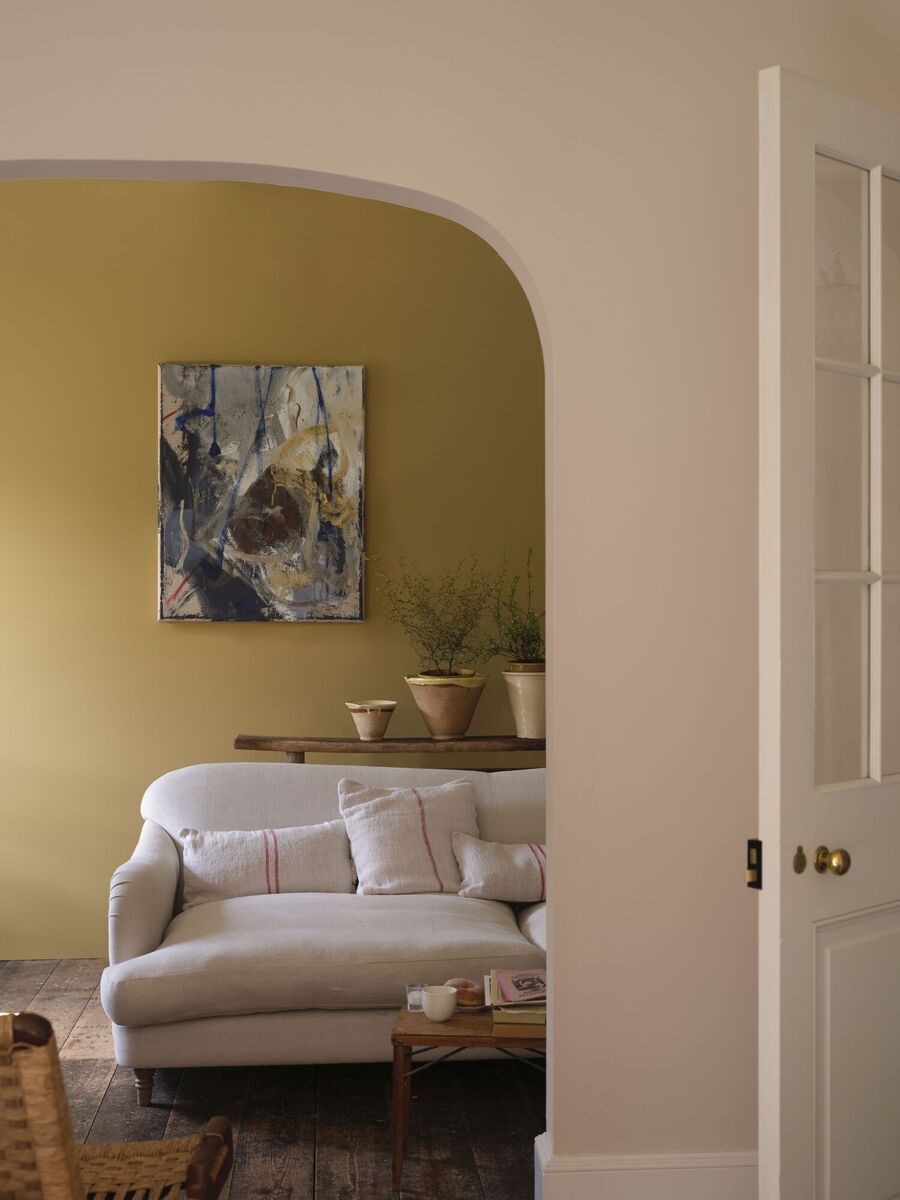
In other news, Leah has been observing trends in colour application among her clientele, giving as much consideration to the ceiling as the walls.
“The use of colour on ceilings and wood finishings has become a trend and will stay a definite trend in 2026,” she says. “I’ve also found people are gravitating towards off-whites and light beiges for their ceilings and timberwork instead of using pure brilliant white. This will, of course, allow for a more neutral and cosier space, taking away the starkness and harshness in the room. I am also seeing a decrease in people having a darker feature wall in their spaces, opting for a darker colour all over, or a 70-30 split of wall to panelling, with the panelling being a darker, stronger colour.”
Choosing paint can be complex and time-consuming, darting back and forth between colour charts and sample pots, so if there are any home decorators who would like a professional steer, Leah cites two shades from Acres Hall, a rich burgundy called Barolo for a bold living area. Birr Gardens, an olive khaki cross, is another she recommends for a cosy spot or a bedroom.
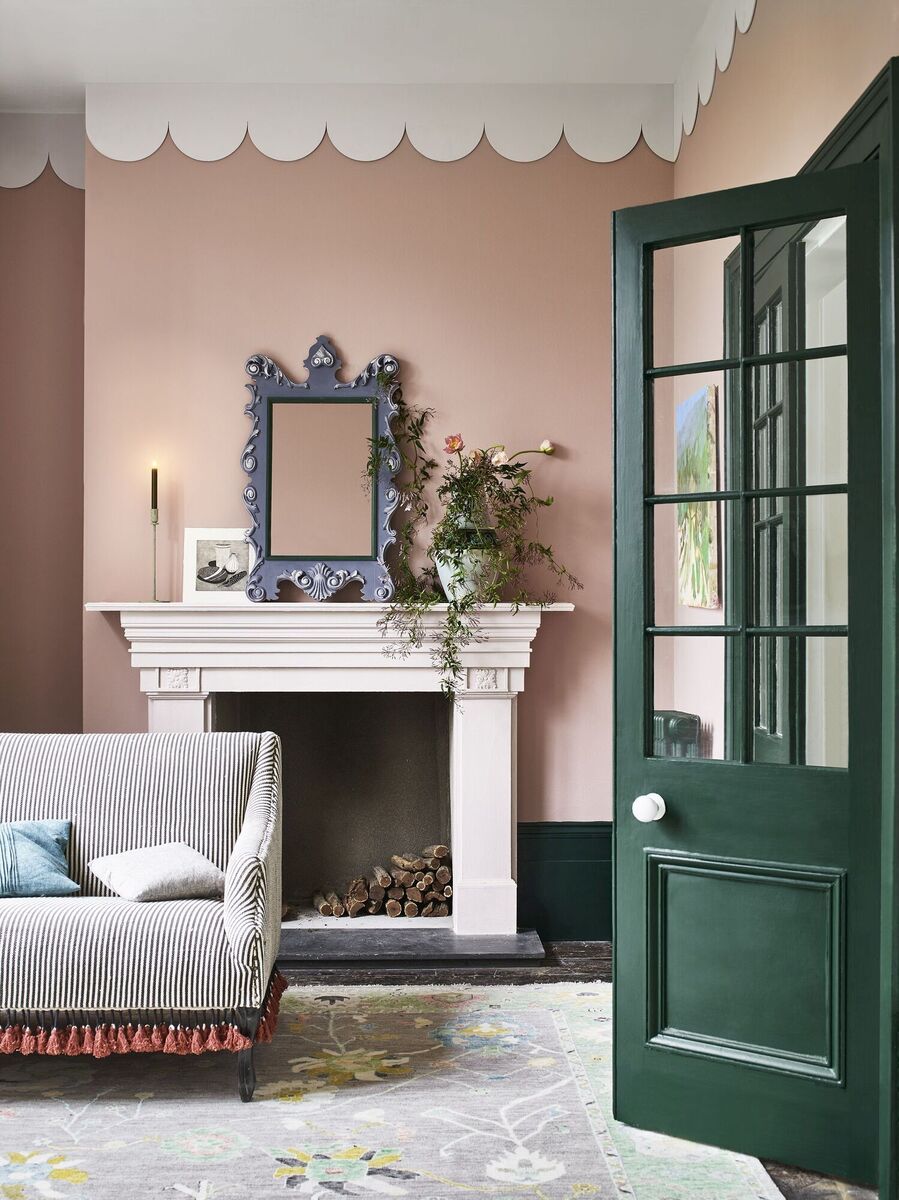
It’s good news for all of us who fully embraced millennial pink and mourned its relegation to the fourth division, as pink is back and with it yellow, although with a slightly different impact.
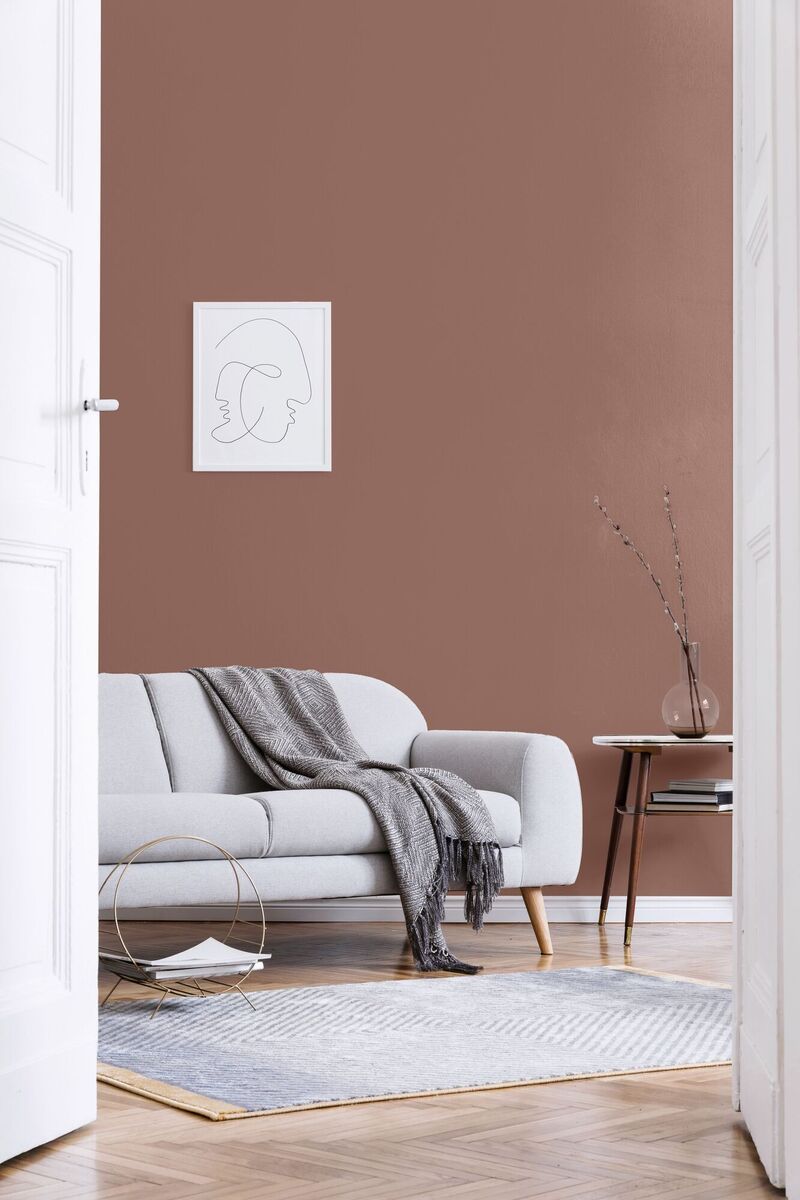
“We have seen growing popularity in soft pinks,” says Patrick O’Donnell, brand ambassador for Farrow & Ball, “…a great choice for those nervous of using an overtly bold pink.”
He flags up a shade called Scallop sitting at the beige end of pink for the not-so-committed.
“As with Scallop, soft yellows are becoming popular choices for those nervous of committing fully to yellow,” he says. “Hay, for example, is not as brash as some yellows can be, and it is dirty enough to effectively serve as a neutral. It gives warmth without feeling overwhelming and, unlike many yellows, it will feel incredibly at home in a contemporary interior, especially when paired with warm oak furnishings.”
www.instagram.com/lmdecor_cork


CONNECT WITH US TODAY



Be the first to know the latest news and updates