How to shop strategically and save money as grocery prices soar
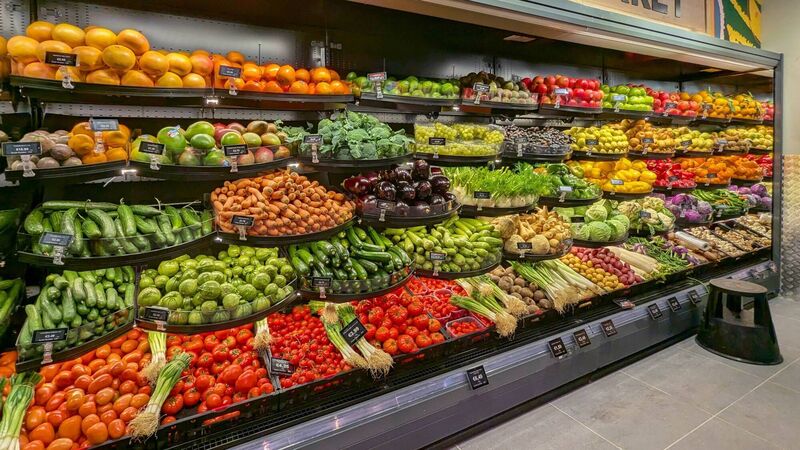
There’s a whole lot we can do to keep our food bills under control by shopping intentionally, protecting all perishable foodstuffs, and extending their life until they become meals on the table. Take command with some proven strategies. File picture
Food prices in Ireland are estimated to have risen around 27% over the last four years, with butter up over €1 per kilogram since last year. The rate over just the last year is an increase of 4.7%, three times the rate of general inflation, according to the Central Statistics Office in Cork (CSO).
There were price increases in the 12 months to July 2025 for a pound of butter (+€1.08), Irish cheddar per kg (+70c), two litres of full-fat milk (+28c), an 800g loaf of white sliced pan (+5c), and an 800g loaf of brown sliced pan (+3c), according to statistician Anthony Dawson of the CSO.
But, as Damian O'Reilly, lecturer in retail management at Technological University, Dublin, said in a recent interview with
RTÉ News: "Prices won’t be coming down, and people need to understand this reality.”
There’s a whole lot we can do to keep our food bills under control by shopping intentionally, protecting all perishable foodstuffs, and extending their life until they become meals on the table. Take command with some proven strategies.
Make a meal planner for the week and shop accordingly. A shopping list is your surest weapon in the fight against aisle wandering. Small amounts of fresh ingredients such as vegetables and fruits can be picked up on the day, and teamed with dried, frozen, chilled and canned goods. Free apps, including Pepperplate, Outofmilk, Anylist and SayMmm, offer printable planners and the ability to import recipes to make this routine work better, even allowing other family members to pop in meal requests.
Be wary of pricey premium monthly subscriptions; stick with the basic (free) app packages. Software and AI tickled search engines right there in your Android phone can conjure lists and suggest recipes. Try a quick “Hey Google”.
Supermarkets are there to profit from your blithering decisions. “Every little helps” — but the CEO of Tesco is not your friend. You are being quietly herded around that shop, making impulse buys. Visual merchandising tricks, including the cunning positioning of foodstuffs, are continually prompting you to overspend on brands and produce you don’t need or may never use.
One simple thing to know as you navigate around for the staples deliberately spread about the hangar is that the cheapest version of most things is on the bottom shelf. Every major store has a coupon deal up and running. Get to know the real savers on your solid, weekly buys, and shop between two companies if that works best. In some cases, if the delivery cost makes sense, home delivery for the bulk of your weekly groceries may help you to behave better.
“Use by” dates are always posted on chilled products such as meat, fish and dairy and should be strictly observed. Use-by dates and storage information should deliver foodstuffs at their most healthful and delicious. Food may be safe after its “best-by” or even the “use by” date, but the quality will have diminished. Once it’s open, all bets are off.
Be wary of buy-one-get-one-free deals on perishable foods such as fruit and vegetables. “Specials” does not automatically mean a cheaper price. Refer back to your weekly planner. If you don’t intend to eat the foodstuffs in the next day or two, dainty fruit and vegetables are not a bargain. Even the most pert and promising lettuce has a shelf life of just four days, and tomatoes fail in just two.
Stock up on tinned and dry goods you do use in bulk when on offer. This is a real saving if you stick to good storage practices. Rice, pasta, flour and many other foods can be kept in dedicated bags and jars for months, sealed against pests and air spoilage. Darina Allen is the High Priestess of the store cupboard. Imagine her face floating in front of you as you rudely tear open the basmati and fling it into the pantry.
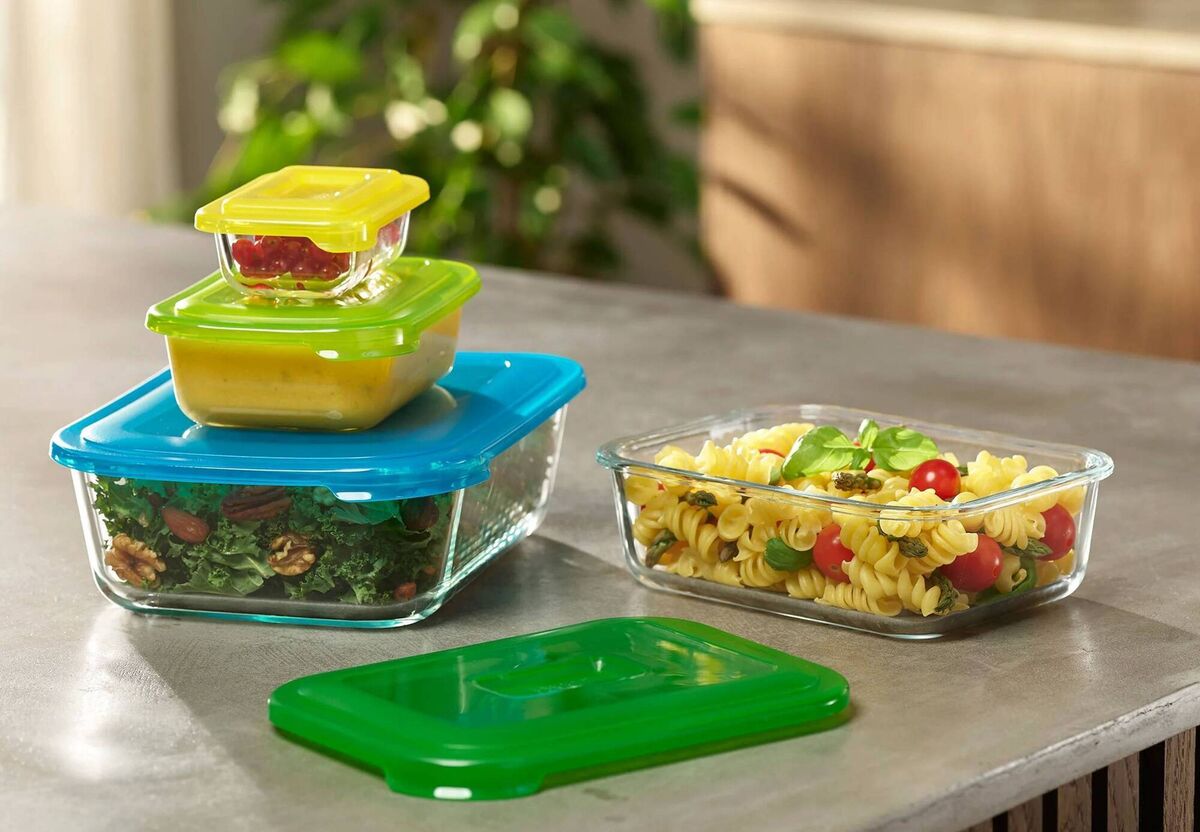
Look out for re-sealable bags and invest in some sealed containers in various sizes to put in the fridge and cupboards. If you find yourself repeatedly allowing the same product to go off or to exceed its date, question the wisdom of buying it.
I’m a nurturer, a feeder, and I overload those pots driven by emotion, not brains. My dogs are fat. Recognise portion size. There are scales and devices for foods that swell during cooking, including clever hoops to measure spaghetti. Deliberate bulk cooking, on the other hand, in league with freezing, is a secret weapon for a busy family and a cult practice by influencers online. If you are prone to overcooking, then make leftovers part of the weekly meal plan. Think about dedicating two or three hours a week to getting 5 dinners done, dusted and into the freezer. Galway-based Lou Robbie, viral Instagram chef, has just released her brilliant and inspiring book , €17.99, Michael Joseph.
Rediscover the joy of reheating and propping up last night’s dinner with maybe one extra vegetable or a soup on the side. Foods from cold meatloaf to second cuts of that Sunday joint can be safely reinvented in a pasta meal, curry or multi-decker sandwiches. Again, if you’re stuck, use your apps to find something to make it work, a quick turnover in the oven, an omelette — something that doesn’t involve pillaging ingredients intended for meals later in the week, or shopping. If adult children refuse leftovers, let them know they are welcome to buy their own foodstuffs.
This may involve purging kilograms of ice-burned, forgotten bags of product dating back even a year. Special offers, bulk deal goods, and putting food on ice can save serious money. Ensure you read the instructions for freezing, as nothing can be entombed in ice forever. A full freezer is an efficient freezer. Get bagging and mark everything by date with a dedicated pen. Bread can be frozen, popped directly into the toaster. Start a search on Instagram for inspiration. Keep vegetables that are not stored in the fridge in a cool, dark place. Fruits, including apples, produce ethylene gas that will ripen and rot other vegetables and fruit. Keep fruit and vegetables in separate chill bins and use any super-cool talents in your latest fridge. Butter is cheaper in a larger pack, but it will be tainted if left open for two weeks.
We can’t park a Friesian cow by the back door to get over the butter robbery currently taking place, but there’s always room for a little grow-your-own. Salad leaves and many herbs can be coaxed into a repeat performance on nothing more than a generous sunny windowsill. Snatching a handful of your own produce and delivering it to the plate is deeply rewarding — and have you seen the price of a little bag of salad that wilts unseen once open? Quality matters. Include delicious Irish foodstuffs from your local farmer’s market or independent producer. These nutritious extras can make your recipes shine, acting as a supplement to the hypermarket of jaded imported foodstuffs.
For more useful primers on avoiding food waste, see Stopfoodwaste.ie


CONNECT WITH US TODAY



Be the first to know the latest news and updates