Peter Dowdall: Why sedums are the stars of the autumn show in our gardens
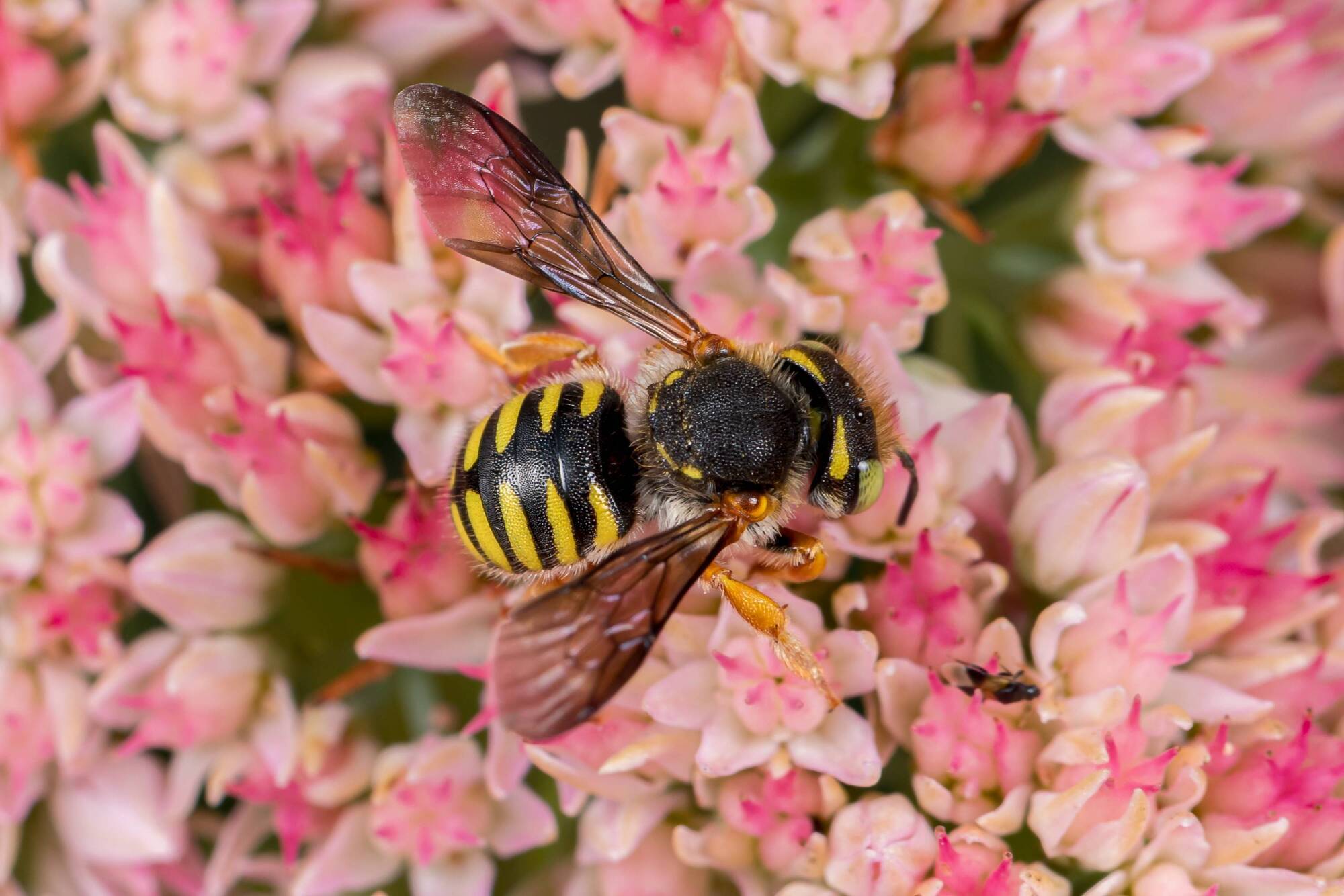
In recent years, breeders have come up with an array of new sedums. File picture
There's a point in the gardening year, usually around late August, perhaps you’ve noticed it already, when everything starts to look a little tired. The first flush of roses is long past, many perennials are starting to flop or brown at the edges, and even the lawns can look worn out from summer foot traffic and sun.
It’s at this time that sedums step up and quietly steal the show, offering fresh colour and structure just when the garden feels like it’s running out of steam.
I’ve always thought sedums (now properly named, hylotelephium, though most of us still call them sedums) are among the most underappreciated stalwarts in the garden. They are wonderfully reliable, tough as old boots, and as generous to pollinators as any plant you could choose.
It’s no exaggeration to say that sedums are the very definition of a late-summer and autumn performer, carrying the garden through that awkward gap when many summer plants have faded but autumn hasn’t yet fully arrived.
Most people will know the old favourite Autumn Joy, still found in countless gardens up and down the country, and for good reason. Its strong stems hold up broad, flat heads of buds that start off a soft green, gradually turn pink, then deepen to a dusky red as the season progresses. It’s a transformation that seems to echo the changing light and mellowing days. As the flowerheads age, they darken to rich rusts and browns, which catch the low sun beautifully and often last right into winter if left uncut.
Bees absolutely adore sedums. Stand by a clump on a warm afternoon and you’ll see honeybees, bumblebees and hoverflies practically queuing up to work over every tiny floret. The broad, shallow flowerheads make it easy for them to land and feed. It’s a late-season nectar banquet at a time when other flowers are starting to run out. I’d say that alone is reason enough to plant them.
In recent years, breeders have come up with an array of new sedums that are every bit as tough and pollinator-friendly as Autumn Joy but with even richer colours or more compact habits. Matrona is a stunning choice, with slightly glaucous leaves and deep purple-red stems that look handsome even before the flowers appear. The flowerheads themselves open pink and gradually darken, giving a long display.
For smaller spaces or the front of borders, there’s Purple Emperor, with dark plum foliage and clusters of rose-pink flowers that set off the leaves beautifully.
One of the best things about sedums is how little they ask of you. They thrive in poor, even dry soils, and too much fertility can actually make them flop. Give them full sun and reasonable drainage, and they’ll grow year after year with barely a grumble. They also cope brilliantly in gravel gardens or among rocks, where their succulent leaves seem perfectly at home.
If you’ve ever struggled with sedums flopping open in the middle, it’s usually because of too much rich soil or perhaps too much shade. You can try the old Chelsea chop in late May, just take a few centimetres off the top growth, which encourages them to be bushier and less top-heavy. Even if you don’t bother, the effect is rarely a disaster. The stems might splay a bit, but they still look natural and graceful, especially when paired with ornamental grasses that weave through and support them.
Sedums are wonderful companions for airy grass types like Stipa tenuissima or the upright forms of calamagrostis. The combination of feathery grass plumes with the chunky, domed heads of sedum flowers is one of the simplest ways to give borders a more modern, natural feel. You can also plant them with rudbeckias, echinaceas, or the later asters for a proper autumn tapestry of colour that will carry right through until the first frosts.
Leave sedum flowerheads standing over winter as they hold frost and dew beautifully, adding structure when most of the garden is looking bare. Birds also poke about in them for insects. Come late February or March, you can simply shear them back to the base when you see the new rosettes of growth pushing through.
Propagating sedums couldn’t be easier. You can divide big clumps in spring or even take a few non-flowering shoots as cuttings in early summer. I’ve often snapped off a piece, pushed it into a spare corner of the garden, and found it rooting quite happily with little fuss.
Good gardens aren’t just about those first bright weeks of summer. They’re about succession, planning for what comes next, and making sure there’s always something happening, even as the season starts to wind down.
In many ways, sedums capture what I love most about gardening. They’re tough yet beautiful, generous to wildlife, and give back far more than they ever ask for.

- Got a gardening question for Peter Dowdall? Email gardenquestions@examiner.ie


CONNECT WITH US TODAY



Be the first to know the latest news and updates