Peter Dowdall: The keys to success with spring bulbs
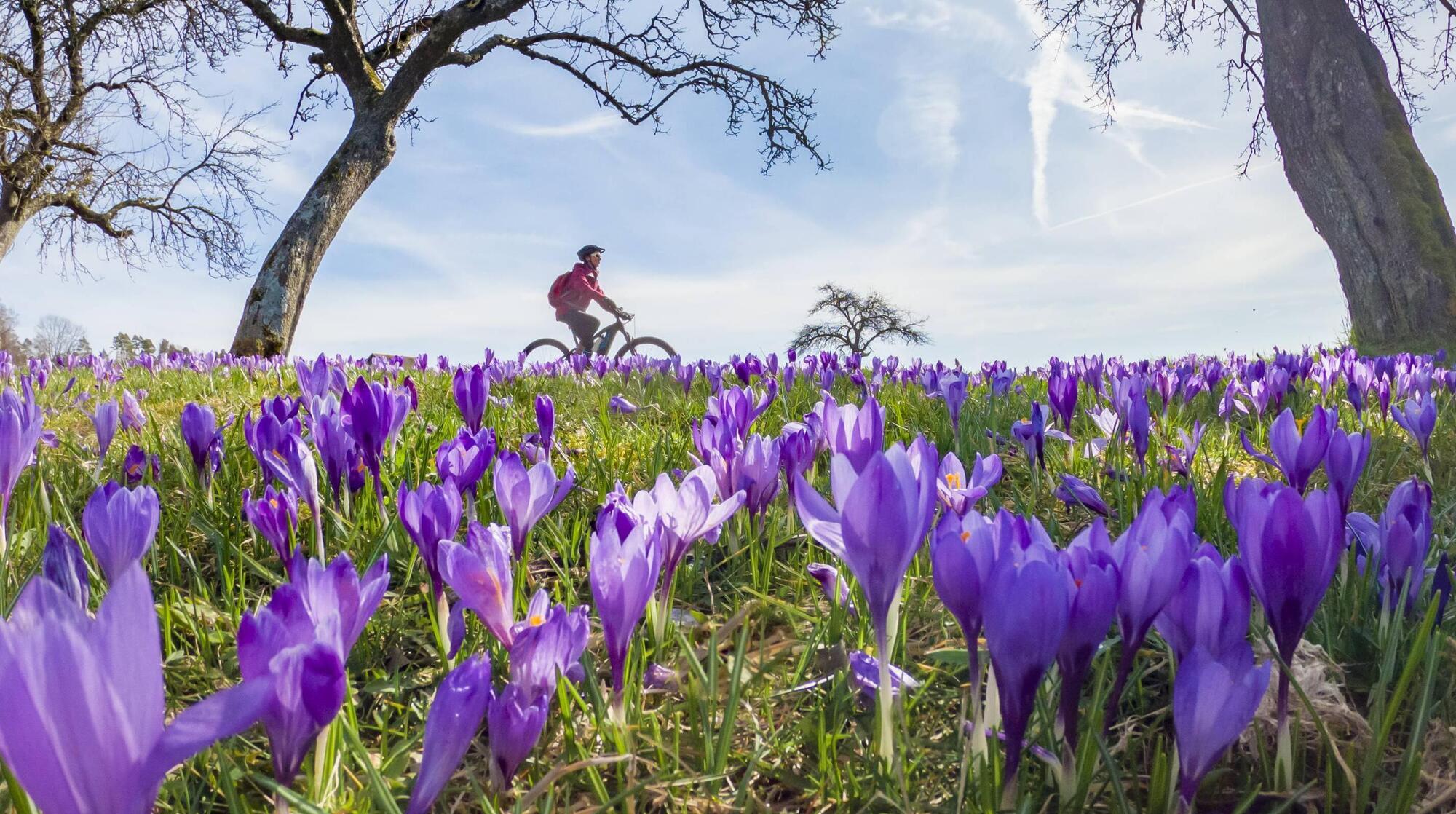
The Crocus makes way for the Muscari, Anemone, wandflowers and Daffodils. Picture: iStock

As the March medley of weather continues into April, we have enjoyed some really beautiful pet days over the last month, and I'm not sure if it is because of these days or what, but I can’t remember a time when I have enjoyed the spring flowering bulbs so much. In particular, the Crocus, which are now passed, having made way for the Muscari, Anemone, wandflowers and Daffodils. To me, they seem to be so much more alive and bright this year than before.
Perhaps it's that each year, I’m a bit more appreciative and aware of nature’s beauty, or maybe the light has just caught them differently, but whatever the reason, I’ve been finding myself stopping to admire them far more than usual.
The joyful nodding of a Narcissus in the breeze, the electric blue hues of Muscari pooling beneath a hedge, the delicate paper-thin petals of Anemone blanda — they’ve all been putting on a show that feels extra special this year.
What I love most about spring bulbs is that they require very little fuss yet reward you so generously. These are all planted as bulbs planted in the duller months of the year, from late September through to December, and then we tend to forget all about them until they surprise us in early spring with their quiet determination to bring colour back into the garden. It's more than a bit like magic, really.
One of the keys to success with spring bulbs is understanding where they want to grow. Most bulbs, including Crocus, Daffodils, Tulips and Alliums, enjoy well-drained soil. In fact, if there’s one thing they won’t tolerate, it’s sitting in cold, wet soil over winter. So, if your garden tends to be a bit heavy or poorly drained, it’s well worth adding some grit to the planting area. If that in itself won't help, your garden may just be poorly drained, then consider planting them in pots and containers where drainage is easier to control, this also allows you to move them around and enjoy them wherever you like.
I remember, some time back now, visiting the garden of well-known gardener, Helen Dillon in Dublin. She had dustbins filled with Tulips in bloom, which were in pride of place next to the home for the few weeks that they were doing their thing and then, once the flowers had stopped, they would be moved, and some summer flowering containers would take their place.
Bulbs generally do best in full sun to partial shade. That said, many early spring bulbs like Snowdrops, Winter Aconites and Anemones will happily grow beneath deciduous trees and shrubs because they get all the light they need during the winter, before their sky fills in with leaves. This naturalistic planting beneath trees or among drifts of grasses often mirrors how they grow in the wild and creates the most beautiful, relaxed feel.
There’s a rule of thumb that bulbs should be planted at a depth roughly twice their height under the surface, and that’s a pretty reliable rule. But more important than precision is ensuring they’re planted the right way up, pointy side facing upwards and spaced well apart to allow them to multiply over time.
When it comes to container planting, layer them up like a lasagne. Place the larger bulbs such as Tulips or Daffodils at the bottom, then cover with compost, followed by mid-sized bulbs like Hyacinths or Narcissi, and finally smaller ones like Crocus or Muscari at the top. This way, you’ll get a longer display in a compact space — ideal for smaller gardens or patios.
While we all enjoy the beauty of spring bulbs, some also have a substantial ecological benefit. Many early-flowering bulbs are a lifeline for pollinators emerging from their winter sleep. Bees, in particular, benefit greatly from species such as Crocus tommasinianus, Snowdrops and species Daffodils.
Muscari armeniacum, the Grape Hyacinth is a wonderful plant for pollinators and will naturalise easily in the right spot. Anemone blanda too, with its open daisy-like flowers, is excellent for attracting early bees.
Later in spring, Alliums provide a feast for bees and butterflies alike. Their globe-shaped flowerheads, made up of dozens of tiny florets, act like a buffet for pollinators. Allium Purple Sensation is a great variety — tall, structural, and beautifully vivid.
As we move further into spring, the baton will be passed from the Daffodils and Muscari to the Tulips. These are the real showstoppers, available in every colour imaginable and in forms ranging from delicate lily-flowered varieties to bold, blowsy doubles.
Tulips like a dry summer rest, so choose a sunny, well-drained spot for the best chance of them returning the following year. That said, I tend to treat them as annuals and replant each winter.
Tulips will carry you through April and into May, when Alliums start to take over. These incredibly beautiful and statuesque plants with their starburst blooms add height and drama to any border. Some of the later flowering varieties, like Allium Ambassador or Allium cristophii, can keep flowering well into June.
Spring flowering bulbs can give you continuous colour right from the earliest Snowdrops in January, all the way through to the late Alliums and even summer-flowering bulbs like lilies and gladioli in July and August.
CONNECT WITH US TODAY



Be the first to know the latest news and updates