Peter Dowdall: Snowdrops remind us there's life in our gardens in January
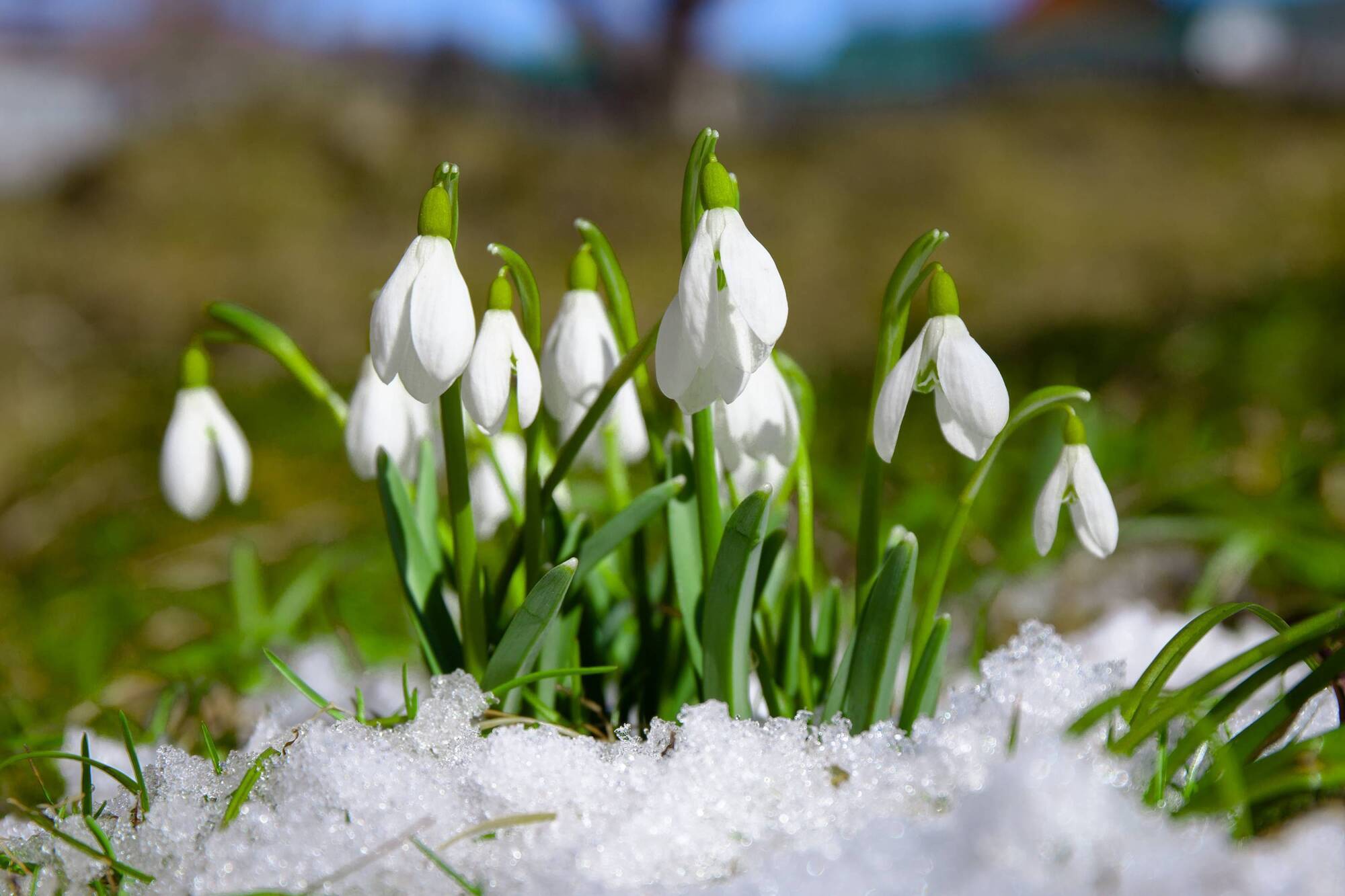
Snowdrops, Helleborus orientalis. File picture
While January might seem like a dormant month in the garden, it is a time of quiet beauty when we stop to admire the room outside.
Some of the jewels of January, which remind us that there is still life in the garden include snowdrops, Helleborus orientalis, and other beauties that come into their own at this time.
Snowdrops, or galanthus to give them their botanical name, are among the first flowers to emerge in the new year, earning their place as January’s most synonymous flower. Their delicate white petals, shaped like drops of snow, are like little sparkling jewels in the snow and frost-covered soil.
It may surprise you to learn that not all snowdrops are equal There are many varieties of snowdrops from which to choose. The classic, Galanthus nivalis, is an easy-to-grow and reliable choice, while the giant snowdrop, Galanthus elwesii, produces larger flowers.
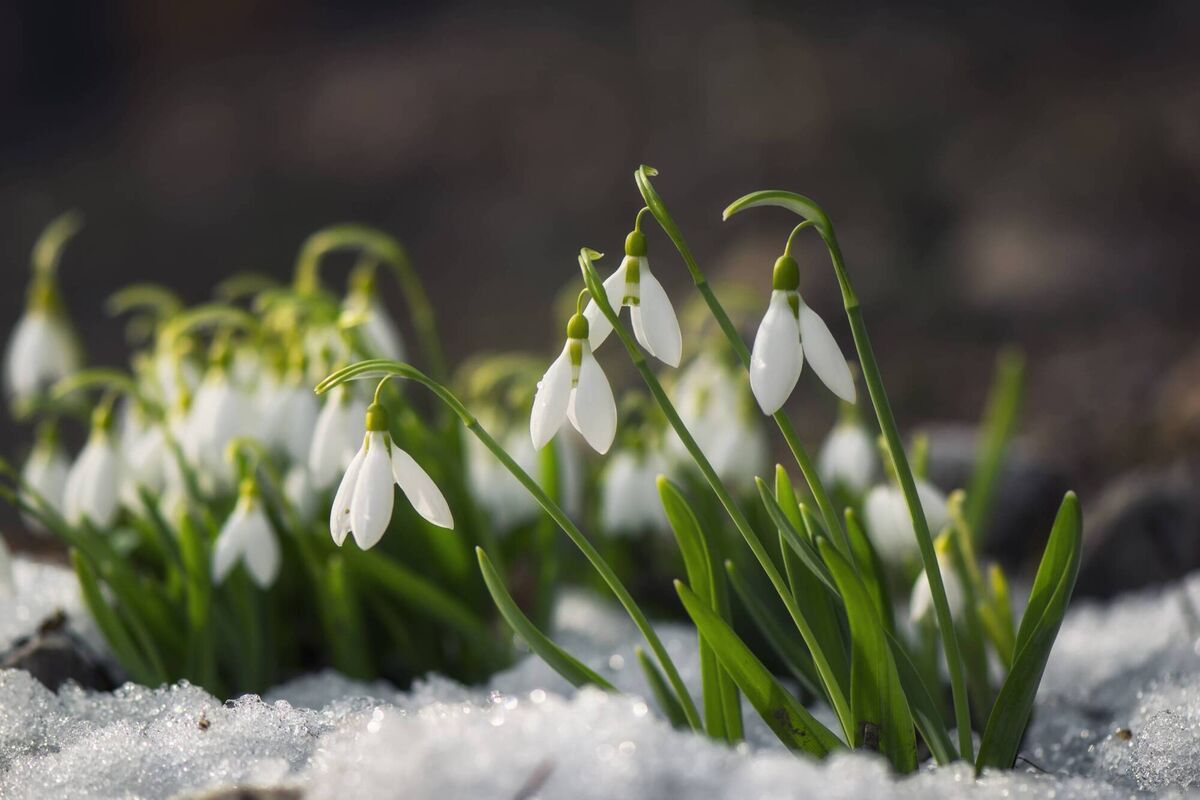
There are about 25 species of galanthus and hundreds, if not thousands, of varieties and cultivars, as new forms are being bred every year.
A galantophile is a person who is passionate about and collects snowdrops. I bet you didn’t even know there was such a thing but believe me, there is and galanthophiles often take their love of snowdrops to a highly specialised level, seeking out rare and unique varieties, attending snowdrop fairs and events, and sometimes even bidding on exclusive cultivars at auctions.
Expect to see more than a few galantophiles at the annual snowdrop gala. Entitled Celebrating Snowdrops and Other Spring Treasures, it takes place this year at Ballykealey House, Ballon, on Saturday January 25.
Celebrating its 14th anniversary this year, this gala has become a firm favourite with Galantophiles and anyone with an interest in gardening.
Galanthus plicatus 'Wendy's Gold', a striking yellow-marked snowdrop, has captured the admiration of galanthophiles worldwide. This unique cultivar was originally discovered at Wandlebury Ring near Cambridgeshire by the mother of nurseryman Joe Sharman. With the permission of Bill Clarke, the site's warden, Sharman collected the original clump, which was subsequently distributed among several growers. Despite the loss of some of the initial stock to disease, the surviving plants were successfully propagated and shared, ensuring their continued presence in gardens and collections.
'Wendy's Gold' is not widely available, you will be lucky to find it among some specialist growers and expect to pay around €30-€40 for just one bulb.
If the thought of paying that for just one Snowdrop bulbs makes you shudder, then perhaps I shouldn’t tell you about Galanthus ‘Golden Fleece’.
This extraordinary cultivar, with its distinctive yellow markings and symmetrical elegance, is no ordinary snowdrop. It is the culmination of nearly two decades of dedication and botanical artistry, crafted by that same nurseryman, Joe Sharman.
What makes ‘Golden Fleece’ so special, is its status as the first yellow inverse poculiform snowdrop. What exactly does that mean, I hear you shout. Well, though the term might sound esoteric and high-brow, it actually refers to the symmetry of the flower shape, the inner petals mimic the outer.
The journey to ‘Golden Fleece’ began with two snowdrop cultivars, ‘Wendy’s Gold’ and the uniquely shaped ‘Trym’. Sharman, carefully crossed these varieties, producing just two seeds.
Years of cultivation, selection, and patience followed as each generation brought him closer to the perfection he sought. Finally, after 18 years of effort, the ‘Golden Fleece’ emerged, in horticultural terms, an achievement not unlike finding the mythical treasure it is named after.
Its beauty and rarity were cemented in horticultural history in February 2015 when a single bulb sold on eBay for a staggering stg£1,390, setting a record as one of the most expensive snowdrops ever sold.
You see, for collectors, this wasn’t just a bulb, it was a piece of living history, a testament to the passion and perseverance behind its creation.
For those lucky enough to grow it, it is not merely a flower but a story, a connection to the artistry and dedication of its breeder and the wonder of the natural world. It reminds us that even in the quiet of January, miracles are waiting to unfold.
For us mere mortals of the snowdrop world who simply want to have a few of these beauties blooming in our winter garden, I would advise planting just after flowering. Many textbooks and gardening websites will tell you to plant snowdrop bulbs in autumn to ensure their appearance in mid to late January.
However, from experience, I have found that planting them “in the green” is far more successful. In other words, plant pot-grown clumps or lift some from the ground and move them once flowering has finished and the leaves are still green.
For a naturalistic effect, plant them in drifts under deciduous trees or along pathways where their nodding blooms can be fully appreciated.

- Got a gardening question for Peter Dowdall? Email gardenquestions@examiner.ie

CONNECT WITH US TODAY



Be the first to know the latest news and updates