Gardens slowing down
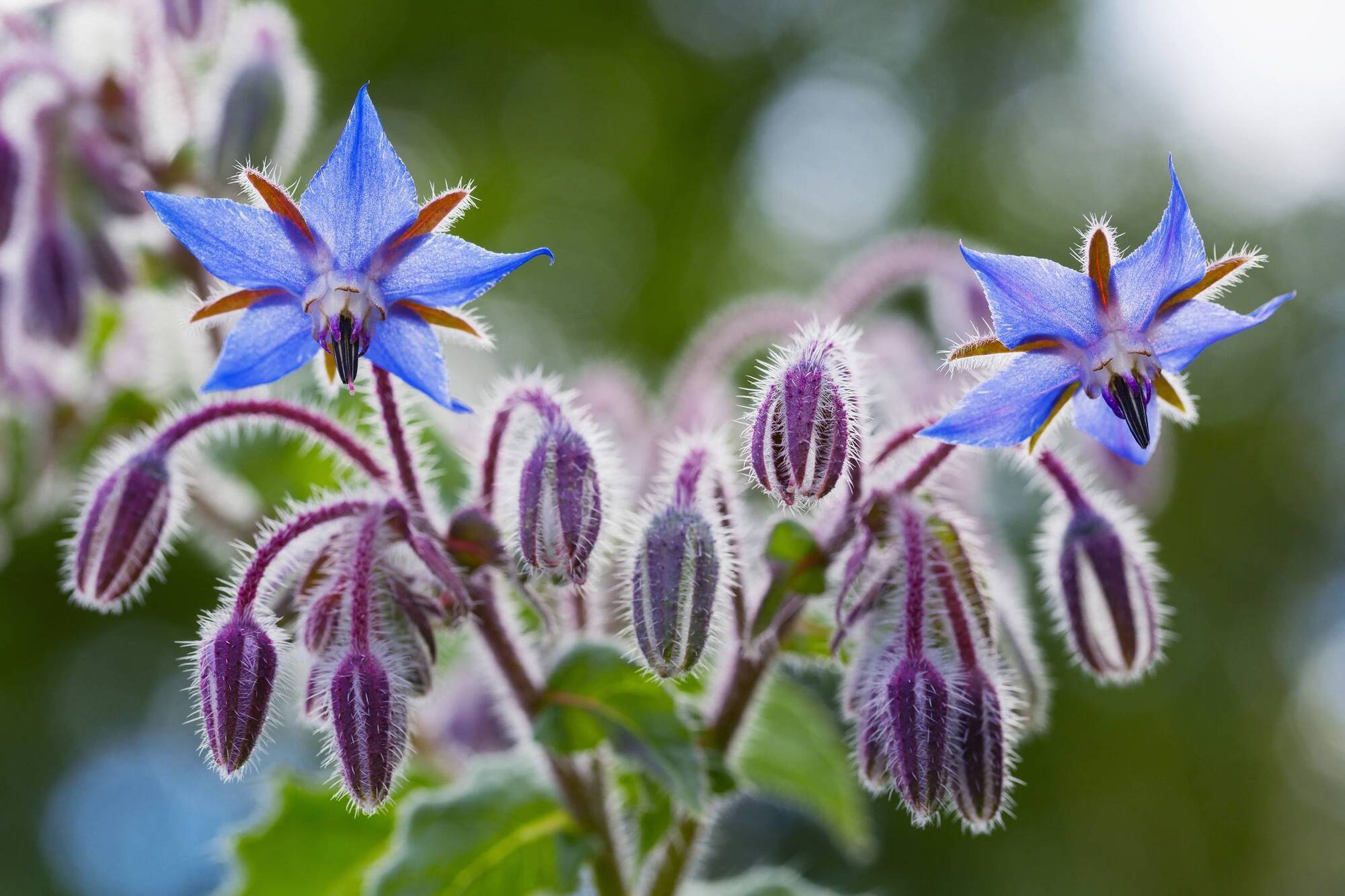
Borage has been at its best over the last two months holding their exquisite blue and white flowers up to the sun.
Pet days at this time of year, during October are particularly special as we are approaching the long winter ahead and we try and hang on to the blue skies and sunshine with both hands and stock up on the Vitamin D and feel good that you only get on days like these.
Ironically, it feels this year, like we have experienced more of these fine days during September and October than we did all summer. The sunlight is still very strong in intensity and the blue in the sky can be deceptively rich, as when outside the waning heat reminds us of the month that we are in.
My Borage which self-seeds freely in my garden has been at its best over the last two months and I have seen a flurry of activity during the last week, around the various different plants which still hold their exquisite blue and white flowers up to the sun.
So too, the Caryopteris Heavenly Blue and Salvia Delice Aquamarine, which are still blooming away, are being enjoyed by the flying insects about the garden.
One of the things that makes pet days at this time of year such a pleasure, is that normally when we get such beautiful days everything is happening at speed, the summer hurtles by and gardening jobs need to be done every hour, never mind every day, kids are on holidays and everything is screaming for attention.
However now as things are slowing down, the jobs in the garden are fewer and less urgent, and we get a chance to enjoy the garden that bit more. Take time to just stop outside and look around at the magic happening all around, be that the bees feeding on the Borage, the autumn leaves changing colour or the fungi blooming in magical coloured toadstools. Perhaps you may be lucky enough to spot a thrush feeding on snails, or a hedgehog scurrying through the undergrowth. The garden is such a magical place once we pause to take it all in.
One job that should be started during October and continued into the winter is the planting of flower bulbs for wonderful spring displays next year.
This often seems like a thankless job, a lot of bending over and digging which invariably leads to a bit of weeding and cutting back as one task leads to another.
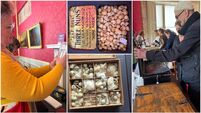
The rewards of your labour are not instant as you have to wait until the next season to see the results of your work. What we are doing now is plugging the bulbs into the magic of the soil and then, sitting back with confidence and the type of faith that only us gardeners possess that these dried-out, swollen stems which may look more like something we should cook, than plant, will in a few months’ time open up into beautiful blooms.
I have just planted about three dozen Allium Ambassador and I need to fight the urge to go back outside to see if they’re up yet. Foolish I know and this urge will pass as something else more mundane takes my attention and I will forget about the Alliums and the work done today until I see their delicate-looking, elegant flower heads atop erect slender stems next spring.
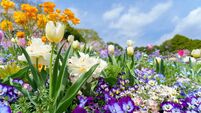
To get the best effect from spring bulbs, I would advise mass plantings. This, for me, is not a case of less is more. Less variety perhaps, but not less numbers for five or six blooms does not a display make. Plant spring bulbs in amongst shrubs and summer flowering perennials to start the season of colour earlier in the year.
Crocus and Muscari which are two, loved by bees and pollinating insects are relatively early bloomers, followed by Daffodils, Tulips and Alliums.
Whether you choose to stick to one colour scheme such as different shades of yellows for example or opt for a medley of all the different colours is completely up to yourself you can't go wrong.
I have very much a green and white buzz going on in my garden in general and this also applies when it comes to my bulbs. For the last few years, I have been enjoying the white of Crocus Jeanne dArc, followed by the white Narcissus Thalia and Sinopel followed by a mix of white Tulips and then the white Allium Mount Everest which is mixed with plenty of Allium Pinball Wizard, Gladiator and Ambassador. Nectaroscordum siculum also, more easily referred to as the Sicillian Honey Garlic is probably the last of the spring flowering bulbs to bloom in my garden, meaning that I have colour from bulbs planted between now and December from February through to June and this year, so far, I have been able to plant them without getting wet.


CONNECT WITH US TODAY



Be the first to know the latest news and updates