Why home interiors fans will always love 1970s retro revival
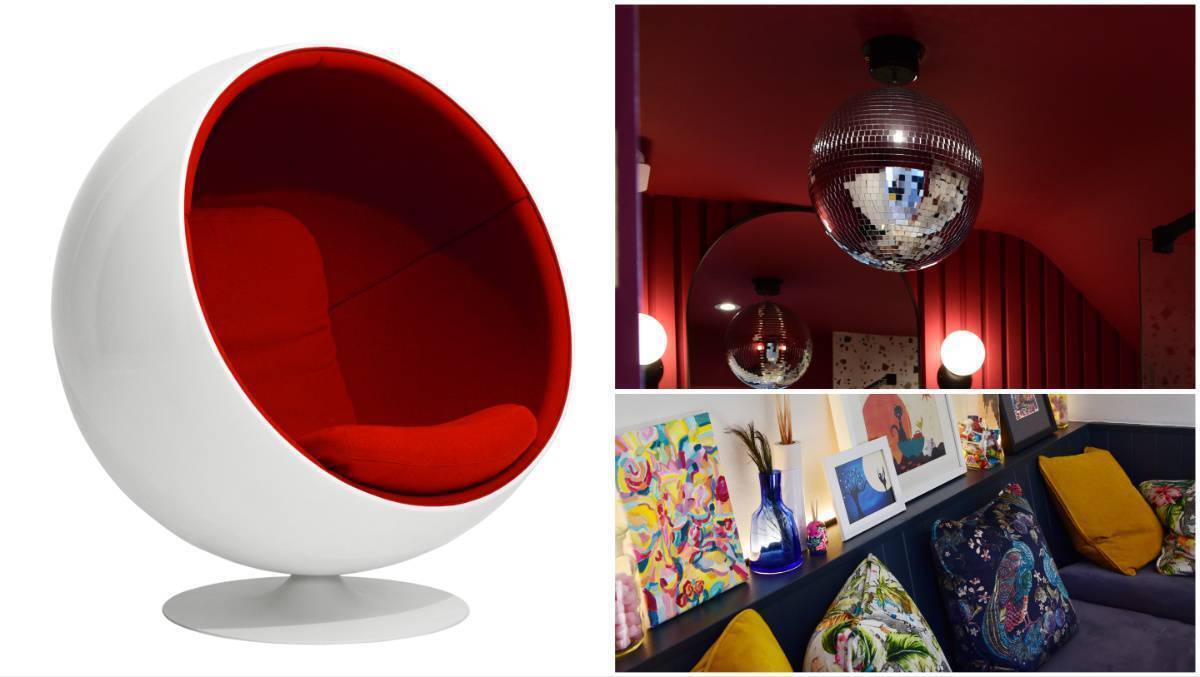
The excitement of the space race of the previous decade generated new materials and designers broke the mould with innovative furniture in the 1970s.
Every time I visit a design show or browse an interior design magazine, I think to myself, “Ooh, I think the 70s is making a comeback”. I’ve realised perhaps the reason I have that thought so often is that 1970s style has never really gone away.
Now and then someone with a groovy flair executes it with notable panache, but the subtle influences persist. In the last six or seven years at least there has been a retro revival that doesn’t seem to be going anywhere.
I see it in my own home — subconsciously or otherwise the mustard hues and quirky patterns I’ve chosen are undeniably influenced by that era, including the disco ball in my downstairs bathroom.
The 70s were all about vibrancy — an unconstrained eccentricity of self-expression through psychedelic patterns and bold colours. The excitement of the space race in the previous decade sent imaginations wild and generated new materials to create with, and designers broke the mould with innovative furniture.
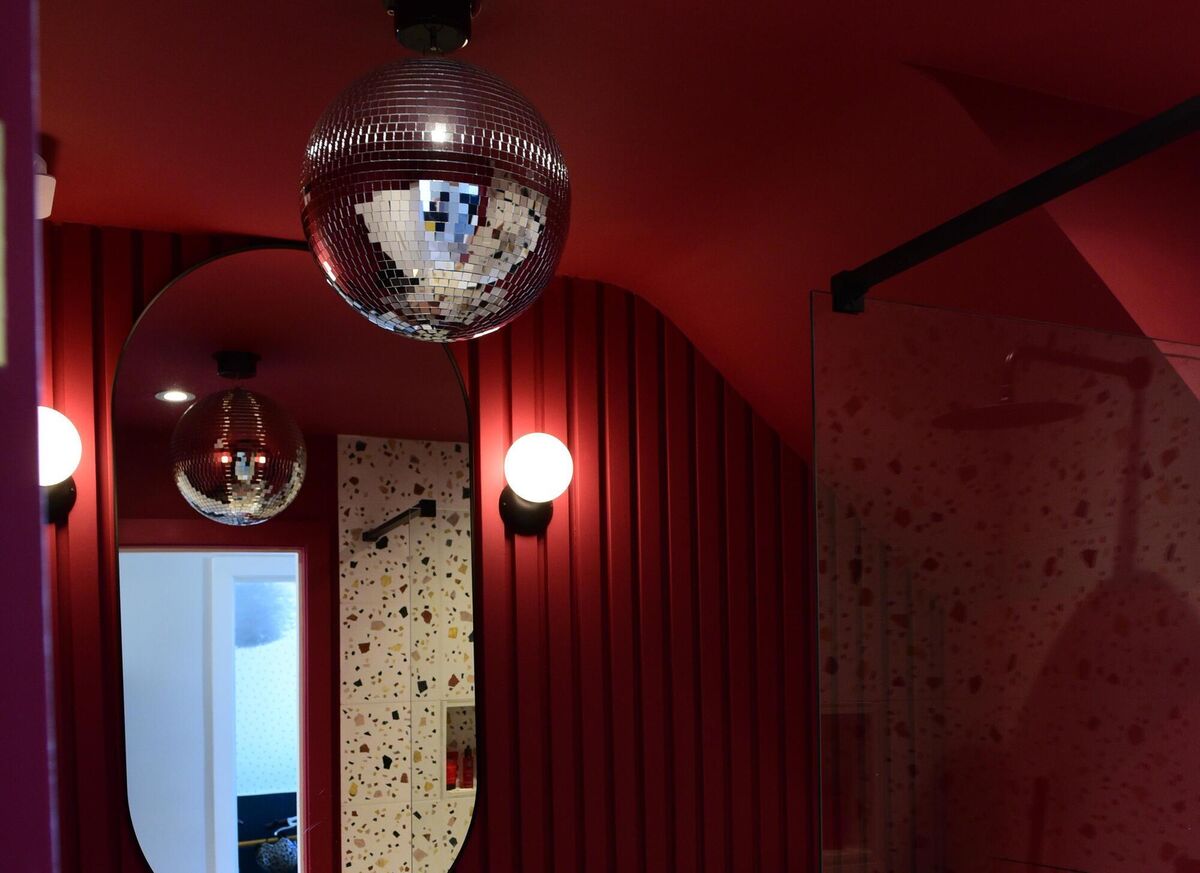
The countercultural movement included a backlash against consumerism and a rise in environmental awareness.
In interiors, this led to the incorporation of natural materials such as rattan and bamboo. Here is a look at the main influences of the explosive style of the 70s that we see in our homes today.
A significant number of you are going to be reading this on a couch or at a kitchen table in an open-plan living space. In the 70s, the desire to break free and reject traditional norms, coupled with women entering the workforce in greater numbers, resulted in a move towards more informal and communal living. This is when open-plan living became popular.
The architectural advances afforded by new materials and building techniques allowed for open spaces without sacrificing structural integrity.
There were also technological advances in heating and lighting — a combination of the oil crisis and environmental awareness led to the creation of more energy-efficient heating and air conditioning systems and new lighting such as fluorescent lamps, all of which meant creating comfortable and well-lit spaces possible for larger areas.
Despite some backlashes during the pandemic, when there was a greater need for privacy and a move towards broken-plan living, the prevalence of open-plan living remains.
Does anyone else have a bean bag in their childhood bedrooms? Mine was a present from a lovely boyfriend I had in school and I adored it — I acknowledge there’s no way to stand up from a bean bag chair with grace but they’re just so fun and versatile. These were invented as furniture in the late 60s and “The Sacco” bean-bag chair was popular in the 70s.
The innovations of the space age influenced futuristic shapes which were as much about form as function. New materials manufacturing techniques enabled curved styles that were inviting, in keeping with the trends of more informal living and creative expression.
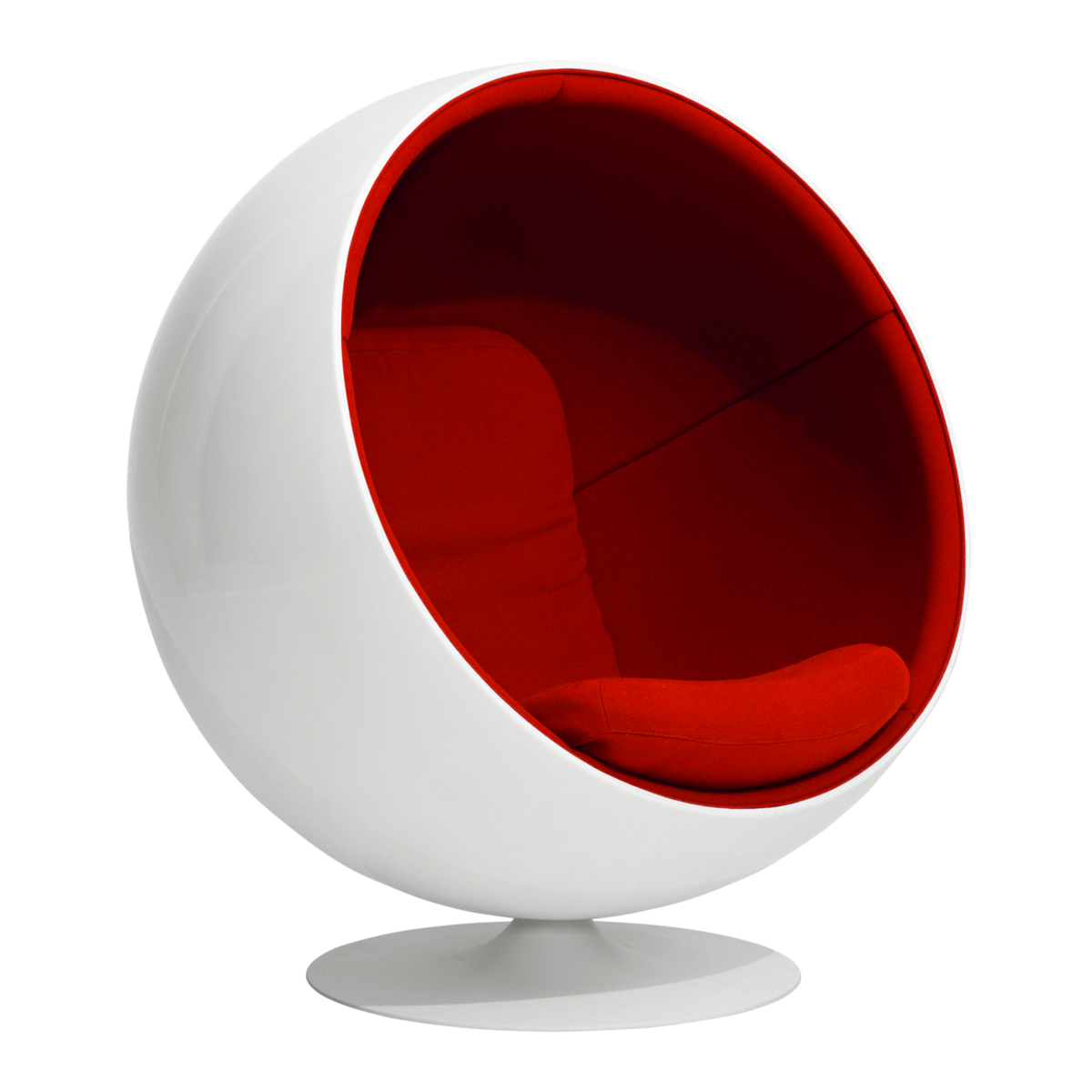
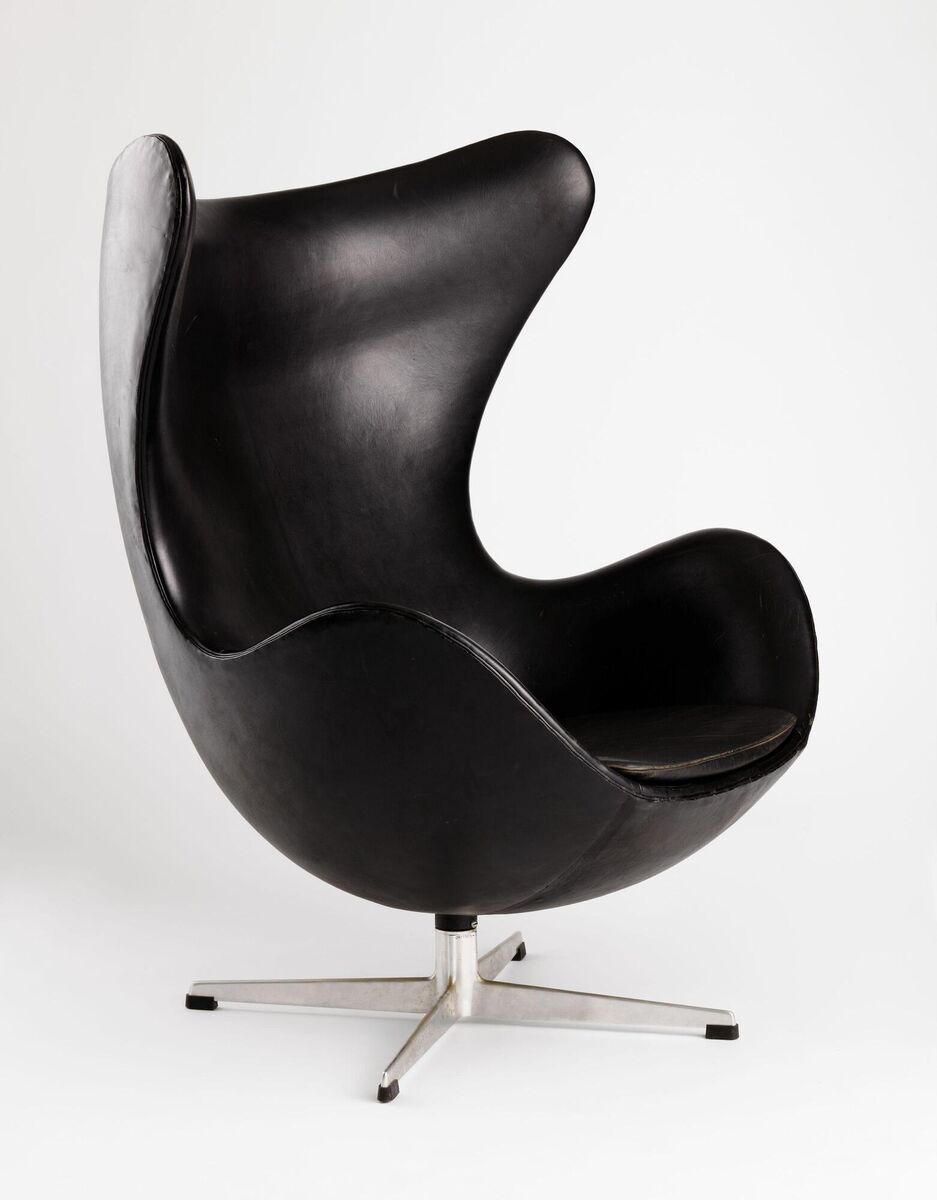
The Egg Chair by Arne Jacobson is still popular today, and the iconic Ball Chair by Eero Aarnio (invented in the 60s and made popular in the 70s) broke the mould of traditional furniture design.
The modular sofa became very popular in response to the flexibility afforded by open-plan living and remains popular today.
The counterculture movement brought a preference for natural materials and artisanal craftsmanship. The rise of environmentalism encouraged the use of sustainable and organic materials, which was reflected in the popularity of houseplants and natural fibres in home decor such as wood, rattan, wicker, and bamboo.
This emphasis on organic elements brought a sense of harmony to interiors, creating warm and inviting spaces that felt connected to nature, and maintaining that growing desire for informality.
Rattan and wicker furniture replaced the metal and plastic of the 60s and added a warm and bohemian vibe to 70s homes.
Stone and brick were popular in flooring and around fireplaces. Bamboo furniture emerged and was lauded for its lightweight strength and versatility.
There is a renewed focus on sustainability and eco-consciousness today, away from the plastic and chrome extravaganza of the Celtic tiger and millennial era, leading to a resurgence of these natural materials in interior design.
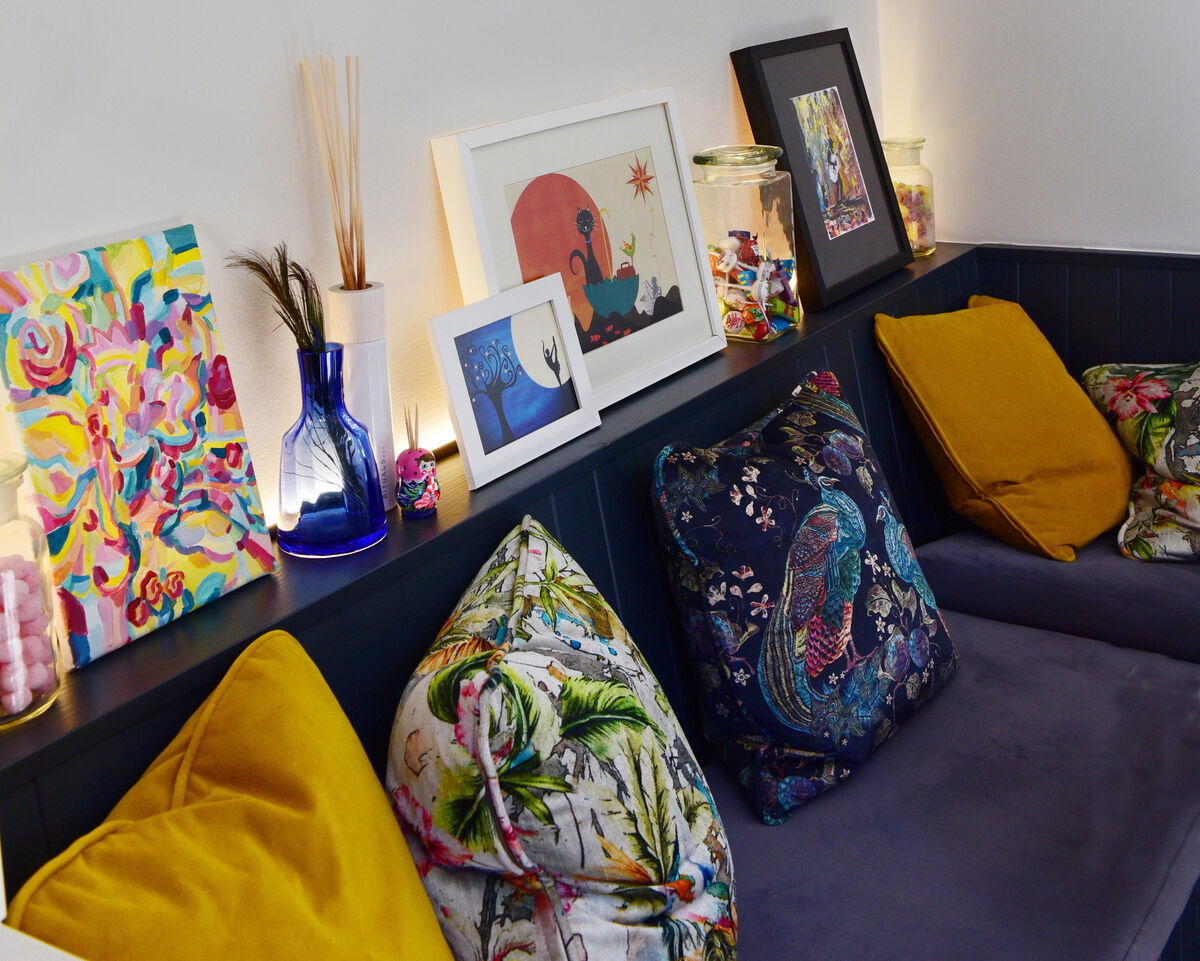
The bohemian emphasis on authenticity and freedom of self-expression unleashed the creative designs of the 70s. There was a move away from the formal constraints of previous eras and a freedom to mix colours, patterns, and styles to suit personal aesthetics.
Homes had character — they were fun and welcoming. Perhaps that is the most enduring legacy of 70s style — that permission to mix and match, to personalise to have fun and experiment, and to create the home you love that works for your lifestyle.
Today that looks like trying bold paint colours, playing with wildly patterned wallpaper, layering fabrics, mixing vintage finds with modern pieces, and proudly displaying your artistic preferences without judgement.

CONNECT WITH US TODAY



Be the first to know the latest news and updates