Jennifer Sheahan: How to use screens and room dividers
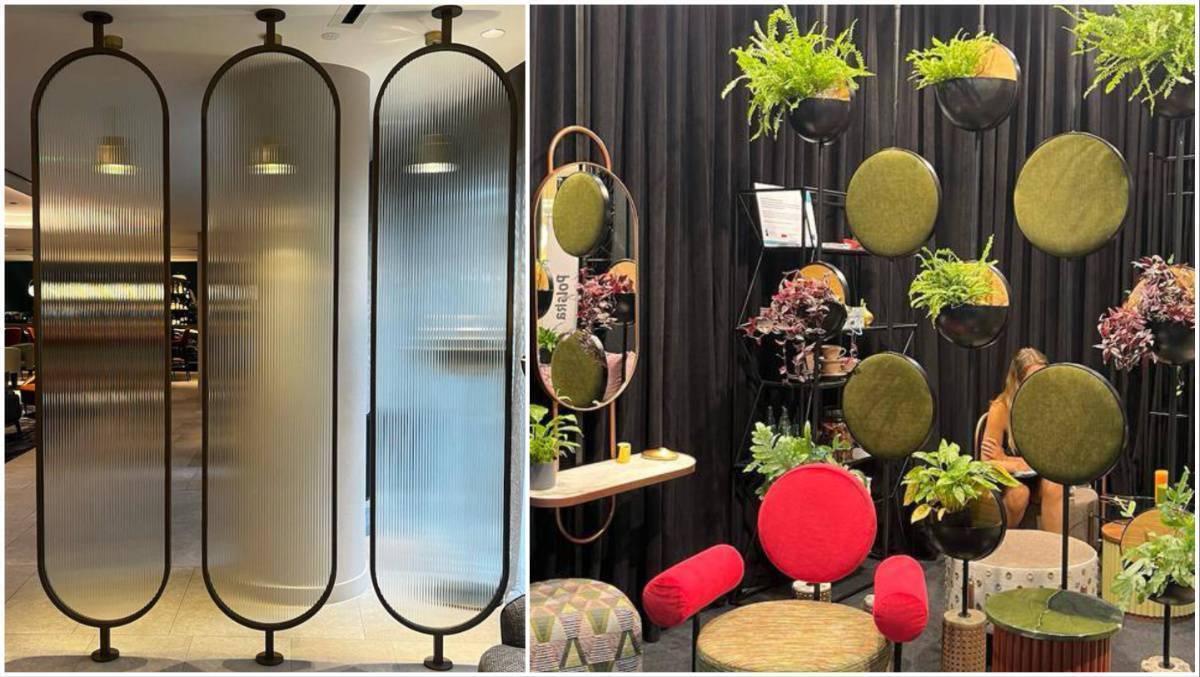
Reeded glass room dividers at Hyatt House, Stratford, London, left, and a 'plant pots' room divider at Maison et Object.
Open-plan living is all well and good until someone calls in unexpectedly and is treated to the visual display of your underwear strung out in all their greying glory on the clothes horse in the corner of your living room.
I don’t personally have the space for a laundry room, much as I would love one, and I know there are plenty more people who could really use an additional room, be it for privacy when working from home or giving yourself a cosy reading nook.
In between wide open-plan space and the erection of internal walls lies the wonderful option of incorporating room dividers. These can be wonderful tools for creating functional zones in your open-plan space, without permanently blocking out light or compromising the flow of your space.
Here are some of my favourite ways to use them.
I have always been a fan of freestanding folding screens and I don’t think I’ve ever seen more options than what’s on the market today. I feel they’re about to enter something of a resurgence, although they never really go out of style.
They bring a touch of old-world elegance and intrigue to your interior design.
Their portability allows them to be used flexibly and stored away when not in use, plus they are available in an endless array of colours, styles and materials.
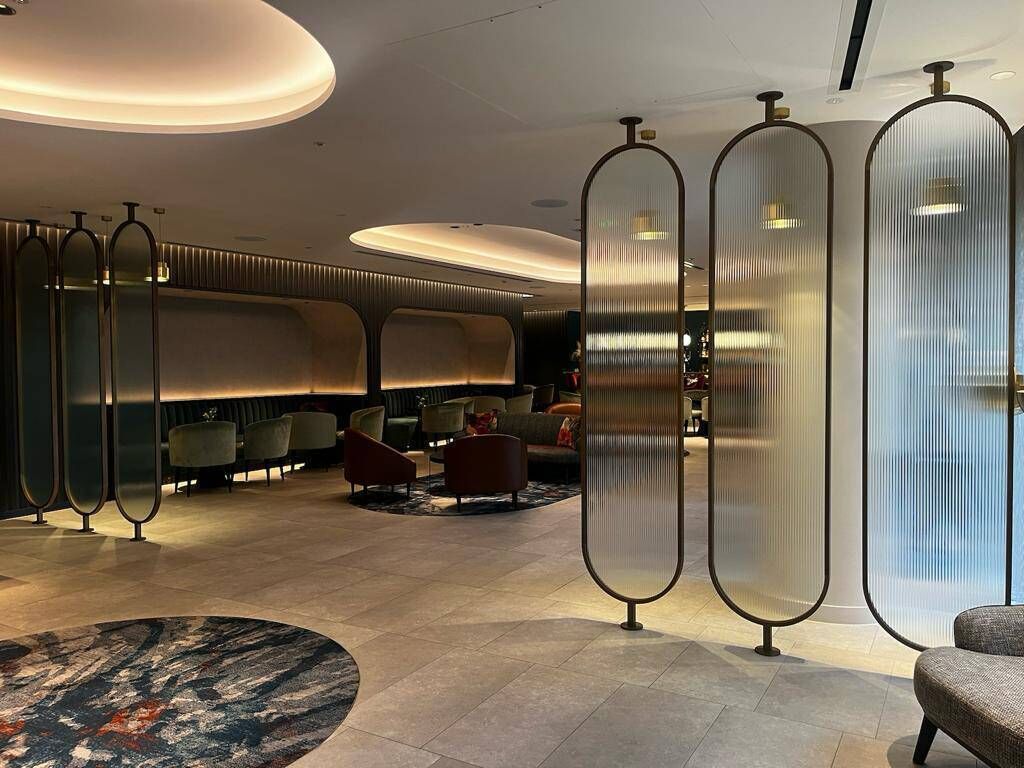
Depending on your privacy requirements, you could opt for anything from a fully transparent to a thick opaque screen, and you can even find ones that provide a level of sound dampening for additional privacy when on work calls.
You can also use folding screens to bring additional colour and style into your room — just be sure to use a style that complements the existing aesthetic of your home and doesn’t dominate the room. If you don’t want transparency, but you’re also worried about blocking out too much light, consider a mirrored screen which will reflect light and give the illusion of even more space.
For a more permanent room divider, the use of open shelving or bookcases is a really smart way to create a functional zone and to get yourself some more storage as a bonus.
Of course, you can choose a custom built-in option, which is always a great idea, or for a more affordable solution, you can buy a freestanding shelving unit or bookcase and affix it to the floor (and ideally the ceiling).
Having open shelving will allow more light to pass through and will maintain a sense of openness — this is a great option for creating an entryway or for separating your kitchen and living room.
A bookcase will create more privacy, plus books are quite effective sound dampeners, so this is a good option to create a home office or quiet reading nook.
A partition divider is usually made up of either wood or metal slats and adds fabulous visual interest to a room. Typically partition dividers are transparent — their usage is very similar to an open shelving divider, but they’re much slimmer than shelves and are not intended to hold items.
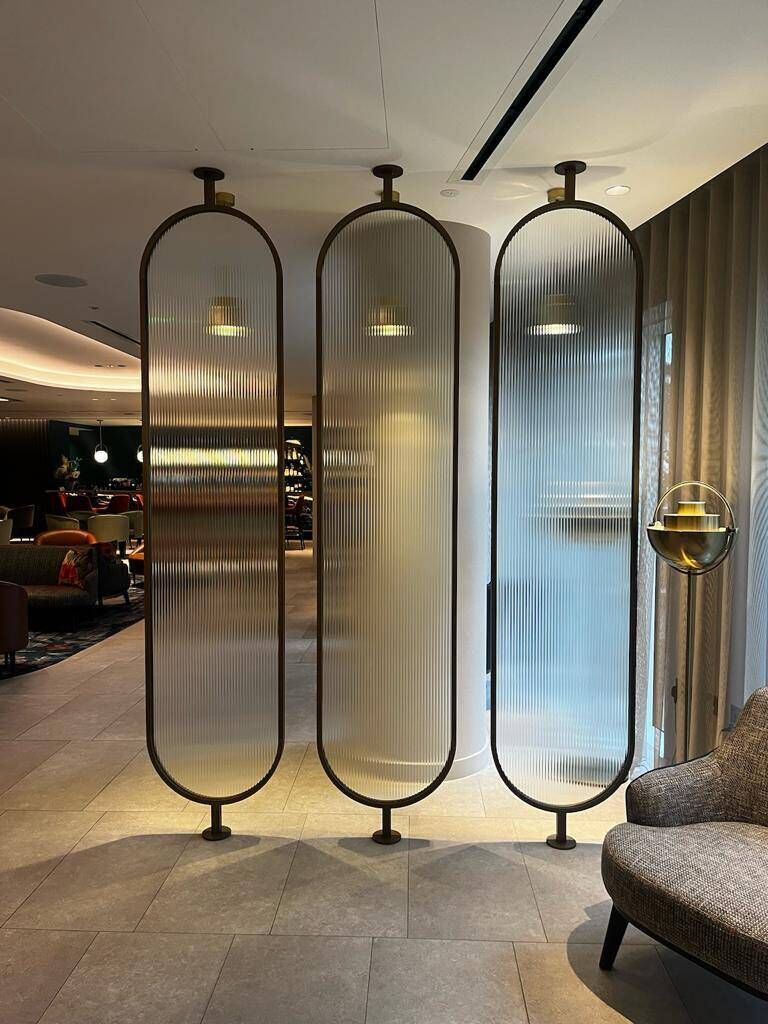
They are not difficult to install (or remove if needed) and they are a beautifully subtle way to create zones. You can choose glass partitions for added sound privacy — Crittal-style partitions are a very popular example of these.
Installing a sliding panel or door is a fantastic option if you have a certain space that only occasionally needs to be separated, such as a bedroom or a home office. Transparent or opaque materials can be used depending on privacy needs.
There are several options for installing sliding doors — you could choose a slim wardrobe door on a floor and ceiling track, a barn door on a hanging rail, or a pocket door that slides into the walls almost invisibly.
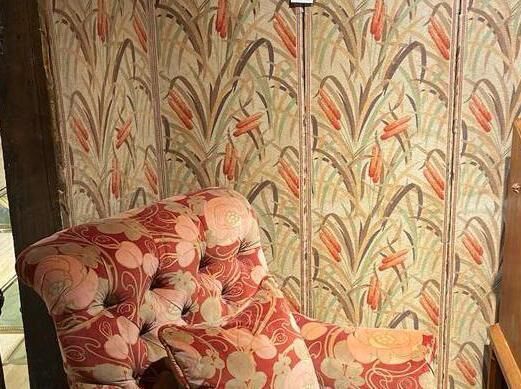
Alternatively, you can use fabric drapery or panels for a fabulously soft, luxurious feel — simply install a ceiling-mounted curtain rail. It’s a beautiful way to add more texture and pattern through fabric.
Using plants as a divider is a simple way to partition a room, and also the most subtle from a design perspective. Plants go with everything, so there’s less pressure to pick the right style and colour and a low risk of the room being dominated by the structure (unless you go full jungle).
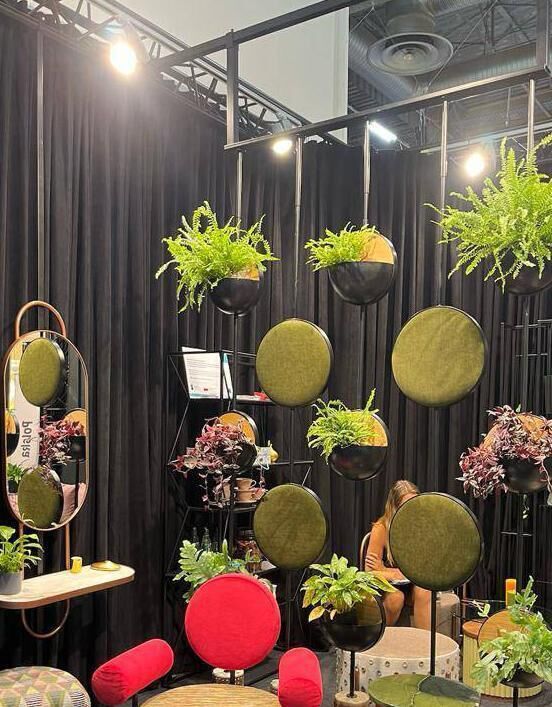
There are endless ways to do this — you can simply move a tall potted plant around as needed, use slim shelving to hold pots or install a trellis to wrap greenery around. Hanging pots work wonderfully if you prefer to keep the floor clear.
You can choose how thick the foliage is depending on your visual privacy needs, and you could even use bare branches or bamboo if you’re looking for a more sculptural look with no maintenance.
- Got a question for Jennifer Sheahan? Email home@examiner.ie

CONNECT WITH US TODAY



Be the first to know the latest news and updates