Peter Dowdall: How to treat and cure your plants' ailments

Just what the doctor ordered: Maintain your plants' healthy immune systems and treat infection with appropriate 'medicine'
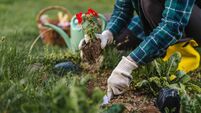
 One of the most effective tools in the garden is crop rotation. Picture: iStock

One of the most effective tools in the garden is crop rotation. Picture: iStock

It's no secret to anyone to learn that we have had the wettest July in history and who knows what the rest of August will bring. 

Whilst I, for one, am slow to complain about the Irish weather when we see what is happening in other parts of the world, one thing that I do not thank the rain and humidity for is the increase in fungal problems in our gardens.

Fungi are microscopic organisms that thrive in moist environments and can cause a range of diseases in plants.

Understanding the causes and recognising the symptoms is essential for maintaining a healthy garden. It is also essential to realise that the vast majority of fungi in our gardens are beneficial and are helping our gardens to stay healthy.

There are several, however, that are less than welcome. Common fungal problems in our gardens include:

  • Powdery mildew, which is easy to diagnose thanks to its distinct powdery white or greyish appearance on the plant’s surface and is caused by the growth of fungal spores — it can look like someone spilt some flour on your plants; 
  • Leaf spot diseases, which cause the formation of small to large spots on leaves; 
  • Fungal rusts, which appear as yellow, orange, or reddish-brown powdery pustules on leaves and stems; 
  • And rose black spot, which manifests itself in yellowing of leaves — not always with black spots on the leaf surface.

Excessive moisture, poor air circulation, and high humidity levels create favourable conditions for fungal growth and development and just look at our weather this summer.

It’s no wonder we are seeing so many plant problems, but understanding what causes these problems can also offer us the answers to how to control them.

Fungal infections like rose black spot are more common in damp, warm summers. Picture: iStock

Granted, we can do nothing about the amount of moisture that falls from the sky or the humidity, but we can improve air circulation around and within a plant with careful pruning and, to a degree, we can improve the soil structure to ensure better drainage so that plant roots aren’t sitting in waterlogged soils.

Cultural practices such as these are helpful, as they reduce the chances of a plant being infected in the first place and prevention is far easier than cure when it comes to any of these pathogens.

If you do see signs of infection on your plants, be it black spot on roses, rust on clematis or powdery mildew on tomatoes, the best first course of action is always physical control.

This quite simply means getting out with the secateurs and pruning out any infected leaves, stems and flowers. I like to use the same logic when treating my plants as we would do when treating humans.

Firstly, when infection occurs, if possible remove as much of it physically as possible, secondly, treat the infection with some type of medicine and, finally, try and maintain a healthy immune system.

Manifesting itself with yellow and black spots on the leaves, rose blackspot is a fungal infection which can make the rose bush appear unsightly.

With that in mind, once you have pruned off the infected parts of the plant it can pay to introduce some beneficial fungi which can help suppress harmful fungal pathogens. 

One that I have come across but have yet to use is an Irish-made product called Maru Anti-Fungal Foliar Spray. By introducing beneficial bacillus species you are not only increasing the plant’s ability to overcome the damaging fungi but you are also improving the plant’s overall vigour.

Adding organic matter around the plant to improve soil structure and fertility will further benefit plant immunity and reduce the amount of waterlogging in the soil.

Other things that you can do to help reduce damage from harmful fungal pathogens include careful plant selection, opting for resistant or tolerant plant varieties whenever possible; proper plant spacing, trying to make sure your garden isn’t too overcrowded and there is enough space between plants to promote good air circulation; and finally good sanitation practices. 

We all became experts at stopping the spread of infection during the covid years and if we can bring some of that diligence to the garden, namely in the form of cleaning pruning tools between plants, we can reduce the spread of infection.

In the allotment or vegetable garden where these infections can wipe out a harvest, prevention becomes even more important. The collapse of the potato harvest in 1845 was due to the fungal blight, Phytophthora infestans.

One of the most effective tools in the vegetable garden is crop rotation. It may not sound sexy or dramatic but, quite simply, working with the soil and rotating susceptible crops with non-host plants will have the effect of disrupting disease cycles and reducing fungal populations.

Practising sensible gardening techniques which have been used for millennia instead of adding poisonous chemicals will give far greater results in the garden and once all that is done, all that is left is to cross the fingers and pray for some sunshine and warm, dry air.

More in this section

Revoiced

Newsletter

Had a busy week? Sign up for some of the best reads from the week gone by. Selected just for you.

Cookie Policy Privacy Policy Brand Safety FAQ Help Contact Us Terms and Conditions

© Examiner Echo Group Limited