Peter Dowdall: How to plan ahead for summer in the garden
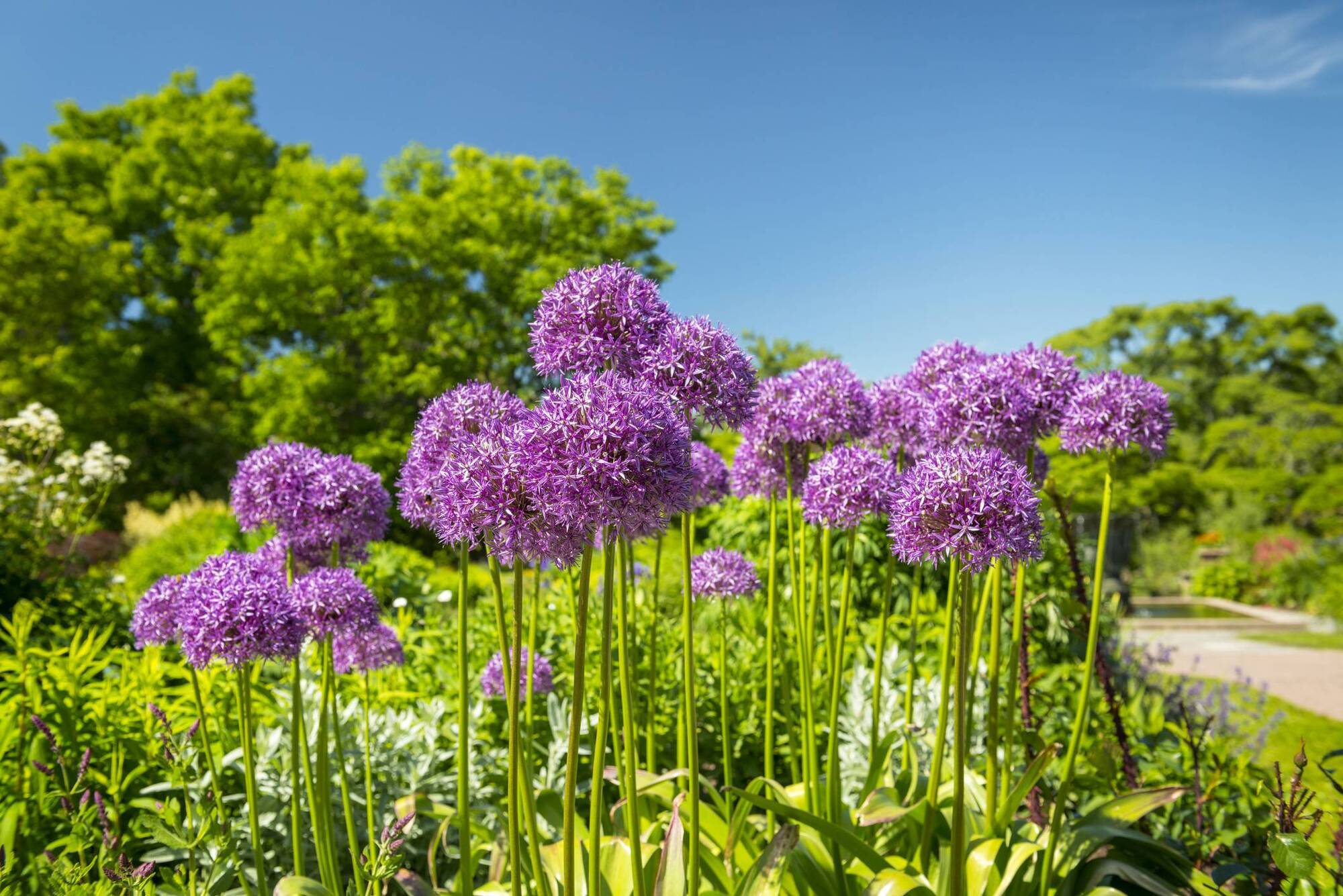
Alliums such as these will be well able to tolerate and frosts and the worst of what the scaraveen can throw at them but some more tender plants may need attention. Pictures: iStock
May, that wonderful time of the year when the early promise of springtime in the garden progresses at breakneck speed into growth and beauty. The energy which has been simmering beneath the soil now bursts forth through every up-to-now-dormant node and flower bud.
May 15 means that summer can now properly begin as the Scaraveen is over on this date. Anglicised from the Irish expression âgarbhshĂon na gcuachâ, Scaraveen is the name given to this period of transition between spring and summer.
It translates roughly as revenge, or a rough time for the cuckoo, in retribution for the cuckooâs predatory nesting habits.
During the second half of April and early May it is common to see weather swinging from one extreme to the other as we have witnessed recently.
Days of warm sunshine with temperatures in the high teens will promote growth in the garden and then the next day we could see hail, or even a light frost, natureâs own way of âhardening offâ the emerging plants â or as the Irish expression would suggest, Irish weatherâs way at getting back at the cuckoo who travels here in expectation of warm weather to be treated to inclement cold, wet and windy conditions instead.
Perennials unseen until recently are now well above ground, all but the latest daffs have now passed and many of the tulips too are gone â though I still have a fabulous display of âSpring Greenâ going strong in my garden.
The alliums are standing proud now, about to take centre stage as the foliage curls up to nothing and the blooms become awe-inspiring.
Spring and early summer flowering bulbs will be hardy to the worst of what the Scaraveen can throw at them but emerging herbaceous and, in particular, any newly planted perennials or frost-tender annuals will need protecting from any late frosts.
So too, the emerging tips of seed potatoes which will suffer from exposure to any frosts that we may still get. It will certainly be worthwhile to have some straw to hand for these and you can simply cover the shoots when low temperatures are forecast.
HEDGEROWS
In the hedgerows, the crataegus, commonly referred to as the May tree, lights up the countryside akin to giant natural brushstrokes on a painting.
Foxgloves, honeysuckle, loosestrife and so many other wildflowers are now populating the undergrowth in these hedgerows, soon to add their magical colours to these superhighways of biodiversity.
Primroses and cowslips, which are unfortunately becoming less and less common in the wild, are in flower now and have been for quite a while.
Donât, under any circumstances, be tempted to remove them from wild areas. Firstly, it is illegal to remove plants from the wild.
Secondly, they most likely wonât survive the transplant and your actions â however well-intentioned â could result in the death of a healthy wildflower which was playing its role in a struggling natural tapestry.
Iâve been involved in much discussion recently about the Wildlife Act which makes it illegal to cut back hedgerows from March to September.
This is to protect birds and other wildlife that may be nesting within. I always understood that cutting back hedges in our gardens during the summer months was not allowed under the Wildlife Act but it seems that is not the case, that we gardeners are exempt. See below a clarification issued by the Government in January 2022: âThe destruction, in the ordinary course of agriculture or forestry, of any vegetation growing on or in any hedge or ditch.
âIn the Act, âagricultureâ is defined as including horticulture. Since horticulture includes gardening, the summertime trimming of hedges in the ordinary course of gardening falls under this exemption.â
WILDLIFE
Add to that the fact that local authorities and farmers are also exempted and this makes me wonder why the Act is there at all. So much wildlife in Ireland is found in domestic gardens, a role which gardens play that is becoming more important with continued development and destruction of our wild areas.
However, it seems that this is balanced out in another section of the Act which states that it is illegal to destroy an active nest whether you are an exempted party or not.
I am not a lawyer, and so I am not qualified to dissect the Act â however, my feeling is that common sense must prevail amongst us gardeners. There is a serious risk to birds and wildlife if we cut back hedgerows during these months and thus Iâll keep advising not to cut during summer months just in case.

- Got a gardening question for Peter Dowdall? Email gardenquestions@examiner.ie
Â
CONNECT WITH US TODAY
Be the first to know the latest news and updates