How your garden could help you manage menopause
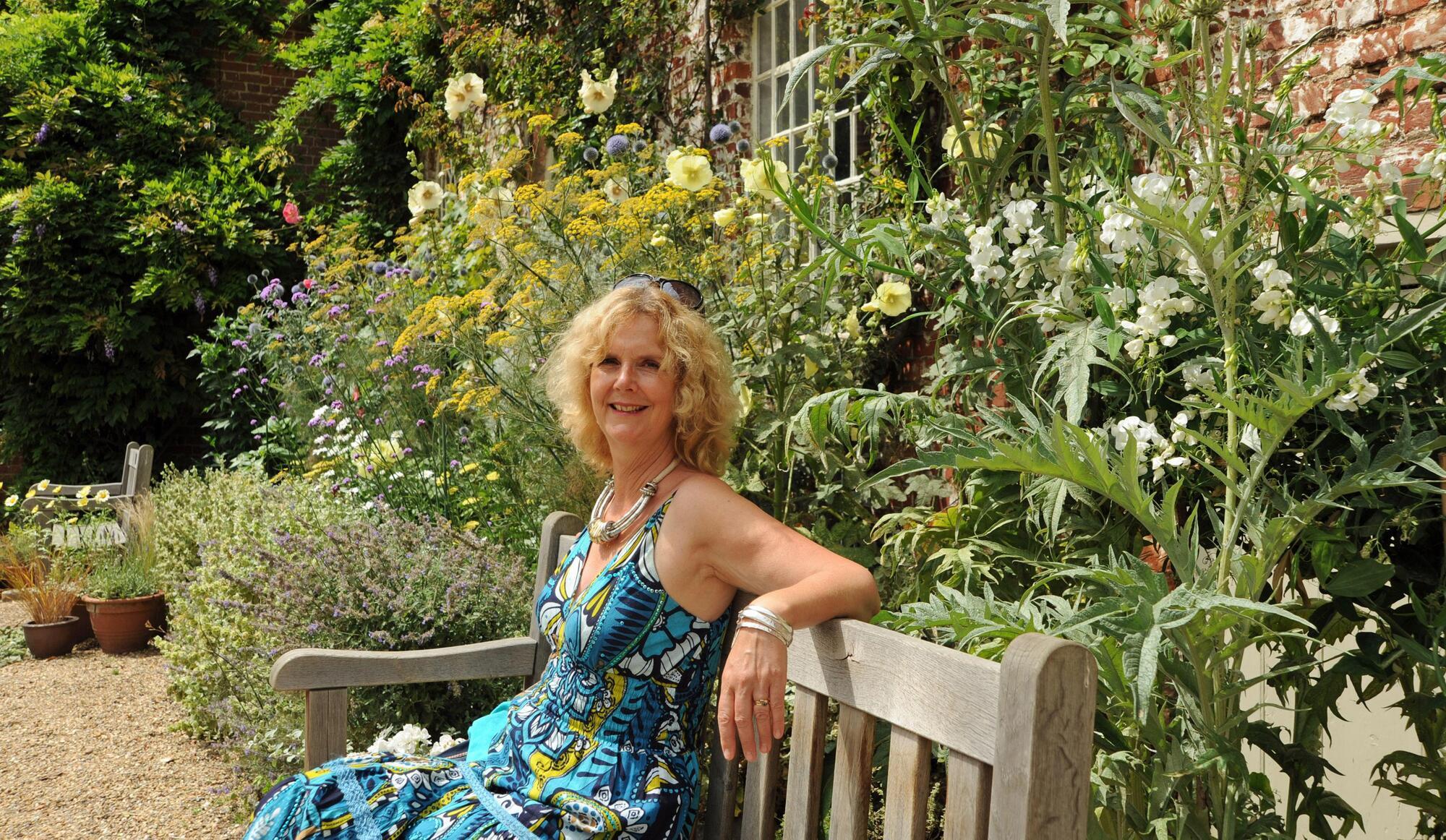
The Newson Health Menopause Garden will offer a visually enriching yet calm atmosphere, with a space for relaxation, a yoga corner, and an area for outdoor cooking. Picture: Alamy/PA
Gardening may not cure hot flushes, brain fog and other symptoms associated with menopause — but it could help women through it.
Menopause expert Dr Louise Newson says: “We know that when people are menopausal they have increased risk of mental health [problems] and osteoporosis, so anything that makes people active and improves their mental health is good.”
Dr Newson is collaborating with award-winning garden designer Ruth Gwynn to create the Newson Health Menopause Garden at this year’s BBC Gardeners’ World Live show at Birmingham’s NEC. “Our aim is for this immersive garden to enable visitors to see the benefits of gardening on both menopause and mental health," says Ms Gwynn.
"Finding things that lift one’s mood and bring you moments of joy are key for mental health.
“Many women struggle to adapt and accept the peri/menopause and feel they have lost themselves, so creating a peaceful and supportive space can be enormously important to aid menopause health.”
The show garden will offer a visually enriching yet calm atmosphere, with a space for relaxation, a yoga corner, and an area for outdoor cooking.
“There is loose evidence that doing some exercise or eating certain foods may improve hot flushes,” Dr Newson says, “but the reason I wanted to do this garden is more about giving people time and space to think and reflect and feel better, so whether they take HRT [hormone replacement therapy for menopause] or not, it doesn’t really matter. It’s about how to improve mental and physical health, have a bit of space, time out, reflection.”
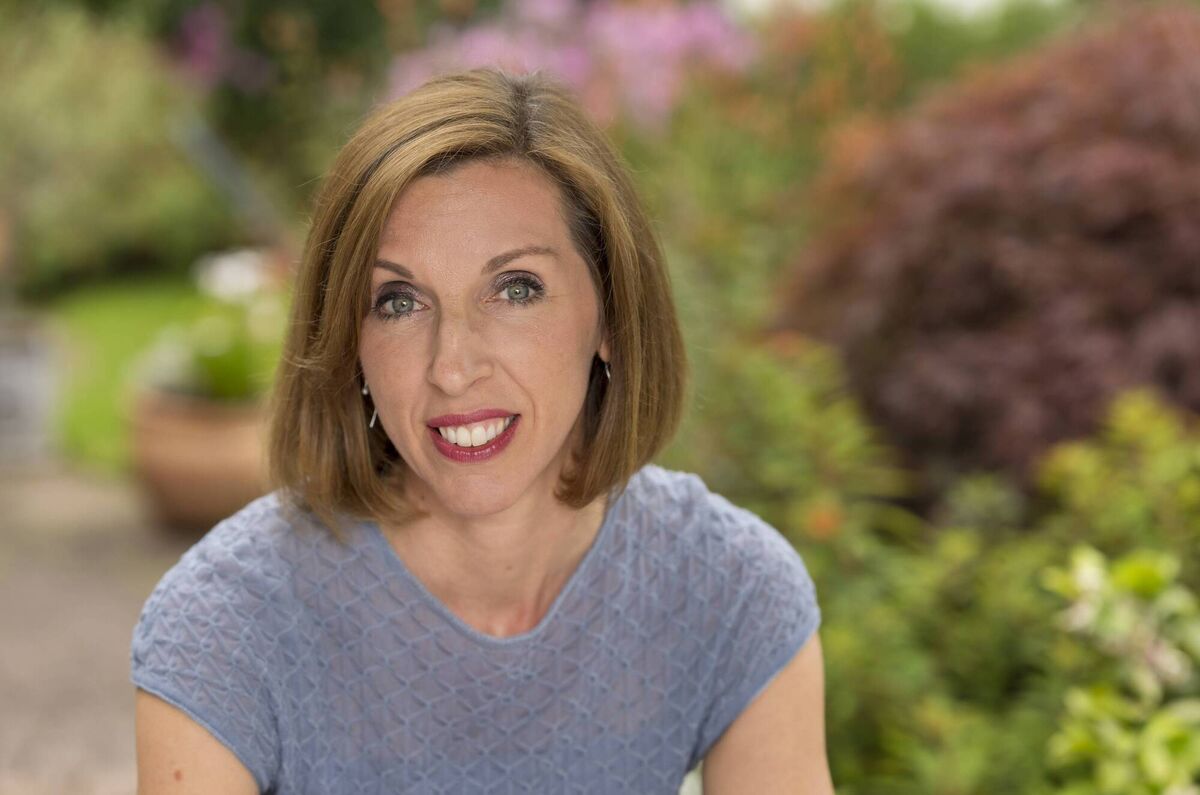
Want to create a garden for your own mental and physical wellbeing in menopause?
The duo offer the following advice…
Sense of smell can change during menopause, Dr Newson points out, so including scented flowers in the garden can give you heightened awareness.
“Flowers that have a particular smell, or leaves that are pungent, especially when crushed, can really help with mindfulness and being in the moment. Herbs are brilliant at providing a wondrous array of scents," says Ms Gwynn.
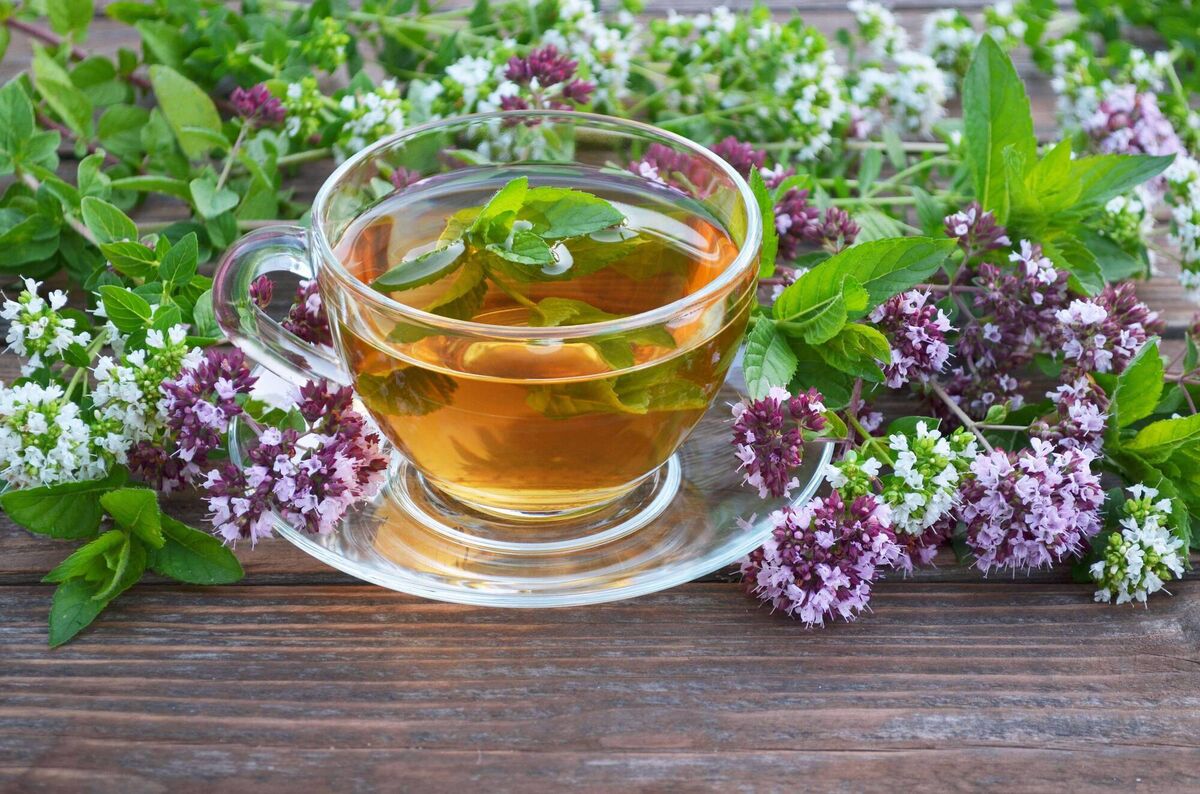
Outdoor cooking can be therapeutic. Dr Newson suggests people could also think about growing herbs to create herbal infusions, so they can down on caffeine-based drinks which can disrupt sleep — as sleep is often affected by menopause too.
Ms Gwynn adds: “Nutrition is an incredibly crucial part of managing menopause. You should create what you enjoy doing, so if that’s cooking, try creating an outdoor kitchen and dining area — and in addition you might also then try growing some veg in containers, or herbs. They’re relatively easy and can really build your gardening confidence.”
If you already practise yoga to help alleviate symptoms of peri/menopause, turn a small space into a yoga area or use it to do some meditation or mindful breathing. If you have a sunny plot, create places to sit and get some Vitamin D, Ms Gwynn advises.
“The nerves can be affected quite commonly in menopause, because of the low hormones, and people can find that they have altered sensation in their skin.
Touching things can be really calming, with the whole sensory garden,” says Dr Newson. Add tactile plants you can run your fingers through.
“Have more than just one place to sit,” Ms Gwynn suggests. “If you’re struggling with stamina, it’s a good idea to have a few places to stop and sit.
"Gardening can be hard work and I often have to stop myself from just pushing on and overdoing things. I now try to make gardening easier for myself.”
“I have a mixture of beds and borders at different heights so that I’m not weeding at all one level. It’s so satisfying to be able to see the progress you’ve made if you’ve just weeded a patch, and even more satisfying to see how beautiful your garden can be with everything growing,” says Ms Gwynn.
One of the easiest surfaces which is porous and so helps with rainwater runoff, is gravel,” Ms Gwynn adds.
“For the paths in the show garden, I’m using recycled gravel (laid onto a sub-base) which is spread over a honeycomb structure made from recycled plastic. The honeycomb keeps it in place and makes it a really stable surface.”
“You can be really inventive with container gardens. You can then make them part of the colour scheme of the garden, but just remember to feed the plants as they are solely reliant on you for their sustenance, both water and food,” Ms Gwynn advises.
- BBC Gardeners’ World Live runs from June 15-18. Visit bbcgardenersworldlive.com
CONNECT WITH US TODAY



Be the first to know the latest news and updates