Peter Dowdall: Create your own patch of the Med in the garden by planting lavender
Whether you're a gardening beginner or expert, Irish Examiner columnist Peter Dowdall has the answer to your questions
Peter Dowdall: Create your own patch of the Med in the garden by planting lavender

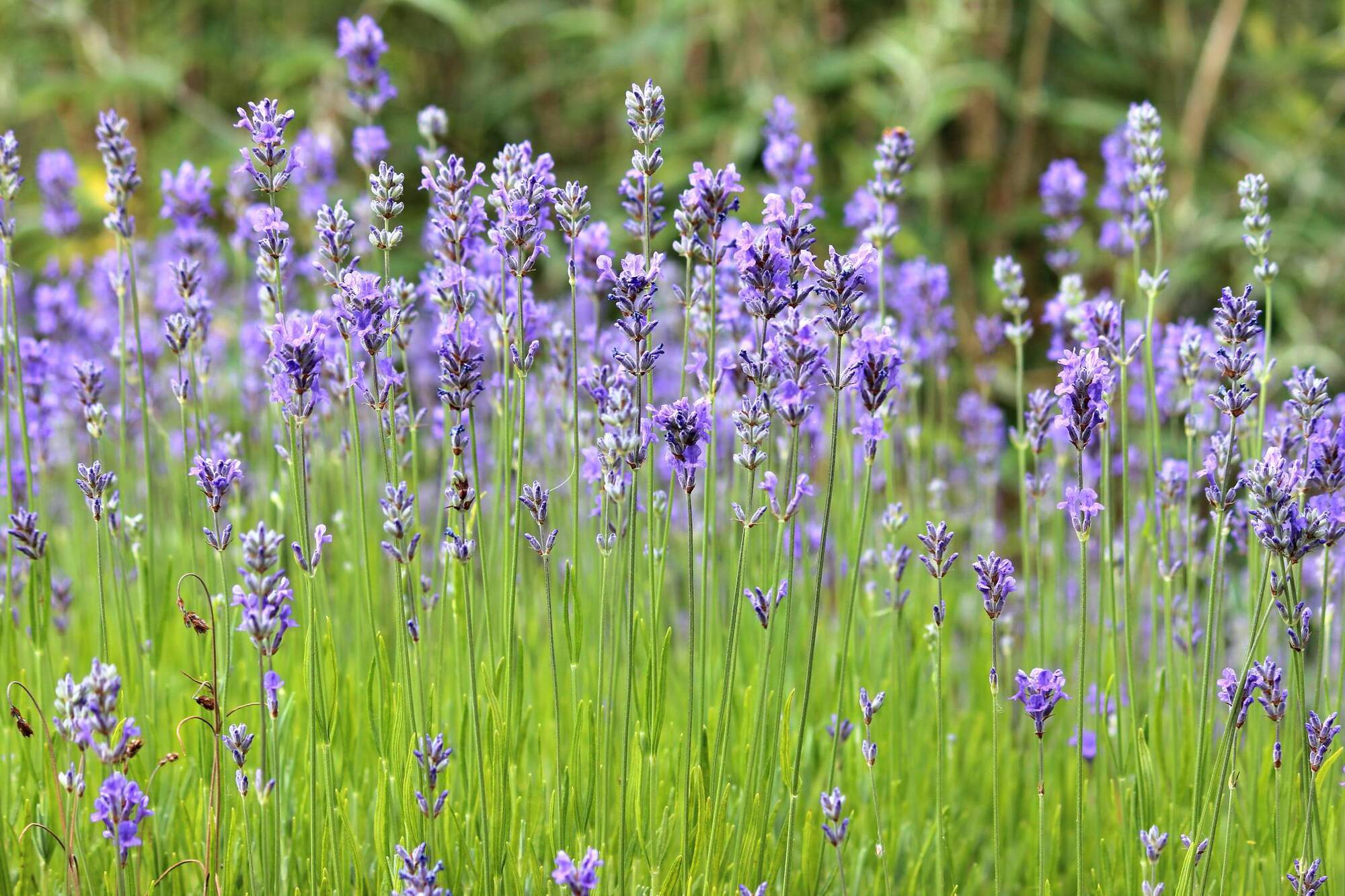
The blue flowers of English lavender add to any garden but do give this plant a sunny position in your garden in well-drained soil, says Peter Dowdall. Picture: iStock
Now, I live in a house with three women, so believe me when I tell you I know all about high maintenance. I don’t regard any plants in the garden really as high maintenance though some do require more time and attention than others.

One such plant which needs a bit of work to stay at its best in Ireland is lavender. As with all plants, once we think about where it originated from, we can learn how best to grow it here. Lavender is native to many Mediterranean countries such as Italy, France, and Croatia and it thrives, as you might imagine, in a warm sunny position in very free-draining soil.

When you see it growing in its warm native land and see how it thrives in what we might regard as the most challenging of conditions, we can see then, exactly what it likes. Simple really, we just need to recreate a patch of the Mediterranean in our own garden.

How nice would that be? Well, we can’t obviously control the temperature and sunlight levels in our gardens, but we can manage the soil that the lavender grows in. Plant it in a soil that is either naturally free draining or else, a soil to which you have added plenty of horticultural grit, perlite or similar, to help keep it nice and open.

CLIMATE & SUSTAINABILITY HUB
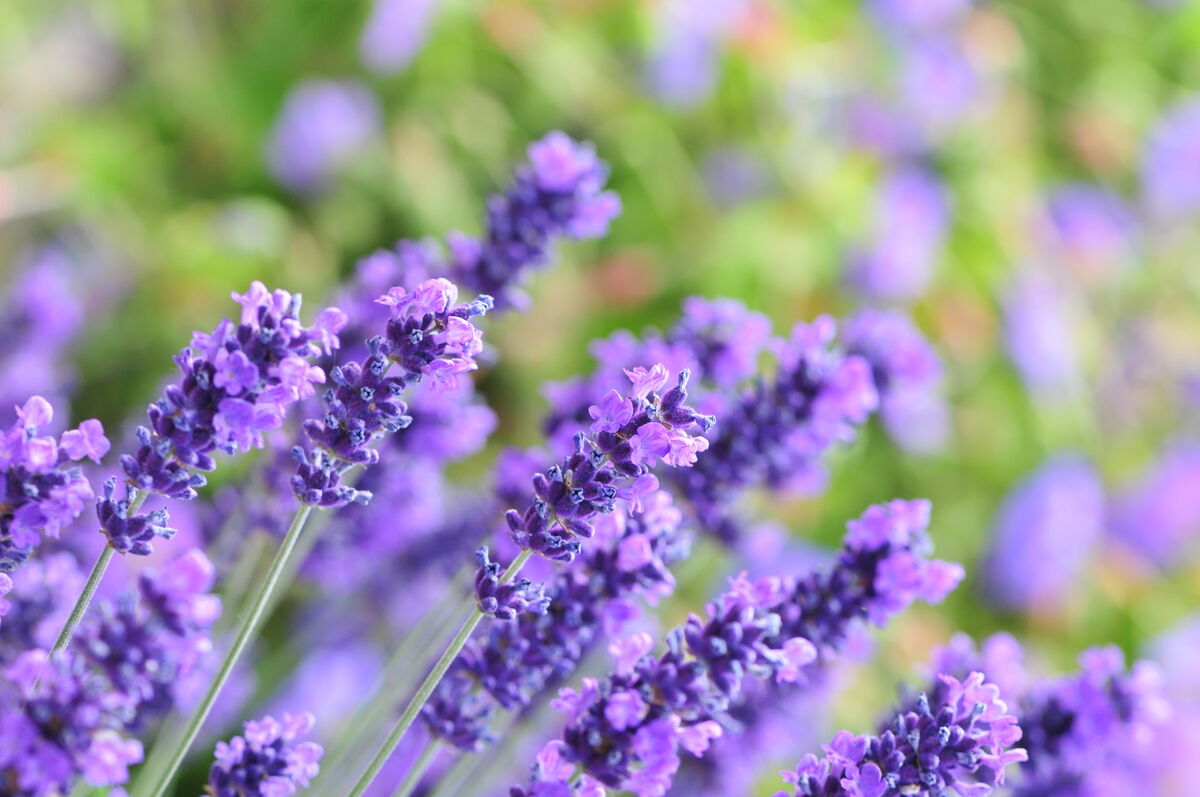
Lavender will thrive in a pot as this will be naturally free draining. It will not tolerate waterlogged soil or a shaded part of the garden.

It’s worth persisting with it to get it right because lavender is such a beautiful plant in any garden. It appeals to nearly all the senses — it’s so beautiful to look at and to smell, you will want to run your hand through it and touch it. It can be used in desserts, and of course, for relaxation. You can make your own little lavender bags to place under your pillow at night if you so wish, which assures you a good night’s relaxed sleep.

But not all lavenders are the same or are they? There are over 40 species of lavender and hundreds of varieties from which to choose.

Native to the Mediterranean, lavender is a treat for all the senses.

Lavandula angustifolia is most commonly referred to as English lavender, or common lavender, and it is the variety of angustifolia which produce the classic blue lavender flowers that we all think of when we visualize this plant.
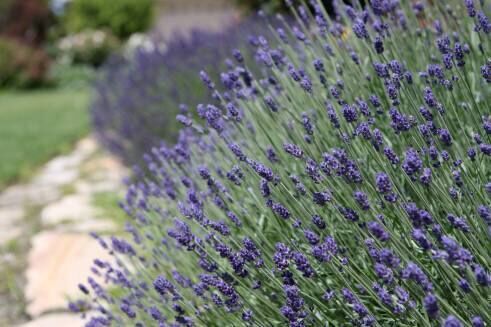
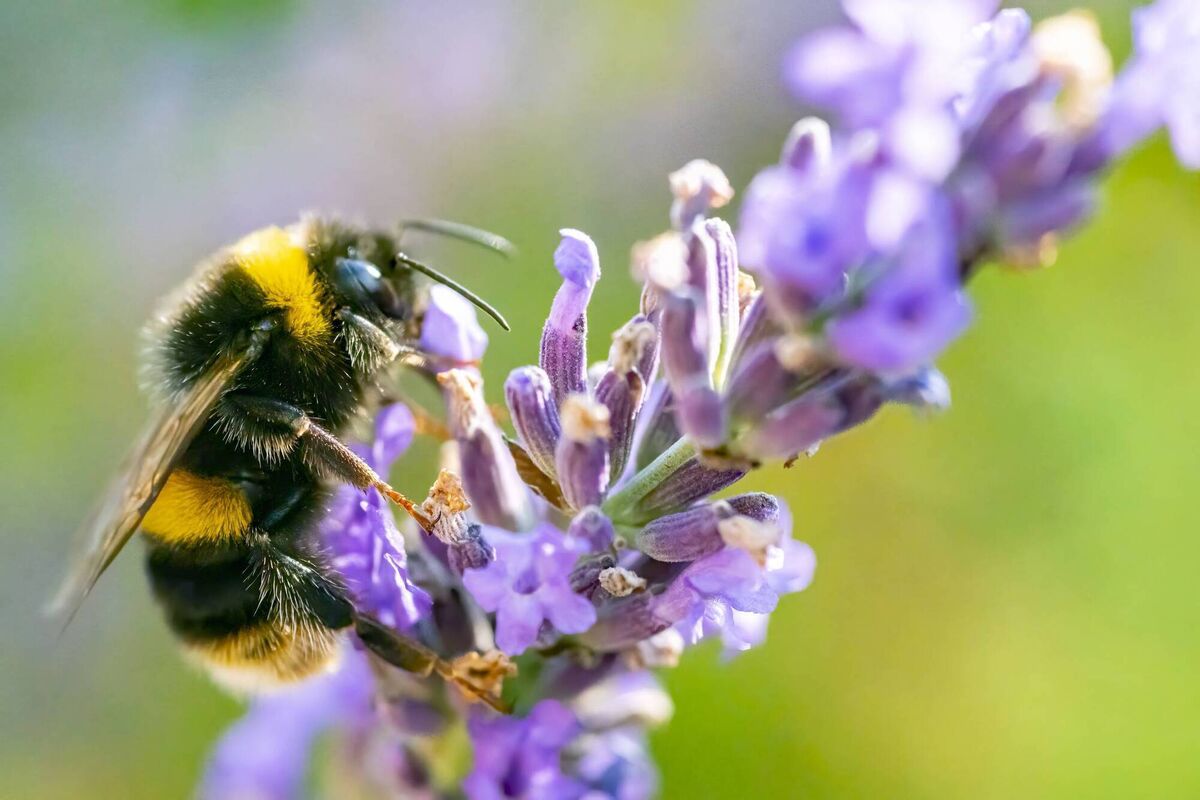
The various different varieties will differ in terms of height and intensity of color tone but they will all have the same characteristics. Those being, a beautiful scent, attractiveness to bees, butterflies, and other garden insects, and of course a beautiful texture.

Lavandula angustifolia Hidcote is a long-established variety and is a dwarf form, an excellent choice if you want to grow a low lavender hedge. Munstead, another very popular variety, is similar in habit and colour, but will grow taller with flower stems reaching about 30 centimetres and more. Then, perhaps the largest of the angustifolia types is a really beautiful form called Vera, but do allow this beauty some space for she will grow quite tall and she likes to spread around a bit, I would allow nearly a square meter all around her.

I’m not sure how lavandula angustifolia became known as English lavender for it is not native to that country. On the other hand, Lavandula stoechas is a species known as Spanish lavender or French lavender, understandable as it is native to these countries.

It is a taller-growing species and less tolerant of very low temperatures.
In general, Spanish lavender will grow taller than English lavender varieties, with most forms reaching nearly a metre in height.

Its flowers are quite different too and not the classic lavender flower which you might imagine. The petals are quite showy and look a bit like pink or purple butterfly wings on top of the stem, hence another common name for this species, the butterfly lavender.

I am neither a herbalist nor an aromatherapist, but I am told on good authority that this species is richer in essential oil, and I do think it is a stronger-smelling species in the garden.

Where lavender requires some maintenance is in its pruning. If you just let them off and never prune them, they will tend to get leggy and woody, and a hard prune at that stage will result in the plant simply curling up its leaves and dying.

To prevent lavenders from getting to that state, I prune regularly during the year.
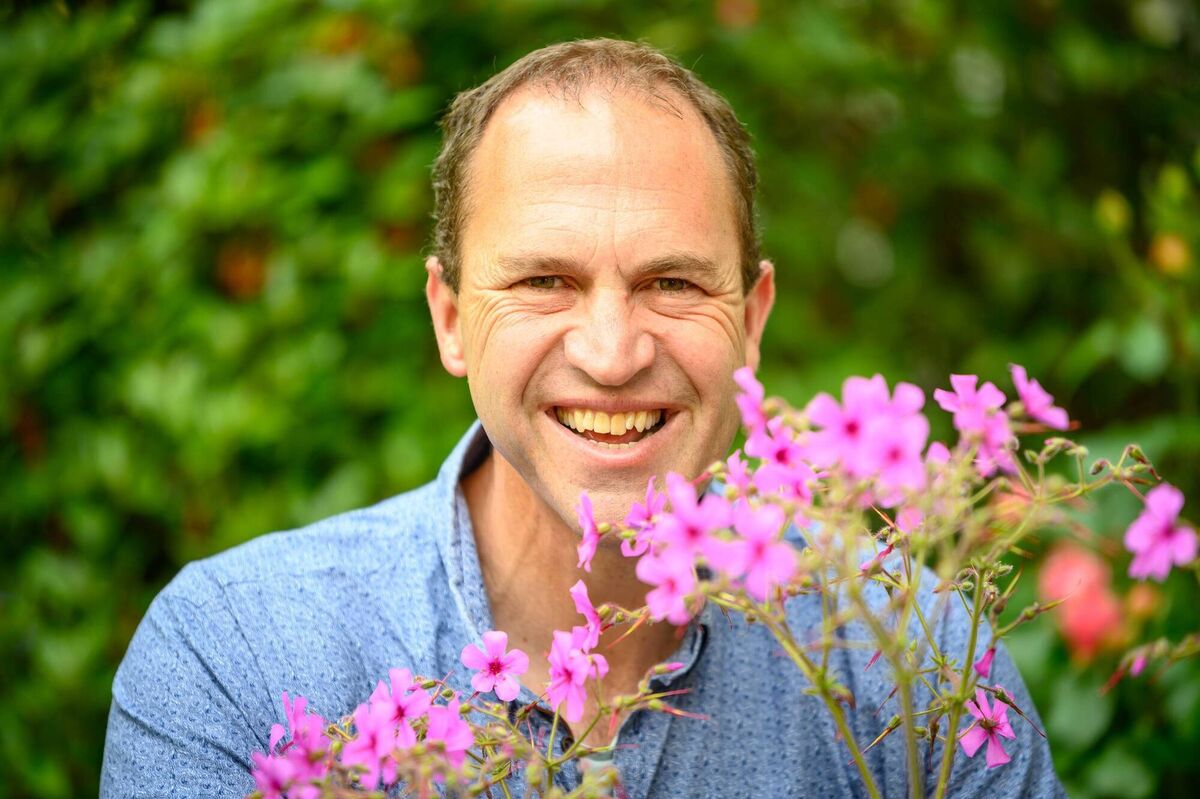
After the first flush of flowers in late spring and early summer, prune off the dead flower stems and a few inches of the foliage. This will promote a second flush of blooms later in the summer and once they have passed their best, I would prune again in the same way.

It’s a plant which you could be regularly trimming back to keep it at its best; however, two or perhaps three prunings a year would certainly keep it looking well for years to come, and believe me when I say something which needs attention three times a year does not high maintenance make.

More in this section

Revoiced

Newsletter

Sign up to the best reads of the week from irishexaminer.com selected just for you.

Cookie Policy Privacy Policy Brand Safety FAQ Help Contact Us Terms and Conditions

© Examiner Echo Group Limited