Peter Dowdall: How to look after your garden patch on the planet
Whether you're a gardening beginner or expert, Irish Examiner columnist Peter Dowdall has the answer to your questions
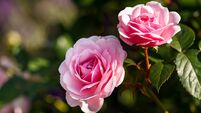
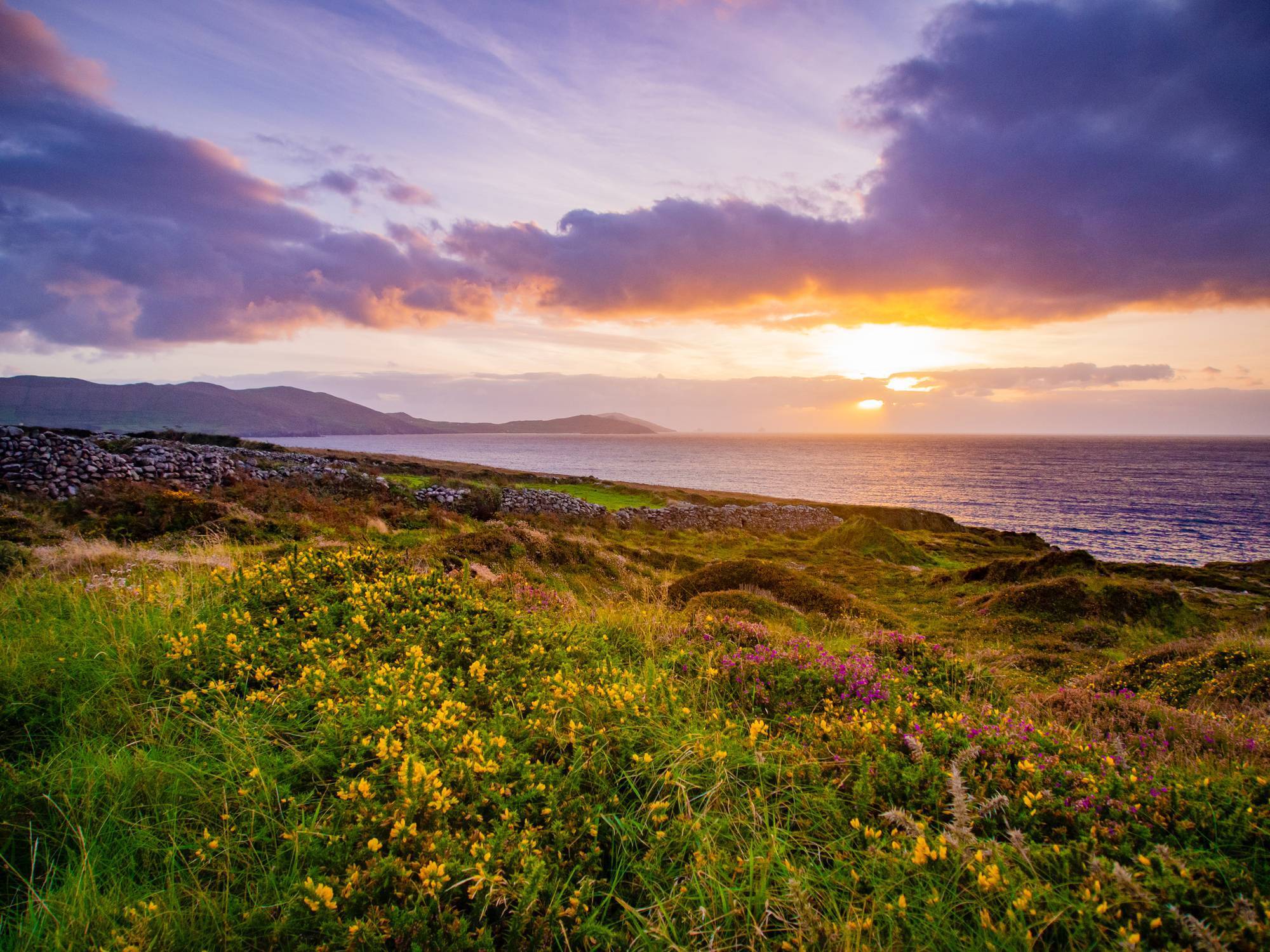
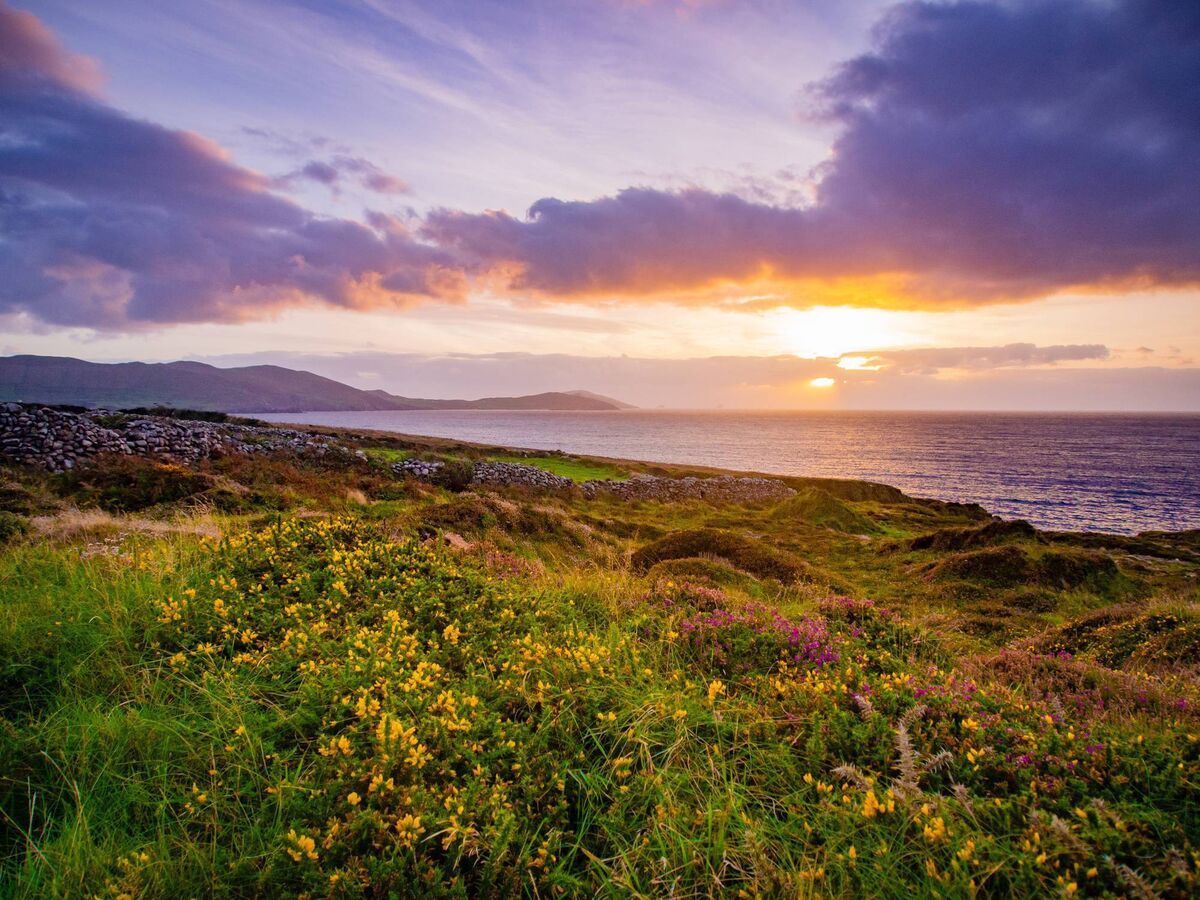
Irish species of plants and flowers make our gardens and outdoor spaces beautiful, says Peter Dowdall. Picture: iStock

Irish species of plants and flowers make our gardens and outdoor spaces beautiful, says Peter Dowdall. Picture: iStock

Helen Keller broke down barriers and achieved what must have been thought impossible in her earlier life, becoming the first deaf and blind student to achieve a bachelor of arts degree from Harvard University.

It was Helen who said: “Alone we can do so little, together we can do so much.”

Her words seem more pertinent than ever right now as we face so many environmental crises, the solutions to which may now also appear impossible.

However, let us not take them to mean that on our own and in our own gardens, we can do nothing, for each of us now, through individual actions, make up the “together”.

To nature, nothing is impossible and if we allow her to, she will repair much of the damage that humanity has done to her.

CLIMATE & SUSTAINABILITY HUB

Speaking at the recent Garden Landscape and Designers (GLDA) seminar entitled “Letting Nature In”, self-described reformed landscaper Mary Reynolds was at pains to point out that each of us who is lucky enough to own a small patch of this planet has a responsibility to be a benevolent caretaker.

We need to rethink our view that gardens and the great outdoors are a place for us to create what we understand to be “pretty” spaces and instead we need to tend them exclusively as little patches where the tapestry can begin to repair itself.
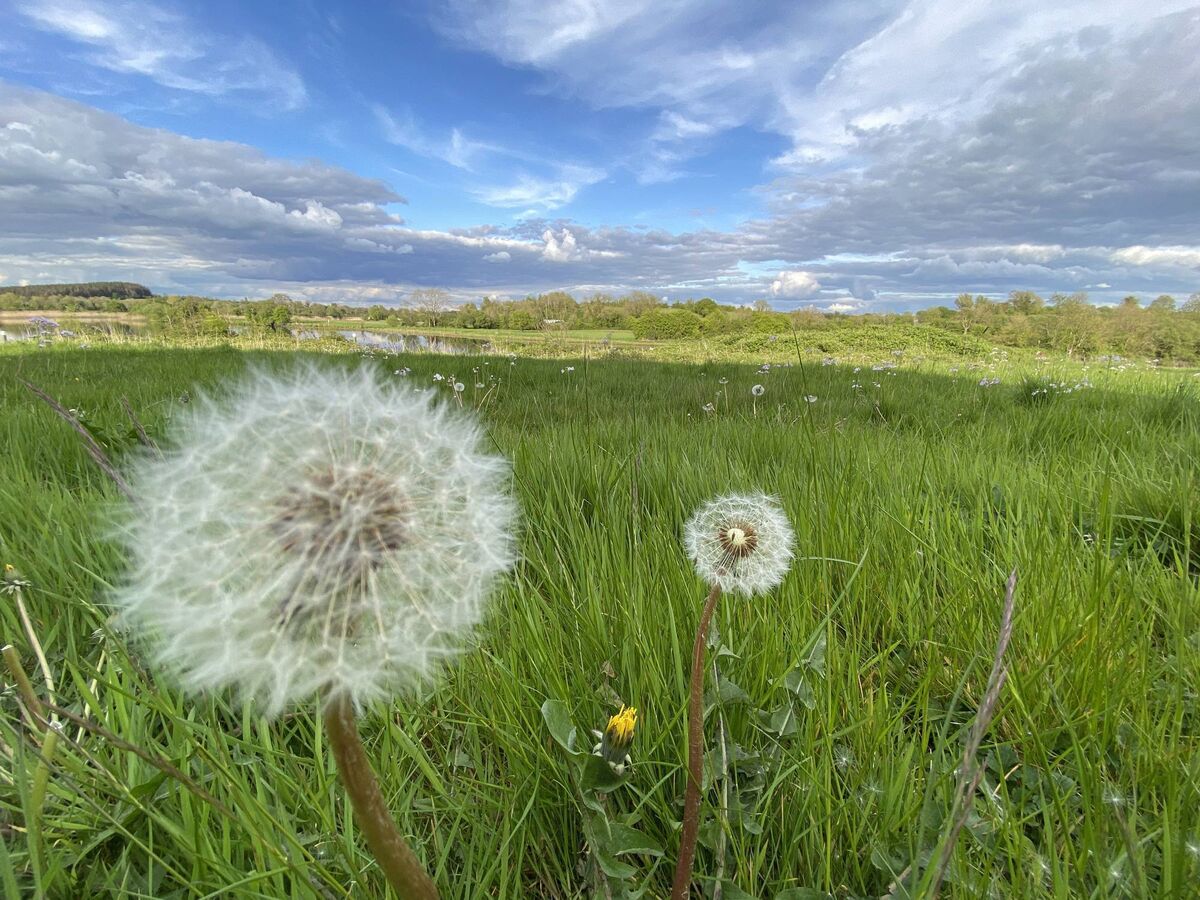


Referring to the need to allow nature to protect and repair the food web and soil web, Mary urges us all to turn our gardens into ARKs thus returning them to their true nature through Acts of Restorative Kindness (ARK).

By only using native Irish plants in our gardens we will offer space and opportunity for the delicate and complex web to repair itself and to live and breathe once more.

Renowned Finnish garden designer, horticulturist and environmental biologist Taina Suonio, who has several award-winning, RHS Chelsea Flower Show gardens to her name, also encouraged all of us to “think big picture even in our own small gardens “

She spoke in great detail about the different types of vegetated or green roofs. She spoke about the need to use different plants and growing mediums to create green roofs for different purposes and thus develop different habitats.

Food, meadows, lichens, mosses, sedums and coastal plants can all be grown on rooftops depending on geography and conditions.

A 2019 National Parks and Wildlife Service report on the assessment of the status of habitats in Ireland makes for sobering reading — 85% of habitats are in unfavourable status.

We have many underused roof surfaces in Ireland and it isn’t just desirable but now essential, I think, that we use these as amenities to replicate some of our endangered habitats and use them to protect and hopefully, replenish our endangered and threatened species.

In so doing, we can really bring the garden to our cities and all of us will benefit from all that that means.

Imagine having access from flats or apartments to a wildflower meadow on your rooftop where you could sit out and be at one with nature, among the cornflowers and ox-eyed daisies, listening to the buzzing of the bees whilst admiring the birds feeding on seed heads.

Not only does it benefit the mental health of city residents but roof gardens like these will also clean the air, enhance biodiversity and significantly reduce the volume and speed of which, water enters our storm drainage system, thus having a powerful, beneficial effect on urban flooding during periods of excessive rainfall.

TJ Maher, who has created the beautiful Pathana Gardens in Wicklow, was telling us that, for him, one of the greatest kicks he gets from his garden and his work is seeing which insect and which bird feeds and relies on his plants and plantings. I agree with TJ: I love watching the wildlife in the garden, admiring the small nit of the tapestry that we get to see.

For me, this is really an honour, to get to watch the natural world around us. The garden is a bit like where we humans interface with the natural tapestry, and one point which was raised once more at the seminar is that we depend on the rest of the tapestry more than it depends on us.

In other words, if we no longer existed as a species, then the tapestry would be less damaged and better able to repair itself; however, we as humans cannot replace the countless species that we are losing all the time and thus repair the damage that we are doing.

I don’t agree with Mary’s take — that we need to stop seeing the outdoors as somewhere for us to create “pretty” spaces, I think we just need to recalibrate what we regard as pretty.

We need to stop seeing intensively hybridized plants which offer nothing except bright colours and extra-large veggies as pretty and nice — rather we need to watch and admire the natural world at work in our garden as jaw-droppingly attractive and we can only truly do this by using the right plants in our gardens.

I’m only splitting hairs in a turn of phrase, of course, for this is the same message that Mary too is espousing, that we need to come over to that side of the fence and simply embrace the beauty of totally natural and native spaces.


More in this section

Revoiced

Newsletter

Had a busy week? Sign up for some of the best reads from the week gone by. Selected just for you.

Cookie Policy Privacy Policy Brand Safety FAQ Help Contact Us Terms and Conditions

© Examiner Echo Group Limited