Peter Dowdall: The shrubs and trees that need spring haircuts
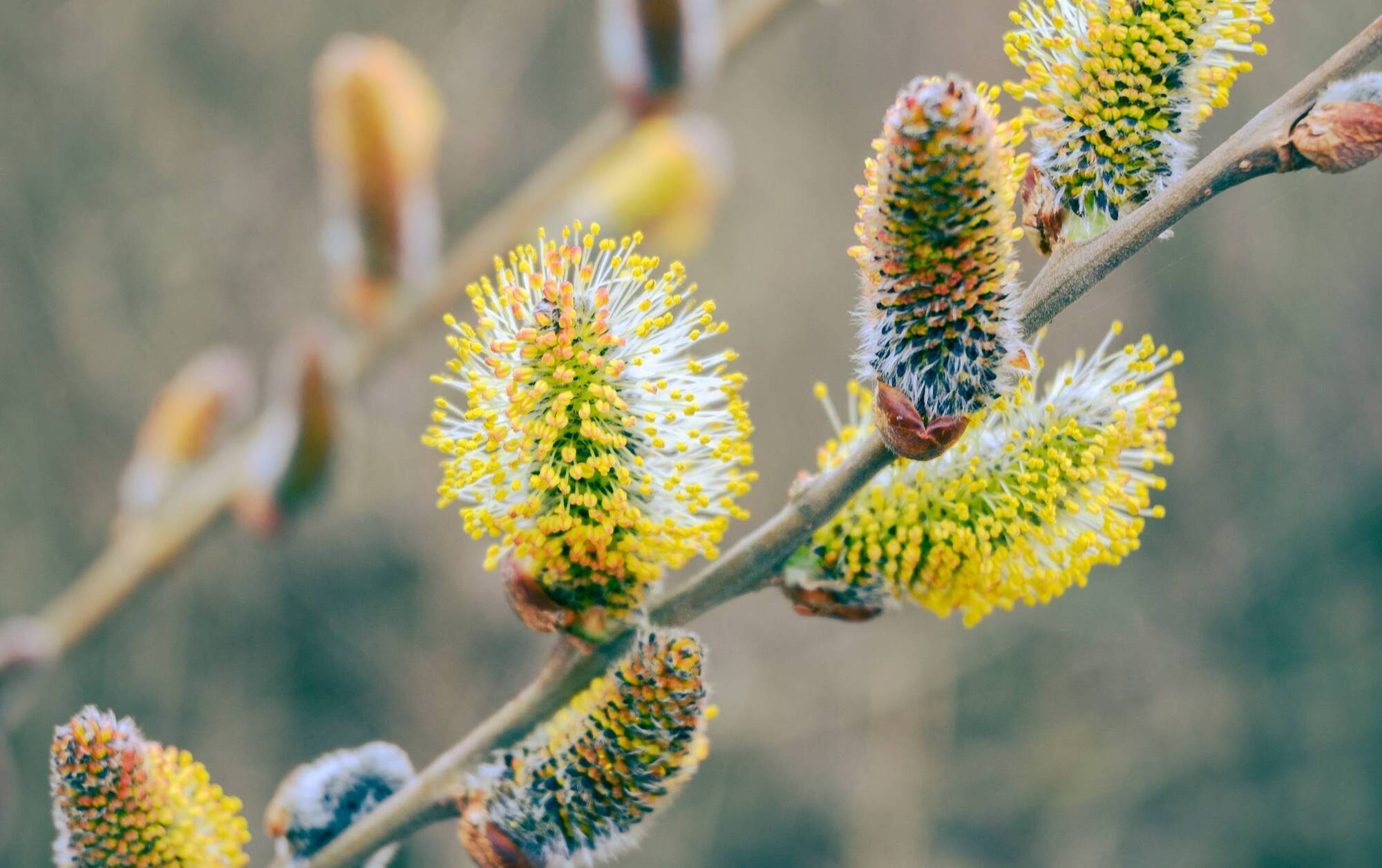
Not only do the catkins of willow look beautiful at the moment, they are also a critical part of the garden tapestry, says Peter Dowdall. Picture: iStock
It's round about now before the spring growth begins in earnest that we can begin to cut back many of our shrubs and trees that we grow for winter interest in the garden.
I'm talking firstly about willow and dogwoods which can be “coppiced” or “stooled” at this time of the year.
Do wait until the bees have taken what they can from any flowers and catkins available, as willow and alder in particular are key plants for bees at this tricky time of year, between late winter and early spring.
Not as show-offy, perhaps, as the wildflower meadows but definitely just as important as it is during the early spring that the queen bee emerges, feeds, lays eggs and begins to make the nest. During this period, she needs to visit 6,000 flowers a day to sustain herself and food is scarce.
The catkins of willow and alder and soon, the flowers of the dandelion, are very important at this time.
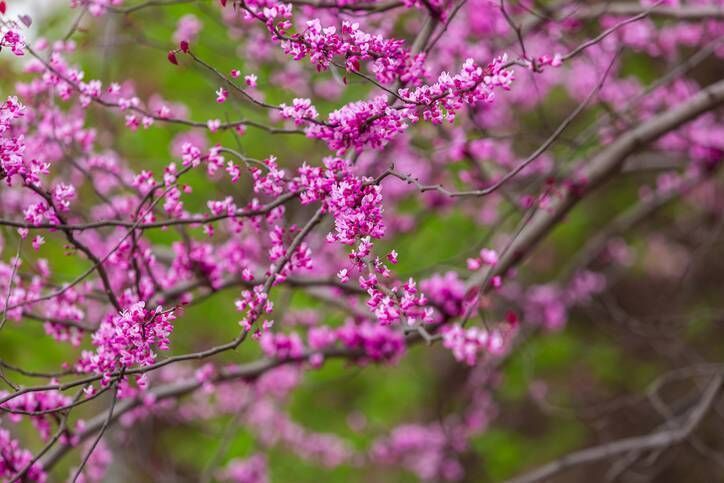
Many cercis trees are in flower now too and those that aren't will open up over the next couple of weeks. These too will benefit from pruning around now but again just wait till the flowers are finished. Not only are these flowers very beautiful, emerging as they do along the naked stems before the leaves appear, but they are also quite valuable to pollinating insects.
Cercis canadensis Forest Pansy is perhaps the best known of this genus; however, unless you have a very large space this may not be suitable for your garden as it can reach a height of nine or 10 metres with a substantial spread too.
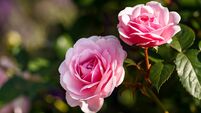
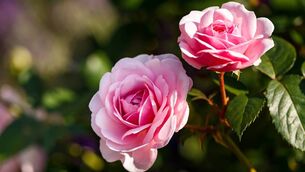
If you do have the space then this is a magnificent tree to grow. Beautiful pink blooms emerge in clusters along mahogany-wine-coloured stems in late winter and early spring.
But that's far from all that this beauty brings to the garden, because it is in the autumn that she really comes into her own, becoming seemingly alight with all the colours of that season. The foliage of forest pansy is a burgundy-red colour for most of the year but in the autumn it turns to coppers and yellow and really is a sight to behold.
Perhaps a lesser-known variety is one called Cercis chinensis Avondale. Known as the Chinese redbud, this is a smaller growing specimen reaching a height of around 3m with a similar spread. Still not tiny but smaller than Forest Pansy.
Again, you get the beautiful clusters of pink flowers which hug the stems before the leaves appear and when the leaves do emerge in late spring they are green in colour unlike the Forest Pansy. Avondale too will give great autumn colour.
Hamamelis, more commonly known as witch hazel, is also in full bloom right now and has been for the last month or two. Depending on the variety you choose you will have yellow, or copper or maybe red colours adorning your witch hazel right now.
These are such a spectacular plant as the flowers, similar to the cercis, emerge on naked stems and stick very close to those same stems, a bit like tiny waxy straps dripping in scent and witch hazel oil and, of course, they bring all the benefits for which witch hazel is now well known such as a skin tonic.
Perhaps your witch hazel is not too big for its space and it is growing in the right conditions which are slightly acid or neutral soil in a semi-shaded position or in full sun, in which case there is no need at all to prune.
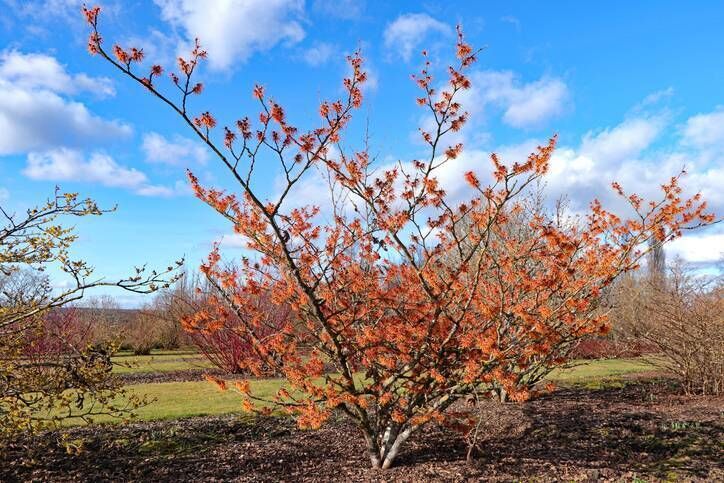
However, if you do need to prune yours as perhaps it has got a bit too big for its allotted space, then once more now is the time to do it, but again just wait until it has finished flowering.
With the Willow and Dogwoods, you are pruning to promote more young, vibrant stems from low down on the plant and thus you should remove older growth by cutting back to within a foot of the ground in a process called coppicing or stooling.
I have never coppiced Alder but it was done traditionally and according to the Woodland Trust in the UK, “Alder coppices well and the wood makes excellent charcoal and gunpowder.” Now you know.
For the other plants, it is more general pruning and you should aim to remove any crossing branches where possible to allow good air circulation through the plant and also to prevent branches rubbing against each other which will leave open wounds and provide an entry point for disease pathogens.
- Got a gardening question for Peter Dowdall? Email gardenquestions@examiner.ie

CONNECT WITH US TODAY



Be the first to know the latest news and updates