Peter Dowdall: The plants that make the winter cut 
Some plants improve with age but others should be regarded as shortlived 
Peter Dowdall: The plants that make the winter cut 

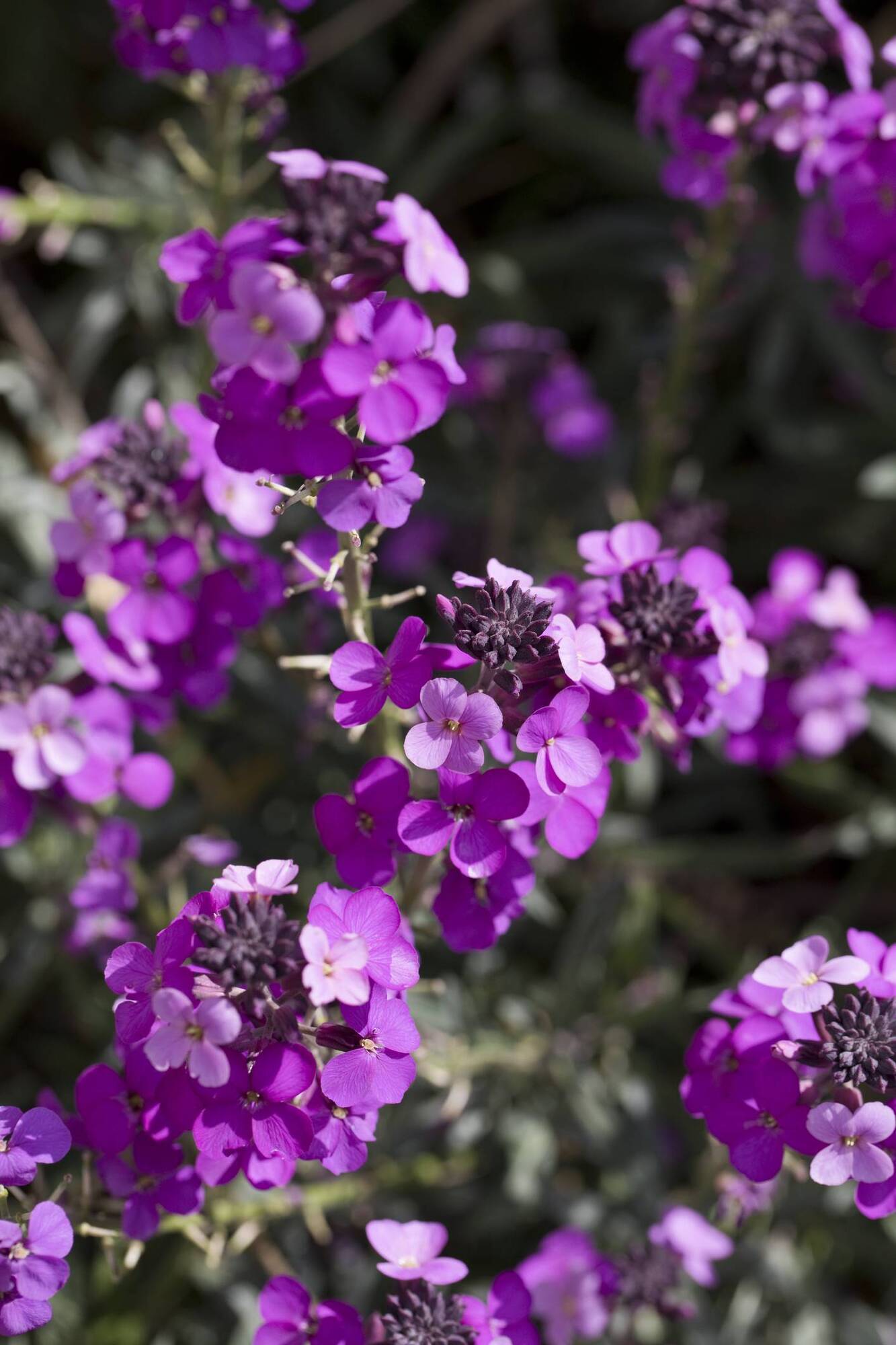
The evergreen wallflower Erysimum Bowles Mauve looks truly stunning in flower but it can get very unkempt looking after a while and this is the time to be strict, says Peter Dowdall. Picture: iStock

December and January are the two best months to look at the garden with fresh eyes. Cut back what needs pruning and remove what needs removing, such as summer bedding which have gone over and plants which have outgrown their usefulness, and then look at the gaps.

In a case of “do what I say and not what I do”, we have to be brutal when deciding what “outgrown their usefulness” means. Most plants, like a fine wine, improve with age and add more and more to the garden each year as they mature but some plants, for me, need to be regarded as short-lived.

In this category, I include hebes, lavenders, brooms, and others such as perennial wallflowers and Lavtera ad Cistus. That’s not to say that they will die off after a few years but rather that they no longer look at their best. Lavenders and hebes seem to just flower and flower, nearly all year long, and once you notice that they have got a bit woody and leggy looking it can be too late as they will not respond well to a hard prune, often simply dying after such treatment.

Cytisus and erysimum (brooms and wallflowers) are much the same, the brooms giving their all during spring and early summer and the perennial wallflowers, technically flowering in Spring and early summer also, seem to be in flower for each of the twelve months.

After a few years, these two will have an unkempt and bedraggled appearance and once more, they do not like to be cut back hard.

In the case of these plants, I would say that if they are at this stage, it is time to be clinical, take them out, remove them and make space for something new once more.

As the price of real estate seems to be ever increasing, gardens are getting smaller and the number of plants available to us via garden centres, flower shows and online is ever increasing, we need to be quite strict about which plants “make the cut” and warrant a position in our gardens. They need to work with the style of garden that you wish to achieve and they need to provide interest, either textural or colour for a long period of the year.

With that being said, all of the plants above are worthy inhabitants of any garden but once they have lost their appeal and become too untidy, then that is the time to be strict.

You can extend their time in your garden if you are diligent about trimming and pruning. If you cut back these plants, at least once a year and in the case of Lavender I would suggest two or three times annually, you can stop
them or at least slow them from getting too large and woody.

Have a look at them now, as they are today in your garden, and ask yourself, if you saw them available in a garden centre like this, would you still opt to purchase and plant. If the answer is no, then out with the spade and make room for a new arrival. No point leaving it there because it looked good in the past.

That new arrival may simply be a replacement Lavender, Hebe or Wallflower or it may be a totally new departure. You see a garden is a living entity, constantly changing and never static.

Other plants which should face the chop are those which have got too big for where they are, or simply don’t excite anymore.

All of our tastes change as we go through life and this is as true in the garden as in any other walk of life and a plant that I may have adored some years back, is one that I may have little or no interest in now. Plants which are struggling, due to disease or the wrong growing conditions, are others which could be moved or removed over these few months. For me, life is too short to be molly-coddling my garden plants, they have to sink or swim.

If a particular specimen is causing too much trouble such as a rose suffering from blackspot no matter what I do for it, or an acid lover doing poorly because of a pH issue, then I simply get another rose which is more resistant to black spot and plumb for a different plant more suited to the pH in this area and grow my acid lover in a pot filled with ericaceous soil.

All of these plants that we remove don’t have to be consigned to the compost bin, there is always a friend with a larger garden who may be too happy with your leftovers or you could even plant it in the greater landscape and on that note, I refer you to my earlier comment, “do what I say and not what I do”, for I am not always strong enough to follow my own advice.


x

More in this section

Revoiced

Newsletter

Sign up to the best reads of the week from irishexaminer.com selected just for you.

Cookie Policy Privacy Policy Brand Safety FAQ Help Contact Us Terms and Conditions

© Examiner Echo Group Limited