Peter Dowdall: Still plenty of colour in the garden
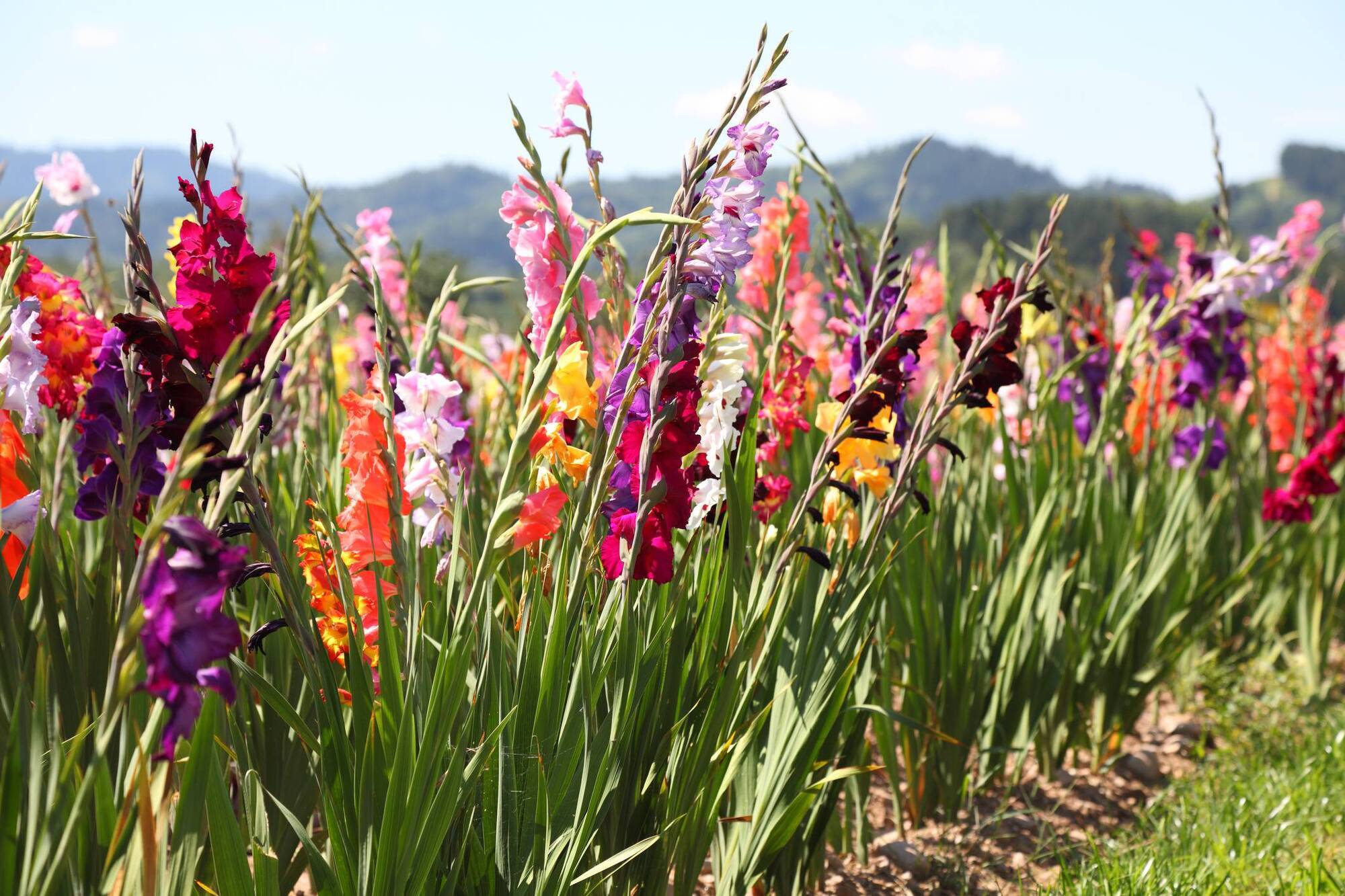
Peter Dowdall staggered the planting of his gladiolus this spring and planted a few over several weekends during February to April and as a result, they flowered over a longer period. Picture: iStock
Plants which were sown earlier in the spring as bulbs and tubers and corms are still showing plenty of bloom.
I staggered the planting of my gladiolus this spring and planted a few over several weekends during February to April and as a result, they flower over a longer period from summer onwards. I have been enjoying their display now for about three months.
Staggering the planting of bulbs over a protracted period of weeks is a great way to extend the flowering season as each individual Gladiolus bloom only lasts a couple of short weeks. This isn’t necessary with the tuberous begonias as these flower for months on end with some of these beauties really only giving of their best right now during early and mid-October.
I also sowed my sunflower seeds over a few months, earlier in the year and while the best of them may now have passed there are still some only beginning to emerge now. In particular, I am enjoying some sunflowers given to me as seed collected by a good friend of mine and a well-known champion of pollinators, Peter Cuthbert.
The plants from this seed are less tall than many of the hybrid forms available from seed packets already illustrating some adaptations that come with collecting your own seed. The plants have obviously adapted to the windier conditions in Ireland and as a result, plants from collected seeds will grow less high.
The flowers too are smaller and this is probably because we don’t get enough sun to sustain larger blooms each year.
Dahlias too are one of those summer flowering perennials which really bring colour and life to many gardens all over Ireland during this month blackcurrant sage or Salvia microphtylla, a species made up of many different varieties. Perhaps the best known being that fabulously named Hot Lips, with its red and white petals which has been flowering now for months.
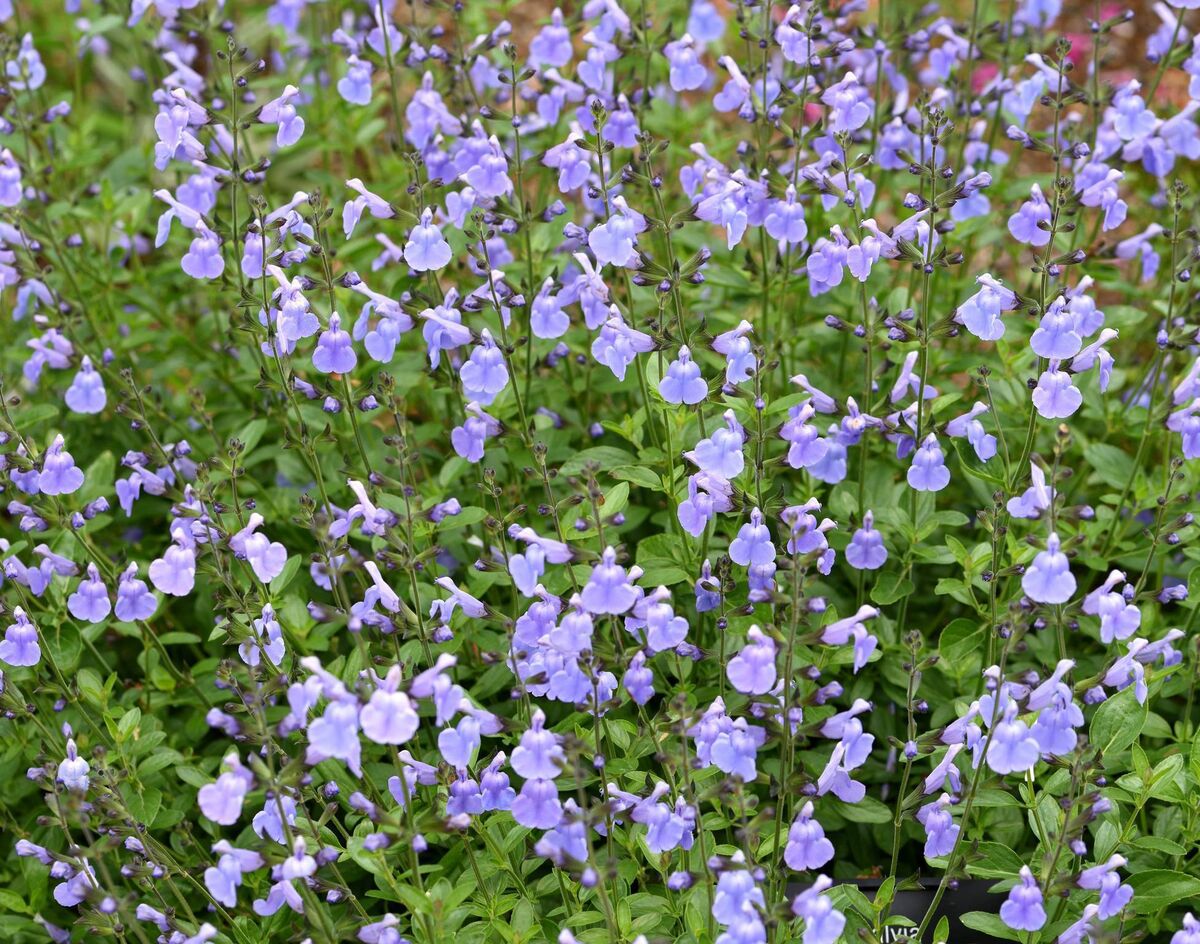
As our tastes change through the years, it is really only after the last few seasons that I have paid more than a passing interest in this species, which I may have walked past in years gone by. There are so many amazing colours of blackcurrant sage and this year I am growing a form called Delice Aquamarine among others.
I adore the very pale blue colour of aquamarine which is growing near a simple single white rose and the two of them are working so beautifully together.
I also have another salvia, the lilac-purple carolus, growing near a pink rose and this too is looking great right now and the effect is quite different to the pale blue and white which is so crisp and clear and clean Both of these combinations, I hasten to add are working well by accident, more so than by any expert design idea of mine, more a case of being planted where there was space as opposed to lots of thought given to their positioning.
Like all these salvias they're flowering period is very long and these are still going strong and will do so until the frosts put a halt to their gallop.
On that note, a certain degree of caution is required as they are not fully frost-hardy, so if you are growing in a colder part of the country or if a severe frost is forecast then I would take action to protect them by covering them with straw horticultural fleece or similar.
Taking cuttings from these Salvias is quite easy and successful.
Simply take about four inches of this summer's stem growth making sure to cut at a node.
The nodes are the magical part of the plant where all the hormones hang out and for cuttings, the hormone that we need are auxins.
Remove any flower buds from this new cutting and also remove what we call the terminal bud, which is quite simply the growth at the top of the cutting. This may be a leaf bud or a flower bud but remove it whichever it is, as you want energy in the cutting to be focused on the basal node and not the terminal bud.
Taking cuttings in this way is relatively straightforward and quite successful though possibly too late in the year now. However if you haven't done it yet, well better late than never when you have new, rooted cuttings coming on, it means that even if the frost and low temperatures put paid to your plant, at least you will have a ready supply of new ones and who knows, you may discover your inner green fingers.
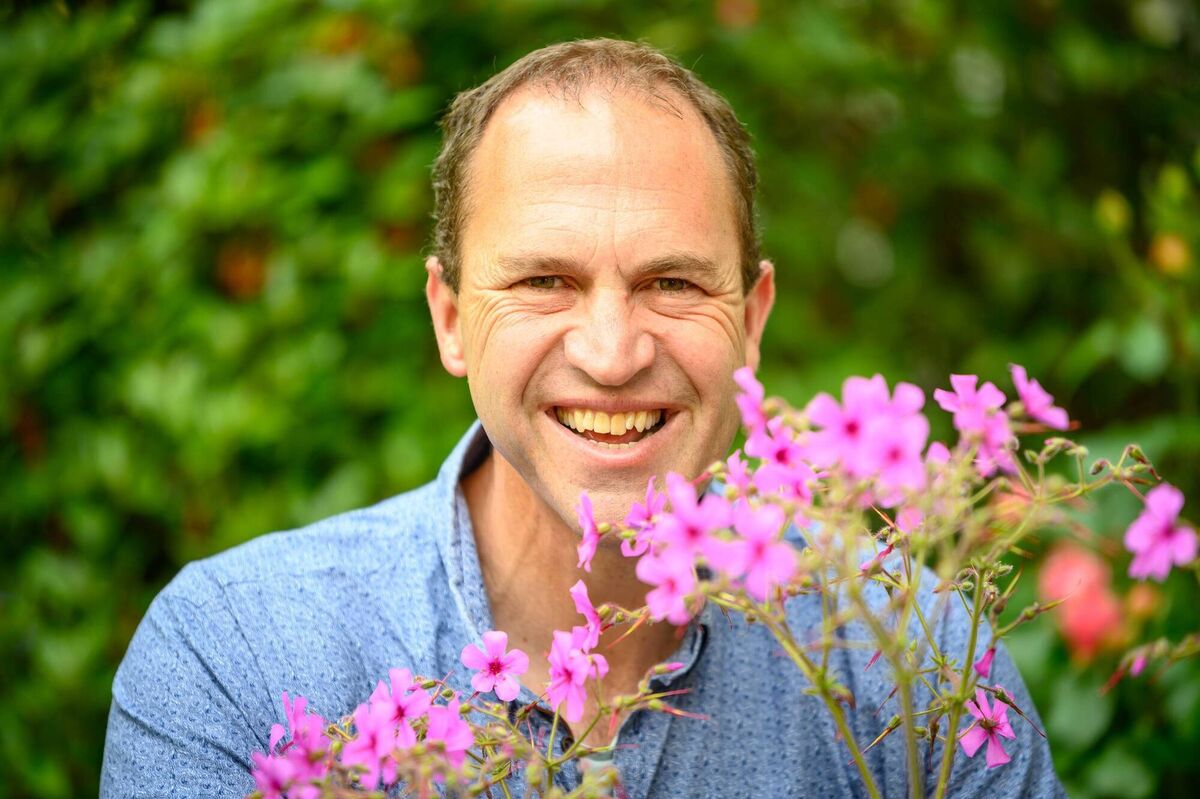
- Got a gardening question for Peter Dowdall? Email gardenquestions@examiner.ie

CONNECT WITH US TODAY



Be the first to know the latest news and updates