Ellen Mary: Easy cost-saving gardening tips for beginners
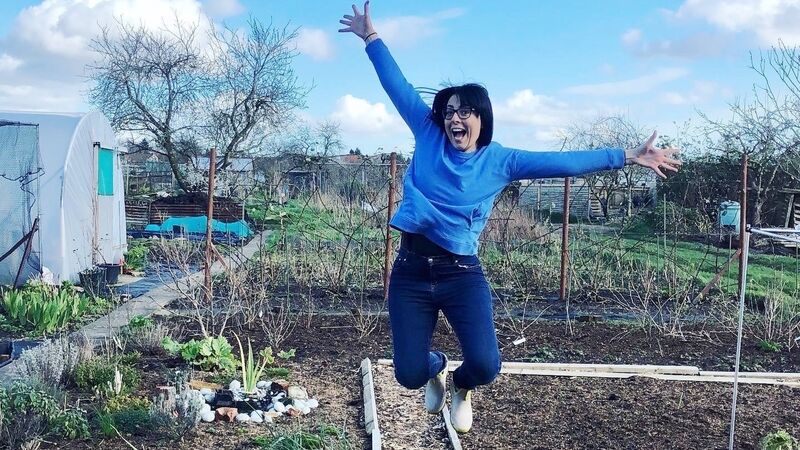
'Lawns don’t have to be perfectly manicured; in fact, they are better for the environment if left to grow longer.'
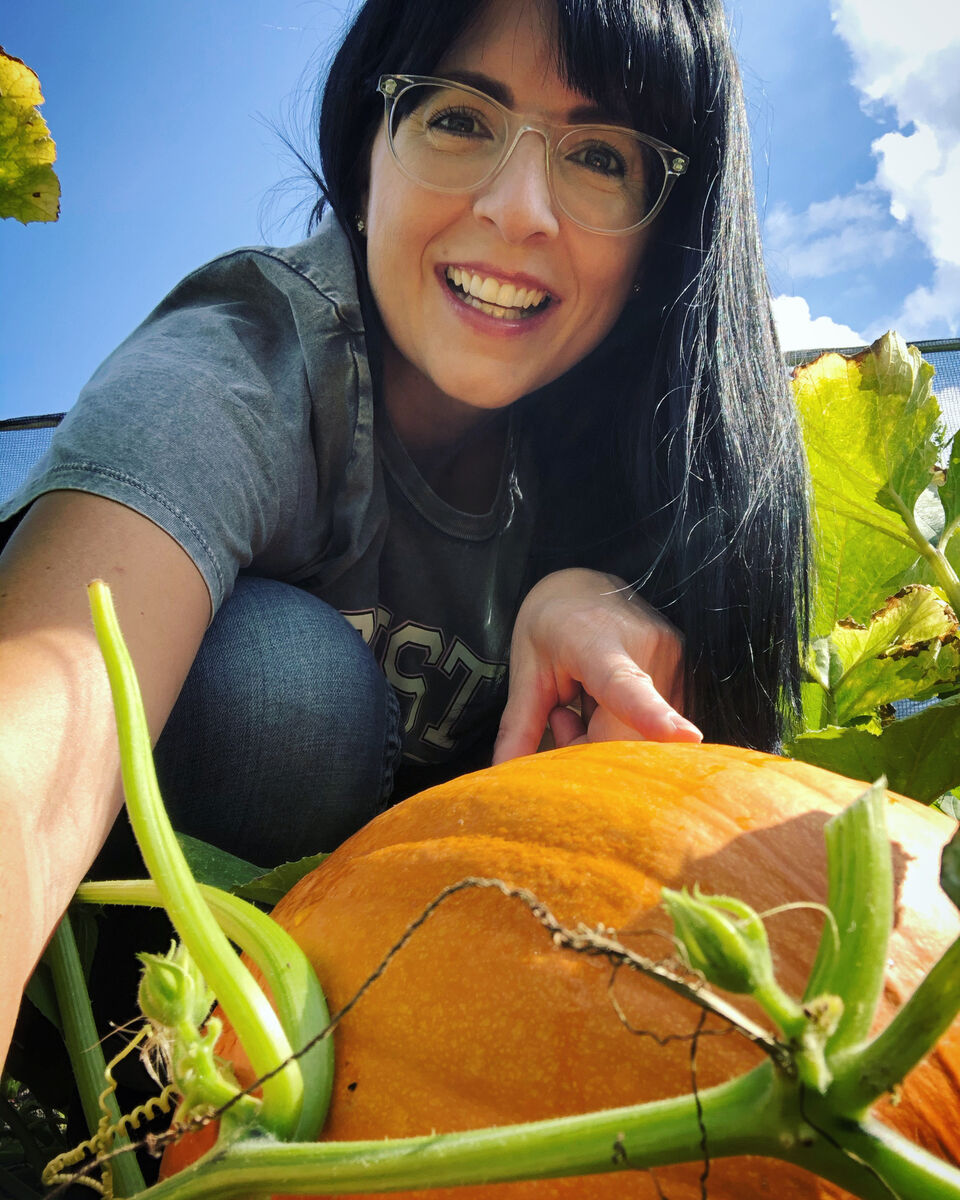
There is a moment in a person’s life, when the void in which you plunged a small plant or pinched in a seed, responds. Leaning in, eyes wide, it generally stirs the words, “I’ve discovered gardening”.Â
Growing things remains an undiscovered country for many of us.
Finding the right guide to nurture that latent interest can overcome stalling presumptions, plans informed more by social expectations than desire, intimidation at what’s gone before, and prune deftly around the reality of the expense that gardening can demand.
Pick up the right book, and you could alter that yearly calendar of your life forever as it becomes centered less on the white noise of the everyday.
Writing, producing, broadcasting, and above all gardening, Ellen Mary speaks regularly about the ways in which gardening and the natural world can benefit our wellbeing.
She has appeared on WCNC USA, BBC News, Mustard TV, BBC Countryfile Diaries, and filmed with the Royal Horticultural Society. She hosts a horticultural radio shows on Future Radio and The Plant Based Podcast, and is the founder of what is said to have been the first live — interactive online gardening experience with Michael Perry, No Fear Gardening.Â
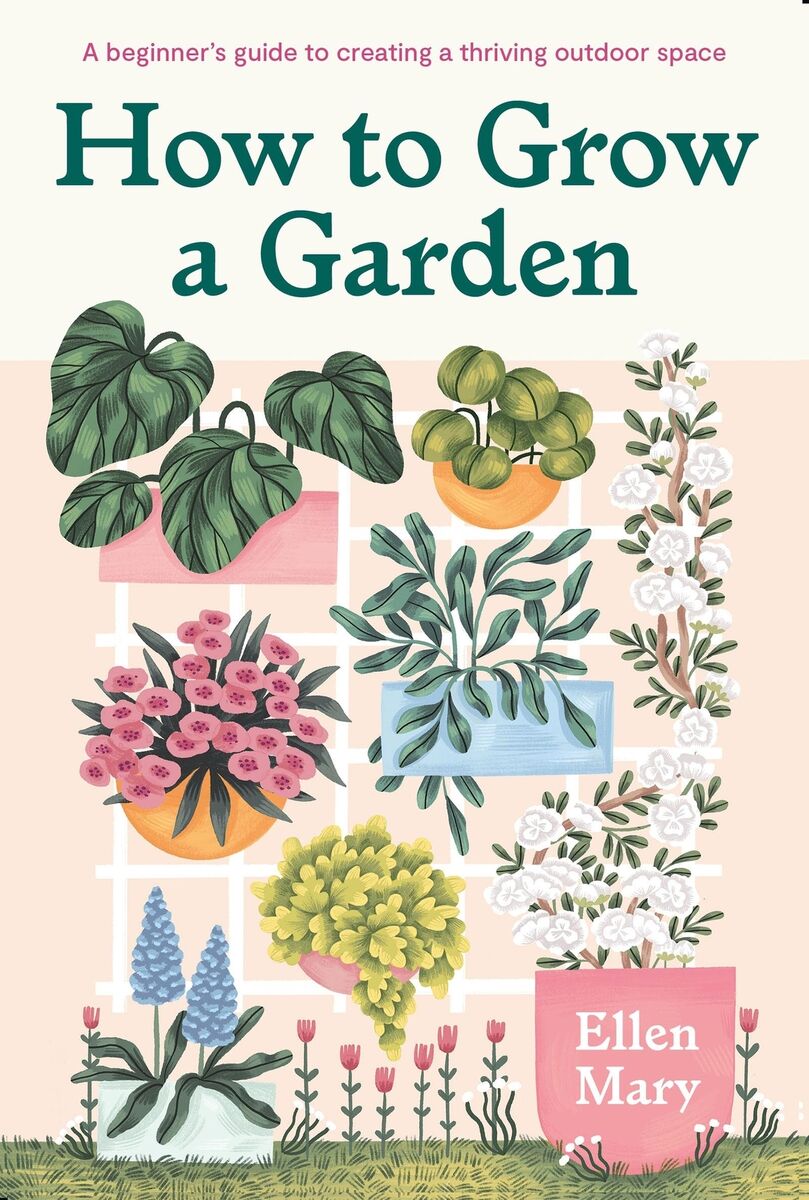
Ellen somehow also finds time to run community projects at the Grapes Hill Community Garden in Norwich City and her eagerly anticipated second book, How to Grow a Garden has just hit the shelves.
The return of gardening
Describing her own garden as a place of “haphazard messiness and obsessive planning” Ellen explains why in these challenging years of the pandemic, the draw to gardening is proving so powerful and returning after a lost generation.
“Throughout the last couple of years, so many more of us have realised how important nature is for wellbeing.Â
"When everyday life as we knew it was removed, we found ourselves more connected with the natural world.
“We are nature after all. When we garden we are directly connected to the earth, to the plants we need to eat, drink, and breathe. Gardening can be time out alone or a family activity, it is physical exercise, brings hope responsibility, and teaches us the importance of nurture.”
Ellen boldly left a successful career in HR and business management to pursue her dream of simply being a gardener and experiencing her most authentic self. She is modest about her media impact, spreading the message that gardening is good for you and good for the wider natural world.

With happiness in horticulture, it can be manageable for anyone. She now enjoys a vibrant, consuming lifestyle that took root in her parent’s garden where she plucked glass hard, fresh peas from the pod, and check the underside of their shed for fairies from the age of two.Â
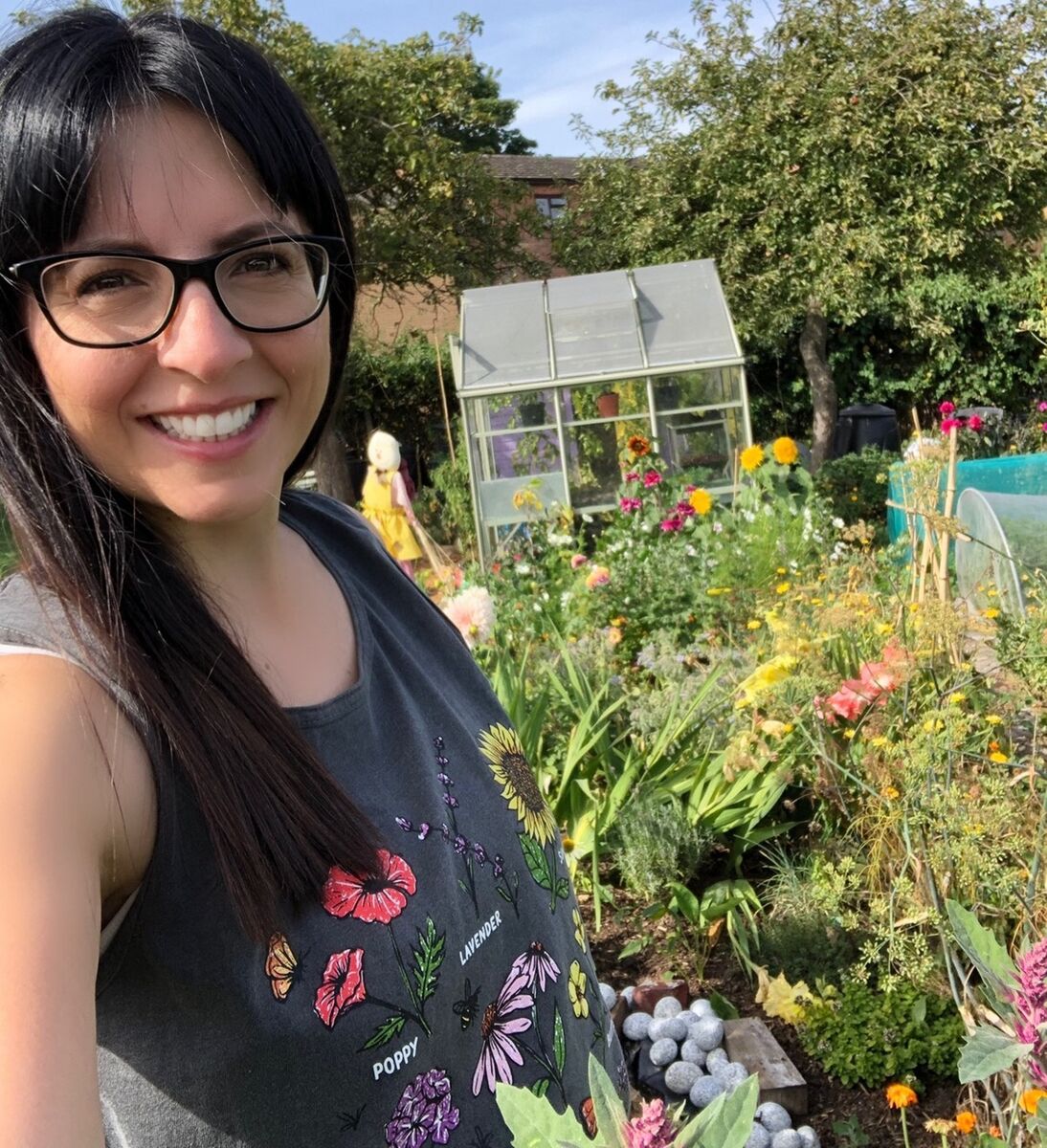
In a summer Instagram post, she publicly shamed her too-prickly gooseberry bushes on her allotment — irresistible, if you ask me.
Ellen, as an influencer and first and foremost a gardener, demonstrates through her writing and social media, a daily connectedness with her own garden — something that’s potentially buried deep inside us all.Â
She’s determined to share all that she’s learned and has not shied away in her writing. She talks about the impact that gardening and the very act of being outdoors can have on even serious mental health issues including post-traumatic stress disorder (PTSD) and depression.Â
If all you have is the public park for a wander — she encourages everyone to go for a soul-stirring wander.
New chapter

So, why this new book?
“My first book The Joy of Gardening: The Everyday Zen of Mowing the Lawn, was all about how to garden mindfully, taking the reader through their journey in the garden and linking gardening activities to life lessons” she continues.
“The new book How to Grow a Garden is a guide to gardening for beginners with practical tips and some basic botany to encourage more people to garden.”
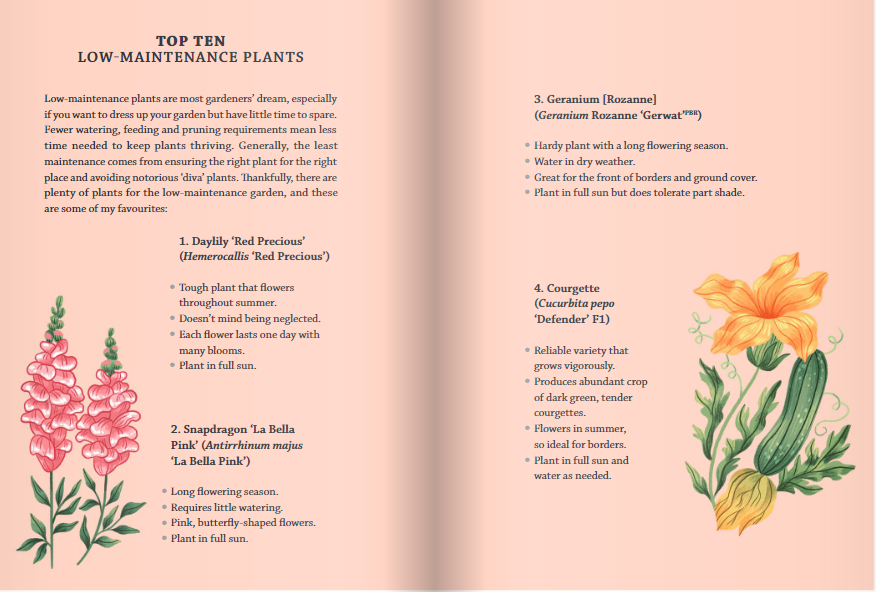
How to Grow a Garden is a beautifully illustrated (photo-free) no-nonsense manual to get any garden space going.
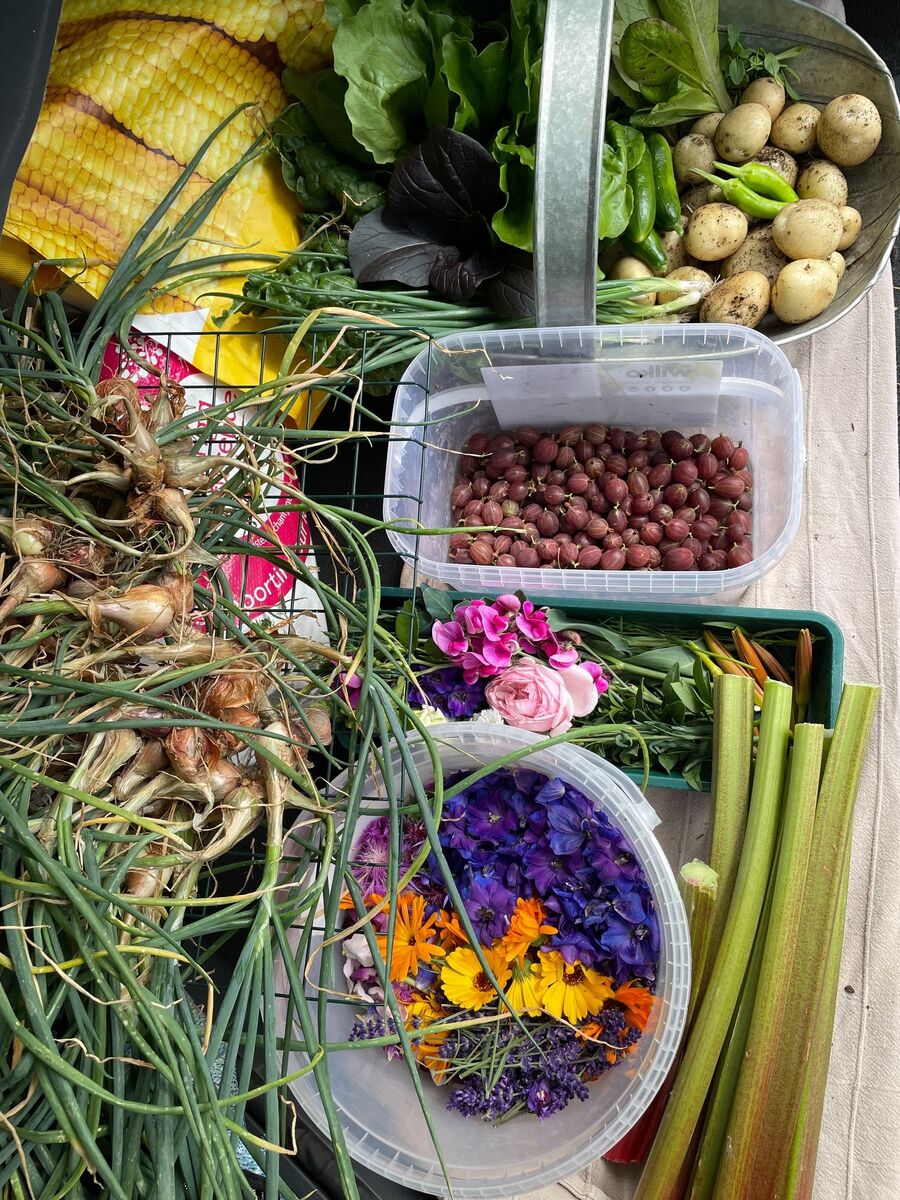
Straightforward, and blessedly well organised, it takes us through multiple, motivating easy-to-follow projects from understanding our soil, to choosing trees, growing gorgeous edible flowers to scatter on salads, and including 10 plants to help the wildlife in and around our highly individual outdoor space.

While most of us have eyed that blank hard patio or a shaggy bit of unloved lawn, does Ellen have a tip to overcome this initial fear to dig in and make friends with our gardens? Can we deal with small new spaces in a typical estate home or courtyard where room is at a premium?
“I think there are many reasons why gardening can seem intimidating, from not understanding gardening terms or plant names to being unsure how to make the most of a space,” Ellen says.
“I always suggest observing your garden first, see what is already growing well and then thinking about how you can work with it rather than trying to control it. Then consider what you would like to grow and take it a step at a time.Â
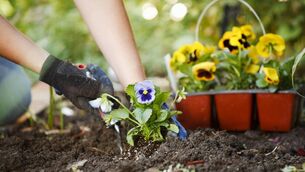
Think vertical: Use the walls and fences for climbing plants and hanging baskets. Small spaces can be just as productive as larger gardens and pretty up a patio with containers full of plants.”
Top tips

Could we simply start with containers, rather than addressing the whole garden? What are Ellen’s top tips to get going without fear?
“Of course. Make sure you know where the sun/shade is in your garden before you plant your containers to ensure the plants will thrive and use good quality peat-free compost. Remember containers can dry out quickly in warm weather, so have a water-butt handy.”
Cut flowers from the garden are a growing trend, and Ellen gives me her top deliciously scented varieties to crop from a garden as pinched as a city balcony which bloom right into late summer.Â
“Cosmos is easy to sow and grow, sweet peas which are a favourite of almost everyone, and Nigella which is another easy-to-sow and grow annual.”
There has been a popular move away from lawn keeping, especially in the suburbs. No-Mow May, raising blades, and cutting walking paths through swathes of wildflowers has made an impact, but with time at a premium, the hard landscaped, easy-care garden is on the ascent.Â
Ellen argues for a bit more of the soft stuff if you’re planning a new garden or refreshing an old one.
“Lawns are great for walking on barefoot, important for wildlife and overall biodiversity. There is so much life in the soil.Â
"They don’t have to be perfectly manicured; in fact, they are better for the environment if left to grow longer.Â
"Left to their own devices, you never know what beautiful wildflowers will grow.”
Even a small garden can play smallholding, providing nutritional benefits from a single raised bed.
Saving costs
With a cost crush influencing everything we do, are there pricing-saving or even free things we can do this summer and into autumn to improve and extend our growing?Â
“The key to harvesting for as long as possible,” Ellen advises, “is successional sowing, thinking ahead and growing varieties that can be harvested even in the colder months.Â
"Sow seeds every few weeks to keep harvesting for a longer period rather than all at once, make sure you have planted out winter veg such as leeks, kale, cabbages and sprouts. You can even grow potatoes to harvest for Christmas and winter lettuces.”
If I wanted to start growing my own food, this weekend, what should I do?Â

“Salads are easy to grow,” Ellen responds, “and can still be sown now. Even if you aren’t a fan of turnips, give some of the newer varieties try and only grow them to golf-ball size. They can be eaten raw and are delicious.
“Other plants for growing right now include radish and spring onions.”
With the climate in flux and so many of our native animals and plants under pressure from our expanding cities, and industrial-scale farming practices, a garden can provide a sheltering moment for so many creatures and their supporting habitats.
Ellen adds: “The most environmentally friendly way to garden is to remember that every single thing you do creates an impact so always make sure it’s a positive one.
“Making your garden as biodiverse as possible is a great way to support wildlife from planting for pollinators, installing bird and bat boxes, a hedgehog home, and even a mini pond. Collect rainwater and make your own compost if you can.”
- You can find Ellen Mary on Instagram at @ellenmarygardening, Facebook at @ellenmarygardening1, and on Twitter at @ellenmarygarden/ellenmarygardening.co.uk.
CONNECT WITH US TODAY
Be the first to know the latest news and updates