Peter Dowdall: How to care for lychnis or ragged robin
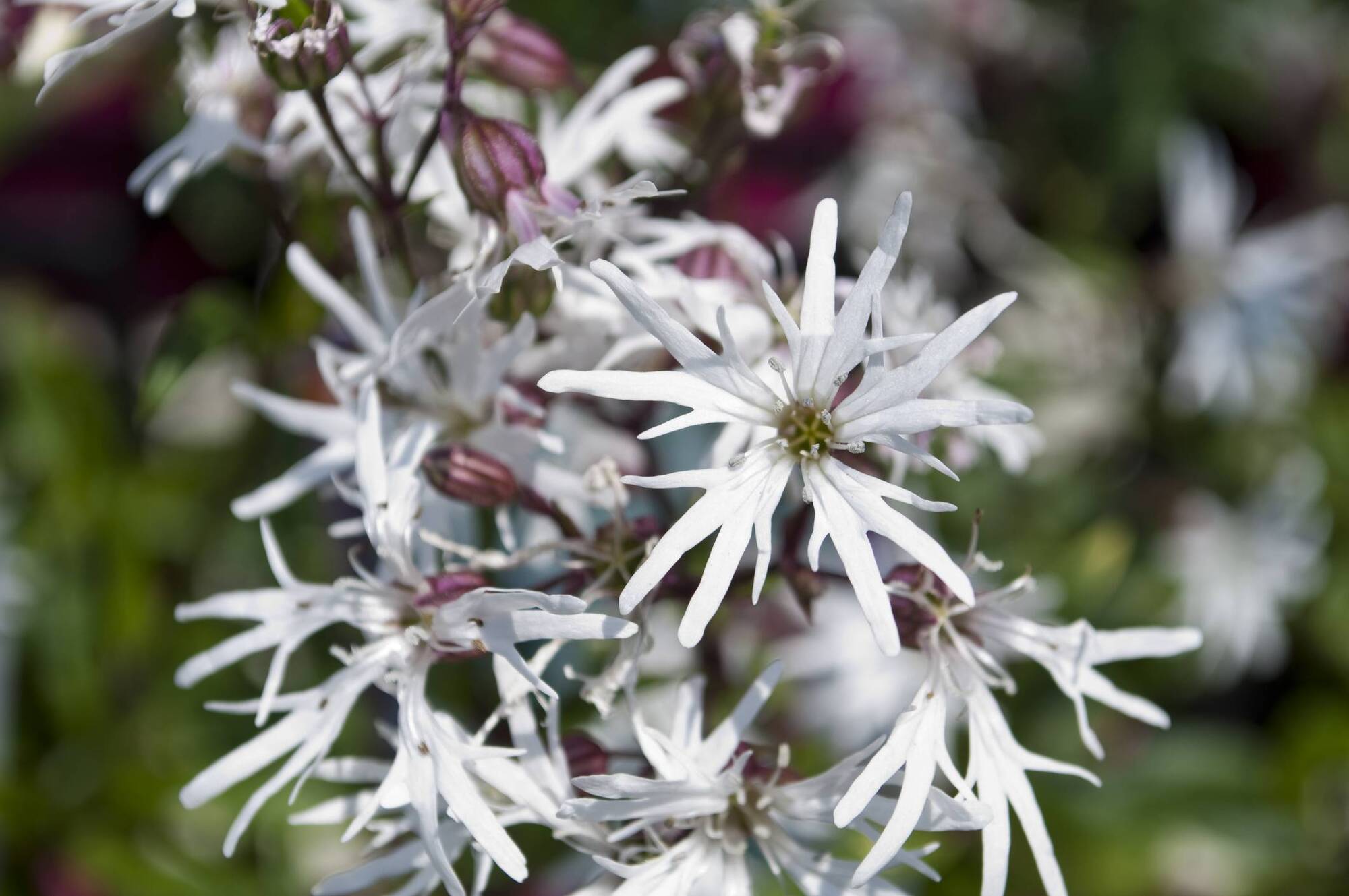
The deeply lobed petals of this white ragged robin give it its rather ragged appearance from which it gets its common name. Picture: iStock
There's a plant that I always admire when I see it and then I always forget to get it for my own garden. Well, that was taken care of recently when I saw it in a garden centre and it has now made its way home to chez Peter.
Silene or Lychnis flos-cuculi is a bit of a tongue twister even for the most classically educated amongst us, but it is much more widely known by its far more attractive-sounding common name, ragged robin.
Native to Ireland, the UK and much of Europe it is not that common in the wild here anymore due to the unfortunate over-use of weedkillers and draining of marshy ground in agriculture. The species naturally occurs in wetlands and on riverbanks with a beautiful buff-pink flower but the one I was after was white in colour and that’s what I got, a cultivar named White Robin.
I’m going to plant it in front of a Camellia Brushfield’s Yellow and Prunus Otto Luyken and I hope that the dark green foliage of these shrubs will provide a good backdrop for the white blooms.
The ragged robin is flowering now and will continue the period of colour well into the summer as the Camellia and dwarf laurel have now finished. Next to all of this is soon to be a group of white Hydrangea Annabelle so I hope that the effect will be nice, fresh, simple and airy, I’ll keep you posted on its development.
CLIMATE & SUSTAINABILITY HUB
Numerous flower stems rise up from an untidy rosette of foliage at ground level.
Each flower stem will reach about 40cm in height and the overall effect of the plants is light and a bit unkempt but really, quite beautiful. It’s a plant which is valuable to many pollinating insects including butterflies bumblebees, long-tongued bees and hoverflies.
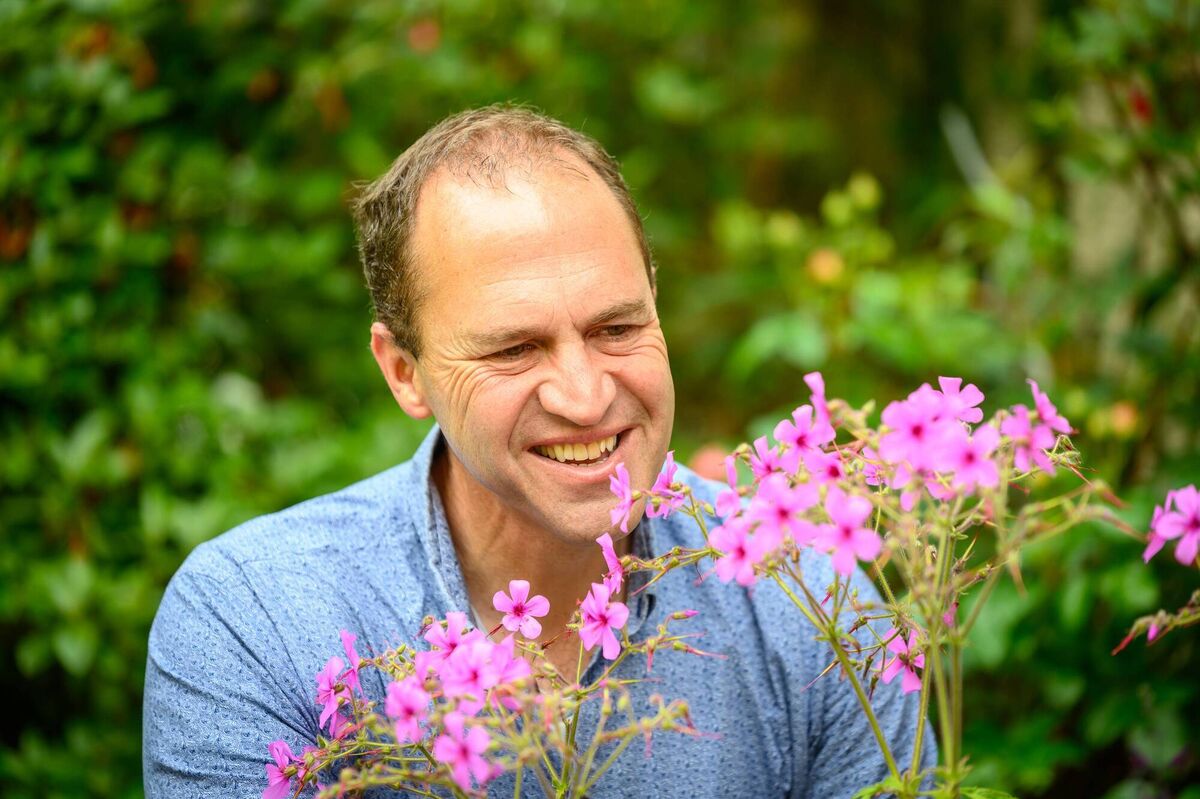
The petals are deeply lobed or cut giving it the ragged appearance from which it acquires its common name.
It’s a perennial plant and will spread quite easily when given the correct conditions but I really don’t think that you will object to this one making itself at home in your garden, I certainly won't for that’s exactly what I want it to do. Those correct conditions are damp or moisture-retentive soil of neutral or alkaline pH in full sun.
The soil where I am planting it isn’t that damp and so I will be adding plenty of organic material before planting and will mulch it quite deeply to try and conserve moisture around the plant.
The soil here is erring on acidic and thus the organic matter that I add should be alkaline if possible so I will most likely try and source some mushroom compost, a great soil additive for texture as well as maintaining some alkalinity.
After that, I’m afraid my ragged robin is on its own, it will either thrive or not, I’m not the type of gardener that believes in molly-coddling my plants.
Knowing that lychnis can thrive in the wild as far north as Siberia, it shouldn’t suffer at all from any of the low temperatures that the Irish climate will throw at it and as it likes damp soils, it certainly won’t object to our heavy rains.
It has been, up to now an underrated perennial plant and perhaps this is because it is thought of as an untidy wildflower but thankfully wildflowers and their importance are undergoing their moment in the spotlight right now and we are all beginning to see the true beauty in their blooms. Designers in show gardens such as Chelsea, Bloom and I’m sure, Cork’s Mallow Home & Garden Festival will no doubt be using this plant throughout their show gardens for it really does work with the naturalistic planting stye that is very much en vogue right now.
If you are trying to establish a wildflower meadow then this lychnis is a good plant to introduce for it holds its own with other wildflowers, thriving in amongst grass, foxgloves and others with the possible exception of creeping buttercup which can suffocate it if allowed to get the upper hand.
Using plants already grown as opposed to seeds can be a good way to establish a meadow as they are easier, if more expensive, to establish and you can position to suit your desires instead of waiting to see what comes up and where. However, I think the most practical way to establish such an area is a mixture of both, using wildflower seed mixed in amongst some established plants.
- Got a gardening question for Peter Dowdall? Email gardenquestions@examiner.ie

CONNECT WITH US TODAY



Be the first to know the latest news and updates