Back to the future: Transforming old city buildings into vibrant modern homes
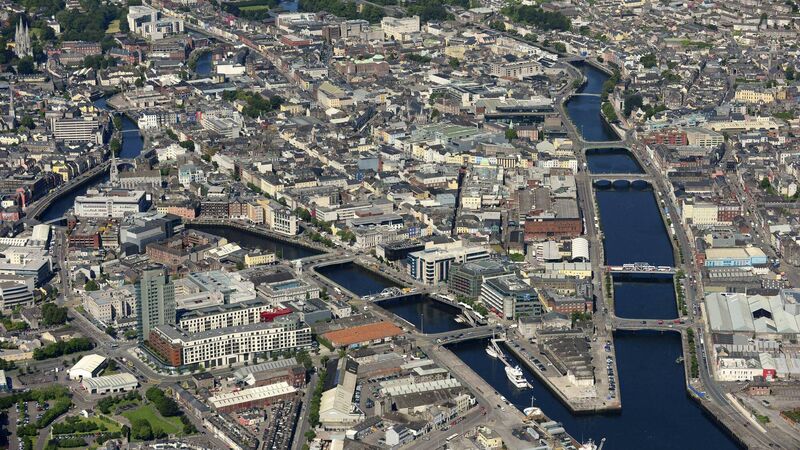
Aerial view of Cork city. Picture: Denis Scannell
In the 1980s and 1990s, Róisín Murphy was a student activist in Dublin, striding forth with her placard aloft to protect the city’s built heritage.
So, when the conservation architect was recently approached to present a documentary focusing on Ireland’s towns and cities’ derelict and vacant buildings she says she “took about a millisecond to say yes”.
Of her student protest years, she recalls: “We were on the streets, we were in developers’ faces, we were doing everything to stop the demolition of heritage buildings. For about four years we managed to disrupt anything that was a threat to the heritage fabric of the city.”
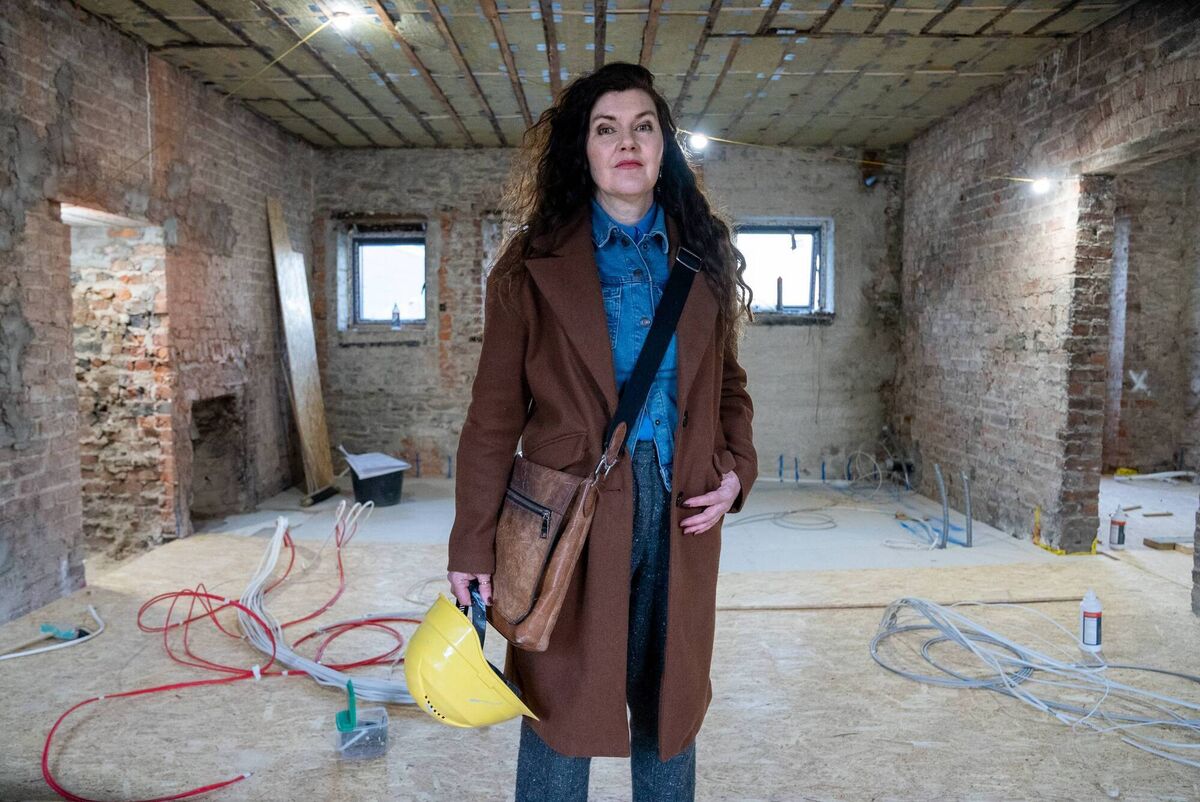
She’s still an activist. “We just have to make our cities and towns more sustainable and more liveable,” she adds.
, a one-hour documentary for RTÉ One, examines what needs to change in order for that to happen.
“This documentary is for the people,” says the architect.
“And it’s not about grand designs and individual big pieces of architecture, it is really about urban strategies and planning, and elevating ordinary lives in suburbia and about living great lives with flourish.”
Living with flourish is pretty difficult when doors and windows are boarded up and the closest thing you have to neighbours are the frustrated commuters outside in bumper-to-bumper traffic.
So many urban areas have been neglected for decades and operate on the extreme end of a spectrum between dereliction and commodification, with very little space for good places to live, she adds.
“Our towns and city centres need to offer an environment where people can connect with nature and with each other,” says Róisín.
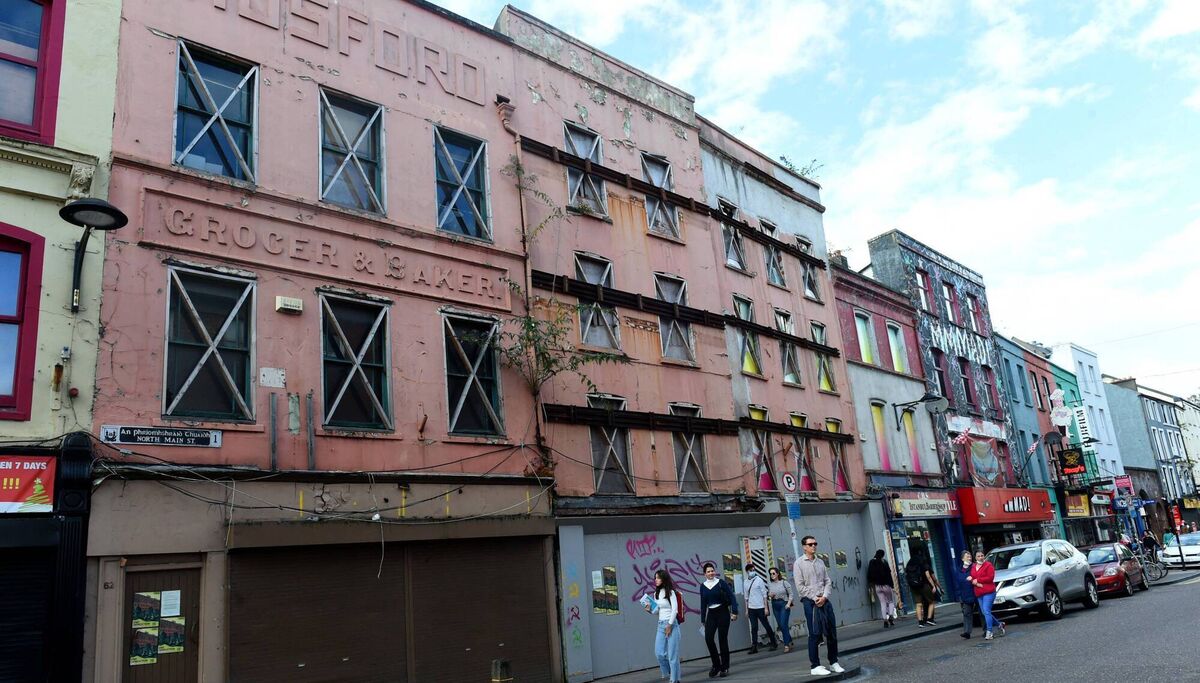
We visit Cork, Dundalk, Limerick, Dublin and Paris in the one-hour programme, which aired this week on RTÉ One.
Questions raised include who should our cities and towns be for, what will urban cities look like in future decades and how should they accommodate communities?
The pandemic was a pivotal moment that made everyone reconsider the way we worked and commuted.
As architect Valerie Mulvin of McCullough Mulvin puts it, “Collectively the whole world breathed a little bit and said maybe we can do this in a different way.”
The virtues of the 15-minute city have been well publicised. The concept was developed by French-Colombian scientist Carlos Moreno and Paris has already adopted his idea which aims to have education, work, transport, health and other services within 15 minutes of people’s homes at a walking pace.
But is any Irish city or town embracing the concept?
Alison Harvey of the Heritage Council says young people “want to live in town centres”. “They want to be able to do things at night, they want to go to the cinema, have a meal and they don’t want to own a car.
“Fundamentally they want to walk places, they really don’t want to be in cars, and I think that is amazing. They want to have walkable neighbourhoods.”
So, if there is no need for a car, architects, planners and developers should plan accordingly, reasons Róisín.
During the pandemic, Dundalk has been making progress.
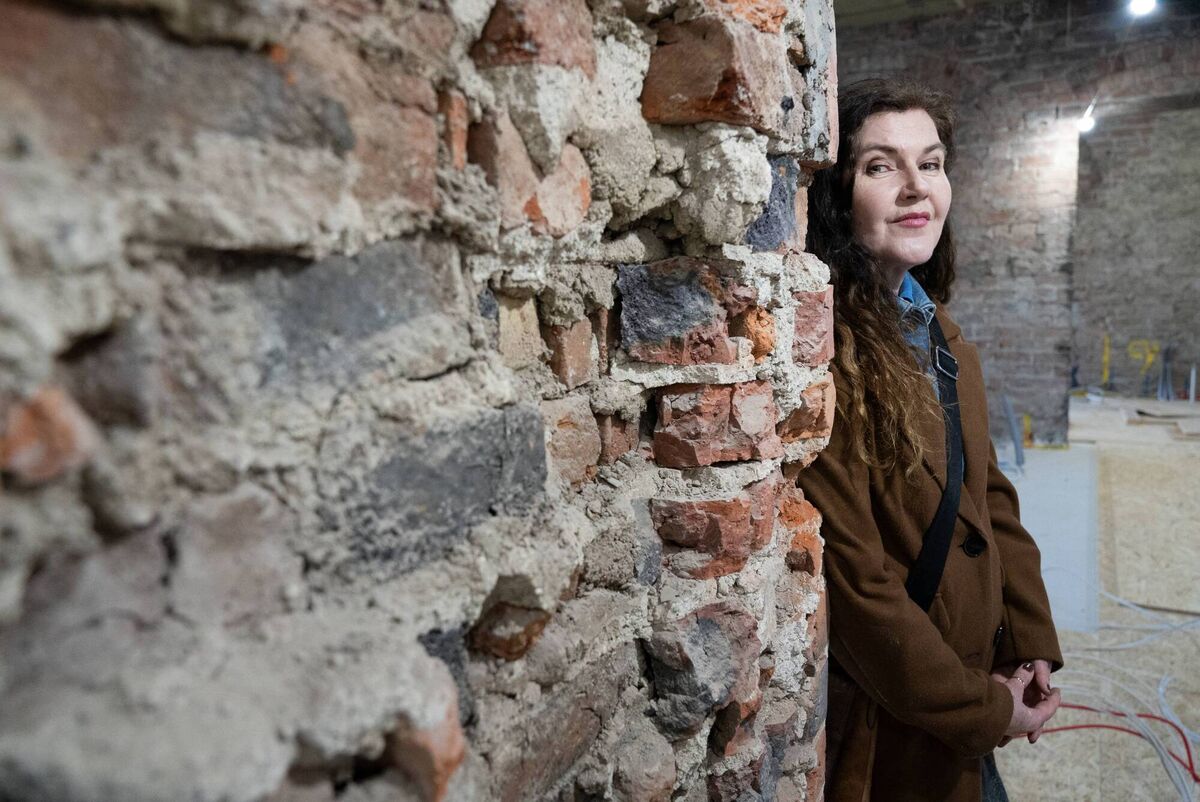
“The ‘living over the shop’ scheme was abandoned in 2006 but I’ve discovered it has been making a bit of a comeback here,” says the architect.
As Tony Wall, who lives over a business in Dublin city centre, says, our cities should not be regarded as “some kind of theme park”.
A visit to one “over-business” residence impressed Róisín. “It shows how it can be done, complete with insulation, fireproofing and noise reduction,” she adds.
This sort of planning is “vital”, believes the architect: “It brings life back into towns and cities, it provides housing, and it also provides security — if you have somebody here, the shops are safe, the streets are much safer in towns and cities, and the towns are much more fun to live in too.”
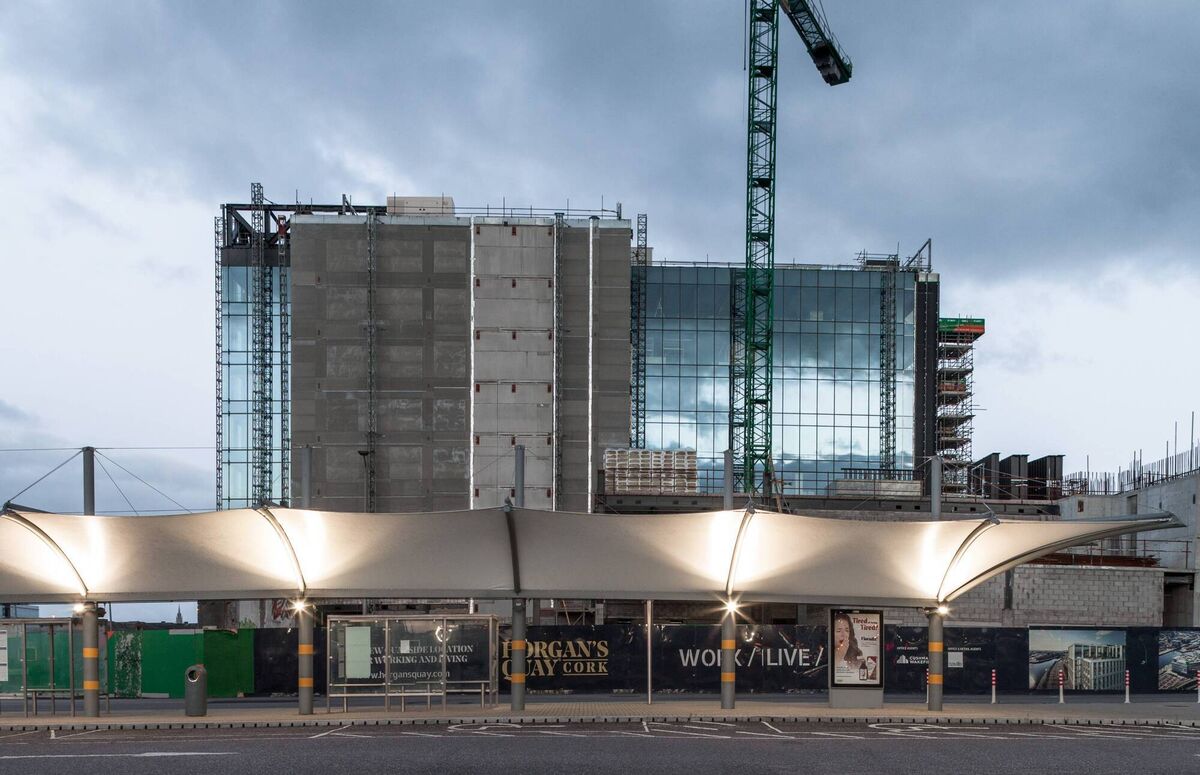
Another city where this could be done is Cork — or as Róisín describes it “the Venice of Ireland along with Monasterevin”.
Cork has a reputation for “not building badly”, Róisín says. “It’s Cork — it’s got that gorgeousness it will hold on to,” she adds.
Graham Hickey, Dublin Civic Trust, points out that half of Ireland’s local authorities have no conservation officer at all to manage over 40,000 protected structures, so says a tenfold increase in resources is needed.
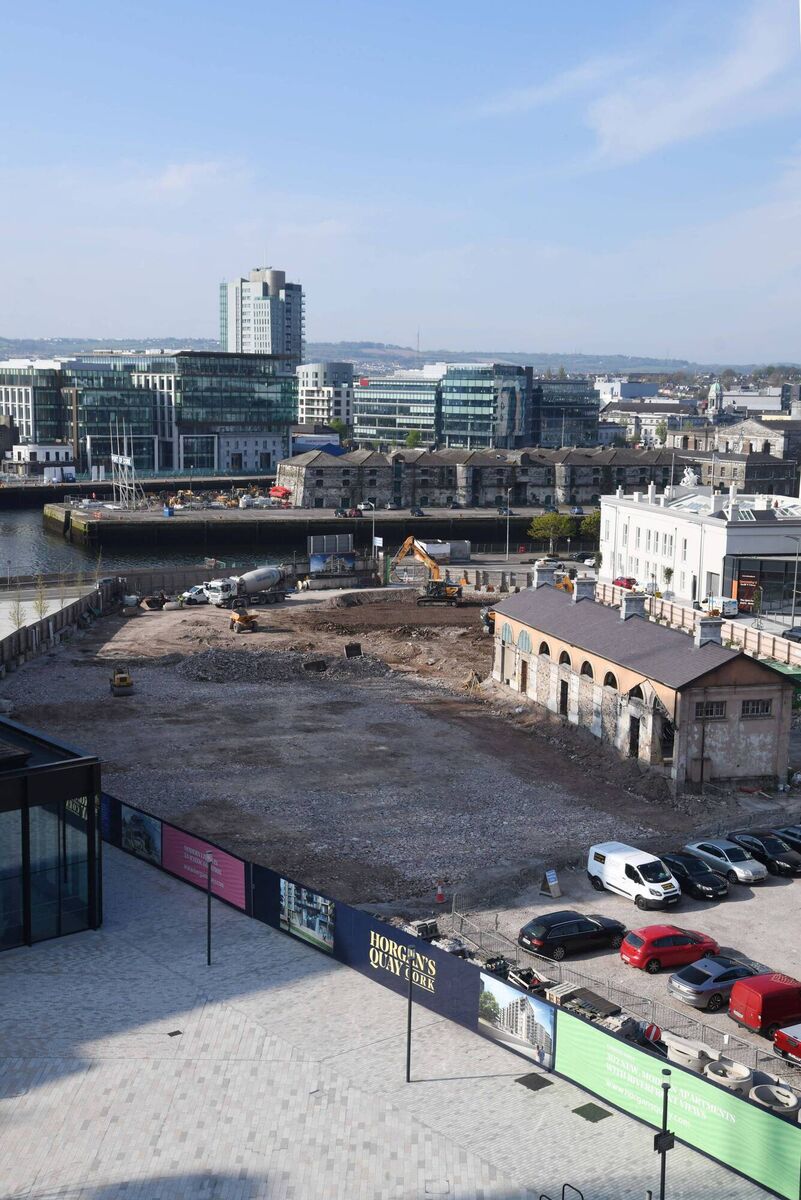
This is echoed by developers who value built heritage.
Cork-based Ronan Downing, Clarendon Properties, which has been giving a new lease of life to the Horgan’s Quay site beside Kent Railway Station, says there needs to be a different approach to the repurposing of the older built environment to make more housing available. “The repurposing of older built environment is more problematic, it is harder, the costs are higher,” he says on . “It’s doable but it is certainly a much bigger ask.
There is “a whole generation that wants to live and work in the city”, he notes.
The buildings are all there, but there is an “impasse” in getting them back in use, he adds.
“The biggest problem we have is applying modern regulations to existing buildings, buildings that have been there for over a century,” he says.
“It’s not practical and not feasible, in most regards, to get these buildings back in use, to apply modern standards — whether they are minimum site standards or fire safety standards.”
To the new generation “the idea of a three-hour commute seems like madness”, he adds.
“From a societal perspective, city centres are where we need to be focused on — there is demand for this product and stock; we just need to take a more pragmatic approach in how to get it back in use,” he says.
Conservation architect Gareth O’Callaghan acknowledges how the “glorious past” is celebrated in the castellated beams and trusses while acknowledging the new in these Cork developments: “I think this is a very sustainable new emerging urban quarter.
“We do have a lot of vacancy and dereliction in Cork city, but this shows what can be done with a bit of creativity.”
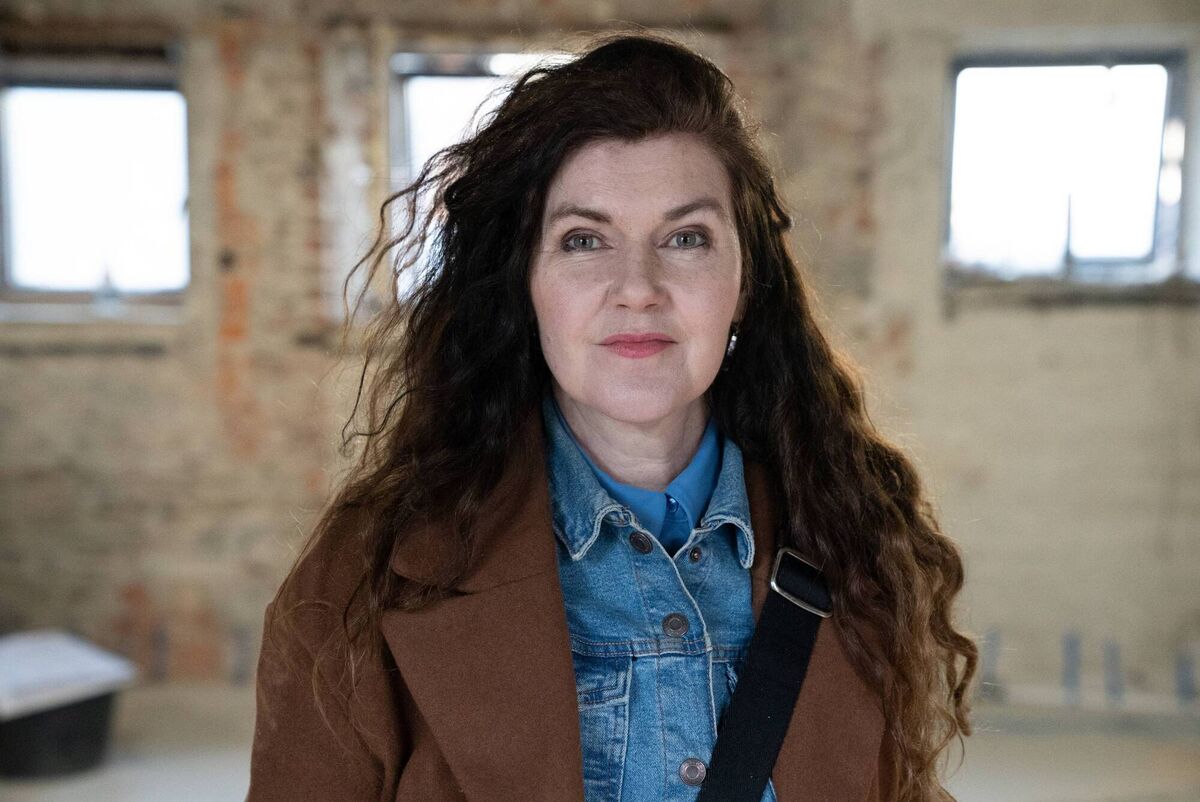
The Peter McVerry Trust and cultural organisations are vested in repurposing buildings to regenerate them to tackle homelessness and rejuvenate city and town centres to bring the arts back into our cities, adds Róisín. “So often it is the voice of big business that is heard, not that of the citizen — we seem to forget that our cities are for everyone,” she says.
Speaking of the holistic approach, she adds: “If they make the changes people like me can put their placards away.”
- ‘Róisín Murphy’s Big City Plan’ aired on RTÉ One on Thursday and is available on RTE Player
CONNECT WITH US TODAY



Be the first to know the latest news and updates