Three new interiors trends with potential for much-needed longevity
For home birds, there’s nothing like curling up with a good book and getting some interiors inspiration for spring projects
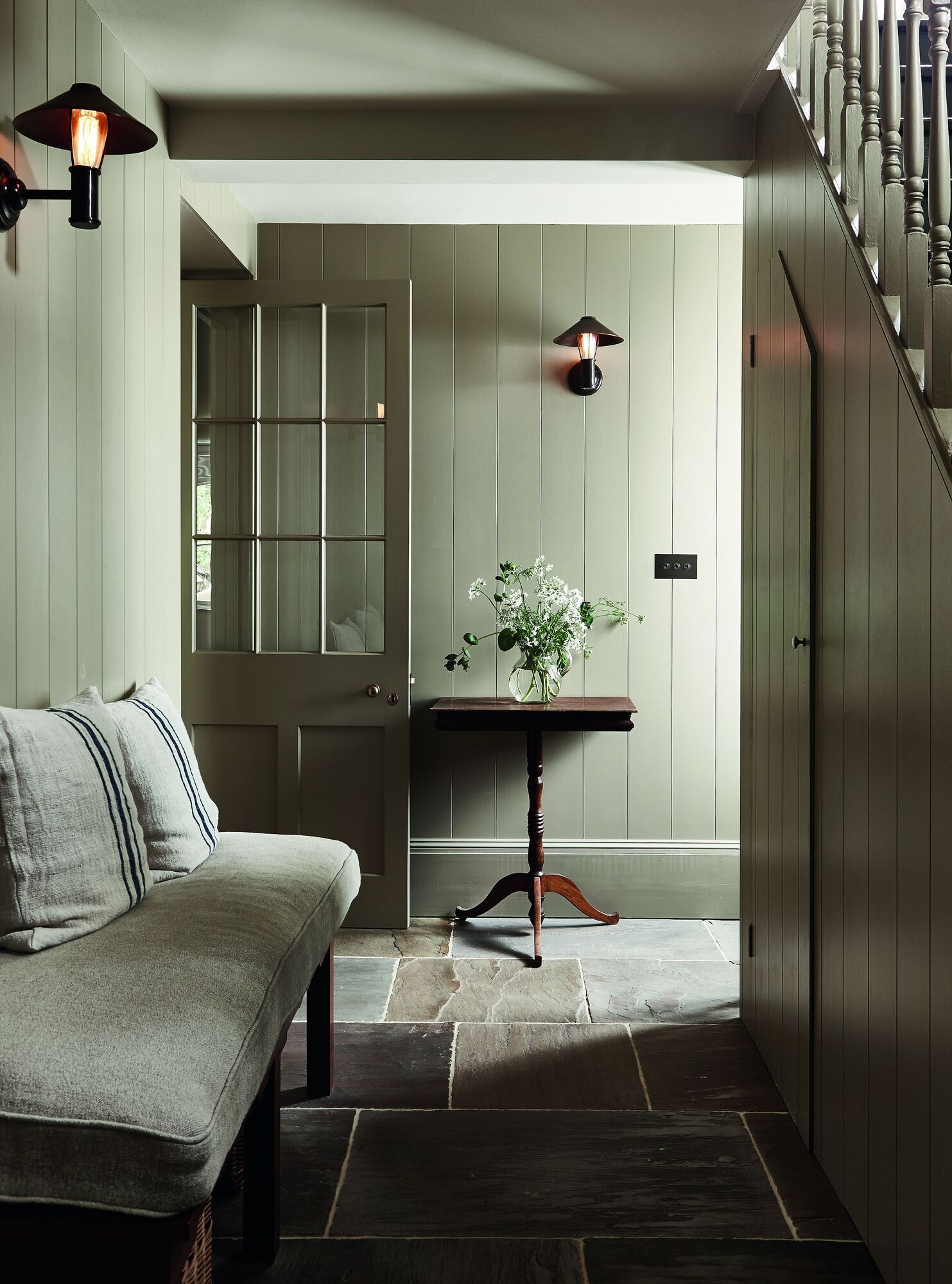
 Pre-loved furniture, heritage paint colours, with contemporary art, craft and textiles are blended to create heritage style.

Pre-loved furniture, heritage paint colours, with contemporary art, craft and textiles are blended to create heritage style.

Pandemic interiors: It’s a thing, and, so far, responsible for the evolving of home offices, the multi-functional garden room, and the shelfie trend that has given vent to our inner interiors stylist.

They’ve all flourished in the last two years and we’re not finished yet, it seems, as more pandemic-induced trends roll out.

Responding especially to our craving for cosy comfort, and embracing the cocooning effects of our home space, here comes the book nook.

It’s a little cranny in which we surround ourselves with favourite books and a comfortable chair to indulge the love of reading, without an e-reader in sight.

And it’s all the fault of Reese Witherspoon, Hollywood actor and producer, whose love of a book is the focus of her Instagram page, @reesesbookclub, where she recommends a monthly read to her 2.3m followers. She’s also the latest celebrity to wander into interiors.

Teaming up with American design platform, Havenly she’s helping bookworms create a dedicated book nook, a sort of self-care spot in the home that doesn’t involve a yoga mat or pretending to be at the spa in the surrounds of our own bathroom. We’re sick of that, right?

Book nooks are now the place to be when we’re mentally timed-out from staring at screens, and the gentle, calm pursuit of page-turning in the time-honoured fashion is balm for the soul.

In the absence of my own @reesesbookclub and Havenly-designed book nook, I’m improvising with the sofa to study three new interiors books on trends with potential for much-needed longevity.

Japandi Style: When Japanese and Scandinavian Designs Blend, by Agata and Pierre Toromanoff

First up, a date for the diary — October 6 sees the publication of Japandi Style: When Japanese and Scandinavian Designs Blend, by Agata and Pierre Toromanoff. It will be worth the wait, I promise, to learn how to create a hybrid of two classics; the characteristic functionality and hygge comfort of Scandinavian style with the elegance and wabi-sabi of Japanese design.

“Simplicity — and not minimalism — serves as a guideline for Japandi style,” says co-author Agata Toromanoff. “Simplicity of form, of materials, and of a sense of space are the three fundamental criteria. Traditional materials, such as wood, bamboo, wicker, slate, ceramic, or glass will lend a timeless aspect to the decoration and will age well. Also, nothing should encumber the space: furniture should be installed so as not to restrict movement.”

Heritage Style: A fresh take on traditional design, by Selina Lake

Last month brought us Heritage Style: A fresh take on traditional design, by Selina Lake.

This is where we get nostalgic with panelling, wallpaper, floral fabrics and heritage paint colours as a backdrop for contemporary crafts, art and the massively trending houseplant.

“The heritage look doesn’t have to be grand,” says the author.

“It can hark back to humble homes too, where craftsmanship and care were taken to build practical features into any everyday space. From doorways and built-in cupboards to window shutters, these original elements deserve to be cherished.”

It’s a look appealing to the young generation, it seems, with sustainability at its core.

Built around pre-loved furniture, handmade items and plant life, it turns away from an overwhelmingly digitised world while being nostalgic, modern and easy to live in.

The Natural Cozy Cottage: 100 styling ideas to create a warm and welcoming home, by Christiane Bellstedt Myers

This one is all about cosy feels, and cocooning away from the world, achieved with colour, textiles, decorative accessories and all-important lighting. It has something of the cottage-core trend about it but the author works this look into all sorts of interiors, including urban apartments and town houses.

And it happens to be very much the author’s personal style.

“When I was growing up in rural Canada,” she says, “my parents instilled in me the importance of being content within our home. We always had dinner together, either in the kitchen or outside if the weather was nice. Candles were always present and it really did make each meal special.”

It’s simple stuff but also has an element of abundance, known in some circles as clutter, and in others as maximalism — another new trend.

Conclusion

Each of these three books offers distinctly different styles, but they have at their core an emphasis on simple pleasures, simplicity in design, sustainability, and look to developing a home, regardless of size or age, which offers comfort, calm, and sanctuary from a troubled world based on substance over fleeting looks.

More in this section

Revoiced

Newsletter

Had a busy week? Sign up for some of the best reads from the week gone by. Selected just for you.

Cookie Policy Privacy Policy Brand Safety FAQ Help Contact Us Terms and Conditions

© Examiner Echo Group Limited