Here are the top ways you can enjoy a green Christmas
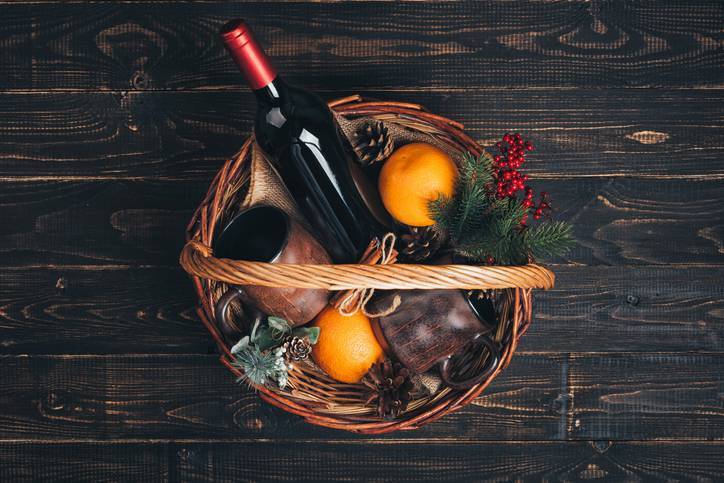
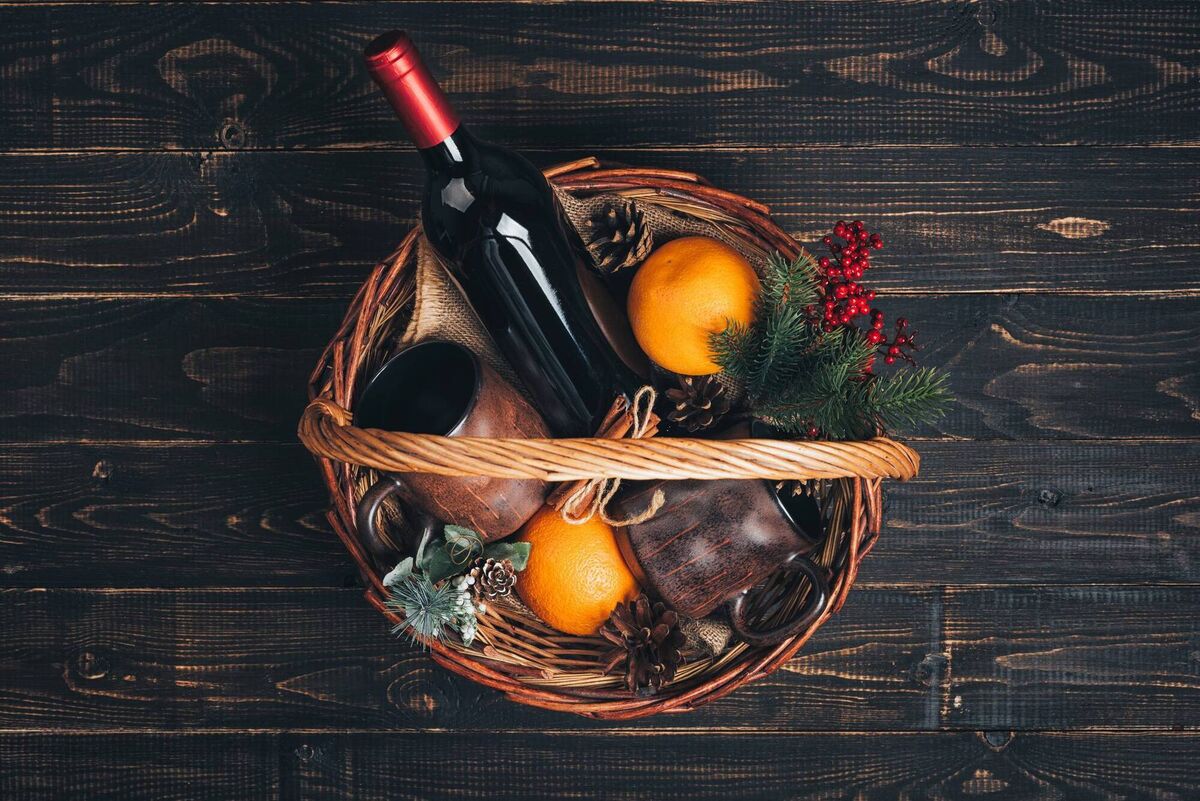
Hampers can be assembled by a supplier who will also deliver or find your own hand-made basket for a unique selection all our own. File photo: iStock
If the hysteric commercialism of Christmas is making you queasy, or you just want to sprinkle a little sustainable fairy dust on the season, here’s our guide to treading lightly on the planet right into New Year without being a wild-eyed Grinch.
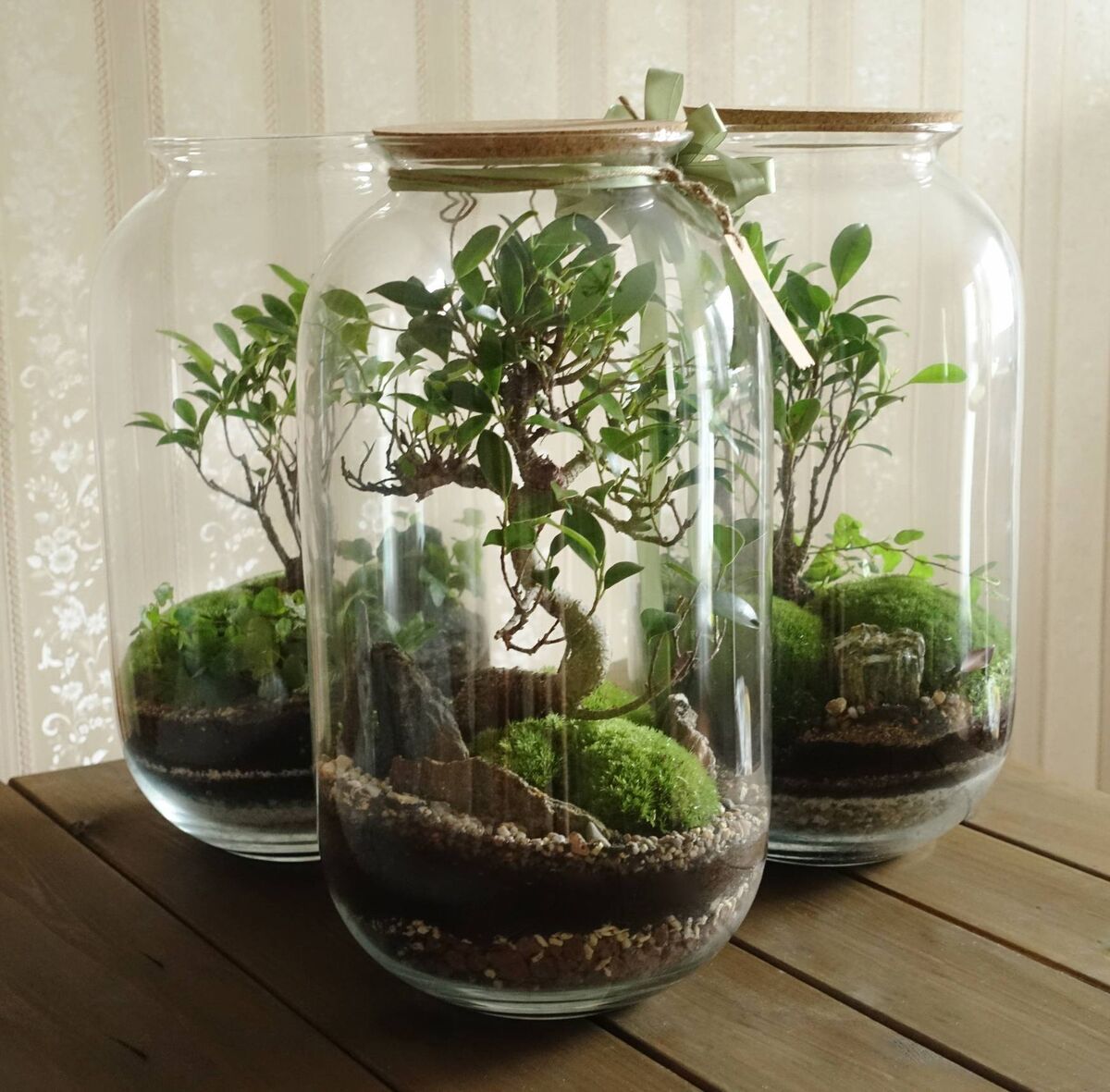
Elect things with meaning and proper purpose that will last longer than the season. Houseplants or even something for a garden, something to nourish, to flourish and grow really does outstrip a cheap, present like a paraffin wax, Christmas candle that fizzles out in a few months. For pots and creative containers, try general lifestyle stores for a breath of choice in everything from aerial globes to chunky glazed planters from €23 in store.
Practical, everyday items are far from a cop-out. Kitchenware and dining ware that will be enjoyed for years shows you know this family. Crafted pieces in honest materials are another great choice and likely to have a better record from creation to disposal than synthetic, factory-made items. Artwork (can be tricky but can work if you know the person fairly intimately, and again shows a whole deeper level of thought – and it will count. Try artclickireland.com for a choice of media suited to your budget.
CLIMATE & SUSTAINABILITY HUB
A single collectable Christmas decorations, the idea of a precious ornament marking each year, can build a store of memories to draw on, making them an ideal small gift for your outer circle. Many iconic Irish firms including Belleek, Waterford Crystal and Newbridge Silverware have stunning collections on offer including Parian harps, punched out metal sleighs and cut-glass snow-flakes.
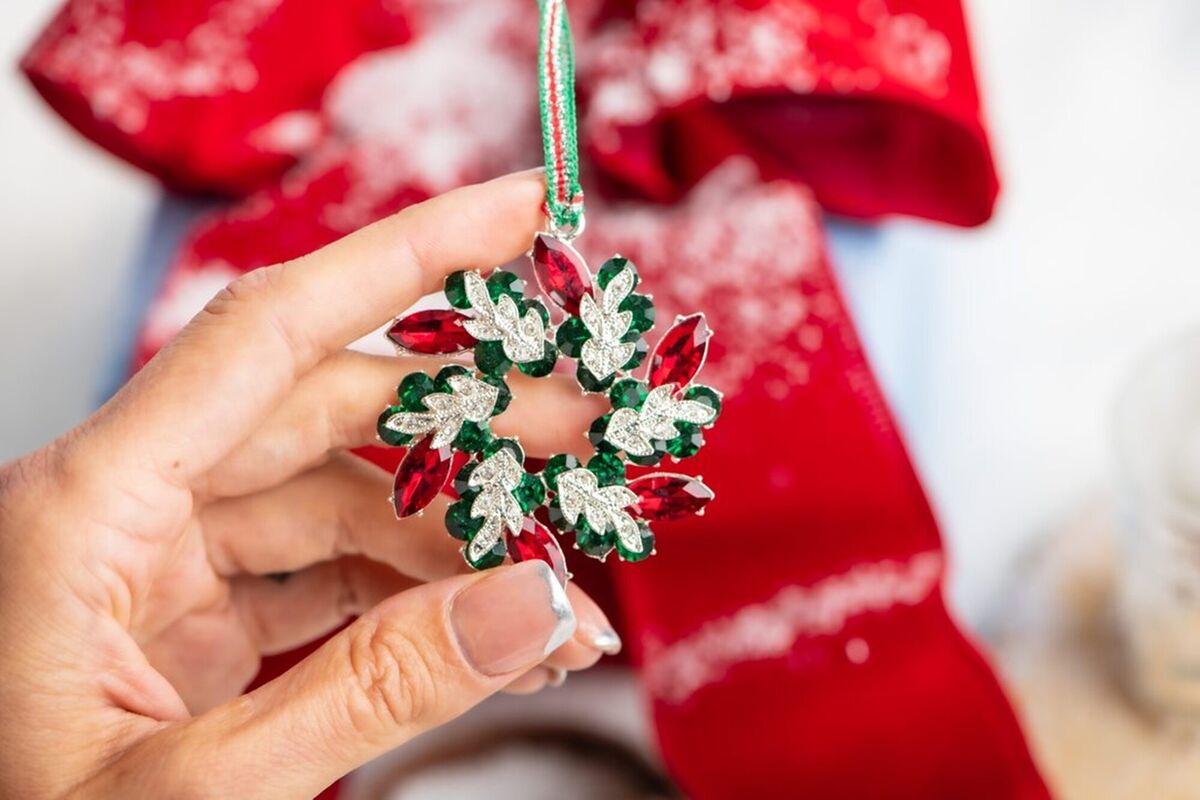
There’s a lively business on eBay in retro and vintage ornaments from the 1960s forward – just watch out for fragile glass pieces with little ones. Avoid plastics and synthetic materials in new collectable ornaments wherever possible.
A treasure trove of goodies, delivered right to their door if you fancy – who wouldn’t love a hamper? Sustainable suppliers include greengrocersdaughter.com, with boxes from €35.
Erin Hampers in Cork offer a range of delicious possibilities including gluten-free and vegan hampers from €57, erinhampers.com.
Barry Collins, tailored hampers include Cork specific goodies including Barry’s Tea, Murphy’s Stout, Kinsale Pale Ale, plus gourmet chocolate from award-winning chocolatiers, Milsean and O’Conaill, €50, tailoredhampers.com.
All suppliers offer alcohol free choices too. You could also buy a lovely hand-made Irish basket and make up your own. Source local Farmer’s market foodstuffs (fruit and veg, bread, pastries, cheese, meats, beers and much more) in a few clicks and have a basket assembled for you to collect. Just check out with neighbourfood.ie online.
How long something takes to get to the shelves influences its carbon emission burden – at the very least, we could try to buy Irish where possible. In the worst cases the seasonal shipment comes from factories overseas that may not have a good record in terms of worker protections and pay. Blinded by the flash and panic of Christmas, we often blithely skim over these crucial socio-political issues.
By choosing Irish-made or grown products in your area you are helping to promote a sustainable, circular economy. Farmer’s markets, independent retailers, galleries and makers can all provide unique gift possibilities that will not only fill the table on the great day but fatten the treasure under the tree. Try goodfoodireland.ie, another great index for local makers and producers of fantastic Munster edibles.
For designers, crafters and stores by county go to the directory of the Design & Craft Council of Ireland at dccoi.ie. Gift brackets from under €25.
The petro-chemical burden of Christmas decorations is far from ornamental. The tons of tinsel, lametta and light strings are really out there in response to the fact that we are all kids at Christmas time. Delayed gratification and planning goes up the chimney. A resin reindeer is not a reindeer it’s a lump of synthetic plastic.
Recycle what you already have, and try to pick up new pieces in recycled and/or biodegradable materials that can go into the compost or recycle bin when completely worn out. When the tree comes down, harvest the lametta strands and tie them up in hanks, ready to go next November.
If the faux door wreath is looking shook – perk it up with springs of garden cuttings and LED strand lighting. Find things that won’t shed and fall to bits. Be mindful about the process rather than adding a bling, environmentally contaminating shrub to the shopping trolley.
Making decorations is a fertile area for bonding. Few of us think back and say “Gosh, I really hated it when Dad made those paper strings with us every year in November – what a blimin’ bore!” Check out Pinterest and Instagram for thousands of ideas using household materials, and found items from the woodland and garden to fashion nostalgic, unique pieces for all over the house.
Here, we’re creating not only memories but patterns of behaviour, children may well carry forward to their own families. Don’t discount the idea of making something in the form of a gift or decorative piece for a friend or family member. Jam, preserves, wreaths, baking (kids can make biscuits and sweets) – touching presents from your family to theirs.
Avoid store-bought crackers with plastic pieces. Suppliers of Eco-crackers include firtree.ie, €25 for 12. Make your own cards, or better still – send an E-card
Now threatening the family turkey or ham gets many people into a complete uproar, but the reality is we can all cut back on the amount of red and processed meats we consume without kiboshing the Christmas feast. According to Bord Bia, 29% of all adult meals include red meat, although chicken follows closely behind at 21%, with the incidence of fish within all meals at just 7%.
One approach is to widen our palette this year, and to buy from small-scale, free-range producers rather than going instantly to the supermarket for every sausage and bird. Generally, a high percentage of these animals are home killed by a dedicated producer managing them hands-on every-day.
We can all respect the decision to remain meat eaters by buying mindfully and not wasting anything of the meat we buy. Learn more about what true “free range” actually means in terms of animal welfare rather than scooping up green packaging. Stalk the producer.
Look for outdoor pasturing practises championed at Skeaghanore West Cork Duck, with the game from Ballinwillin in Mitchelstown and turkeys raised by East Ferry Farms.
With Irish households wasting up to 30% of the foodstuffs we buy, it’s time to clear the freezer and get online. Discover recipes and techniques to mop up the turkey, ham, and other Christmas foodstuffs that build up under foil on plates in the fridge.
If you don’t have room in the freezer, now is the hour. Ensure your boxes and bags are ready for everything from small dollops of stock to potato cakes and more.
Irish chefs are especially adept at dealing with the dilemma of left-overs in days after the 25th. I nearly went through the screen of this PC at the prospect of Donal Skehan’s Brunch Waffles, heaving with slivers of ham and cheese, topped with poached egg and a delicious hollandaise sauce, donalskehan.com.
Where you can’t save those peelings – choose full compostable bags to conduct the waste to the compost heap or your brown bin, including BioBags and GreenSax, 10 x 13l for around €3.50. The new food sharing app Olio, launched in Ireland last month, connects neighbours to give away unwanted food and other items that may otherwise end up in landfill. To find out more, go to: olioex.com

CONNECT WITH US TODAY



Be the first to know the latest news and updates