Experts share the old-fashioned cleaning hacks that work
Modern science means we have the best chemical cleaners research can offer to virtually wipe out dust, dirt and bacteria in our homes. But does that mean the old-fashioned cleaning hacks our grandmas used to swear by are now useless?
Absolutely not, say many of today’s most popular cleaning experts and influencers.
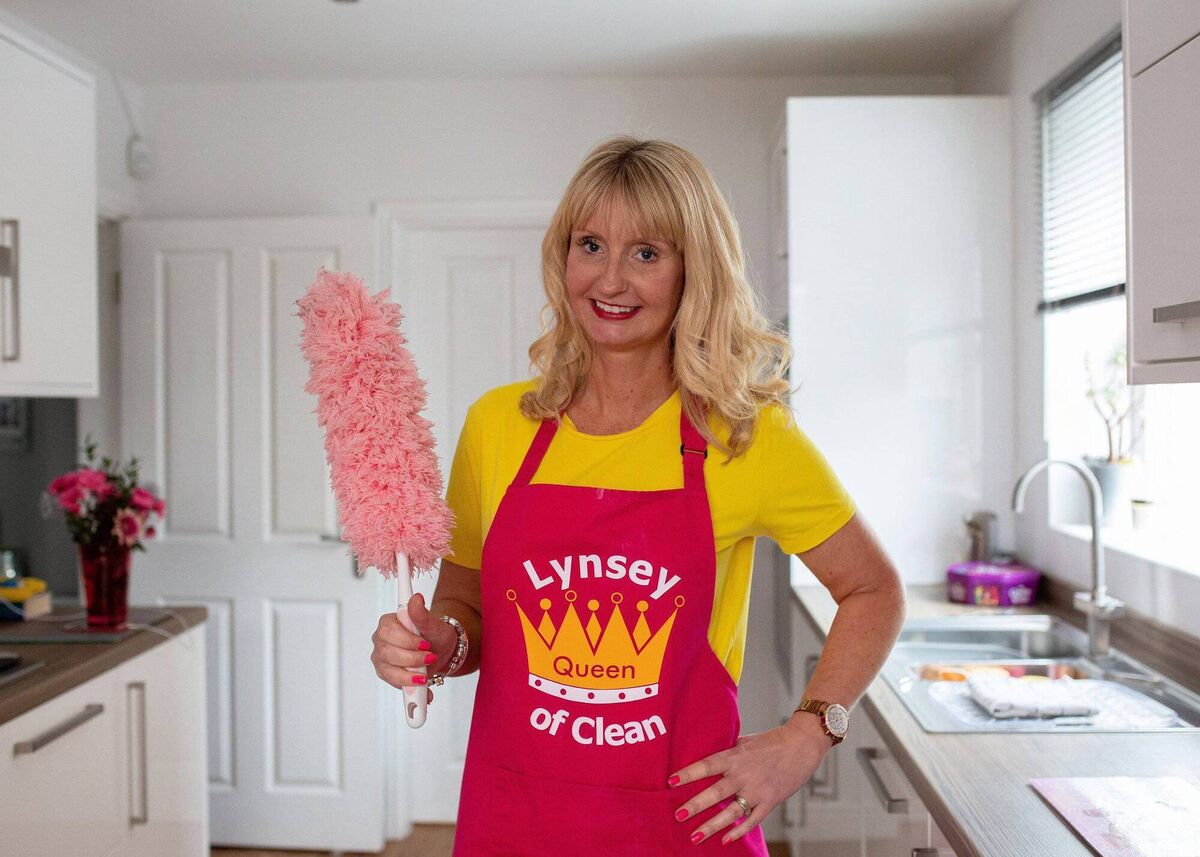
“These days, we’re truly spoilt when it comes to cleaning,” says TV’s Queen of Clean Lynsey Crombie (@lynsey_queenofclean).
“We have so many product choices when we hit the supermarkets, but it hasn’t always been like this. I love to experiment with the old methods, and find cleaning with lemons, bicarbonate of soda and white vinegar are just as good as some products you can buy. Our kitchen cupboards are full of products that will clean up our homes.”
And Nicola Lewis, who runs the professional tidying and decluttering service This Girl Can Organise (instagram.com/thisgirlcanorganise), stresses: “I love to use old-fashioned cleaning methods – I was shown them by my mum and nan. They’re cheap to make, most of the ingredients are in your kitchen cupboards, they’re chemical-free and, best of all, they’re safe for our families and our planet. ”
Here Crombie, Lewis and Suzanne Waring, who runs cleaning company The Helping Hands Group (thehelpinghandsgroup.co.uk) share their favourite old-fashioned, natural cleaning hacks…
Crombie, author of (published by Welbeck, priced £14.99), says stale bread can be used to clean wallpaper. “A downwards motion will pull off any dust and stick to the bread,” she explains.
In the past, black tea was used to clean mirrors, says Crombie. “The tannic acid does the work and creates a lovely shine,” she says.
Crombie notes the old-fashioned way of getting rid of hard-to-shift grease stains was to use a mixture of salt and lime. “Salt acts as an abrasive for gunk and grime,” she explains, “and lime breaks down smells.”
Before shop-bought polish was available, past generations used a mixture of linseed oil, lemon juice and vinegar as an effective furniture polish, says Crombie.
Before householders enjoyed the ‘luxury’ of Fairy Liquid, soda crystals were used to do the washing up, Crombie points out. Soda crystals mixed with warm water were also used to wash the floor, she says.
Waring says cucumber skins are useful for removing marks. “So, next time your child gets overly excited with their crayons, more often than not on the walls, just reach for the cucumber skin, rub it over the mark and it’ll be wiped clean in no time.

“I was taught to clean and cook by my grandma at a really young age and it’s never let me down since. The methods may be traditional, but they work, and are cheaper than using supermarket products, so why change anything? It’s surprising how many traditional hacks perform better than modern techniques – if it was good enough for my grandma, it’s good enough for me!”
Onions can be pretty handy for cleaning as well as cooking, promises Waring, who explains they contain enzymes which, when combined with oxygen, turn into sulphuric acid. “Sulphuric acid is a non-toxic substance and works wonders to tackle stubborn or even burnt-on grime,” she explains.
“So whether that’s for a stubborn stain on a work surface, a dish that refused to get clean in the dishwasher, or stuck-on grime in the bottom of an oven, slice your onion in half and use the cut side as your perfect cleaning product, at a fraction of the price of cleaning solutions.”
Waring says the oxalic acid contained in potatoes is a natural alternative to the harsh chemicals found in shop-bought cleaning products, but is just as effective if used with bicarbonate of soda. “When combined, they help to dissolve the rust by loosening the hydrated iron oxides found in it,” she explains. “So, don’t ditch the old knives if they’ve developed a bit of rust, just get your potatoes out!”
Although perhaps not as old-fashioned as many traditional cleaning hacks, Waring says tomato ketchup – which has been around since the early 19th century – can be used as a metal cleaner, and is effective for brightening up small patches of rust, or tarnished metal such as silver, copper or brass.

“Dollop the sauce over the rust or tarnished area, let it work its magic for 30 minutes or so, and then rub off with a cloth and rinse,” she says.
“Tomato ketchup really is a surprisingly effective cleaning agent, thanks to the acetic acid content it gets from the vinegar used in the recipe. Cheap, effective and above all, it’s an eco-friendly cleaning tip.”
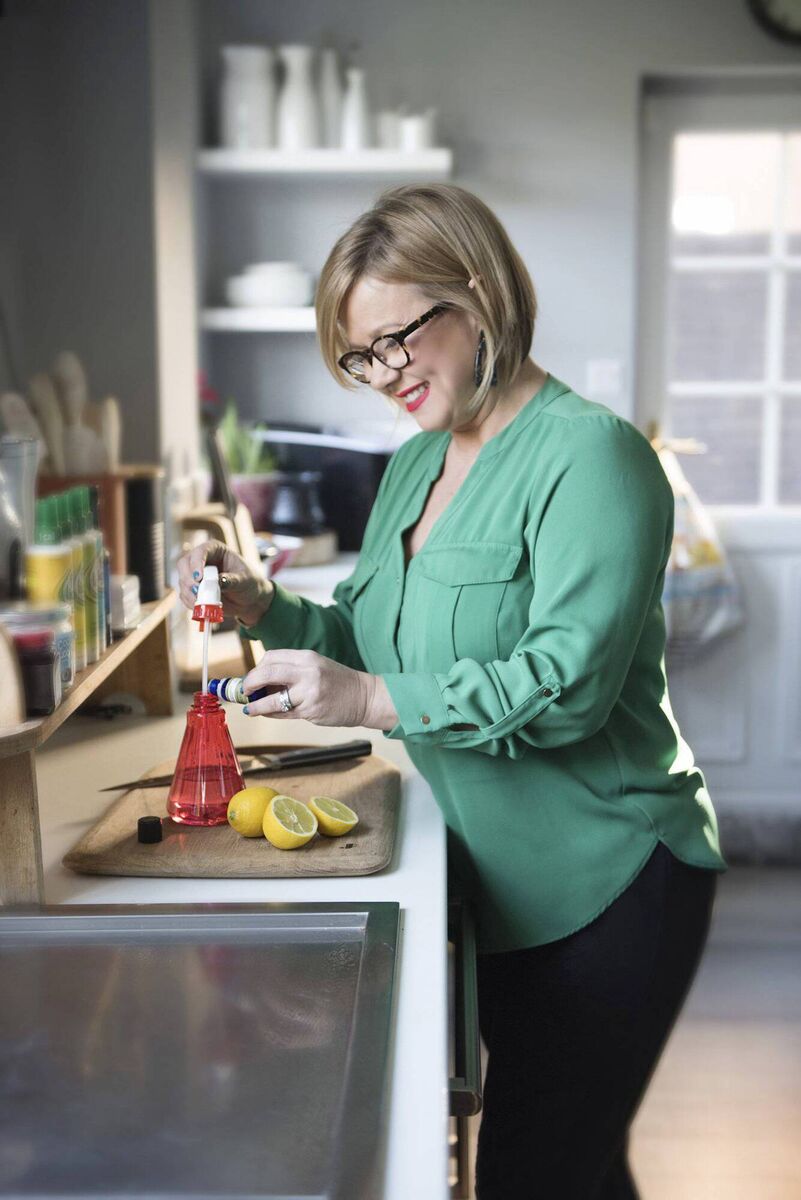
A lemon cut in half and rubbed into limescale will remove hard water stains, says Waring. “Whether that’s around your kitchen sink, taps or even in the shower, this citrus fruit is a one stop wonder! And it smells nice too, so can also be a great odour remover when left in the fridge.”
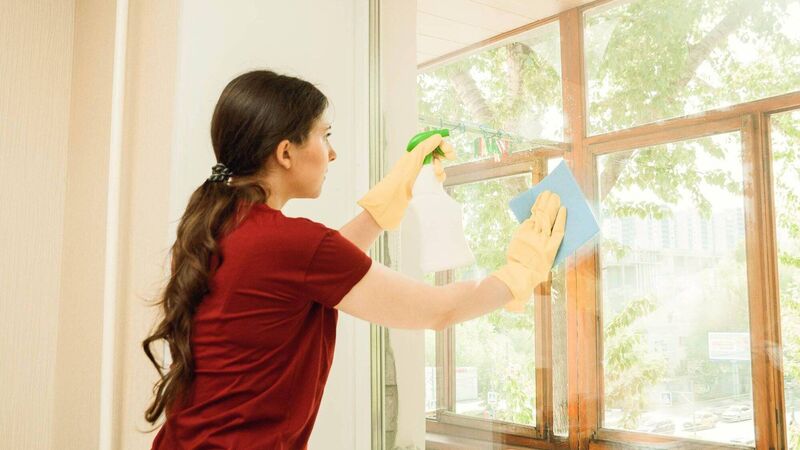
Lewis suggests using a mixture of 100ml white vinegar, 200ml cooled boiled water and 15 drops of peppermint, citrus or lavender essential oil to clean windows. Just put the ingredients into an old, clean spray bottle and shake it well before spraying onto windows and wiping off. “My nan used this for cleaning her windows,” she says, “along with some crumpled up newspaper, which works a treat.”
If newspaper is used, it needs to be black and white and not colour print, she stresses, and the hack shouldn’t be used when the sun’s shining on the windows and they’re warm, as streaks will show when the window dries.
If your cups and mugs are stained inside by tea and coffee, Lewis, author of (published by HarperNonFiction, priced £9.99), says using a sponge soaked in white vinegar should get rid of the stains.
Instead of the modern foul-smelling oven cleaners, our grandmas used to keep their ovens sparkling by using a mixture of bicarbonate of soda and water. Lewis says you simply coat the oven with the bicarb, then spray it with water until the powder’s damp.
Leave the bicarb to do its work for a couple of hours, continuing to spray it if the powder becomes dry. Remove the bicarb and rinse the inside of the oven with warm water. “Hey presto! A shiny oven,” she says.


CONNECT WITH US TODAY



Be the first to know the latest news and updates