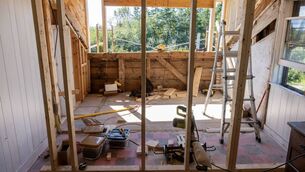
Create the perfect patio or courtyard in your outdoor space
This summer it’s all about building or renovating patios. Here's what you need to know for your hard-landscaping project
Create the perfect patio or courtyard in your outdoor space

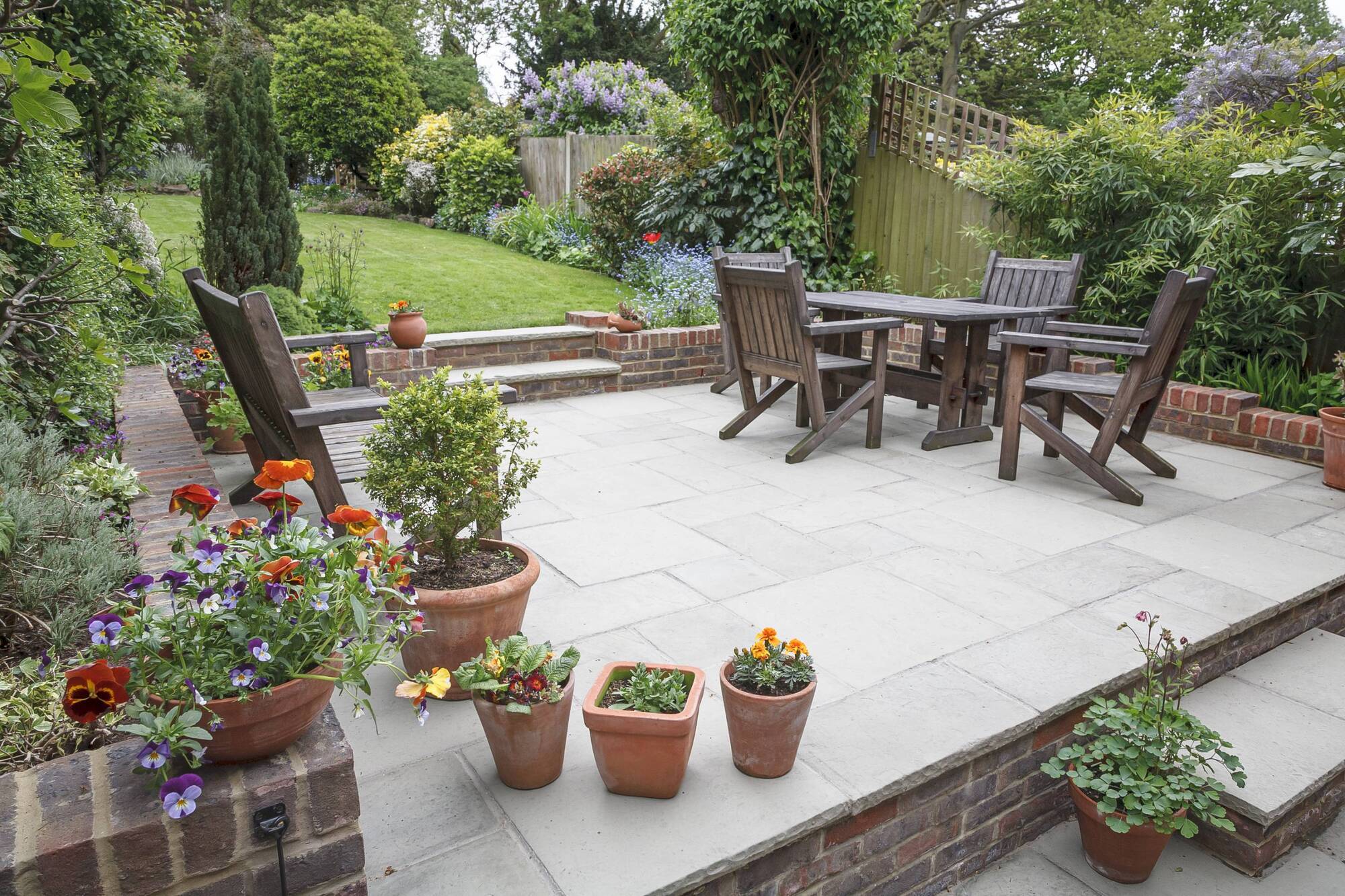
Low retaining walls, limestone pavers and aged red brick, a no-fuss terrace that turns a sloping garden into a versatile, zoned patio garden suited to sitting, BBQs and more. Going down the garden with one or more seating areas, brings you deeper into the whole landscape.

One of the exquisite tensions in our gardens is hard and soft surfacing. Patios, paths, secondary courtyards, horticultural inclined walling, their surrounding features and planting offer visual focus and entertainment stages. 

Abridging the house, well-designed, dry, level going serves as a characterful overture and front-row seat to the garden.

There’s a sliding scale between an almost completely “hard” tamed landscape tailored in precision-cut slab, and softer sylvan surroundings girdling some sartorial hard going. Though not “warm” space, patios extend the perceived footprint of the house, making them a great investment.
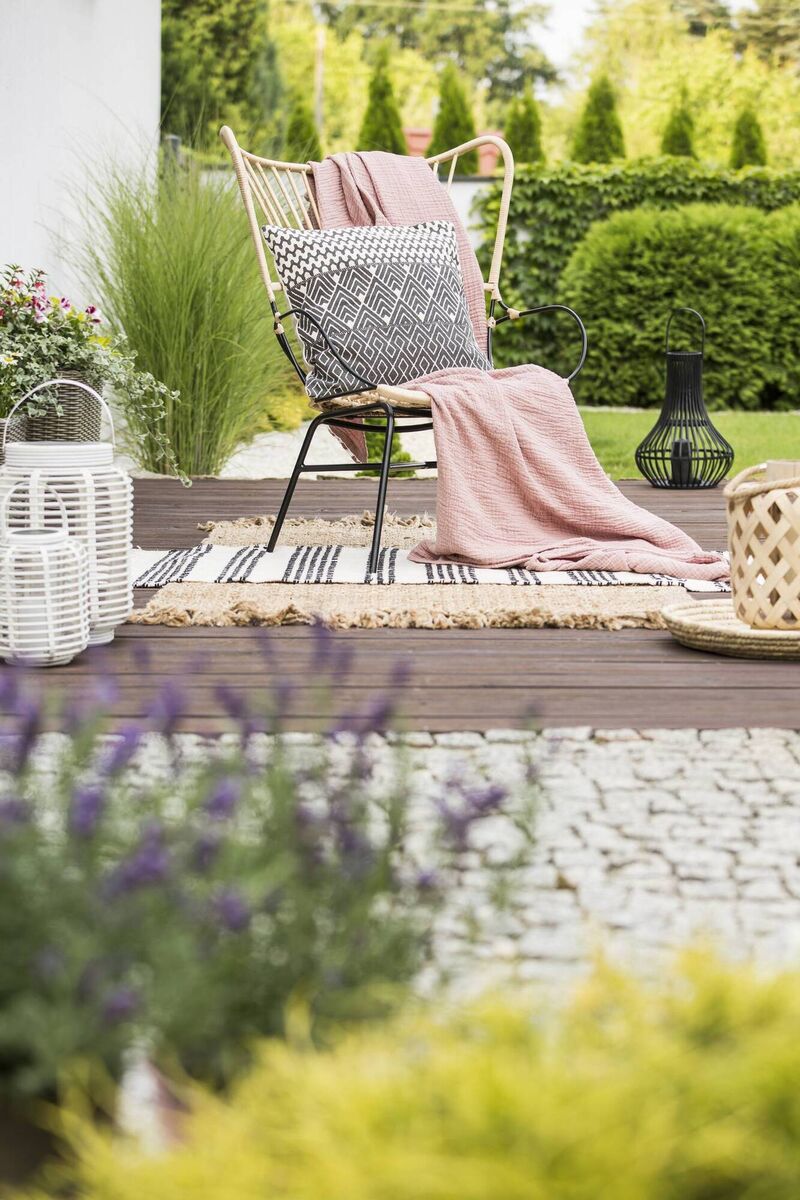
Granite block setts, decking and gravel paths create a gentle, bohemian patio frothing in container planting in a simple one-level open patio that could be tackled by a weekend warrior for an area by the house our out in the garden.

Aim to take a polite bow to the existing character and extant materials of your home, including its era, style and any local stone colours. 

It’s possible to use contemporary porcelain tiling successfully outside a Georgian house, but it should be tenderly handled. 

Tumbled, aged materials may simply be more in keeping. Startling aesthetic contrast can be highly disconcerting with the patio and house such close companions.

The orientation of your house together with privacy considerations should determine just where the patio should be, and what size and shape will most effectively catch as much of that late morning to early evening warmth.
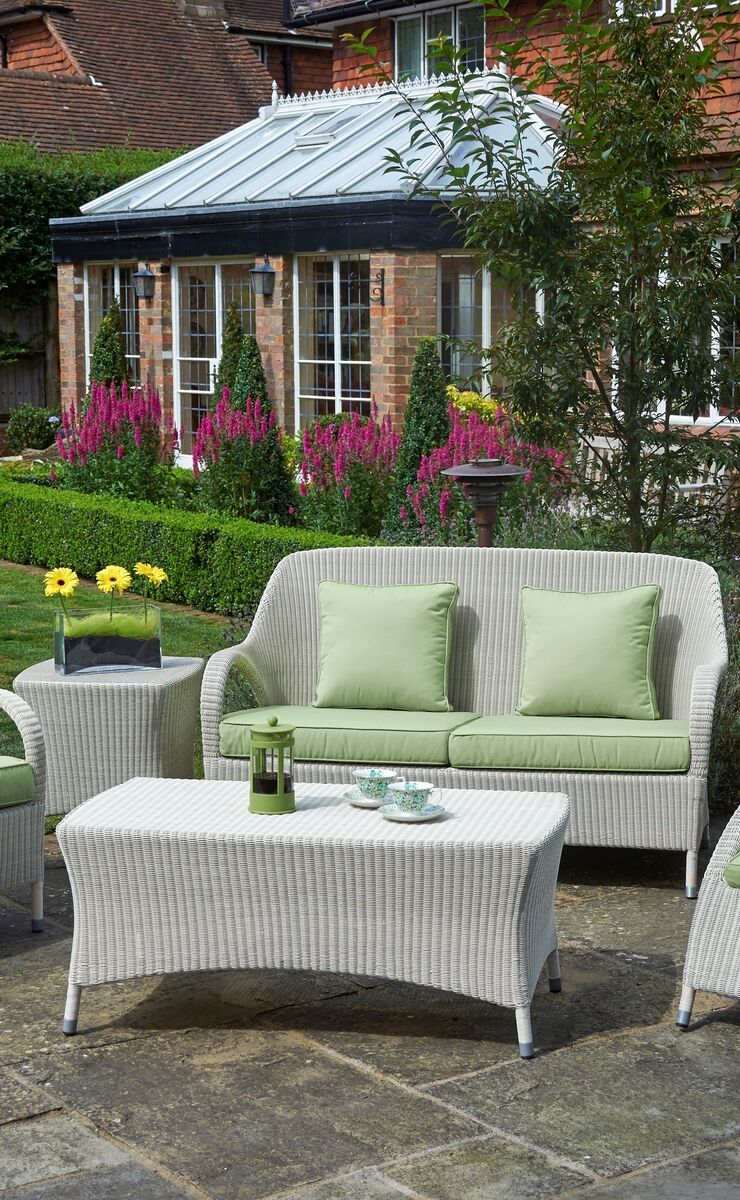
The flagstones chosen for this classic country house patio compliment the red brick skin of the period home without effort. Startling aesthetic contrast can be highly disconcerting with the patio and house such close companions. Picture: Brigman

Where you have no choice but to use the front, roadside fencing, planting and high container specimens can screen your summer frolics. 

Consider more than one patio to plot the path of the sun, one by the house with a sheltered, sturdy path leading to another west-facing area set out in the garden.

Large patios can also be split up and zoned.

The correct drainage will prevent rain-water pooling on new impermeable surfaces. We can rake the patio to invite the water away from the house walls, introduce soft-planted joints where water can leach away and/or including dedicated drainage as part of your rainwater system.

A patio must be at least 150mm below your house DPC and slope away from walls or fence by about 25mm over 1.5m.

Introducing a dwarf walled pergola can help site outdoor lighting, but be wary of pinching the space shut unless it’s adequately generous.

The honesty of native stone is a soul strumming vernacular. 

One dominant tone from the lichen blooming on your limestone piers can lead into the colourway of your new hard landscaping. Slop a little water on potential paving to see its look when wet (spoiler alert, it might rain sometime).

Joining Irish limestone and granite in a range of textures and scale, Indian sandstone and sawn black basalt are just some of the iconic choices that will last the lifetime of the house.

Budget to potentially double their price to have these beauties laid professionally (the ground preparation work will be intense to prevent wobbling stones and lippage). From €50 per sq m-€120 per sq m installed to a prepared base.

Together with the more commonplace slabs, setts and slate pavers (from €35 –€60 per sq m ex installation), indoor/outdoor tiling is favoured by architects to throw flooring (visually) through glazed doors uninterrupted to the deck, veranda or garden — inflating the flair of open-plan, light-saturated rooms (from €35 per metre ex installation).

A reasonable patio to take a table for four would extend to around 3m by 3m and prices for aggregate materials start at €50 sq m installed (sans the design and without lighting or other Gucci detailing). It’s up to you whether you prefer one material or a more interesting, complementary selection — avoiding a car-park uniformity. Try concrete paving stones mixed back through traditional brick for raised beds and paths, a proven palette with greenery.

Concrete products start in the area of just €10 per sq m ex installation, an affordable choice where you can put in some muscle, hire in a mixer and have a go.

Mixing up size and scale, the results even with inexpensive pavers can be impressive. Conglomerates and synthetic materials (PVC decking boards for example) should be rated for their UV performance and through colour. Will that faux golden sandstone bleach over a decade? Riven finishes can also wear with hard use. Damp paving must have enough “key” to be safe to walk on.

Think of the weight and complexity of the materials you’re considering. Reclaimed architectural materials create more wastage, can be off-standard, vary in depth, and may require cutting with a diamond edge. Brick, because of the number of pieces required to form surfacing, can be difficult to maintain just laid into sand. Lighter buff choices in new paving bricks that lock together can bounce light around a duller, darker aspect. Bricks come in at €0.80-€1.20 per brick ex installation bought in by the 400 or 500 pack.

Vitrified porcelain in a thick baked tile coloured-through is immensely strong, frost-proof and completely fade-resistant. For a concrete base, choose 600mmby 400mm tiles or larger, 20mm thick at least, and use tile grouting in a matching colour.

Rectifying these exterior porcelains with closely meeting seams? Tricky.

Dedicated pedestal supports can accommodate lighting and drainage insets. Prices start at €35 for 600mm square tiles ex. installation. Pale greys and quartz styles are currently the rage.

Take advice and read voraciously. If you’re determined to contribute sweat equity, proceed in measured stages.

Any good DIY landscape gardening website, YouTube or book can outline the basics demanded of a small, uncomplicated hard seating area. Still, there’s an important skill set needed around cement for example. Holey home-knitted jumpers are one thing. I don’t want a patio or deck that looks like it was made by me. Brutally assess if you’re physically up to lifting sod and compacting a stone base.
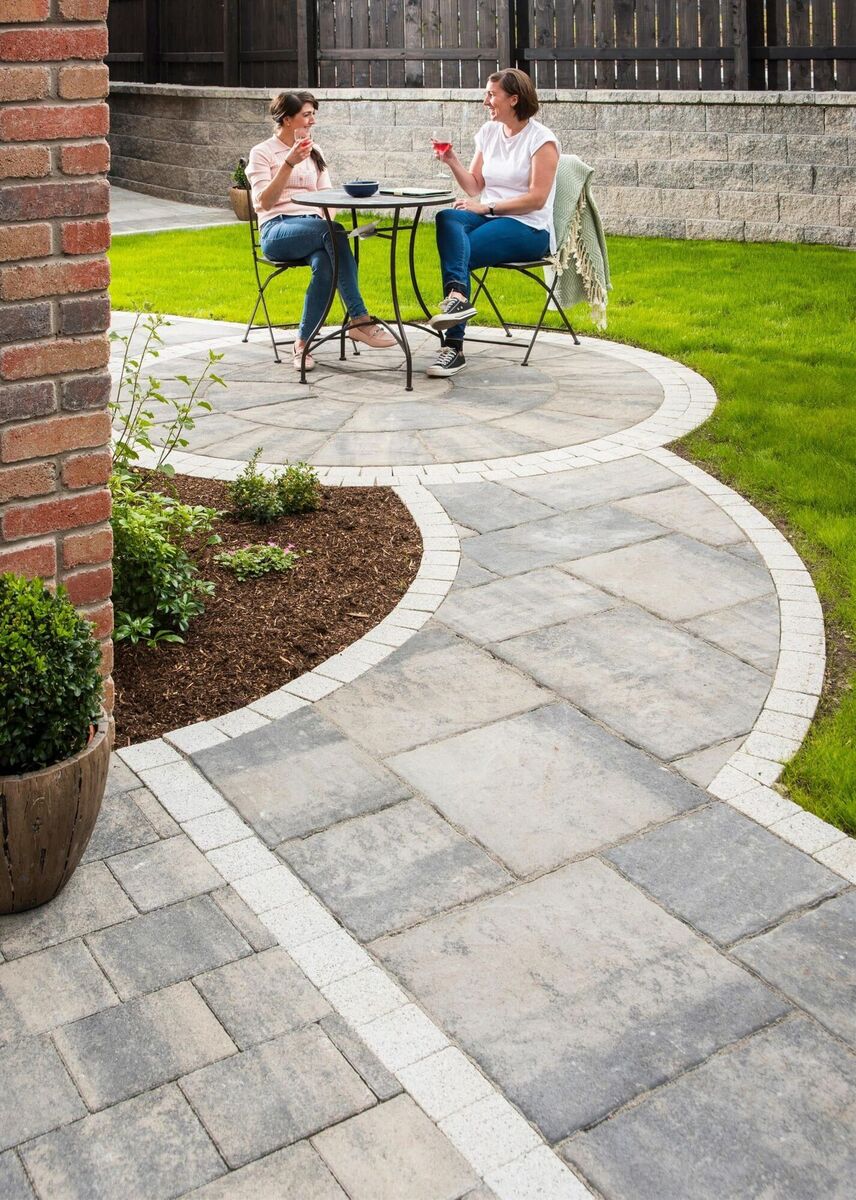

A true creative will work with the most demanding garden, using hard landscaping positions to lead you deeper into your garden. Picture: Tombermore mortar free Secura Lite, tobermore.co.uk for stockists

For larger, complex projects you and/or your installation team may be working from the drawings of a dedicated landscape designer. This could demand 15%-20% of your budget (generally subtracted from the invoice if they are doing the landscaping too). So much is creatively possible. Retaining walls, planted walls, sunken patios, multi-level zones and clever softening of the edges of hard surfacing with organic curves.

Don’t expect a general building contractor to have the horticultural knowledge of a landscaper. If the designer does not offer landscaping, tender two to three reputable landscaping firms and insist on seeing at least recent photographs of patios they have completed.

With a signed contract flanked by starting and projected completion times, you have some measure of protection if things go cobbles up.

Direct labour paid for by the day can quickly run out of control. Stop/start is typical for any outdoor endeavour in Ireland. However, that’s not a light misting rain.

Reputable contractors can work to a reasonable budget, suggesting materials, scales and solutions for even a quiz of a garden.

If you’re introducing extensive drainage, extending services and/or using unusual materials, get the finished price (installed) before dancing your name onto the contract.

Tearing anything out? Get the removal costs on paper, pricing all individual jobs.

Changes after the work has started? Irritating to your trades and expensive. Provisional costings are needed to cover the unexpected once in the ground. Natural stone can be tricky even in veteran hands. Expect to pay for 10% more than you need in flags, slabs, brick or block.

How’s the access on a normal day? If you’re blocking the avenue or likely to make a racket, it’s courteous to warn immediate neighbours. Promise them a succulent steak BBQ come July.

Going fully or partially DIY, paving packs in sets of individual flags and cobbling take the terror out of complex circles, insets and squaring surrounding features and statuary. 

Standard, tumbled or antiqued, and composed into basket-weave and herringbone, they mix up nicely with contained gravel, concrete and slab paths, and flow beautifully down through borders. Keep amateur attempts at dry or mortared walling low, a raised bed a few bricks high. Ensure you understand the foundation needed for the load and be obsessive with levels.

More in this section

Revoiced

Newsletter

Sign up to the best reads of the week from irishexaminer.com selected just for you.

Cookie Policy Privacy Policy Brand Safety FAQ Help Contact Us Terms and Conditions

© Examiner Echo Group Limited