Islands of Ireland: A Déise sea Gull worth its salt
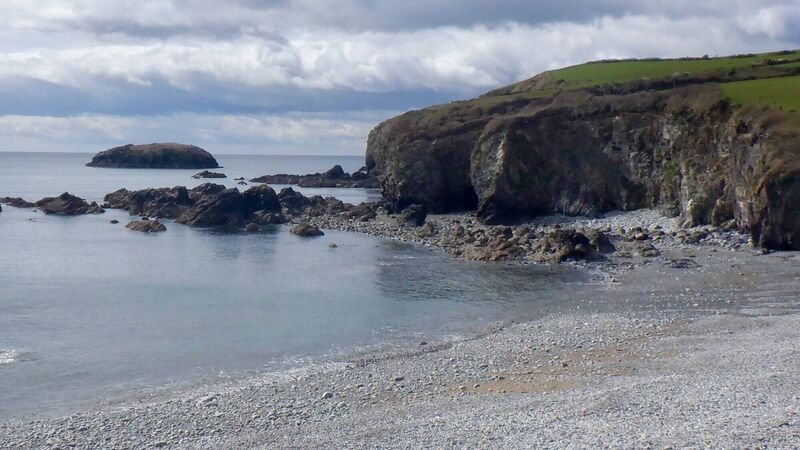
The island is popular as a jumping-off point for swimmers in the summer and is a focal point for kayakers heading out from Ballyvooney Beach
Islands of Ireland: A Déise sea Gull worth its salt

Gull Island, Stradbally, Co Waterford. Picture: Dan MacCarthy

WATERFORD’S impossibly beautiful coastline possesses a richness of features to keep a geologist happy for many a long day. The Copper Coast stretches from the western end at Ballyvoile Beach near Stradbally to Kilfarassy Beach near Fenor in the east. The rocks date from the Ordovician age around 460m years ago and reveal huge folds from the tectonic forces that moulded them.

The coast has hidden beaches accessible only from the sea, huge rock arches and inviting cave tunnels. It has sea stacks of manifold shapes: some leaning back to the shoreline, having been separated by erosion, others standing tall and aloof as if declaring their independence.

Dan McCarthy: 'There are a few other gull islands In Ireland, not on the coast curiously, but on lakes.'

Perhaps most dramatic are its narrow vertical sea stacks, like chimneys or obelisks rising from the sea. Some have names such as Lot’s Wife, and others nameless in their geologic indifference to the habits of mankind.

There are several nominal islands between Stradbally and Bunmahon. St John’s Island and Shag Island are definitely islands but Slippery Island and Joy’s Island are most definitely not. The word “island” appears in several places along the coast here: some of these are not islands at all but townlands: Island and Islandhubbock to name two.

Gull Island (Oileán na bhFaoileann) lies just off the beach at Ballyvooney Cove just outside the village of Stradbally. It is also known as Gull Island South to differentiate it from Gull Island North further along the coast near Bunmahon. There are a few other gull islands In Ireland, not on the coast curiously, but on lakes.

On first appearance this 15m high island is a uniform block, but on closer inspection it reveals a more interesting physiognomy. A cloak of green seaweed covers part of its northern face as it thrives on bird excrement. Cormorants dominate the northern side while gulls prefer the southern side.

The island is pretty bare of vegetation except for some dark green plants which appear to flourish among the fertilised soil. The same plant is evident on top of the other stacks in fact.

The island is popular as a jumping off point for swimmers in the summer and is a focal point for kayakers heading out from Ballyvooney Beach. The area attracts many kayakers when the weather is benign. Craig Keyworth of Copper Coast Kayaking describes the coast here as offering world class kayaking. It is hard to disagree with him.

Craig also relates the story of a German man who camped on Gull Island for a period in the 1990s with the intention of living there for a full year. The island has virtually zero protection against a storm. He didn’t last the full year.

Gull dung has long been used as fertiliser in Ireland and an island such as this one, close to shore, and attractive to birds, was an irresistible source. In a testimony to the folklore collection of Dúchas as recorded by a Mrs Begley in 1936, one local described the process of gathering gull dung for use as fertiliser on farms.

“Gulls used to alight on this rock and build their nests on its summit, although it is not very high. So it was like the home of the gulls.”

The name of the island goes back to at least 1837 so it is probable that the practice was ongoing from then if not before.

“In the time of the war [World War I] when manure was very scarce, people who had no manure of their own and could not afford to buy any, got boats and got the manure off the island to manure the land for them. They drew a lot of it in from the rock in this manner. But it proved a failure because it was no good for fertilising the land. When they got the other manure they did not draw it any more.” So the practice died out with the advent of commercially available fertiliser. This in turn, would have lead to an increase in gull and cormorant numbers as they were less disturbed.

On a recent excursion by this columnist to these cliffs, an inquisitive otter was the only company, popping his head out of the water as if to ask what did I think I was doing in his realm.

  • How to get there: www.facebook.com/CopperCoastKayaking
  • Other: coppercoastgeopark.com; duchas.ie

x

More in this section

Revoiced

Newsletter

Sign up to the best reads of the week from irishexaminer.com selected just for you.

Cookie Policy Privacy Policy Brand Safety FAQ Help Contact Us Terms and Conditions

© Examiner Echo Group Limited