From tiny houses to advice on how to live mortgage-free
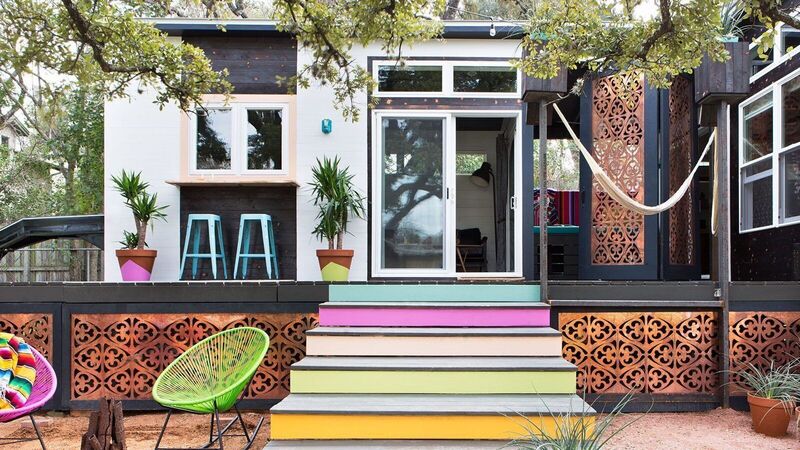
The smaller the space the more creativity is required to make best use of it, but with planning and the right help practical and aesthetic needs can be met.
Hands up, who’s had enough of home interiors programmes about knocking down walls and plonking a boxy glass extension out the back?
Come over to Netflix with me for respite from kango hammers and fights breaking out between architect and surveyor, and slouch on the sofa for a virtual excursion to America and an episode of Tiny House Nation.
Show presenters John Weisbarth and Zack Giffin take us to what will be the California home of firefighter Scott and wife Xanthie who lost everything to a forest fire which destroyed 40% of their neighbourhood. Starting over, they decide to keep the rebuild small and simple.
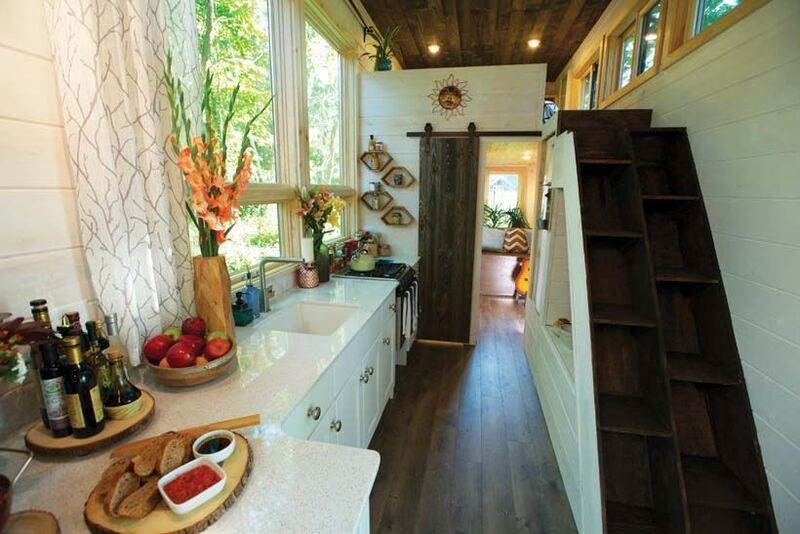
But it’s while living in a mobile home on-site that the couple quickly realise the mainstay of their social life, entertaining, won’t work when there’s no space in the tiny kitchen for Xanthie to slice an onion while Scott preps the roast, let alone have guests.
The solution? A glasshouse dining room adjacent to the house, grouted in between by an outdoor kitchen, which is all fine and dandy living in almost perpetually sunny Sonoma County; less so I’d imagine in County Sligo.
It just goes to show that something which seems very small is probably too small, but at least the stint in the mobile home gave the couple a chance to try it on for size.
Certainly, the show makes a creditable attempt at virtuising less space and less stuff, but that’s where the challenge creeps in: Downsizers struggle to not only get rid of belongings accrued over decades but to downsize their lifestyle too, while young first-time owners find themselves needing to upsize when the babas come along.
Four episodes later and you’re wondering if the tiny house lifestyle really only works for a particular time in life, and not surprising from a country which has touted the notion that bigger is better.
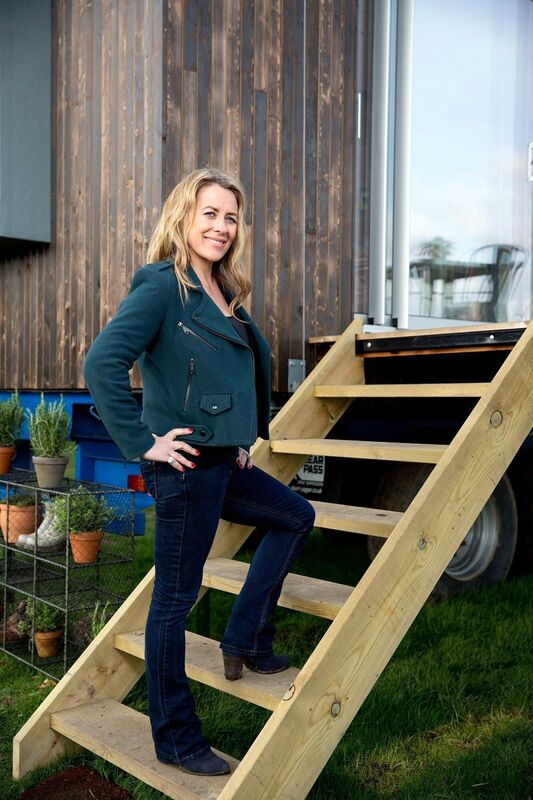
Worth watching in tandem is the Netflix revival of How to Live Mortgage Free if you missed it first time round on Channel 4. Fronted by Sarah Beeny, it takes us on a whirlwind tour of homes where the owners pay neither rent nor mortgage.
They have, according to the bold Beeny, found, “an alternative to a lifetime of mounting debt and high monthly repayments.”
Hurrah, we’re all ears.
Take Kimberly to start. She’s a part-time model with £25,000 in spare cash, part of which she uses to buy a clapped out, barely afloat vessel masquerading as a Dutch longboat to moor on a London canal. This leaves her with a worryingly scant £7,000 for renovations.
Faced with the expensive repair of a dodgy hull, and needing to conjure up a non-existent interior, it’s clear she hasn’t remotely considered how she’s going to do any of it. “I don’t really like plans,” she confesses.
To her credit, the ever-practical Beeny manages a tight smile.
But this is television territory and the cavalry arrives in the form of an architect; Kimberly gets a job to fund the work, and presumably the programme threw in some cash so the longboat eventually becomes home.
But not everyone wants to live on a boat no matter how cheap to run, so next up are Orrell and Carla who bought their three-bed semi in North London in 2006 for £233,500.
“I looked at my mortgage statement and realised I was going to have to pay over £400,000 back over 25 years,” says Orrell. “I thought no way, I’m not doing that.”
Saving money wherever they could paid off the mortgage in eight years on a combined income of £55,000, celebrated with a trip to New York and a new car.
They admit the repayment years were frugal but now they have the freedom and security which motivated them in the first place.
But what Ms Beeny never states openly is that no one here started from zero.
Kimberly had an unexplained £25,000, Orrell and Carla presumably had a deposit to secure their mortgage, and some were given family land or garages to convert. Others sold up, paid off the mortgage and spent what was left on alternative homes such as a 19th century corrugated iron building and adapted shipping containers.
Moral of the story? Yes, you can live mortgage or rent-free with planning and imagination but not without some money to start with or the buffer of generous parents.
CONNECT WITH US TODAY



Be the first to know the latest news and updates