Leap at the chance: floriography and adoring statements
As we all know, this is a leap year and today’s date proves it: it’s the first February 29 since 2016 and the last one to enjoy or endure until 2024. I like leap years — they remind me that every now and then we need to reset or put things right. Some people have five-year plans, some 10, some don’t have the luxury to get beyond day to day.
THINKING SPACE
I use leap years like a knot on the finger to check that I haven’t strayed too far from my long-term hopes and aspirations. That extra day providing some thinking time and strategy planning.
Leap years are all about setting things straight, including a discrepancy in gender rights. The first discrepancy was a slipping clock or, should I say, a lapsing calendar.
The concept of leap years came about because Julius Caesar back in 45BC introduced a new calendar which required an extra day to be added every four years to keep it accurate or more correctly, correctable to be aligned with a solar year.
It takes the earth roughly 365 days, five hours, 48 minutes, and around 45 seconds to circle the sun and complete a full solar year. The Julian calendar included the month of July to honour himself, after all the shuffling into set-length months was out by around six hours per year hence the need for 24 extra hours every four years.
That extra day made sure that equinoxes, solstices and other important solar markers of religious and agrarian activities were not forever slipping out with the new fixed monthly calendar. February being the last day of the year for the Romans, it got the add-on. Later the Gregorian calendar introduced by Pope Gregory XIII in 1582 kept the same device.
FEMALE EMPOWERMENT
As to gender equality, the overtake of patriarchy as the dominant culture and ruling system had many consequences for female empowerment and dignity, including denying women the option to propose marriage and only be a voice to accept or deny a suitor. In Ireland where women, prior to Christianity, traditionally had not been second class or weaker, this marriage rule did not sit well for many centuries. A resolution was required but a compromise came.
DEAL STRUCK
According to legend it was St Brigid who asserted and struck a deal with St Patrick to allow a dispensation for women to propose to men –- the concession granted, but only in leap years and only on the leap year day. Thereafter February 29 striking fear into every single man’s heart or for some, bitter disappointment come the dawning of March 1.
Who knows how it actually came about but today is a day that women traditionally propose to their commitment-phobic significant others. Not just in Ireland but around the parts of the world under western influence — so, I thought for the day that’s in it, it would be good to look at plants related to engagements and matrimony.
I am a fan of floriography— the secret language of flowers that allowed symbolic communiqués between secret lovers, repressed or shy courting couples or just the romantically inclined; as the poet Byron had penned: “By all those token flowers that tell what words can never speak so well.”
TALKING FLOWERS
Floriography is basically a system of applying meaning to a flower so you can send a sentimental gesture with a single corsage or collar button or a whole message in a bouquet.
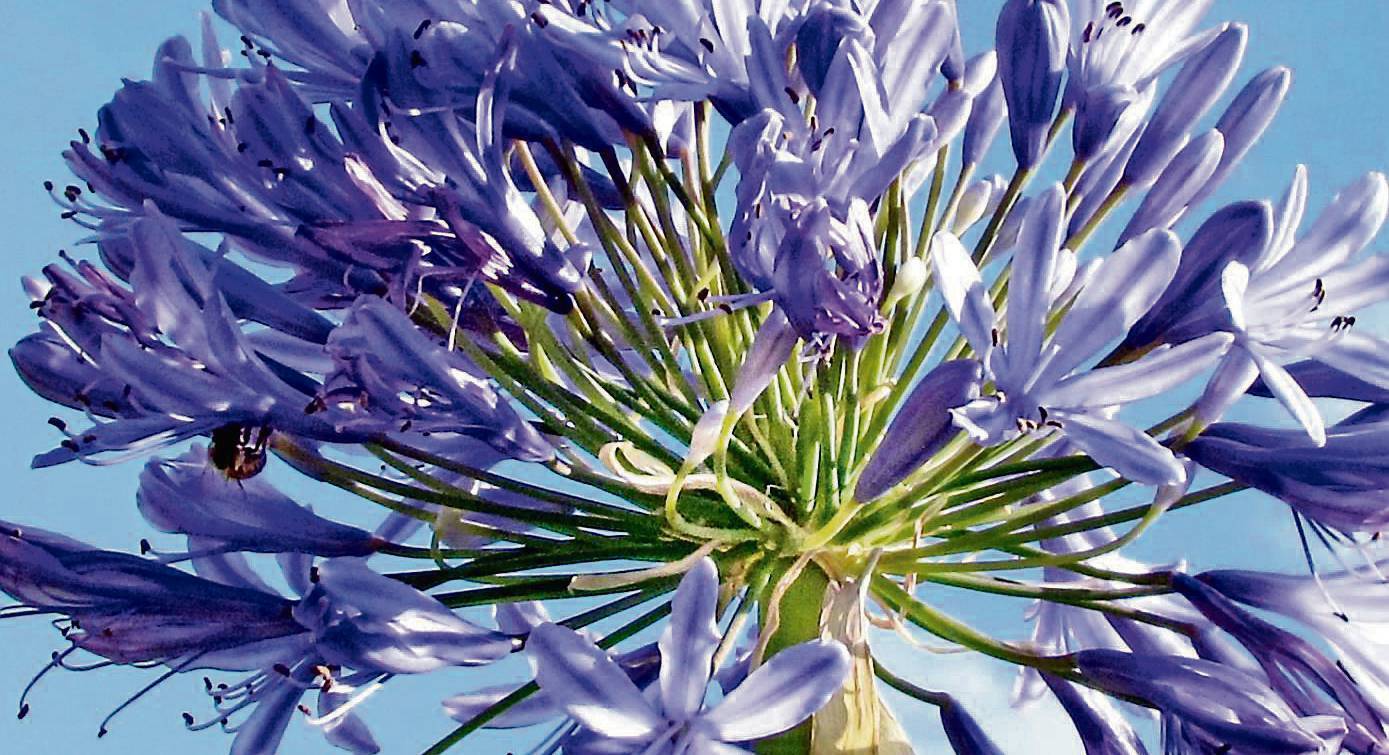
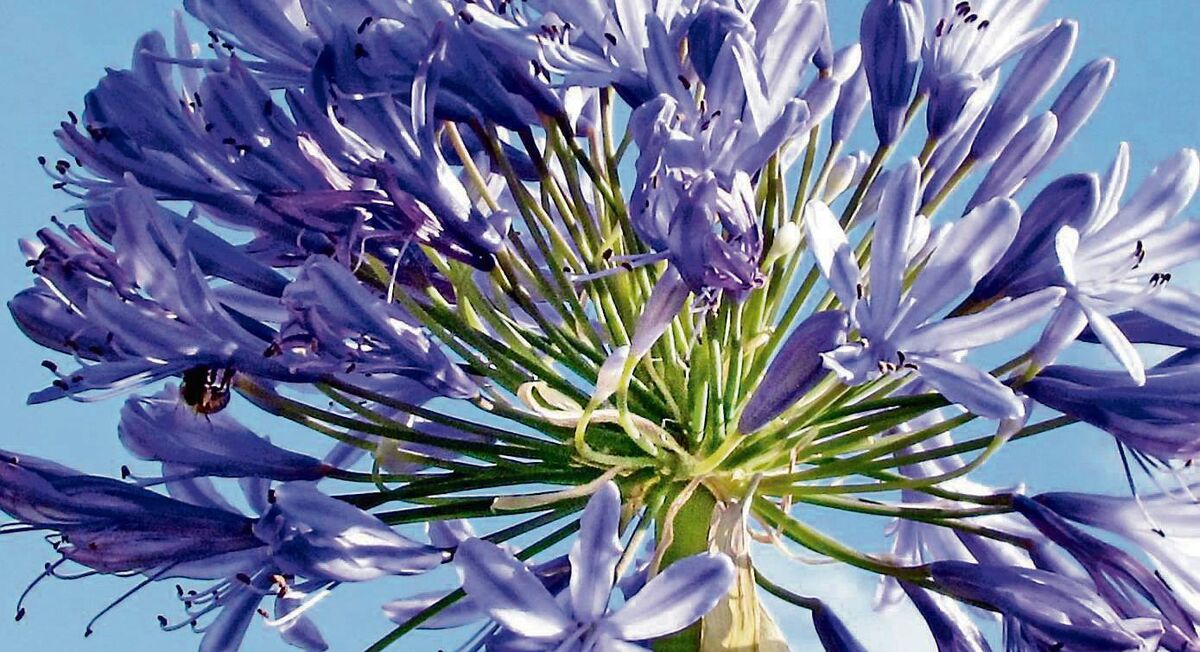
So a plant such as agapanthus effectively means “love flower” via its nomenclature — from the Greek for love agape and anthos meaning flower. In the lexicon of floriography, sending someone an agapanthus came to mean “in lieu of a love letter”.
Myrtle and roses were both considered sacred to Aphrodite and so became a portent of love and a regular feature in bridal bouquets. For the language of flowers, they acquired the meaning “I love you”.
Today we still give roses as love tokens and myrtle and other fertility symbols still adorn bridal wear, alters or table settings on that special day.
PETAL PLEDGES
Plants and flowers that are symbolic to engagement and marriage proposals include love token plants that pledge something. What you offer as the incentive to the yes is the important part. Sure, love is taken for granted, so roses can wait.
How about fidelity, trust, support, passion, or even all those worldly goods? Here are some plants that might add the meaning to your meaningful intent.
Verbena means faithfulness. Dogwood symbolises love even through adversity. Ivy means friendship but also a lasting entwinement. Honeysuckle also hints at a lasting entanglement..
Scented geraniums denote “conjugal affection” which I guest for a system devised by the Victorian upper class was not always guaranteed in their marriages. Jasmine also promises nuptial bliss. Dianthus denotes affection and anemone signals anticipation.
My two favourites are a single red columbine which denotes anxious and trembling and sweet alyssum which says beyond your beauty there is also brilliance.
You’d have to say yes to either of those. Even if you were an unreconstructed male.
I know there is the old joke that to woo a woman, you turn up with a bunch of flowers, perfume, chocolates, jewellery and undying love and to woo a man you turn up naked with beer. Not true — maybe some of us might like a flower every now and then.
ADORING STATEMENTS
Naked or not, a presented heliotrope means I adore you. A hollyhock says the giver is consumed by intense love.
A dahlia says “I am yours forever”. Lily of the valley stated “you complete me”, while lungwort shouts “you are my life”. Just don’t turn up with a venus fly trap or bindweed- wrong signal there.
And, ladies, if he does say yes, don’t hold it against me down the line. And, fellas, if you have to head for the hills, I’m sorry.
CONNECT WITH US TODAY



Be the first to know the latest news and updates