Richard Collins: Keep an eye out for Lazarus trees
Two botanical anniversaries occur in 2019. Twenty-five years ago David Noble, a New South Wales wildlife officer, abseiled into an unexplored gorge in the Blue Mountains and discovered trees from the age of the dinosaurs. Fifteen years later, botanist Daniel Gluesenkamp found a plant, deemed extinct in the wild, alive and well in San Francisco.
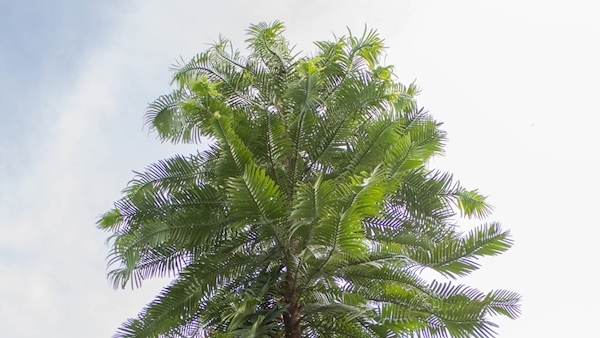
Noble couldn’t identify the strange trees he encountered. They had bubbly-textured barks. Some had multiple trunks. The largest one was about 40m tall. He took a branch home but couldn’t find a description of it in the literature. But the tree was known to science; there were specimens in the fossil record.
It seemed to be a pine, as the name it was given implies, but it wasn’t. Noble had discovered living examples of a genus thought to be extinct for 90 million years.
The Wollemi pine joined the coelacanth and New Zealand storm petrel in the exclusive back-from-the-dead ‘Lazarus’ club. The location of the critically endangered trees was kept secret; botanists visiting it were vetted in advance. The first specimen I saw was enclosed in a steel casing, to protect it from vandals, in Sydney’s botanical gardens.
The authorities’ fears have since been confirmed; in 2005, the wild trees were found to be infected with a soil-bourn mould, thought to have been introduced accidentally by unauthorised visitors.
Genetic analysis showed that all the trees in the gorge are genetically identical, shoots of a single individual. This botanical equivalent of the Galapagos tortoise Lonesome George, sole survivor of his race, was named Wollemia nobilis after the place where it was found and the man who discovered it.
Shoots were sent to botanical institutions around the world. The plant is available now in garden centres; I have a thriving specimen of this living fossil growing in my home.
This year’s second botanical anniversary isn’t as dramatic, but it’s remarkable none the less. In 2009, according to press reports at the time, botanist Daniel Gluesenkamp was driving along Doyle Drive in San Francisco. Having given a talk on climate change, he was returning home.
Out of the car window, he noticed white flowers growing in a clump of greenery surrounded by urban chaos. Curious to identify the flowers, he investigated the site. The unusual plant turned out to be a Franciscan manzanita.
Cultivated specimens of this existed, but the species had not been seen in the wild since 1947 and was deemed extinct. Surrounded by eucalyptus and other aliens, in a location bathed in vehicle exhaust fumes, it had managed, somehow, to survive the environmental mayhem generated during construction of the Golden Gate Bridge and its approach roads.
Gluesenkamp set the wheels in motion to have the plant celebrity protected. A huge crane was brought in and the entire clump, together with roots and soil, was lifted intact and moved to a safe location.
‘Manzanita’, in Spanish, means ‘little apple’. Over 60 manzanita species, members of the heath family, are known. The Franciscan one forms bushy mats with small green leaves and clusters of white or pink flowers.
With so many botanists following in the steps of Lloyd Praeger, it seems unlike that similar finds will be made in Ireland. But can we be sure?
CONNECT WITH US TODAY



Be the first to know the latest news and updates